When you invest in a new camera, it's not just about specs or the latest features. It's about how that camera fits into your daily workflow. For anyone balancing photography and video projects, the right camera can simplify your process or add unnecessary friction.
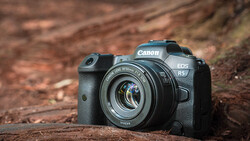
Coming to you from Tim Northey, this practical video looks at the Canon EOS R5 Mark II mirrorless camera from the perspective of a seasoned travel photographer and videographer. Northey has extensive experience with cameras like the Fuji X-Pro3 and Lumix S5, but he consistently gravitates back to Canon. One major strength he highlights about the EOS R5 Mark II is how seamlessly it switches between photography and video, a necessity for anyone working in fast-paced or unpredictable environments. Northey also digs into the R5 Mark II's low-light capabilities, a critical factor often overlooked due to its high-resolution sensor. He emphasizes that it's not just about how well a camera handles darkness, but about the confidence it gives you when you're shooting.
Northey isn't shy about addressing some common critiques of the EOS R5 Mark II either, including battery compatibility and concerns about overheating. After extensive real-world use, he argues these worries may be overblown for most practical scenarios. For instance, while shooting in the intense heat of Bangkok, the EOS R5 Mark II stayed reliable at high frame rates without overheating. Northey also highlights the value of Canon’s color science, which he describes as reliably producing rich, natural colors straight out of the camera. For videographers, the addition of C-Log 2 significantly improves grading flexibility, making footage consistently easier to work with.
Key Specs
-
Sensor: 45 MP full frame CMOS
-
Image Processor: DIGIC X
-
Autofocus: Dual Pixel CMOS AF II (advanced subject tracking)
-
Video: 8K up to 30 fps, 4K up to 120 fps, Canon Log 2 (Clog 2)
-
ISO Range: 100–102,400 (expanded)
-
Image Stabilization: 8 stops In-Body Image Stabilization (IBIS)
-
Burst Rate: Up to 40 fps electronic shutter, 12 fps mechanical
-
Viewfinder: 5.76M-dot OLED EVF
-
LCD Screen: 3.2" fully articulating touchscreen
-
Card Slots: CFexpress Type B and SD UHS-II
-
Weather-Sealing: Yes
-
Battery Life: Approx. 490 shots (LP-E6NH battery)
-
Dimensions (W x H x D): 5.45 x 3.87 x 3.48" (13.84 x 9.83 x 8.84 cm)
-
Weight: 1.5 lb (670 g) with battery and card
What sets this camera apart, according to Northey, is its versatility and dependability, not how it looks hanging around your neck. He shares a relatable story about initially getting drawn in by the attractive retro design of the Fuji X-Pro3, only to find himself rarely using it because the usability couldn't match his needs. The EOS R5 Mark II, however, has provided a consistently positive experience with comfortable handling, intuitive settings, and practical custom modes that make switching between photo and video quick and easy. He mentions specifically that the camera’s improved video features, including false color waveforms and better slow-motion options, enhance his creative possibilities.
Throughout the discussion, Northey acknowledges the temptation photographers feel to chase gear based on style rather than practicality. He’s candid about having fallen into this trap himself. But ultimately, his choice of camera is grounded in real-world demands. If you're someone who prefers a reliable single-camera setup rather than juggling multiple specialized cameras, Northey suggests the EOS R5 Mark II might be exactly what you need. Check out the video above for the full rundown from Northey.




Join the Fstoppers community for free
-
Post comments and join in the discussions
-
Browse the site ad-free
-
Share your work and get featured in the community
-
Compete in the photo contests for fun and prizes
2 Comments
Since when did the Canon R5 II have a 61 MP sensor? I think you reviewed the wrong camera....
Oops, thank you!