Should You Choose the Sony FE 300mm f/2.8 GM OSS Over the Popular FE 200-600mm f/5.6-6.3 G OSS?
When you're trying to get closer to wildlife subjects, lens choice becomes critical. So, which of these Sony lenses is right for you?
When you're trying to get closer to wildlife subjects, lens choice becomes critical. So, which of these Sony lenses is right for you?

It all starts off nice and simple, a couple of cameras and lenses, then things slowly get out of hand. There are thousands of small parts that make up a commercial studio, and keeping on top of it all often seems like an impossible task.
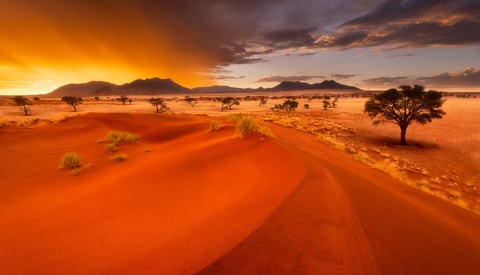
You may be reaching for the wrong glass to capture those stunning landscapes, trading intentional composition for uninspired vastness. Let's discuss why swapping out your go-to wide angle lens for a telephoto or mid-range lens could be the secret to creating truly compelling, focused photography.

If your camera is mounted on top of a tripod, should you turn your camera's image stabilization off? These findings might surprise you.

Whether doing event, wedding, or portrait photography, eventually you are going to find your subject in front of or behind a glass surface. Learning tips to avoid your lighting being reflected on the glass can improve your images and save you time in post-production.

For film photographers, digitizing film is arguably the most important part of the workflow. For me, there is no longer a debate of what is the best approach. Using a digital camera to digitize film is the only way.

The relationship between subject, background, and lens focal length is fundamental to creating compelling images. By learning to adjust perspective instead of relying on zoom, you gain more control over your composition and storytelling.

There's a sort of running joke between the Fstoppers writers about the number of bag reviews we've published in the last couple months, and we've certainly caught our share of flack for it in the comments as a result. Despite all that, having had a chance to sit down for a brief interview with the people at WANDRD, I think we may have a new industry standard on our hands.

In this excellent installment of the B&H Prospectives video series, photographer Robert Rodriguez Jr. explains what goes in to taking successful landscape images, offers his thought process while out in the field, and dives in to some worthy ideas to inspire the development of your art.
Attending a photography workshop is about more than simply showing up with your camera. It’s up to you to maximize the experience and ensure it’s valuable for you.
In the last article of this series, we explored how to prepare for a workshop. Here, we’ll look at what it’s like to be on one.
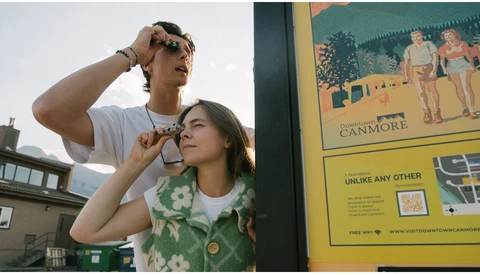
There's a particular kind of cognitive dissonance that happens when you spend months researching dynamic range charts, reading MTF curves, and comparing autofocus systems, only to find yourself genuinely excited about a plastic camera with a 1.6-megapixel sensor that hangs from your keychain.

Digital media files have grown enormously, driven by high-resolution sensors, uncompressed raw data, and the demand for high dynamic range. Every frame now carries extensive metadata and integrated data, often reaching tens or hundreds of megabytes.
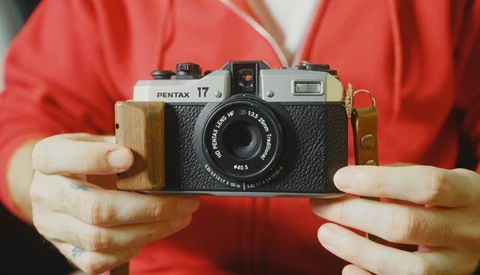
The Pentax 17 landed in 2024 to a wall of loud opinions, and a year of actual use has a way of softening the sharpest first impressions. A camera you dismiss on a one-week deadline can look very different once you've dragged it through Colorado, the Jersey Shore, and a 4:30 a.m. boardwalk sunrise.
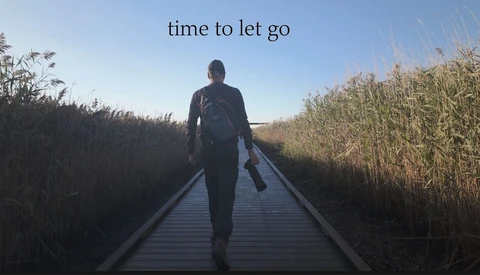
A shelf full of older camera bodies brings its own kind of guilt: they still work, they still make good pictures, and they almost never leave the house. Choosing whether to keep shooting a camera like the Fujifilm X-H1 or sell it for something faster affects your wallet, your hit rate, and how much you enjoy the time you spend shooting.

Magnets have long been used for their quick and sometimes strong holds. But is a magnetic camera strap a good idea?

Lightroom offers us many powerful tools to adjust the brightness of some regions of a photograph. In this article, we will find out what the Basic Adjustments and the Tone Curve have in common – and what’s the difference between them.
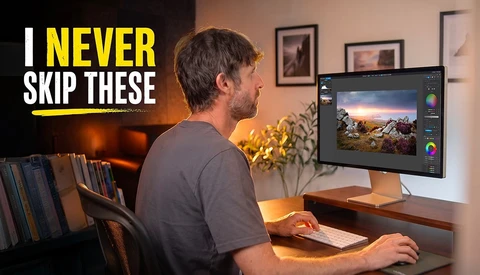
Every landscape image is different, yet the same handful of moves show up in almost every edit that actually works. Learn those moves and you stop guessing your way through post-processing and start finishing photos on purpose.

Dean Capture, a professional photographer with over 20 years of experience behind the camera, has spent the last 10 years living in Los Angeles, shooting the most beautiful nude models and porn stars on the planet. He's shot covers, centerfolds, featured layouts for magazines like Penthouse and his work is regularly published on the largest, most successful adult websites on the internet.

This is a post for all the dude photographers out there. I really don't want to be writing this, because I don't think it should have to be said, but apparently it does. This post is simply a call and reminder to treat your models with the respect that they deserve.
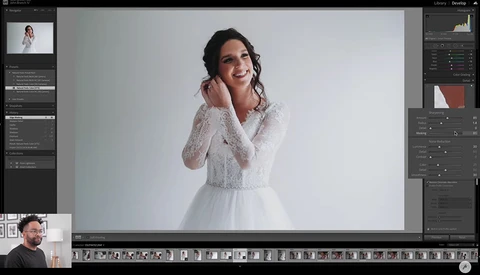
When you are new to photography, getting a firm grasp of your cataloging software and how to perform basic edits will help to set a strong foundation for future growth. Lightroom is one of the most popular choices for these tasks, and this excellent video tutorial will show you the ins and outs of working with it.

Viltrox has added a Z-mount AF 35mm f/1.2 to its LAB series, and it’s safe to say that the Viltrox AF 35mm f/1.2 LAB Z-Mount Lens has hit the market with a strong impression. From its standout optical clarity, confident autofocus, and premium build, there’s a lot here that deserves attention.
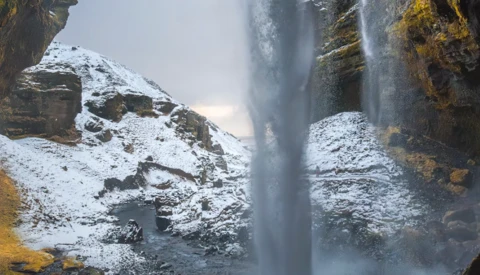
Lightroom can rescue a raw file that looks unusably dark, but only if you approach the recovery in the right order. When you lift a file like this the wrong way, the shadows turn noisy fast and the highlights fall apart.

The ability to utilize a wide range of lenses is crucial for achieving creative vision and capturing diverse subjects. Lens choice impacts everything from focal length and depth of field to image stabilization and low-light performance. However, investing in a comprehensive lens collection, especially across different camera systems, can be a significant financial undertaking.