
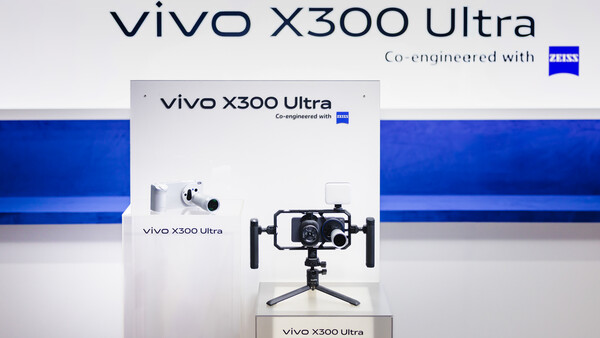
The narrative of smartphones launched every year has honestly been quite dull, mainly focusing on still photography — better cameras, more resolution, sharper images, and better low-light image quality. Being dull is not necessarily a bad thing; if anything, it means that we might have successfully reached the point of sufficiency for smartphone photography imaging systems. However, things on the video side are still lacking, and that is about to change with the upcoming vivo X300 Ultra, the first Ultra model from vivo that aims to push the boundaries of what is capable with a smartphone in videography and put vivo ahead of its competition.
If you are not familiar with vivo, it is a smartphone company that has built a strong reputation around photography for years in collaboration with ZEISS. As part of their strategic milestone to meet the exponential increase in demand for video, it is only natural that they expand their comprehensive imaging ecosystem by stepping into motion, both empowering creators with creative freedom through delivering high-quality visuals and maintaining their industry lead with their unified storytelling experience. By including crucial features that deliver consistent image quality and color across focal lengths, with cleaner audio, it allows the vivo X300 Ultra to feel less like "a phone that shoots video" and more like a compact filmmaking system that happens to be a phone. The X300 Ultra aims to make professional cinematic expression more intuitive, flexible, and accessible to consumers, ultimately pioneering mobile video breakthroughs while solving existing video pain points.
All Lenses, Finally Equal
Let's start with the obvious. One of the biggest frustrations in smartphone videography has always been the quality difference between video from the main camera module and the other camera modules. Traditionally, even in flagship smartphones, switching between lenses will most certainly introduce some form of color shift or cause a drop in dynamic range. Therefore, it's almost baked into mobile creators' minds that they should only use the main camera to shoot video, as this is where they are going to get the best video quality. It's not surprising that this is common, since manufacturers will have to cut costs somewhere to remain competitive, and secondary features such as telephoto zoom or the wide angle camera module will always be the compromise.
While it is usually not a problem for casual use, those who constantly film on their smartphones know that having a usable telephoto video is very important — not only to create a more compelling set of videos, but also to capture moments and amplify emotions. Having inconsistent output between lenses will cause a lot of trouble for creators, especially when having to match the outputs later in post. This is where the X300 Ultra introduces its newly designed camera modules, which promise to deliver high-spec cinematic output straight out of the camera across all rear cameras — ultra-wide, mid-range, and telephoto. All lenses will deliver the same consistent image quality and coherent color rendering of 4K 120fps Dolby Vision video output with cinematic light and shadow reproduction. This empowers creators with the creative freedom to get consistent results without having to worry about which lens to use, even when filming scenes that have rich colors and high dynamic range. The new camera modules excel not only in the video department, but also support straight-out-of-camera 4K time-lapse video on all rear cameras.
4K 120 fps 10-Bit Log on All Rear Cameras
Multi-focal-length 4K 120 fps 10-bit Log recording might sound like a lot of jargon and way too technical at first, but in reality, it really just means having more flexibility for post work — including slow-motion capability and industry-standard color grading flexibility. Let's break it down. With native 10-bit Log support in the X300 Ultra, it offers enough latitude for creators to grade and perform color correction on the footage in post. When carefully treated, it potentially allows the footage from the X300 Ultra to achieve classic cinema-camera color, tonality, and texture. This is because Log gamma enables footage to capture a wider dynamic range compared to traditional Rec. 709, which, when converted, allows creators to better control the highlight roll-off and smooth the tonal transition — a smooth tonal transition is always closely associated with cinematic imagery. Note that 10-bit encoding is very important here, because Log profiles compress dynamic range into a flatter image and will require more tonal information to avoid banding during post-grading work.
The benefits don't stop there. The X300 Ultra is also pioneering 4K 120 fps on all rear cameras, including the zoom. It is usually omitted on zoom lens modules, which I believe is mainly due to technical limitations, whereby it is a challenge to get enough light into the sensor when shooting at high frame rates. Though vivo has yet to release the official specs, I believe there will be a massive upgrade on the telephoto camera module, featuring some of the largest sensors available to support it. These technical upgrades may also end up contributing positively to the resulting footage, giving it a much more natural output, matching what a full-size camera produces. Better light sensitivity allows the footage to avoid the need for heavy noise reduction and over-sharpening, which usually end up causing digital artifacts such as smudging and smearing of details.
Knowing that 4K 120 fps is supported across all rear camera modules allows creators to film with peace of mind, reducing potential headaches when you need it most — making the X300 Ultra a reliable tool for real work. Even if you don't need it now, it is good to know that these functions are there, giving you upward potential should you choose to upgrade your workflow in the future.
All New Pro Video Mode
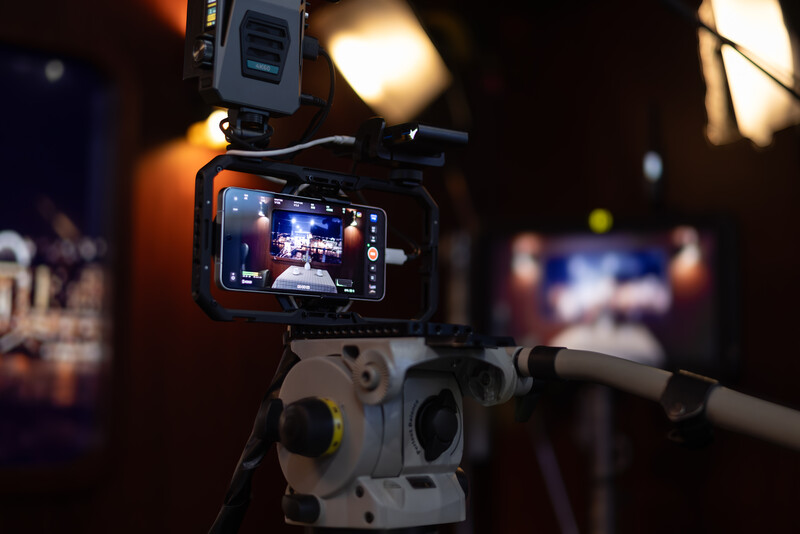
Most smartphone video modes are simplified to the point of limitation, which is, in a way, great for convenience but certainly not great if you need control. Let's admit it — most of us who use a smartphone to film will most likely not use it for anything near a proper film production, because it simply does not have the ecosystem to make it work, at least not natively. With the X300 Ultra's new Pro Video Mode, it gives you all the pro-level control and interactive logic you need from professional cinema cameras natively, without any third-party apps. This function is also inspired by professional monitors, which allows you to adjust parameters in real time, making it capable of being integrated as a B-cam if needed, and makes the X300 Ultra feel less like a compromise. If anything, I would think this is a much more important feature to include rather than just a typical spec bump, because it directly affects usability.
Film-Like Color Straight Out of Camera
For those who do not want to fiddle with the complicated color grading workflow, vivo's native Multi-Focal 4K Master Color Video ensures film-like color reproduction straight from capture. To give an even higher degree of creative freedom, the versatile Video Color Palette unlocks extensive manual controls, enabling precise adjustment across tone, saturation, and contrast. This empowers creators to craft a signature look — whether that means dialing in moody, desaturated tones for a cinematic feel or boosting vibrancy for high-energy scenes. From natural fidelity to bold artistic flair, the device ensures every shade of your story is told exactly as you envisioned.
Quad-Mic Audio Recording Master
While having high-quality visuals is good, it is oftentimes insufficient, because audio is what makes or breaks a video. As the saying goes, good audio can save a video with bad visuals, but good visuals cannot save a video with bad audio. This is why vivo has also put some emphasis on improving recorded audio quality. For the first time, the X300 Ultra features a new four-mic input design to give it the ability to record cleaner and clearer audio straight from the phone itself. There is also built-in AI that works behind the scenes to reduce unwanted sound from other directions and even emphasizes audio from the target direction. I would imagine this being extremely useful when recording interviews, as you no longer need to rely heavily on a physical mic or even to keep clean audio files from your concert videos.
Speaking of audio recording, vivo has also included six core preset scenarios for users to select, catering to their needs. For example, using the Concert Vocals mode while recording a stage performance will effectively minimize your own and others' sing-along sounds. To meet personalized user demands across multiple scenarios, the selected presets also have a custom mode that allows further parameter adjustments.
The Ecosystem Play — Pro Video Rig Kit and 400mm Equivalent vivo ZEISS Telephoto Extender Gen 2 Ultra
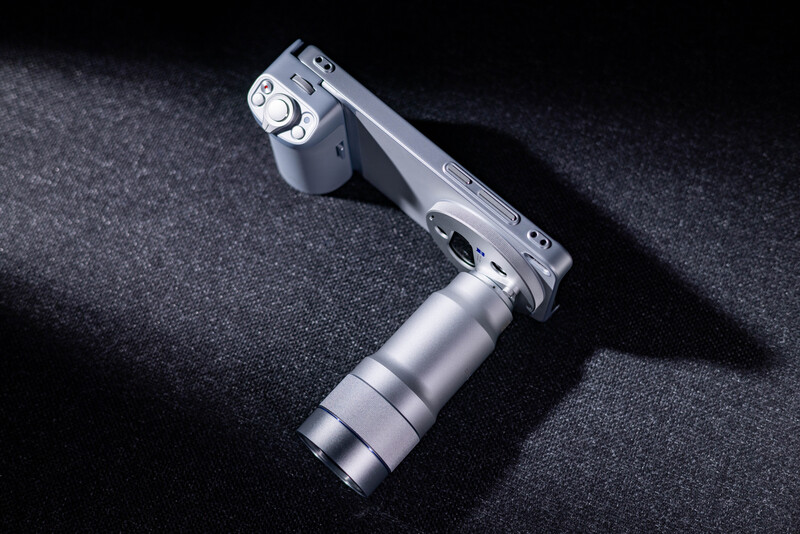
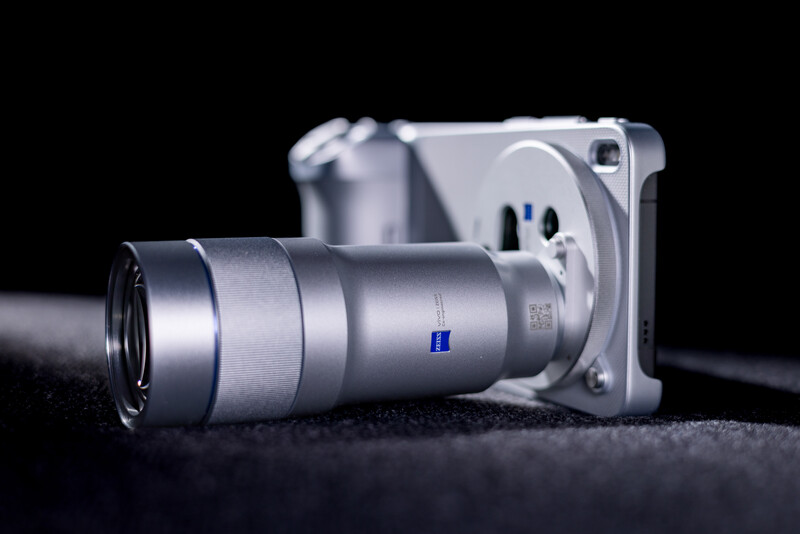
Now, here's where it gets even more interesting. Despite being a mobile phone, vivo is really thinking ahead by building an entire ecosystem that allows their smartphones to perform in a professional setting, be it for documentary work or compressed cinematic shots. To further improve the filmmaking experience of the X300 Ultra, vivo has introduced its own Pro Video Rig Kit and a vivo ZEISS Telephoto Extender Gen 2 Ultra with a 400mm equivalent focal length.
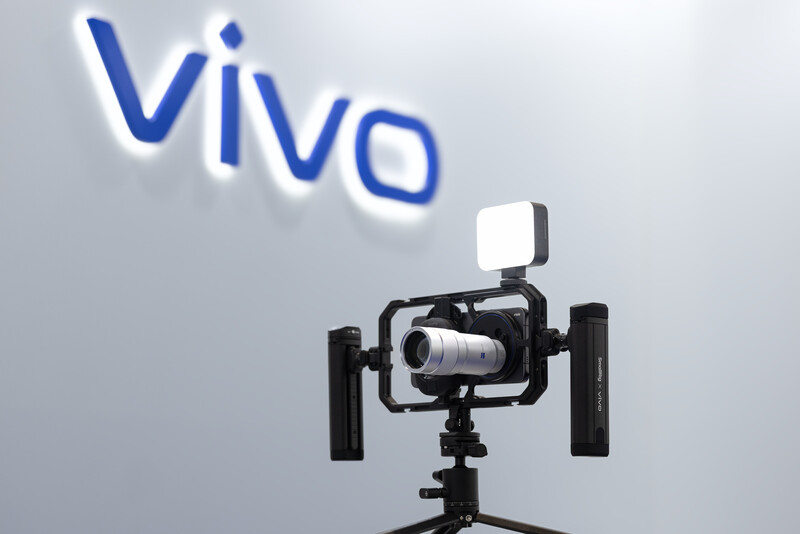
The expandable cage in the kit features multiple cold shoe mounts and quick-release ports, as well as a 1/4-inch mounting interface for additional accessories. There is also a cooling fan and grip handle with control buttons that can be used together with the cage to further enhance usability. On top of that, there is an external lens expansion frame that takes a 67mm lens filter or an external extender lens for telephoto work. The all-new upgraded vivo ZEISS Telephoto Extender Gen 2 Ultra is capable of achieving a 400mm equivalent focal length. Designed to meet APO imaging standards, it delivers exceptional optical precision and the highest image quality.
Final Thoughts
From what we've seen so far at Mobile World Congress 2026, vivo is really doing something impressive here, aiming to redefine what a smartphone can be for video creators. Features such as multi-focal 4K 120 fps 10-bit Log, film-like color straight out of the camera, serious audio capture, and a more professional shooting interface aren't just gimmick specs — they directly address the real pain points of smartphone videography, such as inconsistent lenses, fragile grading latitude, over-processed textures, and unreliable audio.
We have yet to see the full camera system configuration. But if these foundational upgrades already make the X300 Ultra feel like a purpose-built filmmaking tool, it's hard not to wonder how far it will push the envelope once everything is finally unveiled. For mobile creators, this could ultimately mean fewer compromises. For everyday consumers, this could mean cinematic results are much more achievable — with room to upgrade without having to battle technical limitations. And that's where things start to get exciting.





Join the Fstoppers community for free
-
Post comments and join in the discussions
-
Browse the site ad-free
-
Share your work and get featured in the community
-
Compete in the photo contests for fun and prizes
No comments yet