
Featured Articles
Fstoppers Community
Photo of the Day
Sep 12

Longing

Sep 11

Weathered

Sep 10

Niflheim's Breath

Sep 9

Andean Giant

Sep 8

Dylan

Sep 7

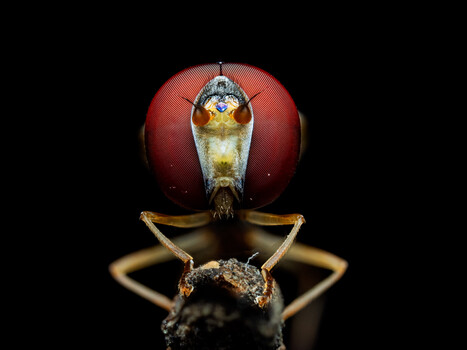
Hover fly
Sep 6

Trees emerging in the blue space

Sep 5

Warbirds: F4U Corsair

Sep 4

Beauty shooting with Chiei from China

Sep 3

Morning Light

Sep 2

Winged

Sep 1

Flow and Color

Aug 31

Lights Beach

Aug 30

The power of reflection

Aug 29

HOODOOS

Editors' Picks

The Awakening of 'a Moura'


Bithoo Village, Rajasthan


David and Goliath


Horizont


Alien

Bjarnarhöfn


Reach to the sky


Roque Nublo


Cowboys Waiting


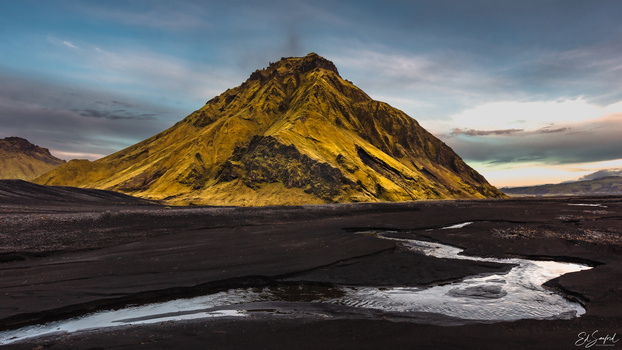
Stream, Black Sand & Foothill, Vik Iceland

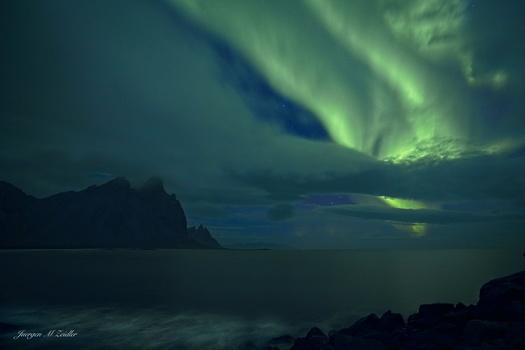
Vestrahorn Aurora

Patibulaire

Père Eternel


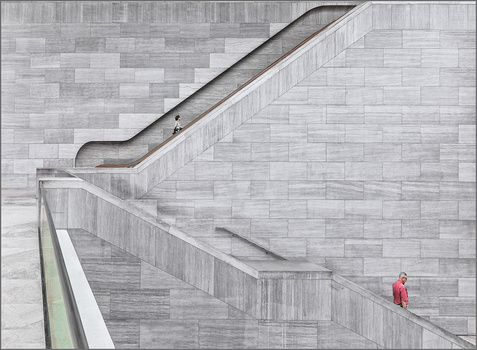
National Gallery of Art
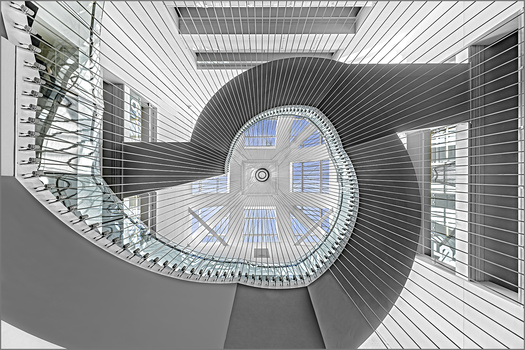
National- and University Library of Strasbourg_2
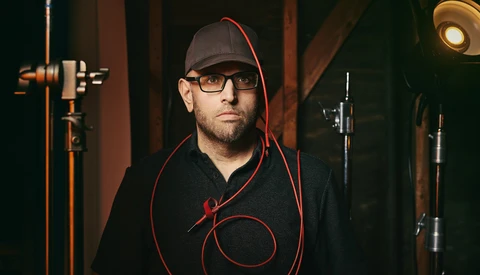
How Do You Become a Commercial Photographer? (Sort of)
Sometimes it feels like the photography industry is one magnificent, well-oiled grift. It will happily sell you a two-thousand-dollar lens, the romantic illusion of being an artist, and the sweet, intoxicating hope of making a living, right up until the point when you're in your garage, on a Monday, with all the gear, no clients, and a bank account in the red.

Five Ways a Single V-Flat Can Fix Your On-Location Lighting
A single black-and-white board can do the work of a reflector, a flag, a backdrop, and a negative fill panel, all in the same shoot. Learning to read light and shape it with one tool beats buying five separate modifiers.
Latest Gear Reviews




Active Contests
10
77
Show us the work YOU wanted to do
Welcome to the September installment of the Critique the Community! This month's critique theme is going to be "Passion Project," and we want to see your best photographs that come from a personal project.
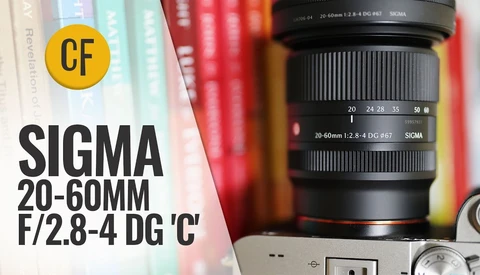
Why This f/2.8 Travel Zoom Starts at 20mm Instead of 24mm
Most full frame zooms start at 24mm, but this one opens at 20mm and weighs less than a pound. That extra width changes what a single travel lens can cover, and it forces a real decision about reach.
Fstoppers Exclusives



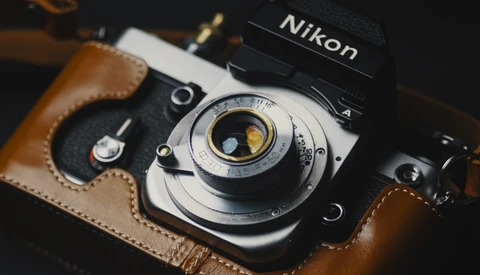
Five Experimental Film Tricks Tested on a Zero-Dollar Budget
Experimental film photography rarely gets a fair shake because most of the ideas floating around live in old technical manuals or die in a single frustrated attempt. Testing them yourself takes time, cheap filters, and a willingness to waste a few rolls to learn something you can actually use.

This Incredible 'Lunch Atop a Skyscraper' Bobblehead Puts All 11 Ironworkers on a Beam, Limited to 1,932 Pieces
The National Bobblehead Hall of Fame and Museum has unveiled the first bobblehead version of "Lunch atop a Skyscraper," the 1932 photograph of 11 ironworkers eating lunch on a girder 850 feet over Manhattan, in the week of the picture's 94th anniversary. All 11 men have bobbing heads, the scene is 13 inches long, and the run is limited to 1,932 numbered pieces at $100 each.
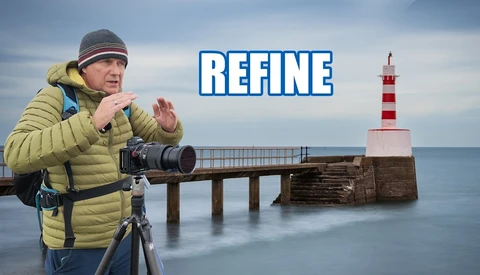
Why Your First Tripod Spot Is Almost Never the Right One
Most photography tutorials show you the winning shot and skip everything that came before it. This one does the opposite, walking through six attempts at a single long exposure until the composition finally comes together.
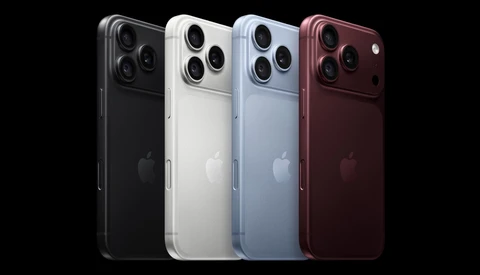
Apple TV Will Shoot Friday's Giants-Dodgers Game With 14 iPhone 18 Pros Hidden Around Dodger Stadium
Apple TV will shoot part of Friday's Giants at Dodgers game, the last "Friday Night Baseball" broadcast of the season, with 14 iPhone 18 Pro units built into Dodger Stadium, including inside the pitch clock, behind the backstop, on a foul pole, and in both bullpens.
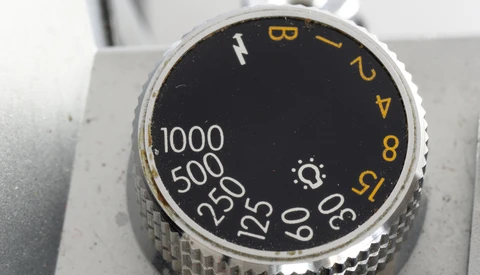
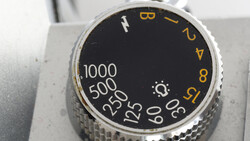
Seven Controls on Your Mirrorless Camera Still Shaped by Cameras That Loaded Film
The 1/125 on your shutter dial is a rounding error that stuck. The scale it sits on halves at every step, which puts that rung at 1/128, and 1/128 is an ugly number to stamp into metal. Your camera is full of settings like that: numbers and buttons whose shape was fixed by brass, gears, and gelatin, and that crossed into digital without anyone stopping to re-derive them.
The iPhone Aperture Controversy
Four days ago I put out a very nerdy video about the variable aperture lens in the new iPhone 18 Pro, and it has since become the most watched thing I have made all year. I did not see that coming. What I really did not see coming was the comment section.
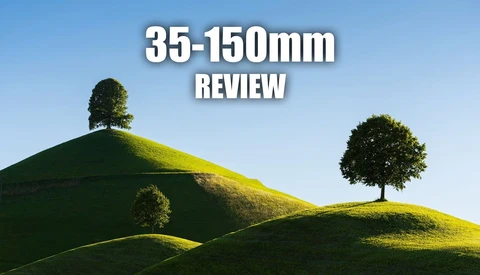
The Sharpest Lens You Probably Shouldn't Buy for Landscapes
Five years of hesitation, one impulse purchase, and the result confirmed every doubt. The Tamron 35-150mm f/2-2.8 delivers some of the sharpest image quality you can put on a Sony body, and that alone makes it a lens worth understanding before spending the money.
Why Apple Put an Aperture in the iPhone 18 Pro
Apple announced the iPhone 18 Pro, and the headline camera feature this year is a physical variable aperture on the main camera. I have been shooting professionally for 20 years, and I sat through that entire section of the keynote thinking the same thing over and over: this does not make any sense. Why would anyone want or need a variable aperture on a phone?
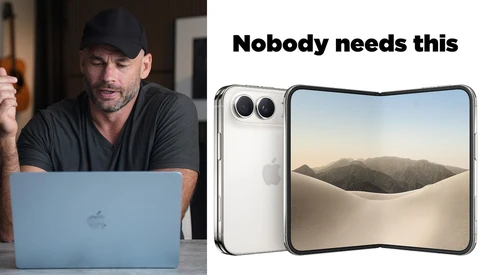
I Watched Apple's Entire Keynote So You Don't Have To
Apple just had a gigantic keynote. New iPhones, new AirPods, new Apple Watches, and the one everybody was waiting on, a folding iPhone. I sat through the entire hour and a half and took detailed notes, and I came out of it more curious than convinced.

iVanky FusionDock Ultra Review, The Most Expensive And Powerful Dock On The Market
Laptops have finally gotten fast enough to be true desktop replacements. The one problem is that no laptop can connect to everything on your desk. A MacBook might only give you two or three USB-C ports, so you are going to need a dock.
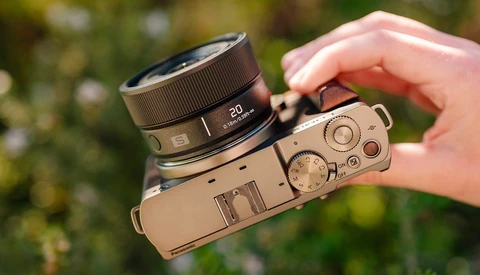
The Tiny Ultra-Wide Lens That Punches Above Its Size
An ultra wide full frame prime that weighs just 142 g and stays sharp wide open is a rare find, and the Lumix 20mm f/2.5 pulls it off. If you shoot travel, vlog, or simply want a kit that doesn't weigh you down, a lens this compact changes what fits in your bag.
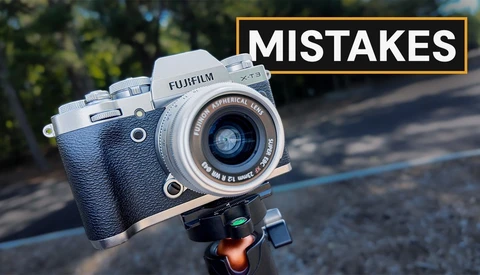
Seven Fujifilm Settings You Should Check Carefully
Your Fujifilm camera ships with defaults that can quietly sabotage your photos, from blurry low-light shots to white balance that shifts without your say-so. Most of these settings sit hidden in menus you rarely open, which is why so many owners never realize anything is wrong until they review the files.
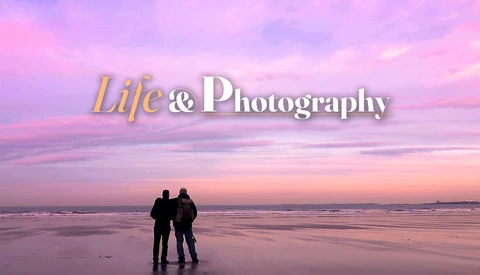
How Photography Became an Escape During the Hardest Year
People are walking away from photography at the exact moment it could do the most for them. What looks like a hobby about pretty pictures can turn into something closer to therapy when life goes sideways.
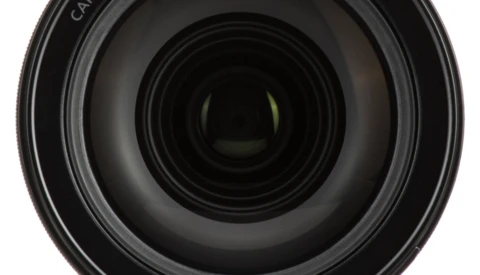
Canon Just Patented an Insane f/2 Telephoto Zoom
Canon has filed a patent for a 70-135mm f/2 zoom lens for full frame cameras, an internal-zoom design with a fixed front group that reads like a direct answer to the Sony FE 50-150mm f/2 GM that went on sale last year.

Apple Reference Image: How the iPhone 18 Pro Proves a Photo Is Real
Apple Reference Image is a camera mode on the iPhone 18 Pro and iPhone 18 Pro Max that signs the captured pixel data inside the sensor, then turns that signed data into a second, cryptographically signed copy of your photo that anyone can verify as authentic and not revoked. You keep shooting the normal photo.
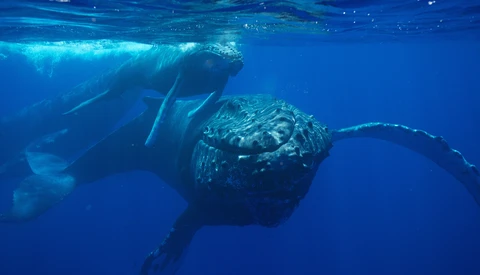
A Rescue Boat Filmed a Humpback Mother Standing Vigil Over Her Stillborn Calf
A female humpback whale gave birth to a stillborn calf about a kilometer off Australia's Gold Coast on July 17, 2025, then kept diving to the seafloor to lie beside it, nudge it with her head and a pectoral fin, and hold eye contact for a minute or more at a time, until the boat watching her left at 10 a.m.
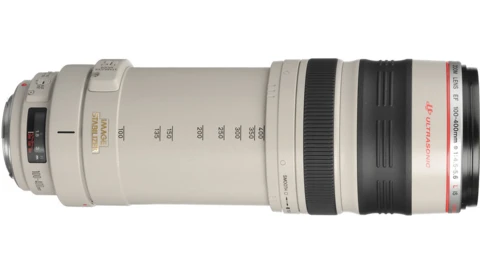
The Push-Pull Zoom Was Faster Than Any Modern Zoom Ring and Dust Got the Blame
When Canon announced the replacement for the EF 100-400mm f/4.5-5.6L IS USM in November 2014, the change photographers argued about was the disappearance of the sliding zoom collar rather than the optics or the stabilizer. The reason repeated everywhere at launch was that a rotating ring stops dust from being pulled into the barrel.

Pelican Intros First Major TV Ad Campaign with Chris Burkard
Pelican has long been a name associated with gear transport and protection. I personally remember customizing their foam inserts to fit my camera gear and lenses as I transported them in their hard cases across the country and the world.
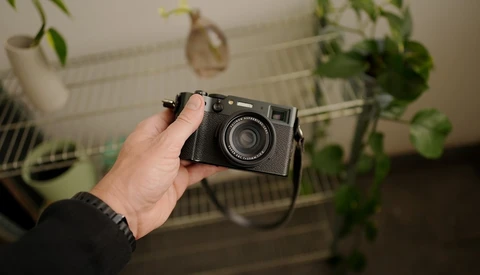
What the X100VI Does Better Than the X-E5 (and What It Doesn't)
The Fujifilm X100VI carries a fixed 23mm lens, a leaf shutter, and a 40-megapixel sensor in a body small enough to live in your hand all day. Deciding whether that fixed-lens design suits how you shoot comes down to a single tradeoff most buyers wrestle with.

The Vectorscope Trick for Perfect Skin Tones in Camera Raw
Adobe hid a color-grading tool inside Camera Raw that reads skin tones with real accuracy, and most people editing portraits have no idea it exists. The vectorscope lives in Camera Raw 18.4 and newer, it's not in Lightroom or Lightroom Classic, and even inside Camera Raw you have to dig to find it.
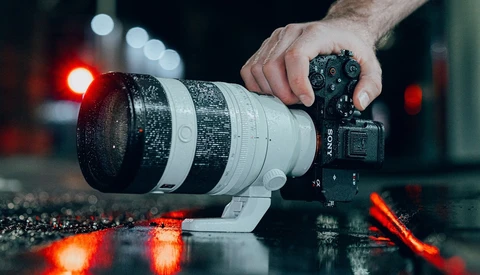
Sony's 66.8-Megapixel a7R VI Costs $3,000 Less Than the a1 II
Sony's new a7R VI packs a 66.8-megapixel sensor and lands $3,000 cheaper than the flagship a1 II, which forces an awkward question for anyone weighing a hybrid body. When a camera two-thirds the price does most of what your top-tier setup does, the math starts to sting.

Adobe Announces Photoshop Elements 2027 With New AI-Powered Tools
Adobe has announced Photoshop Elements 2027, with tools designed to make photo editing easier without requiring users to learn a complicated interface. As you might expect, the new additions are AI-powered and designed to speed up your workflow and help you organize your archive.