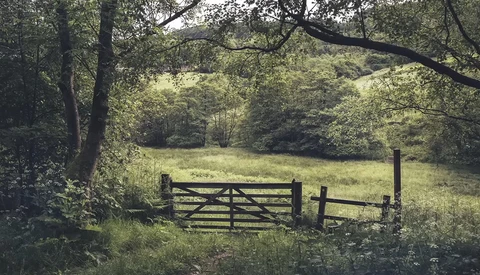
The Simple Step to Better Photo Consistency
Ensuring your images look the way you intend on any screen is a challenge you may not often think about, but it’s critical for presenting your work accurately. While you may put considerable effort into editing, adjusting colors, and fine-tuning contrast, the truth is, if your screen isn’t calibrated, your images may look entirely different to someone else.
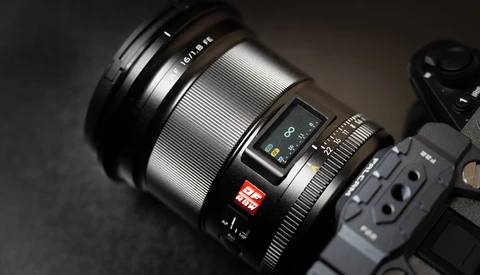
The Viltrox 16mm f/1.8: A Budget Ultra-Wide with Pro Performance?
When it comes to lenses, photographers who hear "ultra-wide" and "fast apertures" are usually bracing for an equally impressive price tag. The Viltrox 16mm f/1.8, however, seeks to deliver excellent optical quality and unique lens features at a reasonable price—in this review, I’ll see if Viltrox can execute a truly great ultra-wide prime.
Latest Gear Reviews


Active Contests
13
374
Enter your Best "Dark" or "Low-Key" images
Welcome to the April Critique the Community! For this contest/critique, we are doing another abstract theme that should allow more photographers to enter. For this month we want to see your most "dark" or "low key" photographs.
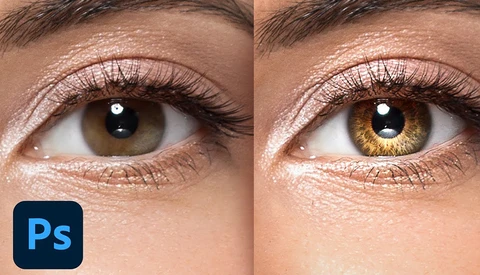
How to Add Depth and Detail to Eyes in Photoshop
Eyes are often the focal point of a portrait, and enhancing them can take your images to a new level. With a few creative Photoshop techniques, you can add captivating detail and depth to the eyes, making them stand out without looking overdone.
Fstoppers Exclusives




Fujifilm GF 110mm f/2 Lens Review: Sharpness and Bokeh Master
The Fujifilm GF 110mm f/2 R LM WR lens is a premium portrait option with impressive specs designed for medium-format shooters looking to elevate their work. Known for its smooth bokeh and sharpness, it pairs well with Fujifilm’s GFX cameras, making it a popular choice among professionals who need quality and detail for large prints or high-end commercial work.
What Big Photography Gift Should Your Buy (Or Want) for the Holidays?
As the season of goodwill, giving, and receiving rapidly approaches, what do you buy an established photographer if you want to spend more? Here are some big presents for those photographers nearest to us, or ideas your loved ones might consider for you.
Trying Out The Sony 70-200mm f/4 G II for Product Photography
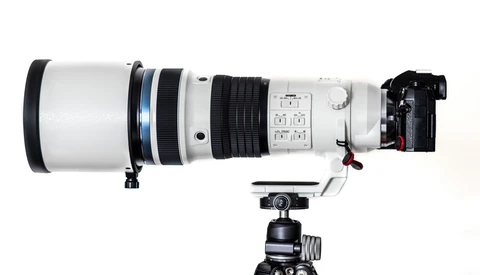
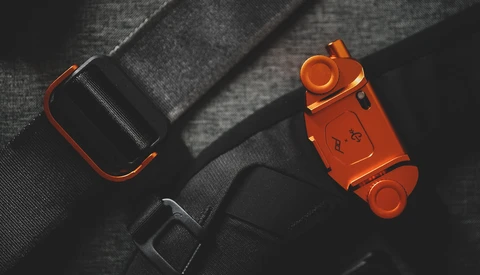
A telephoto lens might not be the first lens that comes to mind for photographing products, but this recent version of Sony’s 70-200mm offers it as an additional use case. Let’s see what it can actually do.
Photography Guidelines vs. Rules: What Really Matters
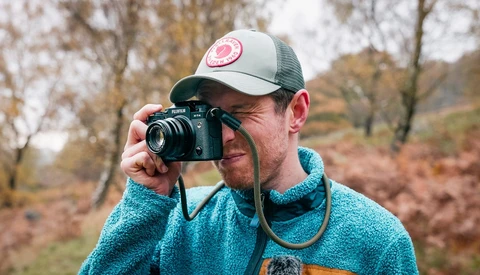
Photography is filled with “rules” designed to help you capture better images. From the rule of thirds to leading lines, these guidelines shape how many of us approach a scene. However, there’s one core principle that can drive every photograph you take.

Bringing Camera Gear on a Plane: What I Would Do Differently
Recently, I was flown out for the first time as a photographer, and this is everything I learned from the experience, as well as what I would change for next time.
The Canon EOS R5 Mark II: A Camera Built for Speed and Precision
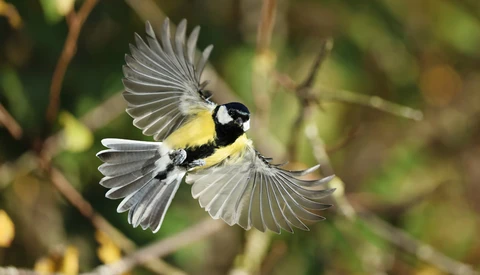
The upgraded model of the already popular Canon EOS R5 comes with several notable improvements that make it a compelling option for sports and event photography. With high-resolution capabilities and new autofocus features, the Canon EOS R5 Mark II promises to handle everything from action shots to detailed landscapes without missing a beat.
Samyang vs. Viltrox 135mm Lenses: Which Is Right for You?
135mm lenses are often near the top of the list of desirable portrait lenses. Two that stand out right now are the Samyang AF 135mm f/1.8 FE and the Viltrox AF 135mm f/1.8 LAB FE. Both have a lot to offer at competitive prices, but there are some notable differences between them.

Why Your Photography Website Isn’t Getting Traffic: 7 Key Elements to Doublecheck
Let’s walk through the top seven mistakes (because, let’s be honest, ten is too many, and five just feels lazy). Here’s the thing: your website is your storefront. It’s how people find you, decide if they like your work, and, ideally, hire you. But if it’s buried in search results, slow to load, or difficult to navigate, you might as well be taking those gorgeous photos and tossing them into the digital void. Whether you’re wondering why your site isn’t showing up on Google or why potential clients aren’t booking after visiting, this list will help you turn things around.
Don't Fall for the Lies That 'Real' Photographers Want to Tell You
The best thing about the internet is that there are so many sources of photography education out there. The worst thing about the internet is... that there are so many sources of photography education out there. So how do you sort facts from lies told so often that they’ve acquired the status of fact?
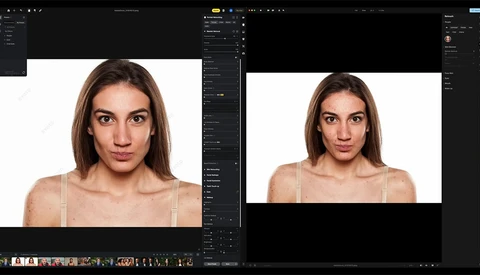
Battle of the AI Portrait Editors: Aperty vs. Evoto
While tools like Adobe Photoshop and Affinity Photo are great Swiss Army knives for photographers, sometimes a more specialized tool is called for. In this artificial intelligence-driven age, two new tools on the block, Aperty and Evoto, leverage this technology and aim it squarely at portrait photographers. Which one is better?
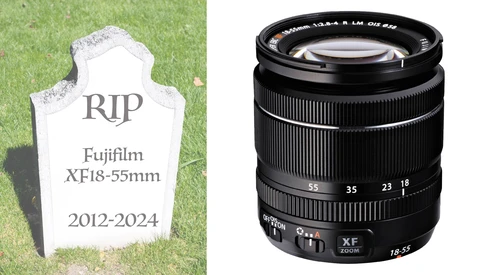
RIP the King of Kit Lenses: Fujifilm XF 18-55mm f/2.8-4 R LM OIS
The king of kit lenses is dead. Long live the Fujinon XF 18-55mm f/2.8-4 R LM OIS!

How to Use Selective Color Adjustments in Photoshop
Understanding how colors interact within an image can make a profound difference in how it’s perceived. Color adjustments can separate elements, guide the viewer’s focus, and even bring a certain “depth” to your photos.

Techniques for Creating Depth and Focus in Complex Landscape Scenes
Separation in an image can significantly change how viewers experience the photo. Whether you’re shooting portraits, landscapes, or intricate close-ups, using separation effectively can guide attention and set the mood.
Being a Professional Photographer Is About More Than Just The Pictures
Being a professional photographer is about more than just the exposure triangle.
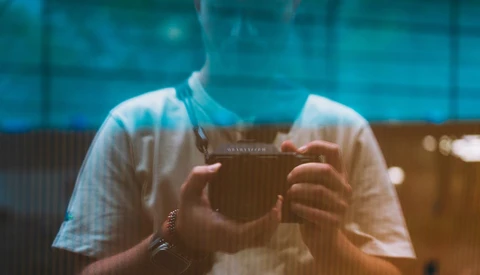
12 Signs You're a Better Photographer Than You Think
Self-doubt and imposter syndrome can plague even skilled photographers, making it difficult to recognize genuine progress in your craft. Understanding the key indicators of photographic growth helps you acknowledge your achievements and maintain momentum in your creative journey.

Headshot Photographers: AI Is About To Eat Your Lunch
A friend sent me an advertisement for AI-generated headshots recently, and I was surprised by how good the images looked. It got me thinking about the future of headshot photography.
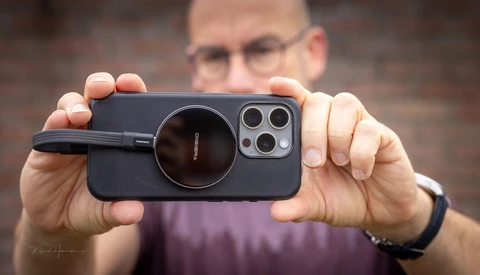
Review of the DigiEra LPS2000M Magnetic Portable Solid-State Drive for the iPhone
With the introduction of iPhone 15 and USB-C connectivity, it’s now possible to record video footage directly onto an external SSD. To support this, DigiEra introduced a compact, lightweight SSD that is MagSafe compatible. DigiEra provided me with a black 1TB version for review.
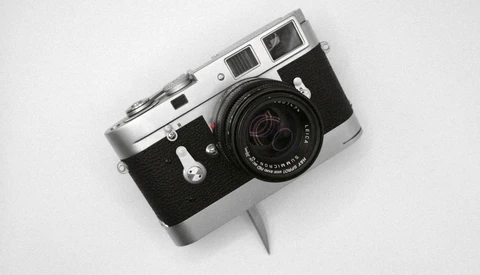
KEKS Announces New Leica Rapid Advance
Several days ago, KEKS—a company you most likely know from their line of hot-shoe mounted light meters—announced their release of the new KEKS Rapid-Winder for classic Leica bodies. Designed to fit the M1, M2, M3, and classic MP, this accessory is a recreation of the original Leicavit MP and is designed around the same internal structure and materials.
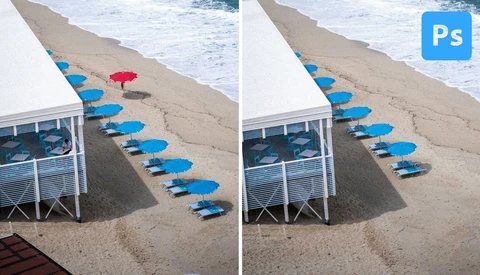
Mastering Photoshop’s Clone Stamp, Healing Brush, and Generative Fill
When it comes to cleaning up images in Photoshop, understanding the best tools for the job is essential. You might think AI tools are the obvious choice, but the classic Clone Stamp and Healing Brush tools can sometimes be more effective. These older methods are reliable, and knowing when to use each can save time and give you more control over your editing.
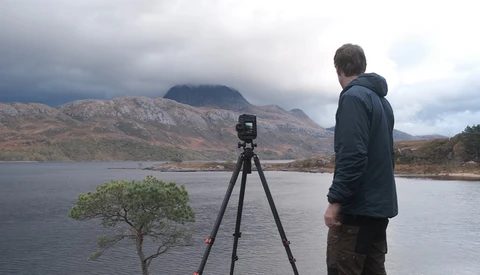
Mastering Landscape Photography Challenges
Landscape photography often comes with challenges that aren’t always apparent until you’re in the field, and knowing how to handle them can make all the difference in your shots.
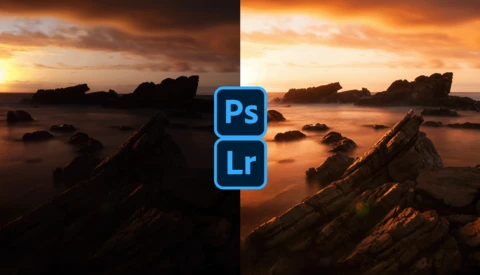
The Secret Lightroom and Photoshop Workflow You Need to Know
When editing landscape photographs, there are many ways to get from point A to point B. In this tutorial, we'll cover using Adobe Camera Raw to get the most out of your raw files.
Can You Mix Full Frame and Crop Lenses? Here’s How It Works
Using a full frame lens on a crop sensor camera—or the other way around—has its quirks, especially when it comes to field of view, resolution, and camera settings. Understanding these factors can help you make better lens choices for your camera setup, giving you more control over your shots.