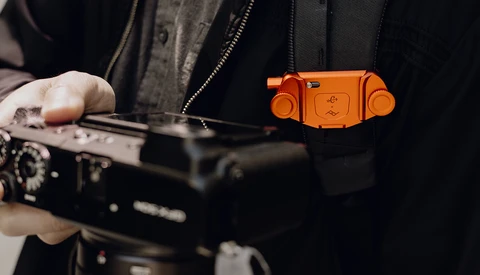
Hands On With the Peak Design X Carryology Collaboration
Peak Design, known for their straps, bags, and carry accessories, has partnered with Carryology, releasing special editions of their popular products. I was sent a few of these, so consider this a hands-on first look at them.
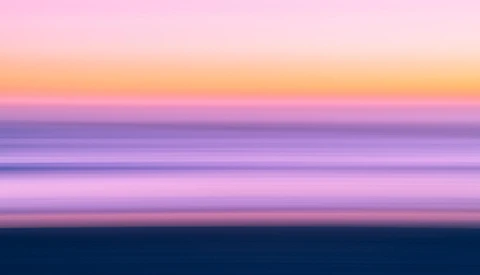
Eight Steps To Capture Motion Blur Seascapes
If you’re looking for a new, creative way to shoot landscapes, this may be the video for you. Tom Woods' video might inspire you to capture your own motion-blur seascapes or use this technique for another creative landscape scene.
Latest Gear Reviews


Active Contests
13
373
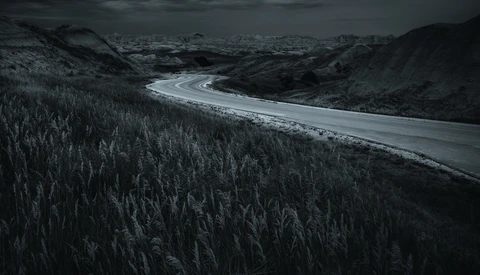
Enter your Best "Dark" or "Low-Key" images
Welcome to the April Critique the Community! For this contest/critique, we are doing another abstract theme that should allow more photographers to enter. For this month we want to see your most "dark" or "low key" photographs.

Why Titanic Still Captivates Audiences Over 25 Years Later
James Cameron’s "Titanic" had a production journey nearly as epic as the historical event it portrayed. With a staggering budget of $200 million—equivalent to the original ship’s cost after inflation—the film was a huge risk. Hollywood was skeptical, anticipating Titanic to be a financial disaster. Yet, Cameron’s commitment to recreating the real-life tragedy down to the smallest detail changed everything, turning what could have been a box office iceberg into one of cinema’s most successful ventures.
Fstoppers Exclusives






3 Reasons Why Organizing Your Photo Archives Is Essential
You’ve poured your blood, sweat, and tears into your art. Now, it’s time to make sure it is preserved.
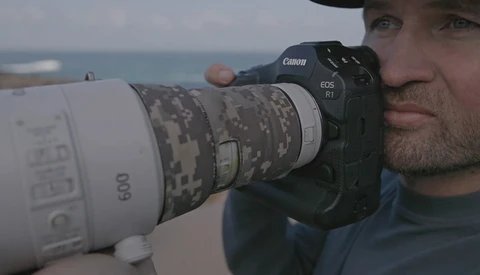
Canon EOS R1: Is This the Ultimate Camera?
When you’re shooting fast-paced wildlife or demanding sports, the right camera can make all the difference. Canon’s new EOS R1 aims to be that difference, equipped to handle action photography, where timing, speed, and image quality are key.
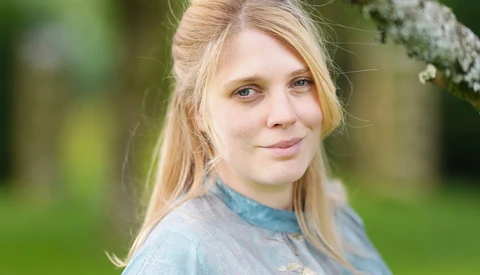
Viltrox 135mm f/1.8 LAB Review: A Powerful Portrait Lens That Challenges Sony
The new Viltrox 135mm f/1.8 LAB lens shines, offering impressive capabilities for those looking to elevate their portrait work with a professional touch, and it does so at a remarkably affordable cost.
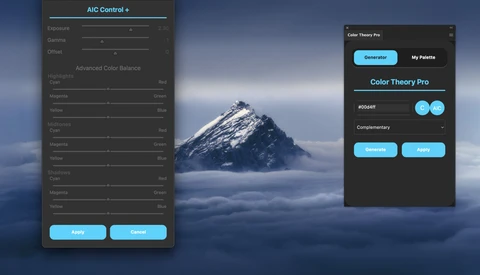
Color Theory Pro Will Help You Manage Color Like a Pro
Managing colors is one of the most important things photographers need to get right. It’s true for portrait, landscape, and wedding photographers—all of us. And there are a lot of approaches to getting the color right.

We Review the M4 MacBook Pro: Real-World Power, Practical Refinements
The latest M4 MacBook Pro marks another substantial upgrade in Apple’s pro laptop lineup, bringing a blend of powerful performance and practical new features. I've used it over the past week, and here are my thoughts.
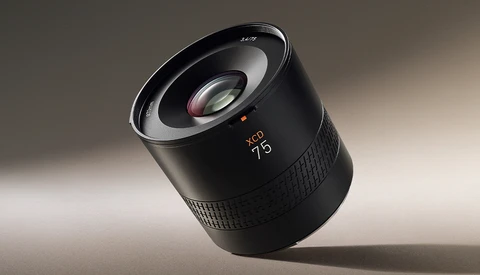
Hasselblad Expands XCD Portable Lens Series With XCD 3.4/75P
Hasselblad has unveiled the XCD 3.4/75P, a new addition to its XCD Portable (P) lens series, designed for versatility in portrait, street, and still-life photography. This lens introduces a standard focal length to the XCD P lineup, providing a 59mm equivalent focal length on full frame, while maintaining portability and high optical quality.
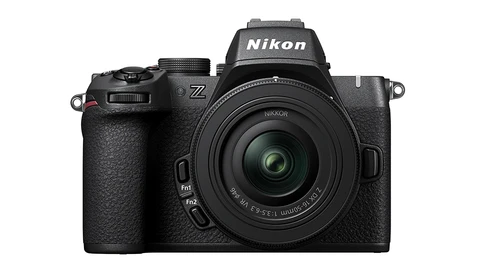
Nikon Announces Z 50II Mirrorless Camera
Today, Nikon has announced the next generation of its DX line of cameras with the new Nikon Z 50II.
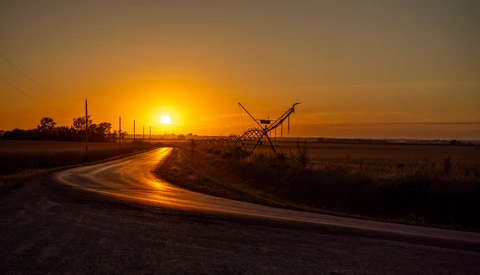
The Art of Intention: Transforming Pictures into Photographs
Is there a difference between a photograph and a picture? In my mind, yes! A picture is a snapshot documenting a person, place, thing, or moment without intention. A photograph is created with intention, process, and technique.

Is the TTArtisan 75mm f/1.5 Worth the Hype?
Using unique lenses can add artistic flair to your shots, and the TTArtisan 75mm f/1.5 Swirly Bokeh lens is one of those options, offering a distinctive, swirling bokeh effect. This lens, designed for full frame mirrorless cameras, doesn’t prioritize sharpness but instead provides an out-of-focus background with a swirling, almost dreamlike quality that can add depth and style to certain images.
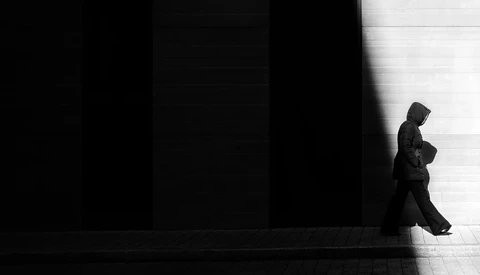
How to Simplify Your Photos Using Negative Space
Negative space involves large areas of emptiness that direct attention to the focal point of an image, creating a sense of simplicity and depth. This technique can add balance to a composition, enhance its mood, and simplify otherwise cluttered scenes. It’s especially effective in high-contrast environments where shadows and light can be used to sculpt the frame.
In an Instant World, Why Camera Stores Are Built to Last
Remember the smell of film rolls and the feel of manual focus?
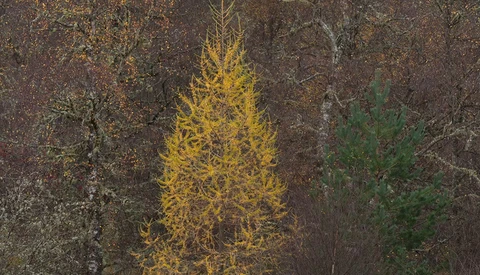
5 Tips for Capturing Stunning Forest Scenes
Photographing forests isn’t always straightforward. It’s easy to feel overwhelmed by the dense trees, tangled branches, and layers of textures that can make it difficult to find a clear shot. The forest can seem chaotic, but with a few simple techniques, you can transform a seemingly complex scene into a captivating photograph.
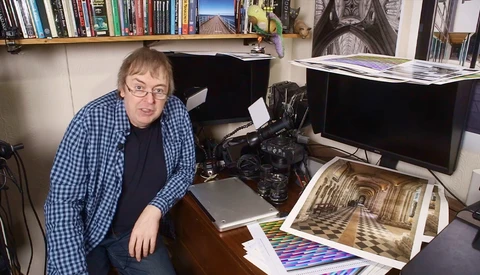
Why a Single Workflow Doesn’t Fit All Photography
Choosing a photography workflow isn’t about following a set formula. Each step you take—from picking up the camera to final editing—is part of a sequence that can shift depending on your style, subject, and even personal preferences. There’s no “correct” way to approach it, so flexibility is key.
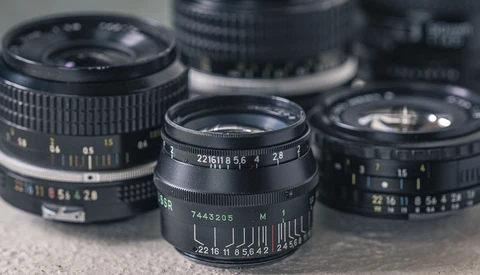
The Joy of Using Vintage Lenses on Modern Cameras
Modern lenses are perfectly sharp and crisp. But perfection is overrated and can be rather boring. I have a solution to add some character back into my photography and videos.
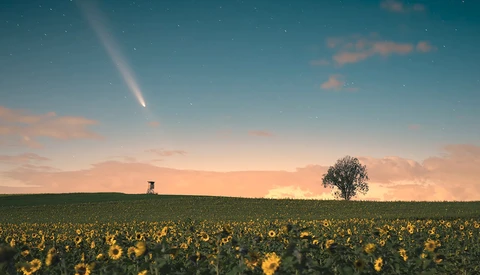
Using Lightroom to Restore Vibrant Colors in Night Photography
When shooting landscapes after sunset, colors often fade, leaving your image looking a little flat and lifeless. But with the right editing techniques, you can bring back some of that warm, vibrant glow, creating a visually compelling result.
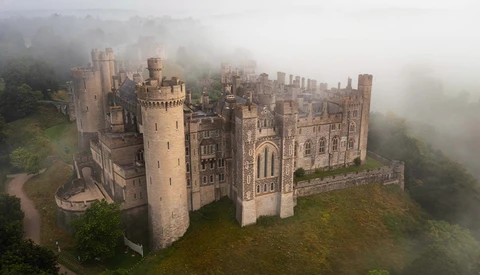
Photography When Conditions Aren’t Right
Foggy mornings and moody atmospheres can add a surreal quality to your landscape shots, but capturing the perfect image isn’t always easy. Sometimes, you have to keep returning to the same spot, waiting for the right conditions. And when you’re determined to get that postcard-worthy shot, persistence becomes just as important as your technical skills.
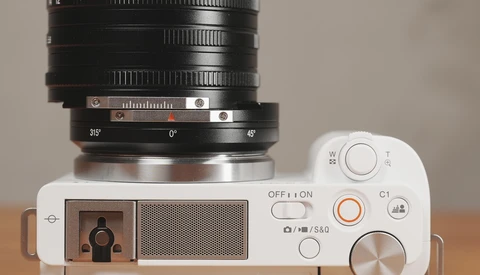
The First of Its Kind: Laowa 12-24mm f/5.6 Zoom Shift Lens Initial Review
Shift lenses, or tilt-shift lenses, are pretty rare across all brands and seem to be quite an engineering challenge. Most of us thought that their ability to zoom was impossible, but Laowa seems to have proven otherwise.
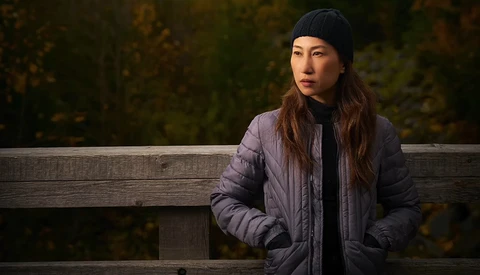
How to Capture Stunning Portraits on Cloudy Days
When it’s cloudy, you might think it’s the worst time to take portraits. The light is often flat, and contrast is missing, but those clouds are actually providing you with a soft, even light that’s ideal for bringing out natural skin tones. This approach can open up new creative possibilities when you learn how to make the most of that natural light.
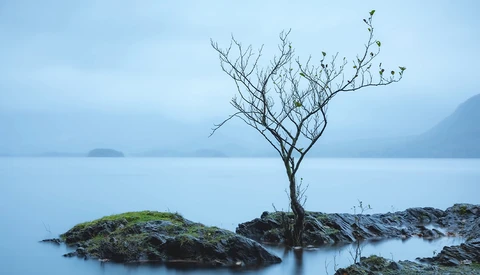
Why Leaving Social Media Improved This Photographer's Work
Social media can be a double-edged sword, especially when it comes to sharing your creative work. Posting your photos online may help build an audience and gain exposure, but the impact on creativity and mental well-being can be surprisingly negative. Lately, some creatives are rethinking their approach to social media, looking for alternatives that don’t rely on addictive algorithms or compromise ownership of their work.
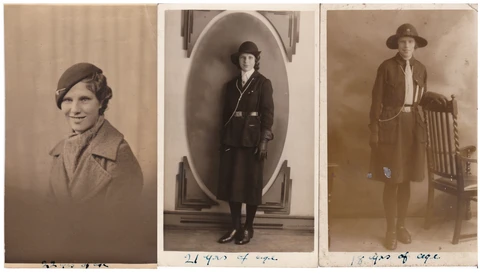
The Family Archive is Dying: Protect Your Family Photographs Now
Access to photography has never been greater, yet now the risk of the family archive dying out has never been more of an issue. This article explains why the digital age has put the family archive in danger, and what we, as photographers, can do about this.
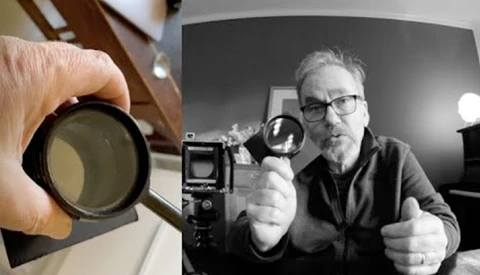
This Photographer Built His Own Lens and The Results Are Gorgeous
Creating your own DIY lens for photography can be both simple and surprisingly effective. With just a few materials—some drainage pipe, magnifying glasses, and a little ingenuity—you can build a lens that opens up new creative possibilities. The idea here isn’t about high-end equipment but rather about experimenting, learning, and having fun with a setup that’s low-cost and custom-made.
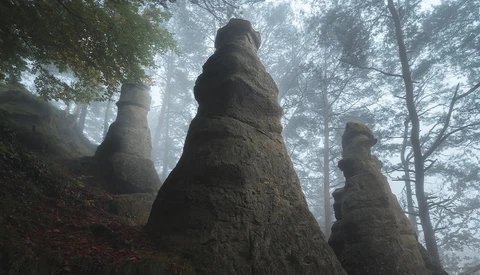
Using Lightroom to Transform Flat Images
Using masking techniques in Adobe Lightroom, you can guide the viewer’s eye and create a dynamic feel that makes a photo stand out. This tutorial dives into how to enhance depth and contrast in your images, transforming a flat-looking shot into one that feels alive and immersive.