Let’s discuss the challenges of achieving the correct camera exposure and gain insights from professional photographer Mark Dumbelton on metering modes and exposure compensation techniques. By understanding how cameras interpret light—especially in wildlife photography—you can achieve an exposure that preserves the details of crucial elements in a scene.
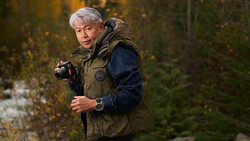
Getting the correct exposure in a camera can be a significant challenge for many photographers, and even professionals are not exempt from this struggle from time to time, despite understanding the exposure triangle. In this video, Mark Dumbelton, a professional wildlife and landscape photographer from South Africa, shares valuable insights on how cameras interpret light and the challenges that arise from this process.
Mark begins by helping viewers understand metering modes and how cameras calculate exposure. A camera is designed to analyze the brightness of a scene and average it out, depending on the metering mode, rendering everything as a neutral 18% gray. When a scene is predominantly bright (the examples in the video are worth looking at to better understand this issue), the camera's attempt to average it to gray results in the image being underexposed. When a scene is predominantly dark, the camera's attempt to average it to gray results in the image being overexposed.
The video discusses the exposure compensation settings available in the camera as a solution to this problem. It explains the concepts of positive and negative exposure compensation and provides six examples to illustrate how to use this option effectively. Mark offers practical tips while demonstrating exposure compensation in action, making this video valuable for anyone looking to understand the practical techniques used by professional photographers. This technique is particularly important in wildlife photography, where there is often little time to adjust settings without missing critical moments. Watch the full video with examples and learn from the master himself.

Join the Fstoppers community for free
-
Post comments and join in the discussions
-
Browse the site ad-free
-
Share your work and get featured in the community
-
Compete in the photo contests for fun and prizes
No comments yet