
Learn How to Shoot This Neat Vintage Style Photo
Go behind the scenes of this awesome image and learn how to create it yourself, from lighting all the way through post-processing.
Below are the most bookmarked articles by our members.
Go behind the scenes of this awesome image and learn how to create it yourself, from lighting all the way through post-processing.
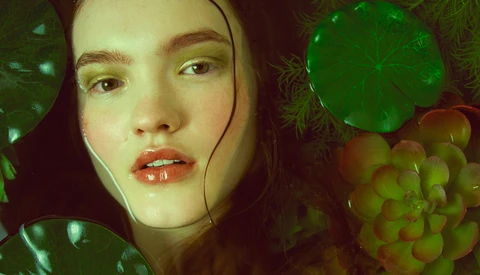
Sometimes shooting on location, or even finding the ideal location, can be so difficult that a photographer has to rely on their own ingenuity to bring their vision to life. Here is how I turned my tiny bathtub into a forest pond for a magical shoot, with some tips on how you can do the same thing.
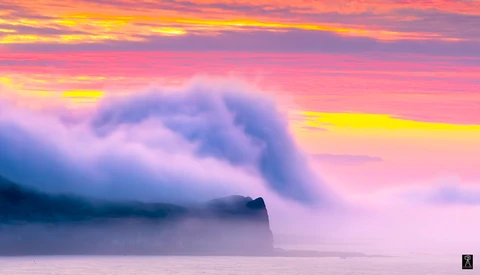
Every genre of photography comes with its own common problems, and landscape photography is no different. This great video examines three of the most common problems landscape photographers face and how you can overcome them.
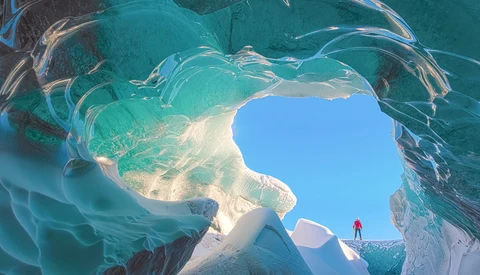
Landscape photography can be a tricky genre that requires a lot of patience and nuance. This great video details seven common mistakes landscape photographers make and how to fix them.
Are you looking for a new flash and intrigued by the Profoto A1? Maybe you’ve seen the internet rumblings about Godox’s V1 light and the alleged backdoor drama between the two lighting companies and wondered if this new light beats the top priced flash? Which round flash is the best bang for the buck and should you switch or stick with your square flash?
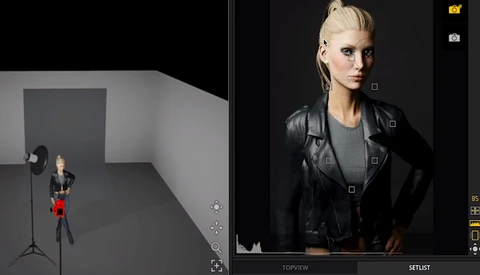
There are several different ways to light your subject in portrait photography. You probably have heard the different terms or styles of lighting and have seen them before, but do you know the difference between broad light and short light?
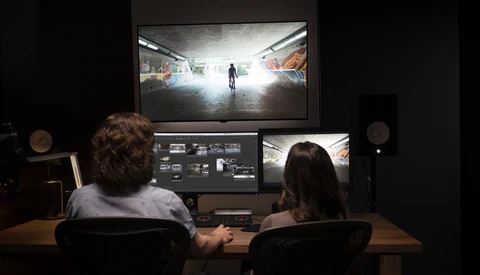
Adobe introduced a number of software updates ahead of the 2019 NAB Show. After taking some time to check out the updates and speak with the members of the team, I’m excited to see the future of Adobe’s video production tools.
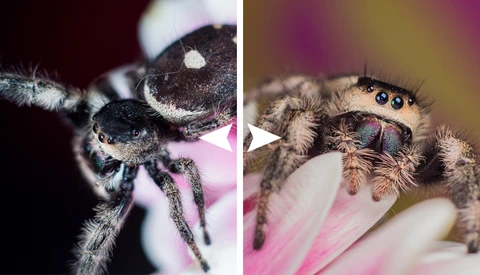
The world of macro photography can look complicated to a beginner but it’s really not and in these five tips for better macro photography I’ll show you how you can improve your macro photography.
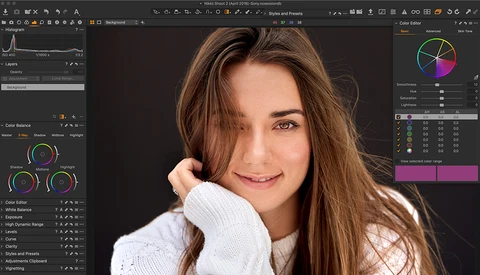
Capture One is multi-faceted image processing and asset management software. As a raw processor, it is considered the gold standard, supporting over 500+ cameras, and with it comes a uniquely powerful toolset for developing, color grading, and tethering. But that is just the tip of the technological iceberg that is Capture One. With a focus on user experience, its mountain of capability and complexity is hidden under a veneer of simplicity so as to make working with your images fast, focused, and easy.
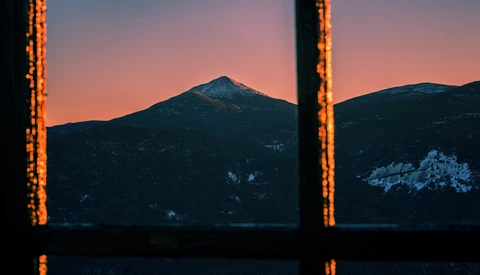
Why would you want to simplify your landscape compositions? And once you're convinced, how do you start?
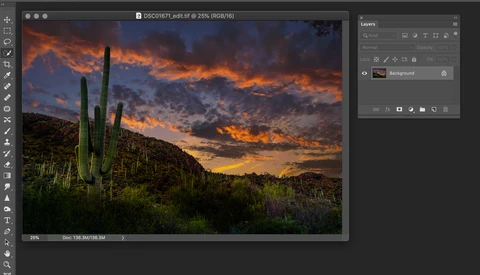
Late last month I did a post on my ongoing problems with Adobe and the Creative Cloud software and apps. I sometimes find Photoshop unreliable, as well as Bridge. I've also had numerous crashes with the Creative Cloud app too. There were a lot of good comments on my piece, and I also attracted some of the good folks at Adobe who were anxious to weigh in on my experience, which I welcomed.
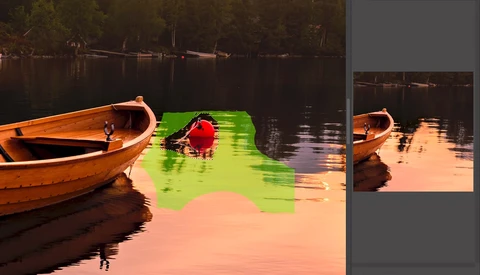
Are you stuck in your old ways with Adobe Photoshop? Me too. However, the newly updated Content-Aware Fill tool may be enough to break habits of slow clone stamp methods.

Depth of Field, or a lack thereof, has become a buzzword of sorts in photography circles. Many times the term is used as a blanket nomenclature to cover anything to do with how much or little of a subject is in focus. What we often fail to consider is why. Why are we choosing to use as much or as little depth as we do? It's time to look past aesthetics and really think about depth of field in relation to our subjects.
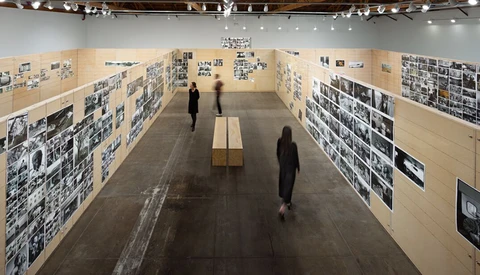
A quick trip into downtown Los Angeles allowed me a closer look at one of my photographic heroes.

Many photographers dream of making money by shooting stock or perhaps generating a passive income as a result of photos that you would have shot anyway. But how realistic is it to make money from uploading your images to stock libraries? A photographer with three years of experience gives a very honest verdict.
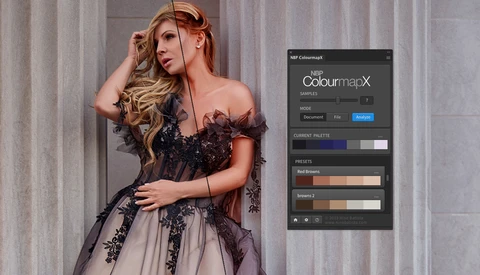
Changing the overall color tones in your image can be very powerful. You can drastically change the emotions or the vision of the shot by simply color grading the image. If you are not exactly sure on how to create your own gradient maps, this might be the perfect tool for you.
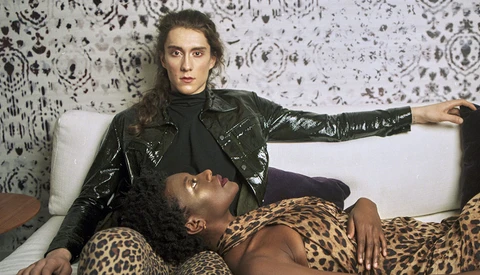
I love shooting film, it's not always the best choice, but the idea that I am forced to slow down and really be sure I like my frame before I hit the shutter overall makes me shoot more efficiently, reduce the amount of culling at the end of the shoot (which is my least favorite part of any photoshoot to be honest), and with shooting with 6x7 I can get a very specific look that is hard to replicate with smaller sensors, for better and worse.

Have you ever thought what post-processing is involved behind the car images you see in the ads? An interview with founder and CEO of "Curve Digital" Nick Limb lifts up the curtain behind their workflow.
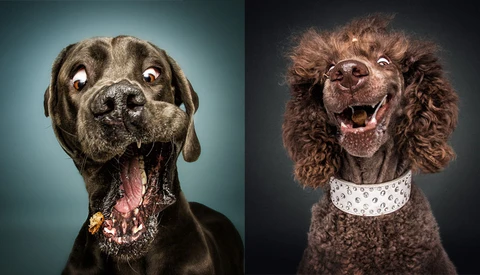
One photographer is drawing attention online for his new photo series, which captures portraits of dogs while they’re in the middle of catching treats.
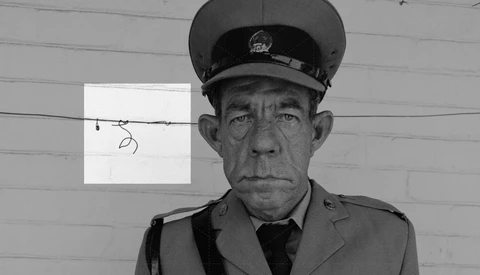
I personally want to learn. I want to learn how other creatives think and I want to draw upon their experience. I loved this video and you can pull so much out of it despite the photographs being kinda ugly. Everyone taking photos are photographers but are they artists? That is a whole other question. Here are seven thoughts to help you become an artist.

Plans are good. Most of us live by plans, and we like things to go as planned. But sometimes just showing up and going with the flow can yield immense rewards for photographers. There is nothing wrong with wanting to know what to expect so you can plan appropriately, but sometimes we just need to let go. Here are a couple of examples of some amazing moments I would have missed if I had stuck to plans and took shelter in my comfort zone.
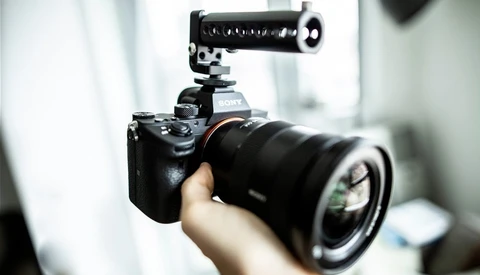
Entry level DSLRs and smaller format cameras don’t do a great job when trying to achieve footage with a cinematic feel, but with these tips, you can add an extra touch to your filmmaking. All of the advice is either incredibly practical in terms of how you shoot, or requires a very low level of investment. If you’re new to shooting video, be sure to check out this list.
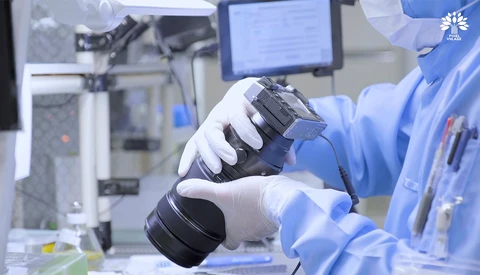
Get an eye-opening look at the Fujifilm factory in this new video.
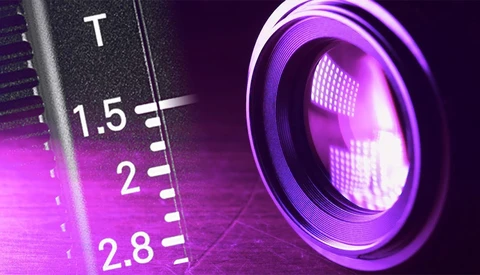
You may have heard of t-stops before, but what exactly are they and why do only some lenses use them?
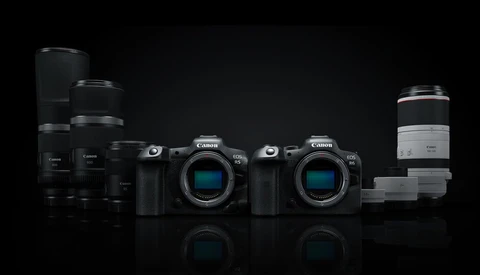
The photography news channels have been awash with announcements from Canon over the past few weeks and rightly so as it had a lot to talk about with the release of two new mirrorless cameras. But has it got its mirrorless development strategy wrong?