Most Bookmarked Articles

Below are the most bookmarked articles by our members.

Log in or register to add your own bookmarks.

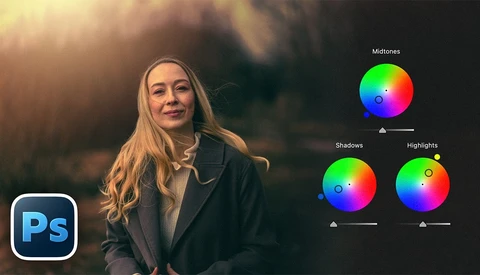
The Two-Step Method for Making Any Photo Pop in Photoshop

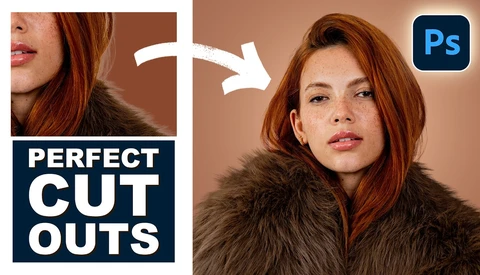
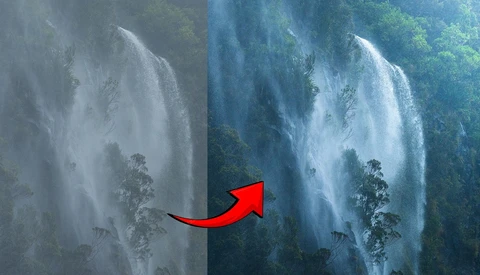
Photoshop's Camera Raw filter is genuinely one of the most underused tools for color grading, and most people treat it like a raw file converter rather than a full editing engine. If you've been doing your color work purely in curves or Hue/Saturation, you're leaving a lot of control on the table.

Why Consistent Street Photographers Beat Talented Ones

Street photography is genuinely hard, and most people don't tell you that upfront. Mike Chudley spent a year producing work that looked fine on Instagram but left him personally unsatisfied, and that tension between taste and ability is something most people never stop to examine.

16 Years of Shooting Film: What Actually Changed and What Got Worse

Film photography cost less, took longer, and had far fewer options in 2010 than it does today. Els Vanopstal has been shooting film since that year, and the contrast between then and now covers everything from what you pay per roll to how you get your negatives back.

Bracketing Explained: Exposure, Focus, and White Balance

Most photographers meet bracketing exactly once, in a tutorial about high dynamic range landscapes, and walk away thinking it means "shoot three exposures and merge them." That is one kind of bracketing. There may be two more sitting in your camera's menu right now, and most people never touch them.

What Happens When You Shoot Landscapes at f/1.2

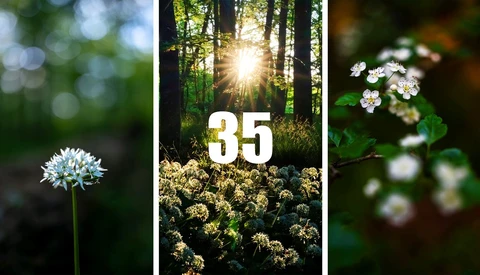
The Viltrox 35mm f/1.2 is built for portraits and low light, but Mads Peter Iversen took it into the forest for landscape work to see how far it can stretch. That tension between a wide-open prime and a genre that typically demands stopped-down sharpness makes for a genuinely interesting test.

Photographers Will Be Impressed With the New Photo Features in iOS 27

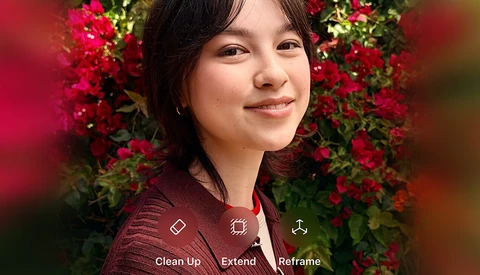
After some false starts, Apple has gone all out for the upcoming iOS 27, due this fall. There's a greatly improved Siri, based on Google's Gemini, and a host of AI features. Our readers will be most interested in the new photo-taking and editing features in iOS 27, and I was able to download the developer beta for a quick look around. 

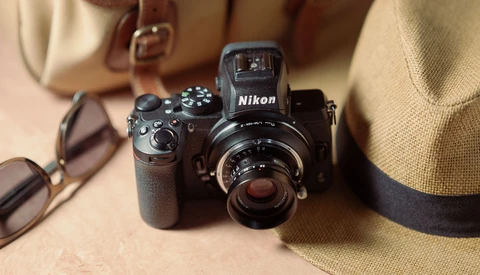
Small APS-C Cameras, Big Results: Travel Photography Kits That Don’t Weigh You Down

I was in Bilbao earlier this year, and a photographer appeared from around a narrow backstreet with a massive backpack and a huge full frame camera and zoom lens hanging from his neck. He carefully took the obviously heavy pack off and placed it on a chair outside a cafe. The relief on his face, to take a break from lugging all that weight around, was telling.

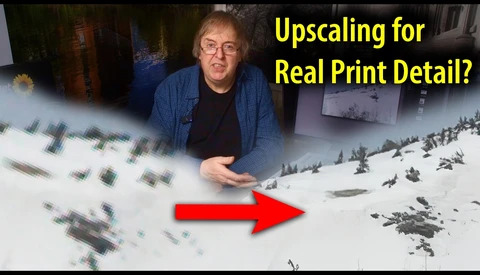
AI Upscaling for Fine Art Prints: Where It Works and Where It Falls Apart

Printing from an 11-megapixel file in 2025 sounds like a recipe for soft, pixelated results, but modern AI upscaling has changed what's actually possible. The gap between what a low-resolution file contains and what you can put on a large print is now much smaller than it used to be.

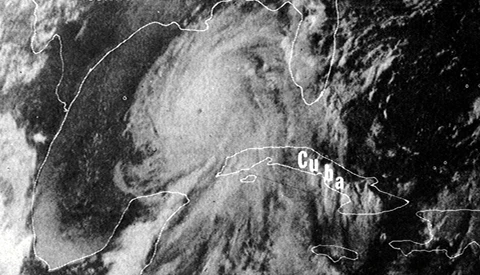
Everyone Assumes the First Weather Satellites Used Film. The Real Story Is Far Stranger.

When Hurricane Camille filled the Gulf of Mexico in August 1969, satellites watched it the entire way in. The storm came ashore on the Mississippi coast as a Category 5 with sustained winds of 175 mph and a storm surge of more than 24 feet, and it killed more than 250 people. It would have killed many more if forecasters had not seen it coming from space. The Weather Bureau later estimated that the warnings and evacuations enabled by modern tracking and forecasting may have saved as many as 50,000 lives.

Street Photography Tips for Casual Shooters

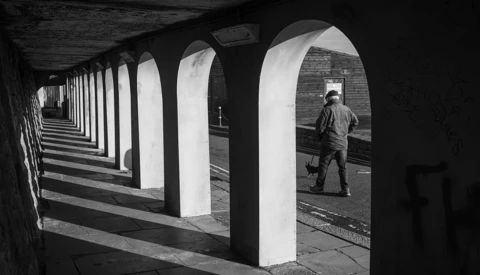
Street photography is one of the hardest genres to stay sharp at if you only do it occasionally. Rust sets in fast, and when you're dropped into a busy city with a camera, the gap between what you see and what you capture can feel enormous.

Stop Squinting: How to Fix macOS’s Tiny Upload Window Icons

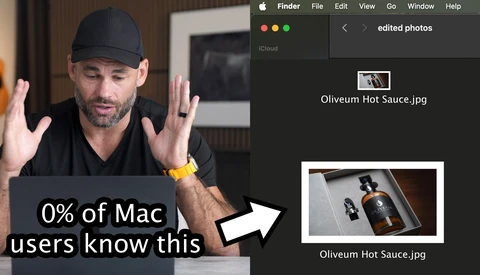
If you use a Mac, you’ve probably hit this infuriating UI quirk: when you click "Upload," the macOS file picker displays microscopic thumbnails. Unlike a normal Finder window, there’s no slider to scale them up. Fortunately, there’s a permanent, 30-second fix. We just have to bypass the UI and tell macOS exactly what we want using Terminal.

Why Your Landscape Edits Look Flat

Flat-looking landscape edits are one of the most common complaints, and the fix is simpler than most tutorials make it out to be. The problem usually isn't exposure or color: it's tonal range, and specifically how it's distributed across the frame.

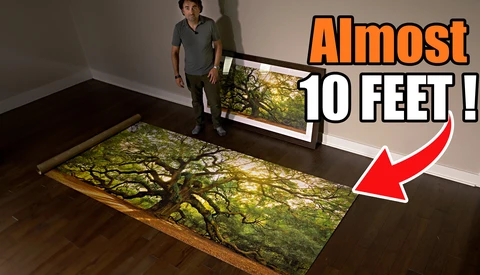
I Printed a 10 Foot Image and It Was Almost TOO Big

Printing a photo that's nearly 10 feet wide sounds excessive, but I wanted something that would completely transform my space. What started as a simple landscape shoot quickly turned into the largest (and most rewarding) print I've ever created.

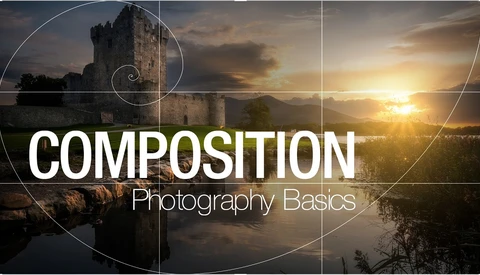
The Composition Technique That Instantly Improves Photos

If you find your photos flat, two-dimensional, maybe lacking impact and interest—there's one technique I use that can change that. It will guarantee to get you much more interesting and pleasing results. And that's sub-framing: creating a frame within a frame. Why is this so good? Well, it creates depth and interest. For those of you who are frustrated with your travel photography and feel it's boring and same-ol'-same-ol', this technique will take photos from tourist snaps to strong images.

Before Cartier-Bresson, There Was André Kertész

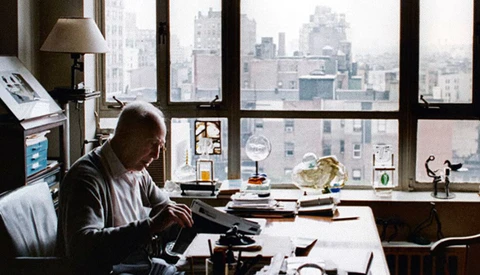
Long before many of the photographers we now refer to as masters of the art of photography, André Kertész was quietly changing what photography could be. Born in Hungary in 1894, Kertész wasn't chasing the spectacle or the drama. He found meaning in ordinary moments such as a shadow stretching across a wall, a lone figure crossing a courtyard, a fork resting on a plate, sunlight pouring through a window. He understood something that still resonates today: that a photograph doesn't need a grand subject to carry emotional impact.