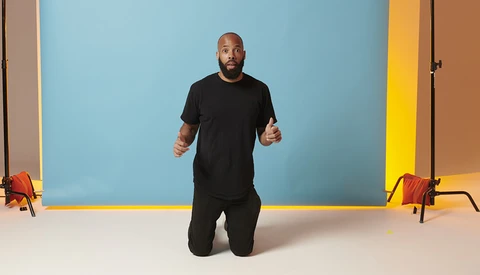
The Gifts Photography Has Given Me
Today, I’d like to take a moment to focus on what has really mattered in my life as a photographer.
Today, I’d like to take a moment to focus on what has really mattered in my life as a photographer.

Your sister needs engagement photos. Your college roommate is getting married. Your neighbor wants family portraits. They all know you're a photographer, and they all expect the "friends and family discount." It feels natural to help the people you care about, especially when you have a skill they need. So you cut your rates in half, or maybe shoot for free, thinking you're being generous and strengthening relationships.
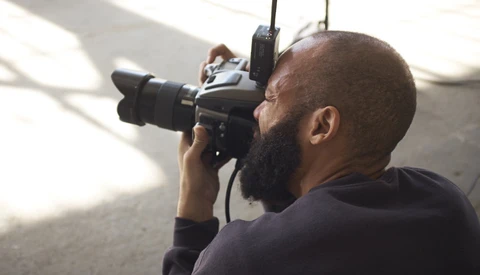
Today, I’d like to share three simple rules for success in art and in life that have helped me through both the ups and the downs.

Alison Conklin is a Fujifilm creator who has spent more than two decades capturing emotional, candid imagery for weddings, engagements, families, and editorial clients including Martha Stewart Weddings, The Knot, and Brides. She tells us what gear is indispensable, what she learned from Linda McCartney, and why instinct tops technical skill.
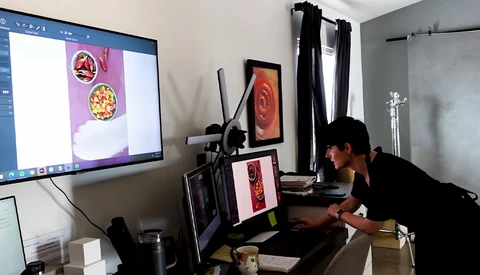
If you feel like administrative tasks take more time than actually taking photos, it’s probably because your workflow needs a revamp. A clear, efficient workflow is key to making your photography business sustainable and enjoyable.
Today, I’d like to share a personal story which some of you out there may just be able to relate to.
Developing your photography style isn't something that has to happen passively over years—it can and should be intentionally shaped. A well-defined style quickly communicates your value, attracting clients who genuinely appreciate your creative vision rather than just your pricing.
If you’ve been following along, you’ve probably started noticing something funny: SEO isn’t actually about being clever. It’s never been about outsmarting the search engines—it’s about being clear. You’ve started naming and uploading your images with intention. You’ve updated your homepage to say what you actually do. You’ve stopped tossing overused keywords into the void and started speaking your clients’ language. Google is beginning to understand you. And maybe, just maybe, so are your ideal clients.

By now, you’ve started making peace with the idea that your gorgeous photography isn’t enough on its own. You’ve added a clear intro to your homepage. You’ve started naming your images like an adult. You’ve even braved the back end of your site to fiddle with some alt text. That’s huge—give yourself a high five. Now let’s crank it up a notch.
Every photographer faces a point where unpaid opportunities come knocking, but knowing the difference between helpful experience and wasted effort is key. Making smart choices about unpaid work early in your photography career could set the stage for lasting success—or stall your growth entirely.
You’ve got the camera. You’ve got the talent. You even have a slick little website that screams “I take this seriously.” So why does it feel like you’re shouting into the void? Spoiler: it’s not your work, it’s your SEO (or, more accurately, the lack of it).
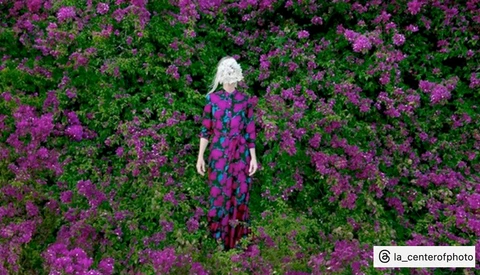
The business value of social media can’t be overstated, but not everyone wants to vamp in videos—the common path to stardom. Luckily, you don’t have to, says Janis McGavin, director of marketing and social media for the Los Angeles Center of Photography. “How do I know this?" she said. "I’ve done it.” She took the LACP’s following from zero to 18,000 followers (and growing) without appearing on camera. If you follow a few basic principles, you can expand your audience and your business without stepping in front of the camera (and even more if you do).
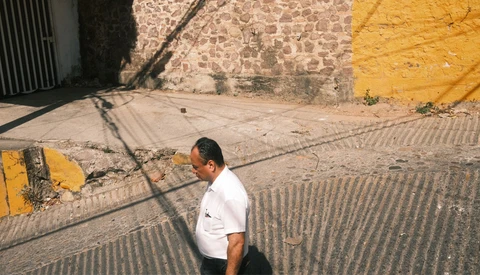
You don’t need a passport. You don’t need a model. And you sure as hell don’t need permission. What you do need is your camera and a little curiosity.
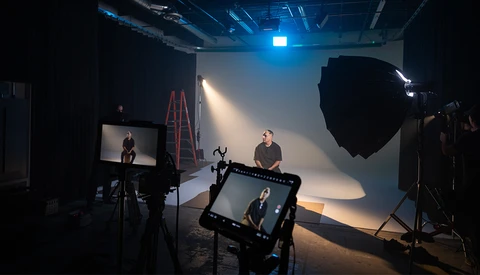
In the creative industry, having an agent is often seen as a hallmark of success. Many believe that securing an agent signifies reaching a higher level in one's career. However, the reality is more nuanced. Not all agents are created equal, and their roles have evolved. I've been with three agents, and here is my personal experience to help you navigate the agent game.

In today’s age of instant digital connectivity, photographers can showcase their work to prospective clients across the globe with just a few mouse clicks. While the allure of far-flung destinations and exotic travel remains strong, there is a growing trend toward turning the camera’s lens closer to home. Photographers are discovering the value of prioritizing “home turf”—that is, focusing on and mastering local markets. This approach is not just a quaint alternative; it can be the pillar of a robust and sustainable photography career.
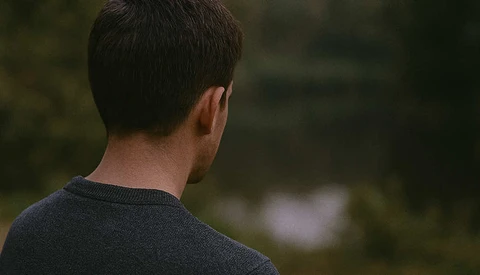
In a world that often celebrates bold and boisterous personalities, your quiet approach behind the lens can be a revolutionary strength. Here's how to thrive as an introverted photographer.
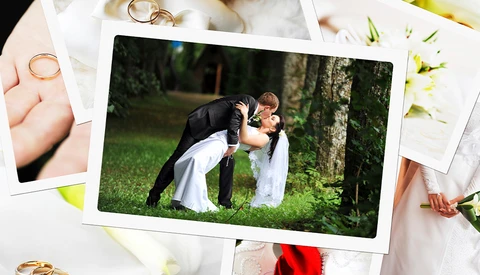
Pricing is a major sticking point for wedding photographers. It can easily turn into an obsession, overshadowing what genuinely matters in your photography business.
Facing financial instability as a photographer can carry significant stigma. There's a misconception that picking up a day job implies failure or inadequacy, but it's a conversation worth having.

Real estate photography demands precision because mistakes here don't just affect your immediate project—they shape the entire trajectory of your business. Missteps early on can derail your efforts to build trust and establish a strong professional foundation.
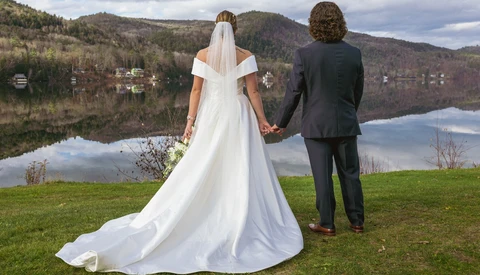
If you’re a photographer selling your services or your work, either full-time or even as a side hustle, there’s an active scam going around right now that you definitely need to be aware of. The good news is that it’s easy to protect yourself against it if you know how it works.
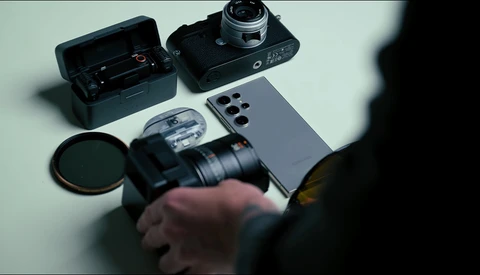
Starting a photography business isn't about just snapping great photos. It's about clearly defining what value you're delivering and who exactly benefits from that value.
Choosing the right photography specialization is more complex than picking something enjoyable or familiar. Getting it right can be the difference between making money and losing enthusiasm quickly.
Today, I’d like to share a bit about my own photo journey. Whether you are at the very beginning or nearing the end of your own, I’m guessing you’ll find a few similarities.
Mastering the technical side of photography is easy. Learning how to expose an image, use lighting, and compose a shot is all just mechanics. You can study the inverse square law, diffraction, and the rule of thirds, but none of that will make you stand out. The difference between a technically proficient photographer and a great one is not something you can learn from a tutorial.

There are three pieces of really bad “pro advice” that have cropped up more than once on YouTube channels. We need to talk about this to help you avoid wasting time and losing money unnecessarily if you’re thinking about making a living from your camera.
Being a skilled photographer isn’t enough if no one sees your work. Talent alone won’t bring clients or make a living. If you want to turn photography into a business, you need marketing. Without it, even the best photos won’t generate income.

Some people believe that photographers who share industry secrets do so because they can’t make enough money from photography alone. The argument is that no one running a successful business would willingly give away valuable knowledge unless they needed another income stream. That assumption ignores the reality of how knowledge, competition, and creativity actually work in the industry.

Most people panic when business slows down, but this time of year is an opportunity, not a setback. A slow season gives you space to refine your strategy, attract better clients, and strengthen your brand. What you do now will determine how successful your next busy season will be.
Photography has changed, and if you’ve been in the industry for a while, you’ve probably felt it. Camera sales are down, social media dominates how images are consumed, and video is taking a bigger role in commercial work. If you’re wondering whether there’s still a place for you in photography, you’re not alone.
Making money with your camera isn’t just about taking great photos. It’s about getting clients, making connections, and understanding how to put yourself in the right place at the right time. If you want to turn photography into a full-time income instead of a side hustle, you need to know what works.
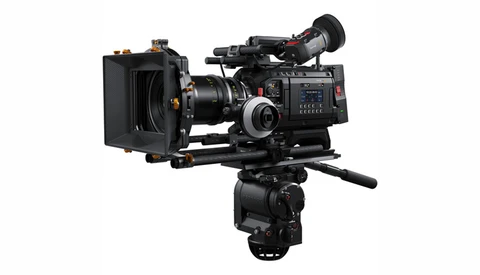
With the announcement of a new streamlined version of the Blackmagic URSA 12K LF camera for less than half the price of the kit version, Blackmagic Design has once again proven itself to be a company in touch with its customers' needs.
Running a photography business costs more than just a camera and a few lenses. The hidden expenses pile up fast, and if you’re not prepared, they can drain your budget before you realize what’s happening.

Just starting your photography or filmmaking journey and unsure how to spend your limited funds on limitless gear options? Today, I’ll offer eight simple steps to hopefully help you get the best bang for your buck.
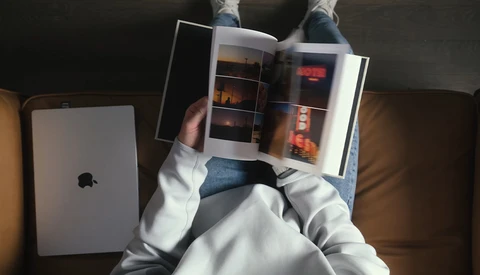
Making money with photography isn’t as simple as social media makes it seem. The reality is, whether you’re just starting or already running a business, turning creativity into income takes strategy. Finding ways to optimize how you earn—without relying on luck—can help you stay sustainable.
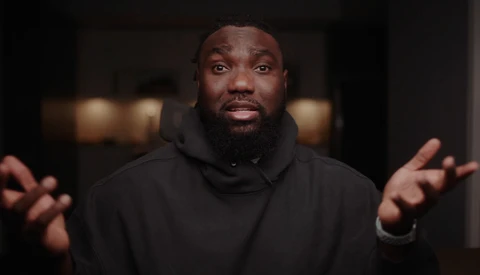
The photography industry has changed dramatically over the past decade, and 2025 has brought new challenges that many are struggling to overcome. With trends shifting, technology advancing, and the market becoming more competitive, it’s crucial to adapt to the evolving landscape if you want to stay ahead.
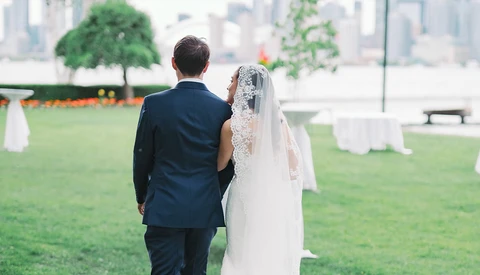
Running a successful wedding photography business requires constant evolution and reflection. Staying competitive means revisiting your work, refining your approach, and understanding your clients better.
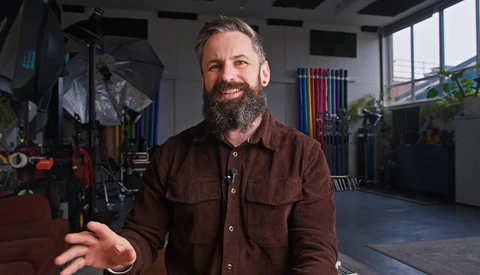
Understanding how to manage the business side of your creative career can make the difference between struggling and thriving. From finances to networking, mastering a few key principles can save you years of frustration and help you build a more sustainable career.

Building a successful creative business is about more than just technical skills. It requires adopting strategies that help you grow, adapt, and build meaningful connections in your field.
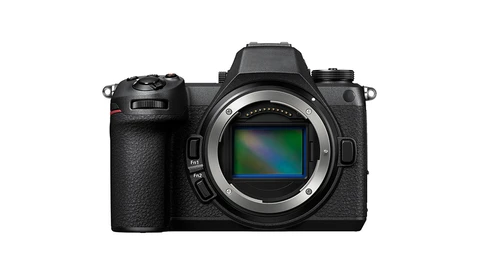
Today, I’d like to take you along on a little thought experiment. If I were to get into a magical de-aging machine and be placed in a position to restart my career all over again in 2025, which camera might I choose to take me into battle?
Hold on to your pocketbooks, photographers and creatives! HoneyBook’s latest price hike has everyone scrambling to recalculate their budgets. Starting February 4, the cost of HoneyBook’s Starter plan is set to increase by a whopping 89%!

The wedding industry is shifting, and it’s impacting how businesses book clients. Economic pressures like inflation have led couples to cut costs, making it essential for you to adapt your strategies. If your bookings are slowing down, small adjustments can make a big difference.
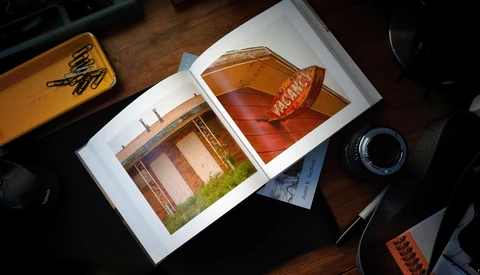
Photobooks are still strong in a digital world where nothing seems tangible, especially photographs. Whether you publish through a traditional publisher or self-publish, a photobook is a great way to take your photography to the next level and print your work.
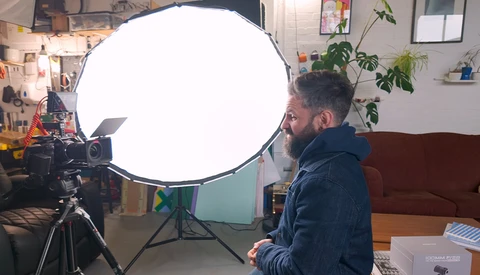
YouTube can be a fascinating but challenging platform for anyone looking to merge their passion for photography with content creation, as t he platform offers opportunities to showcase work, share knowledge, and even generate income. However, navigating finances, sponsorships, and audience expectations isn't as straightforward as it seems.
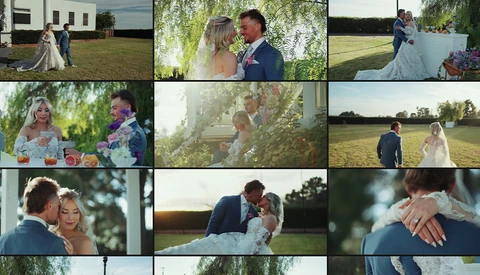
Stock footage can be an intriguing way to earn passive income if you’re a filmmaker or videographer. By uploading clips to the right platforms, you can create a steady revenue stream with minimal ongoing effort. Is it worth the initial effort, though?
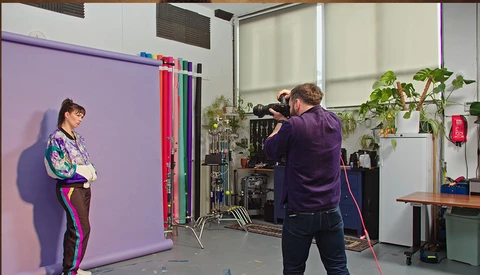
Knowing when to hand over raw files and when to keep them can be a critical factor in how you’re perceived professionally. It’s not always as simple as saying “no.” In some situations, sharing your raw files can be a necessity, while in others, it could be a mistake.
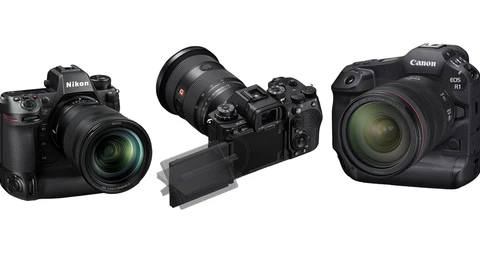
In our never-ending search for the perfect camera, we often bandy around a common term to describe the ultimate in performance: flagship. But what really is a “flagship” camera?
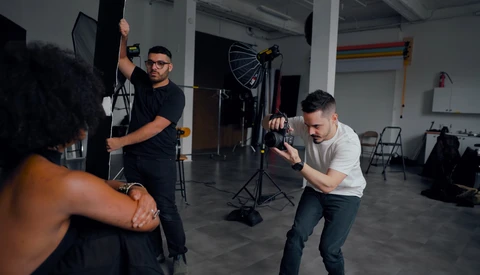
Figuring out how to price your services can feel overwhelming when you’re starting out. Whether you’re handling photography, videography, or broader social media content, knowing what to charge is a skill that can simplify your process and boost your confidence.

Setting ambitious goals in photography requires more than just dreaming - it demands consistent, deliberate action to transform those aspirations into reality. Whether you're looking to start a wedding photography business or launch a creative project, understanding how to effectively bridge the gap between vision and execution can make all the difference in your success.

Pricing your real estate photography can feel like a balancing act, but getting it right is essential for running a sustainable business. Misconceptions around pricing are common, and they can lead to undercharging and burnout. The reality is, if you’re not charging enough, you’re likely leaving money on the table while overextending yourself in the process.

Freelance work can be exciting, but it’s not without challenges. One of the biggest hurdles is recognizing red flags early enough to make informed decisions about potential jobs. Whether it’s unclear communication, rushed timelines, or vague contracts, these warning signs often hint at larger issues down the road.