The Real Reason Going Pro Might Ruin Your Love of Photography
Most people assume that turning a passion into a career is the ultimate goal. For photography specifically, that assumption can cost you more than you realize, and not just financially.
Most people assume that turning a passion into a career is the ultimate goal. For photography specifically, that assumption can cost you more than you realize, and not just financially.
Mini sessions are one of the most common strategies portrait photographers use to fill their calendars, but the math behind them rarely adds up. When you account for travel, setup, shooting, editing, delivery, and client communication, you're often looking at a pittance even before taxes, equipment costs, or software subscriptions.

Slow load times. No clear pricing page. A portfolio organized by date instead of genre. These are the silent killers that drive potential bookings away before a visitor ever reaches your contact form. Your website might be gorgeous to you, but if it's not converting visitors into inquiries, something is broken, and it's probably one of these things.

In 2025, going into 2026, it seems that photography isn't always just enough. You usually need something else on the go or another way to earn income to survive the slow periods between jobs. As a professional photographer for quite some time now, I've developed a handful of income streams built in and around photography that allow me to take a little pressure off when I may not be as booked and busy as I otherwise am.
The question of what a professional photographer is actually worth in 2026, when anyone with a phone or an AI prompt can produce a compelling image, is one that cuts to the core of building a sustainable career behind the camera. If you can't answer it clearly, charging real money for your work becomes almost impossible to justify.

If you've been shooting professionally for more than a year, you've met all of these people. They aren't bad people. Most of them are perfectly lovely humans who simply have no frame of reference for how professional photography works, what it costs, or why you keep making that face when they ask for "just a few small changes."

Photography education has a blind spot. Workshops teach you exposure. YouTube teaches you composition. College teaches you history. But nobody sits you down and explains the professional norms that separate working photographers from talented hobbyists who can't figure out why clients aren't coming back. These aren't technical skills. They're behavioral patterns, the kind of knowledge that usually arrives the hard way, after a mistake you can't undo. Here are ten of them, collected so you don't have to learn each one at your own expense.
Aaron Anderson has built a career shooting for major corporations like Sony, Fujifilm, and Bosch through collaborations fostered on Instagram. Here's how he did it, and how you might too.

While AI anxiety dominates the conversation, these five specializations are expanding, backed by real market data, not wishful thinking.

Most photography blogs are beautiful graveyards. Gorgeous images, maybe a few words about the session, and then nothing. No traffic, no inquiries, no reason for Google to care. The photographer posts it, shares it once on Instagram, and moves on. Meanwhile, the blog sits there accomplishing exactly nothing for the business.

Architectural and design photography pays more than standard MLS listing work and runs on a completely different mindset. If you are tired of tight timelines, volume pricing, and rushing from house to house, this shift changes who hires you and how you get paid.
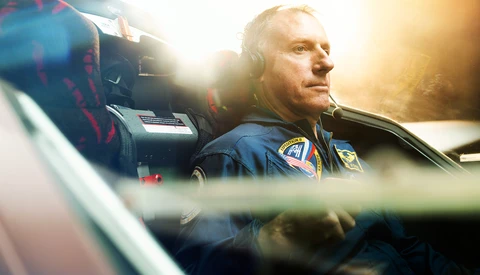
On the developing the skills that enabled him to work with Sony PlayStation, Monster Energy, Husqvarna, Bosch Global, Fujifilm USA, and why you should always spit out your gum before shooting.
You have a camera and solid skills, but turning that into steady side income feels unclear. The right approach can bring in real money without forcing you into a second full-time job.
Leaving a corporate healthcare salary to run a full-time photo and video business sounds bold until you look at the math. Matching an average U.S. salary took more than 200 clients and nearly 300,000 images in a single year.
Clear communication shapes every part of your wedding business, from the first inquiry to the final gallery delivery. If you handle it poorly, you invite stress, missed bookings, and couples who expect access to you at all hours.
Running a wedding photography business with perfectionist habits and ADHD tendencies can wreck your focus fast. If you struggle to finish edits, send invoices, or stick to one task, this will feel familiar.
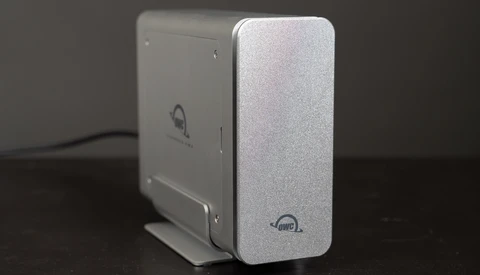
Getting fast, high-capacity storage has become a bottleneck in modern workflows. Codecs keep getting heavier, and a well-specced internal SSD can feel cramped quickly. Upgrades can be difficult or unreasonably expensive; enter the Express 4M2, a four-drive enclosure that addresses all these issues.

When a client says you’re “out of budget” or disappears after seeing your rates, the instinct is to adjust the numbers. That move usually solves the wrong problem.
You can hustle for more bookings and still feel broke, especially when every job expands to fill your calendar. This video is about raising your Average Booking Price (ABP) so the same number of shoots can pay like a real business instead of a grind.
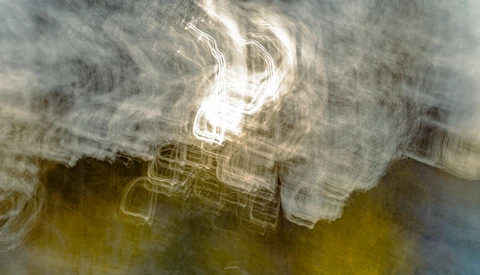
Technical skill is no longer a filter. What remains of photography begins where execution stops protecting the work, leaving only judgment and intent.
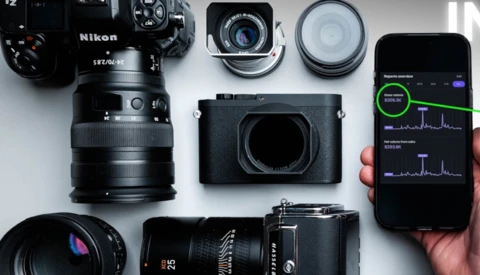
If you’re trying to earn more from photography in 2026, you’re juggling two fights at once: getting better at the work and staying visible in places like Instagram without wasting your week.

Most discussions about photography describe the work of the photographer through technique, timing, or the ability to react quickly. Yet these explanations do not match what actually gives an image its meaning. If the photograph depends on a choice made before the camera is raised, then the work of the photographer is not the moment of capture but the decisions that make the moment possible.

You know the feeling. You're scrolling through reviews at 11 PM, convincing yourself that the new 85mm f/1.2 will finally unlock your creative potential. Your current 85mm is perfectly functional, but this one has slightly better autofocus tracking and a new nano-coating that promises reduced flare in situations you encounter maybe twice a year. Before you know it, you're checking your credit card balance and calculating how many sessions it would take to justify the purchase.

When a client asks for raw files, the request can put your deliverables, your editing time, and your reputation on the line. Handle it casually and you risk handing over work that is unfinished, easy to misuse, and hard to control once it leaves your drive.
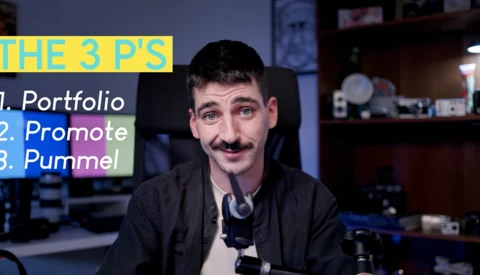
There is a common assumption in our industry: if you want to turn your passion into a paycheck, you have to shoot weddings. It’s the "big machine" of the craft. It’s where the money is, sure, but it’s also where the burnout lives. I’ve often sat there—perhaps while nursing a coffee or staring out over a landscape that doesn't pay me back or pay the bills—wondering if there’s a way to be a "professional" without the high-stakes drama of a bridal suite at 8:00 AM.

Landing steady real estate work usually fails or succeeds before anyone sees your images. The difference is whether agents can quickly tell you are reliable, easy to hire, and worth calling back.
In contemporary photography, effects often look like ideas, and imitation easily appears intentional. Quick visual formulas create an impression of creativity long before any thought has a chance to appear.

Digital media files have grown enormously, driven by high-resolution sensors, uncompressed raw data, and the demand for high dynamic range. Every frame now carries extensive metadata and integrated data, often reaching tens or hundreds of megabytes. With rising resolutions and accelerating frame rates, the real question isn’t which camera to buy — it’s how we manage storage after the fact.

In creative work, clarity is everything. Whether you’re a wedding photographer discussing shot lists with clients over Zoom, a freelancer managing remote edits, or a small-team creative juggling collaboration and deadlines, a dependable headset can make or break a conversation. I tested the Creative Chat Wireless, which proves that clear communication doesn’t have to come with a heavy headset or an even heavier price tag. This article discusses the features along with my findings after a period of time spent testing the device.
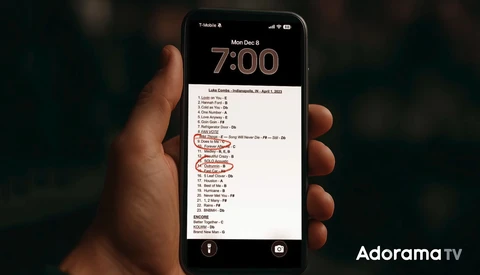
A photo shoot can go sideways because of one tiny setting, one missing card, or one piece of gear that shifted in the bag. If paid work or once-only moments matter, a tight pre-shoot checklist is less about being obsessive and more about avoiding preventable damage.
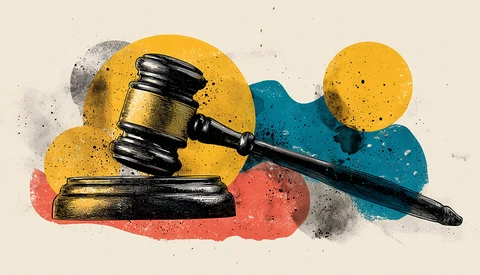
As AI image-making continues to transform the way we work, a number of new issues have arisen. But as fast as the technology is developing, the legal framework around AI remains an evolving landscape.
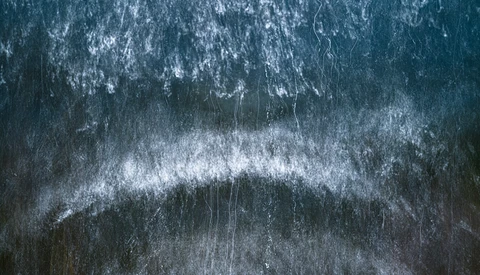
This is not a guide, but a way to think about abstraction as one way for photographers to regain control and meaning when technology learns every technique.
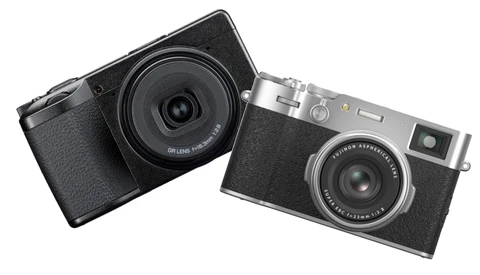
If you've tried to buy a Fujifilm X100VI or Ricoh GR IV in the past year, you already know the frustration. These cameras aren't just hard to find; they're nearly impossible to buy at retail price without waiting months or entering lotteries. The X100VI has been plagued by shortages since its launch, and the GR IV, officially launched on August 20, 2025, immediately followed the same pattern despite its significantly higher price tag.
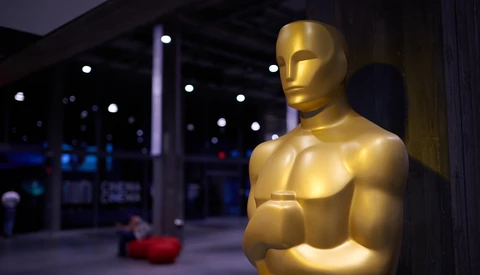
I am now the proud owner of a Nikon ZR. But as I’ve put it through some early paces, it’s led to some surprising questions.
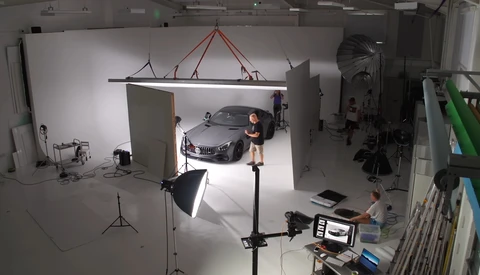
Usage fees are one of the easiest ways to undercharge on commercial jobs without realizing it. When a small local client pays the same rate for images as a national brand running a big campaign, you leave serious money on the table and take on huge responsibility for a fraction of its value.

An inquiry hits your inbox. "We love your work! What are your prices for a wedding?" Your heart races. You're afraid of scaring them off with a number that's too high, or worse, undervaluing yourself with a number that's too low. You're tempted to fire back the one question that quietly wrecks your positioning more than almost any other: "Thanks! What's your budget?"

You've been there. A potential client emails you: "Love your work! How much do you charge?" You respond with your pricing, maybe a PDF with your packages, and you wait. And wait. And then... nothing. Complete radio silence. You never hear from them again, and you're left wondering what happened. Maybe they went with someone cheaper. Maybe they didn't feel confident enough to pull the trigger. Maybe they're still shopping around and you're just one name in a spreadsheet of photographers they're comparing purely by price.
Sooner or later, every photographer gets the same advice: to find their own style. It sounds simple, and in a way, it is. Style is most often seen as just a set of techniques in shooting and editing—a visible form that anyone can copy. It is rarely explained how that point is reached. Yet every photographer eventually faces it. This article is an attempt to look at the internal process that quietly shapes what we later recognize as style.

Picture this: A new photographer finishes building their portfolio, registers their LLC, files their DBA paperwork, and suddenly announces to the world, "I need a brand." They spend $500 on a beautiful, scripty logo from a designer on Fiverr or 99designs. They pick some carefully curated "moody" color presets for their Lightroom catalog. They commission a sleek website with parallax scrolling and a cool animated loading screen. They launch their Instagram with a consistent grid aesthetic. They call it a day, sit back, and wait for the high-end clients to roll in.
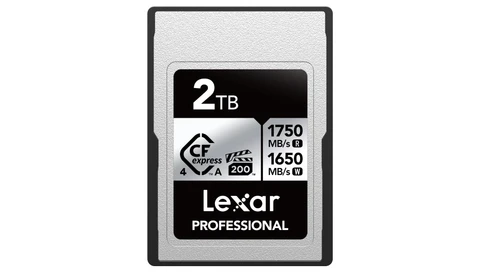
Modern cameras are data monsters. High resolutions and fast frame rates create a storage bottleneck for professionals. Lexar Professional SILVER 2TB CFexpress 4.0 Type A card aims to solve that problem for Sony shooters at a surprisingly reasonable price point. Does it succeed?
This text isn’t a practical guide but rather an invitation to think. It’s not an answer to “what to do,” but an attempt to explore “how to defend your work and business,” a question that feels especially urgent for photographers working under the pressure of generative imagery developing at an unprecedented speed.
A brand just slid into your DMs. They love that photo you posted last week and want to use it on their Instagram. What do you charge? If your first instinct is to panic, calculate your hourly rate, or worse, just send them the file for free because "exposure is good," then you need to read this article. Right now.
You have a beautiful website. You've spent countless hours perfecting it, choosing just the right template, uploading your best work, and crafting what you think is compelling copy. You're getting traffic. People are visiting. But your inbox? It's either a ghost town or it's full of tire kickers asking "how much?" before disappearing forever. Meanwhile, you watch other photographers in your area, photographers whose work isn't necessarily better than yours, booking client after client. What are they doing that you're not?
If you're tired of the endless hamster wheel of Instagram reels, TikTok trends, and algorithm changes that seem designed to make you fail, you're not alone. Social media has become an exhausting game that burns through time without delivering consistent bookings. The truth is, while social platforms can be useful tools, they should never be the foundation of your business. The most successful photographers I know have built their client base on three timeless pillars that actually work: local SEO, vendor relationships, and strategic community presence.
Slow season tempts you to coast, but it is also when the biggest jumps in your photo business are possible. Treat the next 60 days as a focused sprint instead of downtime and you can enter the new year with momentum and real bookings already in motion.

There's no gentle way to say this: artificial intelligence has already infiltrated the photography industry, and its advance is outpacing what most professionals are willing to acknowledge. While photographers debate the artistic merit of machine-generated visuals, whole segments of the profession have quietly vanished through automation.
Most people who struggle to book paid work online think the problem is low demand or bad luck. The real issue is usually clarity, branding, and how you guide someone to hire you. When a potential client lands on your portfolio and leaves without reaching out, that gap matters more than any algorithm.

Pixieset has long been a go-to platform for photographers, offering a polished way to deliver client galleries, host portfolios, and sell images since pioneering this service in 2013. Fast forward to 2021, when Pixieset released their Studio Manager and has transformed into a comprehensive client management system that cuts down administrative tasks, streamlines client interactions, and optimizes workflows. This upgrade empowers photographers to focus on what matters, making their work life smoother and more productive, and getting paid faster. In this article, we explore what Pixieset is known for, how it’s changed, and why it’s an excellent all-in-one solution for photographers.
Building a wedding photography business that feels personal and rewarding starts with more than just skill behind the camera. It’s about creating a system that helps you attract the right clients, set clear goals, and build a sustainable business that doesn’t burn you out. That’s especially true as engagement season approaches, when booking decisions for the next year’s weddings are made fast and in clusters.
These days, everyone’s chasing algorithms like it’s The Hunger Games, posting reels with audio that sounds like a toaster crying in reverse. And why? So a robot can “boost your engagement”? It’s a waste of time (because it is). So let’s get something out of the way. This isn’t a “how to beat the algorithm” article, because trying to “beat” the algorithm is like trying to out-yell a jet engine with a kazoo. You’re not going to win. And frankly, that’s not the point.