The Keys to Long-Term Success as an Artist
Even a successful career isn’t always champagne and roses. But the lessons one learns on the downslope can often be just as important, if not more so, than the rewards gained at the top.
Even a successful career isn’t always champagne and roses. But the lessons one learns on the downslope can often be just as important, if not more so, than the rewards gained at the top.

Last Tuesday, your Instagram Reels were getting 5,000 views each. This Tuesday, you're lucky to break 300. Nothing changed in your content quality, posting schedule, or hashtag strategy. Instagram just decided your work wasn't worth showing anymore. If you're a photographer trying to build an audience in 2025, this frustration probably feels familiar.
Today I'd like to share a story of why more isn't always more.

AI is changing how you edit and deliver real estate images, but it’s also creating new legal headaches. The line between an enhanced photo and a misrepresentation of a property is getting blurry, and that can cause serious issues for both you and your clients.
Professional photography isn't just about taking good pictures – it's about delivering consistent, high-quality results under pressure while managing client relationships, business operations, and technical challenges that would overwhelm most hobbyists. Too many aspiring photographers make the costly mistake of transitioning to professional work before they've developed the foundational skills, business acumen, and professional discipline that successful commercial photography demands.
our photos are probably great. Your gear is probably better than mine. But if you’re wondering why bookings feel slow, or why inquiries ghost after the first email, it’s probably not your aperture. It’s your voice. The one you use online. The one that’s supposed to make people trust you enough to spend thousands of dollars but instead sounds like it was written by someone speedrunning a personality quiz.
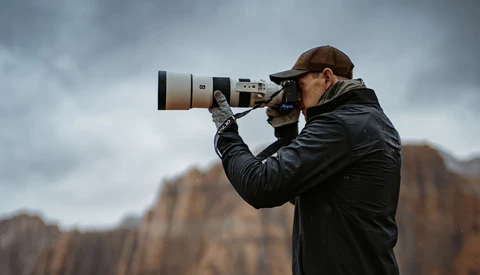
This article isn’t just another swipe at fluffy branding. It’s about building an authentic photography brand that actually feels believable to potential clients. It’s about tone of voice, copy that works, and knowing the difference between being real and being repeatable.
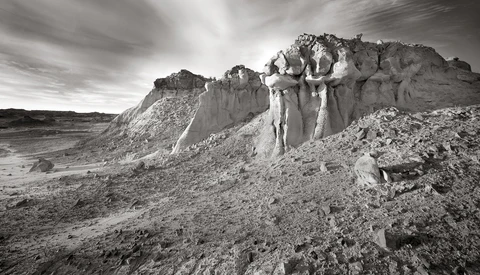
I entered the field and profession of photography in 1978, having worked as a photographer’s assistant for two years. While working as a photographic assistant in a very busy portrait commercial studio, there was an opportunity to learn some of the ins and outs of running and managing a professional studio—things like scheduling sessions, making sure work was delivered in a timely manner, ensuring payment was received on time, managing staff, marketing, etc. There was so much more I needed to know about running a photographic business than simply creating usable, saleable, even stunningly beautiful images.
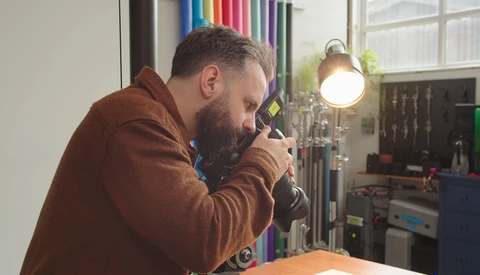
Photographers talk a lot about cameras, lenses, and lighting, but the truth is, most of the mistakes that cost you money come from the business side. Misunderstandings about taxes, pricing, and what it means to be a professional can quietly drag your career down if you don’t deal with them.

Let me guess: You've invested a small fortune in camera equipment. Your lens collection could rival a professional studio's, and you've mastered every lighting technique in the book. Your Instagram showcases technically flawless images that make other photographers jealous. Yet here you are, struggling to break through an invisible ceiling that keeps your income frustratingly stagnant. You're not alone in this predicament, and the solution isn't what you think it is.
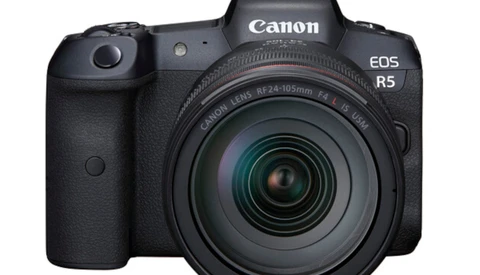
When Canon barred outsiders from its RF mount, critics cried “anti-consumer” and predicted disaster. Instead, the company built a fortress that turned outrage into dominance.
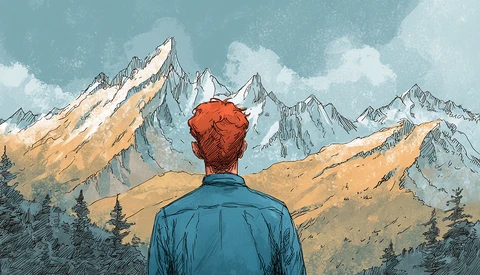
Today, let’s chat about one of the toughest questions any artist must answer to succeed in business and in life.

Photography should be simple at its core: light, subject, vision. Yet if you spend any time in online communities, retail catalogs, or even casual conversations between photographers, you’ll see that the culture often orbits around something else entirely: gear. Tools that were meant to serve vision become the center of attention. And while gear is undeniably fun, even inspiring, the obsession with it has become its own kind of religion.

Gen Z couples are entering the wedding market, and that means a shift in expectations for how you run your business. Their preferences lean toward speed, flexibility, and digital-first options, so if you want to stay competitive, now is the time to rethink the way you package and deliver your work.

Photographers are trained to nod yes. In the beginning, it feels like survival, as every gig could be rent money, portfolio material, or a referral waiting to happen. Even seasoned pros get caught in the same reflex: saying no feels reckless, like turning down income in a field where nothing is guaranteed. The truth, though, is harder: some jobs cost you more than they pay, and others leave bruises that take weeks to shake off.

The hardest part of being a photographer often isn’t taking great photos, it’s running a sustainable business. Shoots come and go, and when the calendar looks thin, panic sets in. That’s why repeat clients matter more than almost anything else in your business model. A client who hires you again and again is worth far more than a new one you have to chase.

Many real estate images you see online don’t tell the full story. You’re often only shown a polished selection, which can make you second-guess your own work. Knowing how professionals really operate gives you a clearer perspective on what matters and where to put your focus.
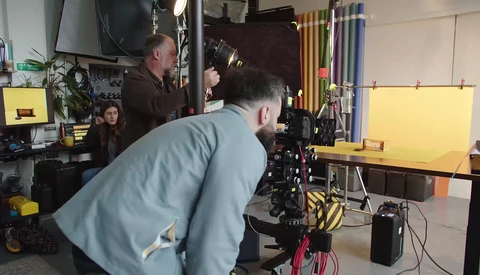
Commercial photography looks glamorous from the outside, but the real question is whether it actually pays enough to make a career of it in 2025. Money isn’t the only reason you do the work, but knowing what’s possible helps you decide if the effort, the risk, and the uncertainty are worth it.
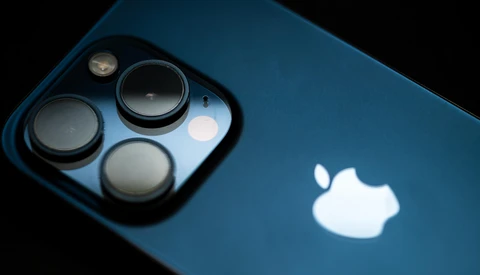
Samsung Electronics will manufacture three-layer stacked image sensors for Apple’s iPhone 18 at its Austin, Texas, plant, using a chipmaking technology described as a global first. The deal fits with Apple’s pledge to invest $100 billion in U.S. manufacturing.
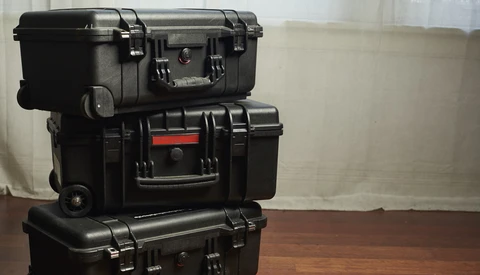
Today, I’d like to explore a question that comes to mind often whenever I get a chance to meet my film and photography heroes.
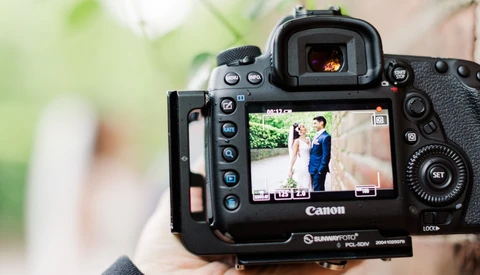
Wedding photographers are seeing a dramatic increase in ghosted inquiries. Couples are sending out initial messages but only responding if they feel an immediate and undeniable connection, and if the pricing works for them. For many in the industry, this shift has created an unpredictable and often frustrating sales process. If your inbox feels quieter after that first reply, you are not imagining it.

Every photographer dreams of that pristine lens collection, but many end up with expensive glass gathering dust while scrambling to find the lenses they actually need. The brutal reality is that lens purchases gone wrong hurt because good glass costs so much and directly determines whether you can accept paying jobs.

Starting a photography business feels like stepping into a dream job where creativity meets entrepreneurship, but the harsh reality is that most new photography ventures fail within their first two years. The difference between thriving photographers and those who crash and burn isn't talent or expensive gear. It's avoiding these five business mistakes that rookie photographers make over and over again.

That bargain client who seemed like easy money might be the most expensive mistake you'll ever make. While premium clients pay well and respect your time, cheap clients create a cascade of hidden costs that can destroy your photography business faster than a dropped camera.

Every photographer's journey starts with boundless enthusiasm and a camera, but most beginners unknowingly sabotage their progress with costly mistakes that could easily be avoided. These ten brutal truths about amateur photography will save you thousands of dollars, countless hours of frustration, and help you skip the painful learning curve that destroys so many creative aspirations.

It’s that time again. Let’s dive back into a deep conversation about the complicated world of AI-generated film and photography.

Here's a statement that will make half of you angry: many photography trends are garbage, but the ones that aren't will define your career for the next decade.

Creating an emotional connection with your subjects leads to stronger images and more business. Psychologists have a technique that helps you quickly establish that connection.
Here's a truth that many photographers would rather ignore: what separates thriving professionals from those who merely own expensive gear isn't mastery of f-stops and shutter speeds.

Every December, millions of American families would pile into their station wagons and head to Sears, JCPenney, or their local department store for an annual ritual as predictable as Black Friday sales: the family holiday portrait. What most people don't realize is that this seemingly mundane tradition fundamentally shaped modern portrait photography in ways that persist today, creating standards for lighting, posing, and customer experience that professional photographers still follow—often without realizing where these conventions originated.
Most people entering photography expect to start earning decent money within a couple of years, but the reality is far harsher than anyone wants to admit. The timeline for building a profitable photography business often stretches much longer than the optimistic projections you'll find in most career advice.
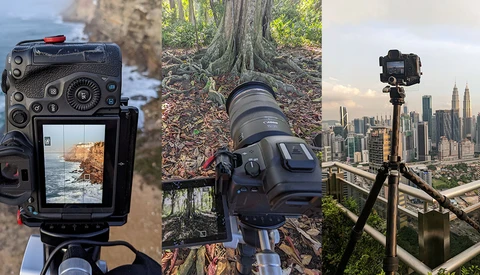
Here's how I failed at becoming a full-time photographer.
Standing out as a photographer today goes far beyond simply taking great pictures. With social media feeds overflowing with impressive work, capturing someone's attention long enough to build your photography business demands strategic branding and presentation.

Sarah thought she'd found the perfect wedding photographer. The portfolio looked stunning, the price seemed reasonable, and the photographer's enthusiasm during their initial consultation convinced her they were the right choice. She signed the contract and paid the deposit immediately, excited about the beautiful photos she'd receive.

Turning your passion for photography into a full-time career can be more realistic than you might think. Success doesn't hinge on talent or gear but on shifting your mindset and actively creating opportunities.
The photography was stunning—moody, atmospheric, deeply personal. Each image told a story through dramatic lighting and unconventional composition. The photographer's Instagram followers loved it, fellow artists praised the vision, and it even won a local competition. But six months later, the photographer was struggling to book paying clients, questioning whether to continue pursuing photography professionally, and wondering why artistic recognition wasn't translating into business success.

The inquiry email was perfect. The client loved your portfolio, praised your style, and enthusiastically asked about availability for their wedding. You responded within hours with detailed information, pricing, and next steps. Then... silence. Days pass. You send a follow-up. Still nothing. Another potential client has vanished into the digital void, leaving you wondering what went wrong.

Photography is a unique profession that combines artistic vision with business operations, but most photography education focuses almost entirely on the creative side. We learn composition, lighting, and technical skills, but rarely study the business systems that could make our creative work more sustainable and profitable.
We’ve all heard a million and one stories about happy endings. But the real success stories lie in the not-always-so-joyful beginnings along the way.

"Your package is exactly what we want, but our budget is only $1,200. Can you work with us on the price?" The email sits in your inbox, and you're tempted to accept. After all, $1,200 is close to your $1,500 rate, and you have an opening that weekend. The client seems nice, they responded quickly, and they said they love your work. What's the harm in being flexible?

You've delivered beautiful photos exactly as promised, but the client is furious. What should have been a celebration of great work becomes a nightmare of disputes, revision requests, and threats of negative reviews.
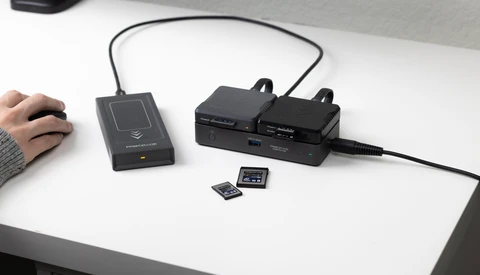
The Thunderbolt and broader USB-C hub space is crowded with options from budget to premium, offering a dizzying array of ports. ProGrade, makers of excellent high-performance storage, are diving into this space with their first hub: a Thunderbolt 4–based hub designed around their card reader ecosystem. Does this hub have what it takes to stand out from the crowd?

You're halfway through wedding family formals when Grandma starts rearranging everyone's positions because "the boys should be taller in the back." Uncle Bob pulls out his phone to show you better lighting techniques he saw on YouTube. The teenage cousin rolls their eyes and slouches every time you raise your camera. Meanwhile, your actual client—the bride who hired and is paying you—stands helplessly in her wedding dress watching her family hijack the photos she's been dreaming about for months.

You've been charging the same rates for two years. Your costs have increased, your skills have improved, and your calendar is booked solid—yet you're making less money than ever because inflation has eroded your purchasing power while your prices stayed frozen. You know you need to raise your rates, but every time you think about it, panic sets in. What if clients leave? What if you lose the momentum you've built? What if you price yourself out of the market?
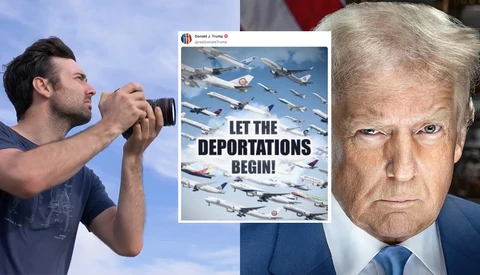
Every photographer dreads the moment their work gets stolen — but what happens when the President of the United States is the thief? Last night, Donald Trump took Mike Kelley's most iconic photo and turned it into a controversial deportation meme. Will this lead to one of the more interesting copyright cases in recent history?

Paris-born Mathieu Bitton, a Leica Ambassador, has photographed some of the world’s most celebrated artists, including Quincy Jones, The Rolling Stones, Kendrick Lamar, Lady Gaga, and Bruce Springsteen, as well as designing and art directing albums, posters, books, and promotional materials — earning him three Grammys. Here he explains how to break through a creative block, why rules of composition are meant to be broken, and why he burns sweetgrass over used equipment.

Every experienced photographer has a story about the client from hell—the one who made their life miserable, didn't pay on time, demanded endless revisions, and left negative reviews despite getting exactly what they asked for. What separates seasoned professionals from struggling photographers isn't just technical skill or marketing savvy—it's the ability to spot problem clients before they become problems.

Your portfolio is sabotaging your career, and you don't even know it. Right now, thousands of photographers are losing potential clients because they're making the same fundamental mistake that screams "amateur" to anyone who views their work. It's not about technical quality, composition, or editing skills—it's about something much more basic that most photographers completely misunderstand.

Every photographer knows this email. You've delivered the final gallery, the client loves 90% of the images, and then comes the follow-up: "These look amazing! Could you just make a few quick edits? Nothing major—just brighten this one a bit, remove that person in the background, and maybe make my skin look smoother in these five shots. Should only take a few minutes, right?"