Photography Education

Whether you just picked up your first camera or you've been shooting for years and hit a plateau, there's always more to learn. This section is where Fstoppers publishes educational content aimed at genuinely improving your photography — not just gear tips, but the foundational understanding of light, composition, and visual thinking that makes the difference between a competent photographer and a compelling one.

A Pro's Guide to Building a Reputation That Commands Higher Prices

Picture this: A new photographer finishes building their portfolio, registers their LLC, files their DBA paperwork, and suddenly announces to the world, "I need a brand." They spend $500 on a beautiful, scripty logo from a designer on Fiverr or 99designs. They pick some carefully curated "moody" color presets for their Lightroom catalog. They commission a sleek website with parallax scrolling and a cool animated loading screen. They launch their Instagram with a consistent grid aesthetic. They call it a day, sit back, and wait for the high-end clients to roll in.

Why One Small Area Can Shape a Whole Photo Project

Black and white can feel like the wrong choice when the forest is burning with autumn color. Yet that is exactly when it exposes how well you understand tone, structure, and the way trees and branches hold a frame.

How to Create Dramatic Autumn Landscapes With Lightroom

Color contrast is what turns a flat, gray landscape into something that feels deep and alive. Learning to build contrast between warm and cool colors is one of the fastest ways to rescue files that would otherwise feel dull.

Stop Fighting Lightroom Masks and Let Them Work For You

Lightroom hides a lot of power behind menus you probably ignore and shortcuts you might not even know exist. If you spend hours editing, small changes in how you use masks and ranges can add up to cleaner images and faster decisions.

10 Astrophotography Mistakes That Quietly Ruin Your Images and How to Stop Them

Astrophotography gets frustrating fast when your target is in the wrong place, your gear is mismatched, or your files become chaos by the end of the season. Dialing in a few core habits around planning, hardware choices, filters, and focus lets you spend more time gathering good data instead of fighting problems at 2:00 a.m.

Golden Hour Flash Tricks That Improve Your Portraits

Golden hour looks forgiving, but it can be harsh on detail and contrast when the light is stronger than you think. If you rely only on ambient, backgrounds clip, faces flatten, and you lose most of what makes that time of day so special.

Backlit Looks That Actually Make Your Photos Better

Backlit photos can turn a flat scene into something dramatic, colorful, and full of depth. When you understand a few simple ways to control bright light behind a subject, you can use it with people, architecture, and landscapes without constantly fighting your exposure.

How to Master Flash Portraits

Flash portrait work lets you create clean, controlled light in places where ambient light fails, from dim living rooms to ugly office hallways. Even if you prefer natural light, knowing how to use a flash turns difficult locations into usable sets instead of missed sessions.

Moody Weather, Strong Photos: How To Shoot When the Sky Is Just Gray

Short days, flat skies, and constant drizzle can make a camera feel pointless once the world turns gray. If you want to keep making images that feel alive in those conditions, you have to treat that dull light as a problem to solve rather than a reason to stay home.

How to Remove Distractions With the Clone Stamp in Photoshop

The clone stamp tool in Photoshop can quietly save hours of cleanup work on problem areas in your images while keeping results under your control. It also lets photographers avoid AI artifacts and credit limits when all you really want is a clean wall, a fixed texture, or a distraction removed.

How To Make Your Photos Look Dreamy

Sometimes, you nail focus and exposure and still feel like the image falls flat. Dreamy, cinematic atmosphere is what makes your work stand out in a feed full of technically fine but forgettable photos.

9 Winter Shooting Mistakes That Ruin Snowy Images

Winter snow looks beautiful in images, but it also exposes every weakness in how you shoot and handle gear. If you want crisp, clean files instead of muddy gray snow and soft focus, you need to change how you expose, compose, and even dress once the temperature drops.

Beyond Specialization: What Really Sets a Photographer’s Business Apart

This text isn’t a practical guide but rather an invitation to think. It’s not an answer to “what to do,” but an attempt to explore “how to defend your work and business,” a question that feels especially urgent for photographers working under the pressure of generative imagery developing at an unprecedented speed.

Master Auto ISO and Stop Missing Shots

Auto ISO sits quietly in your camera, but it can decide whether a fast moving scene comes out clean or a blurry mess. If you deal with city rush hour, changing light indoors, or fast events, understanding how it actually behaves gives you control you cannot get by spinning dials on every frame.

A Free Affinity Workflow That Can Actually Replace Adobe

Affinity is now completely free, and the video shows how to use it to build full edits without paying Adobe. If you wonder whether you can cut Lightroom Classic and Photoshop from your workflow, seeing this process in action gives you a clear sense of what you gain and what you give up.

How 16-Bit Color Transforms Your Photos

Edits rise or fall on how much color data remains when shadows are lifted or highlights are controlled, and 16-bit files preserve far more of that information. The difference shows up in smoother gradients, cleaner transitions, and a wider range of tones that stay stable under heavy adjustments.

Where Do You Get Your Photography Inspiration and Influence From?

Inspiration and influence—these are things I’ve been thinking about lately. Why? Because it’s clear to me that so many new photographers are getting their influence from other photographers on social media. This isn’t always a good thing.

Why Your Photography Website Doesn't Book Clients

You have a beautiful website. You've spent countless hours perfecting it, choosing just the right template, uploading your best work, and crafting what you think is compelling copy. You're getting traffic. People are visiting. But your inbox? It's either a ghost town or it's full of tire kickers asking "how much?" before disappearing forever. Meanwhile, you watch other photographers in your area, photographers whose work isn't necessarily better than yours, booking client after client. What are they doing that you're not?

How To Plan a Confident Client Photo Shoot From First Idea to Final Schedule

Turning a paid shoot from guesswork into a clear, repeatable process is what actually makes you look professional to clients. If you want to stop winging every session and start leading shoots with calm confidence, this video walks through a planning workflow that keeps every step under control.

Beyond Social Media: The Three-Pillar Strategy for Building a Sustainable Local Photography Business

If you're tired of the endless hamster wheel of Instagram reels, TikTok trends, and algorithm changes that seem designed to make you fail, you're not alone. Social media has become an exhausting game that burns through time without delivering consistent bookings. The truth is, while social platforms can be useful tools, they should never be the foundation of your business. The most successful photographers I know have built their client base on three timeless pillars that actually work: local SEO, vendor relationships, and strategic community presence.

Hard Truths Landscape Shooters Learn Too Late

Landscape photography punishes lazy habits and vague plans. If you want images that stand out among other photographers instead of blending into the scroll, you have to confront some blunt lessons about light, gear, and how much effort you are actually putting in.

10 Tips for Tack-Sharp Handheld Photos in Low Light

Every photographer has been there. You're at a dimly lit wedding reception, a moody concert venue, or walking the streets at night, and your camera is begging for a tripod. But tripods aren't always practical, welcome, or even permitted in these environments. The good news is that you don't need one. With the right combination of technique, body mechanics, and smart camera settings, you can consistently capture sharp, usable images in challenging low-light situations without any support gear.
A 60-Day Plan to Grow Your Photo Business

Slow season tempts you to coast, but it is also when the biggest jumps in your photo business are possible. Treat the next 60 days as a focused sprint instead of downtime and you can enter the new year with momentum and real bookings already in motion.

Handling Rejection With Confidence in Street Photography

Discover how to navigate the challenges of rejection in street photography while transforming setbacks into opportunities for growth. What are the secrets to building confidence and fostering meaningful connections with your subjects?

The Pro Photographer's Location Scouting Checklist: Stop Winging It and Start Planning Like You Mean It

There's a moment that separates the professionals from the amateurs in location photography, and it happens long before you ever press the shutter. It's the moment when you realize that the stunning golden hour shoot you envisioned has turned into a nightmare because the sun is directly in your client's eyes, the "perfect" spot is actually locked behind a gate that closes at 4 PM, and your backup plan is to pray for clouds. We've all been there, and we've all learned the hard way that great location photography isn't about happy accidents. It's about meticulous planning, strategic scouting, and having a foolproof system that accounts for everything from parking logistics to power lines.

The Truth About Street Photography: 5 Myths Debunked

Street photography often seems to be governed by unspoken rules. However, these rules may be stifling your creativity. Let’s explore five common myths about street photography that you should abandon to truly free your artistic vision.

A Practical Guide to Packing Cameras, Clothes, and Backups for Travel

Packing for out-of-state weddings is where travel logistics and paying clients collide, and sloppy planning can cost real money. When your cameras, clothes, and backup gear all have to survive flights, hotels, and wedding timelines, a solid packing system lets you focus on shooting instead of babysitting bags.

5 Weather Conditions Pros Hunt For (And How to Use Them)

Ask a non-photographer about their ideal shooting conditions, and they'll probably describe a clear, sunny day with blue skies. Ask a professional, and you'll get a very different answer. The photographers whose work stops you mid-scroll on Instagram aren't waiting for perfect weather. They're actively hunting for the atmospheric conditions that most people hide from.

The Simple Masking Workflow That Makes Sunrise Pop

Color grading can turn a flat sunrise into a scene with shape, depth, and energy. If you shoot high-contrast landscapes, nailing tones in the sky and keeping detail in the foreground is where Lightroom’s tools earn their keep.

5 Common Beginner Portrait Photography Mistakes

We all want those stunning portraits, but what subtle errors are creeping into your shots and holding back your potential? Let’s see the five most common blunders in portrait photography and how to elevate your work instantly.

Photoshop’s New AI Credits: What You Need To Use And What To Skip

Adobe just made Photoshop’s AI tools more powerful and more expensive, and if you shoot real estate, these changes hit your workflow, your margins, and your client expectations. The mix of free tools, standard generative credits, and new premium credits now forces you to choose where speed and polish justify extra cost instead of treating AI as unlimited magic.

Why Your First Waterfall Composition Is Usually Wrong

Shooting waterfalls in dramatic conditions forces you to think beyond the postcard shot and make deliberate decisions about space, timing, and tension in the frame. You see quickly that composition, focal length choices, and the weather you usually curse are what separate generic images from work that actually holds attention.

5 Point-and-Shoot Cameras That Are Just Plain Fun to Shoot

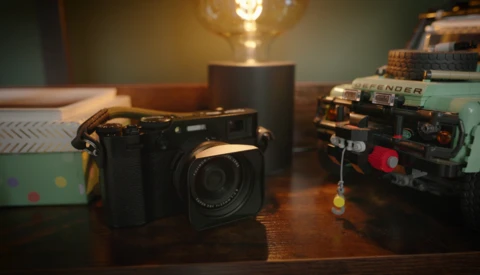
Photography shouldn't feel like work. Somewhere between megapixel counts and autofocus point comparisons, we've forgotten that cameras can simply be enjoyable to use. These five cameras, from vintage film classics to quirky modern experiments, prove that the best gear isn't always the most capable or the most expensive. Sometimes it's just the camera that makes you smile every time you pick it up.

Five Hidden Bird Photo Mistakes Quietly Ruining Your Best Shots

Bird images fall apart in quiet ways: lazy planning, slow reactions, and small habits that sneak softness and clutter into your frame. If you keep coming home with flat, lifeless files while others seem to nail crisp, intimate shots, these five recurring mistakes are likely right in front of you.

Top 10 Questions With Tamara Lackey: Finding Your Voice and Shooting With Purpose

Tamara Lackey, Nikon USA Ambassador, book author, PBS show host, and philanthropist, has used photography to establish Beautiful Together refuges for children and animals in need in Ethiopia and North Carolina. Here she weighs in on finding your voice, overcoming creative block, and camera bag essentials (don’t forget the candy).

How to Cut Your Editing Time in Half

You spend hours dragging sliders when you would rather be out shooting. Cutting that processing time in half starts at the moment you press the shutter. Treating capture as a deliberate commitment instead of a casual tap changes how consistent your files are and how long you stay stuck at the computer.

Stop Guessing Blend Modes And Start Controlling Your Edits

Blending modes in Photoshop decide how layers interact, shaping composites, color work, and detail control across your images. Understanding them lets you replace messy selections with clean, flexible control over light, shadow, and color in complex edits.

Cut 1,000 Shots to 100 Keepers With Lightroom’s New Tool

Lightroom Classic 15.0 adds Assisted Culling that uses AI to find sharp, usable frames fast. If you shoot people, sorting by “eye focus” and “eyes open” cuts wasted time and keeps soft poses from sneaking into client picks.

Stop the Chaos: How to Build a Repeatable Raw Editing Workflow

If your photo editing still feels chaotic, bouncing between endless sliders without consistent results, the issue isn't your software; it’s your strategy. Let’s explore how Mark rectified his biggest mistake after a decade in the field, transforming raw files into finished artwork with effortless precision.

Why Your City Photos Look Flat and How to Fix Them

City photos either look flat or they pull you in. Light, timing, and intent change how a familiar street reads when you want images that stand out in a feed stuffed with near-duplicates.