Photography Education

Whether you just picked up your first camera or you've been shooting for years and hit a plateau, there's always more to learn. This section is where Fstoppers publishes educational content aimed at genuinely improving your photography — not just gear tips, but the foundational understanding of light, composition, and visual thinking that makes the difference between a competent photographer and a compelling one.

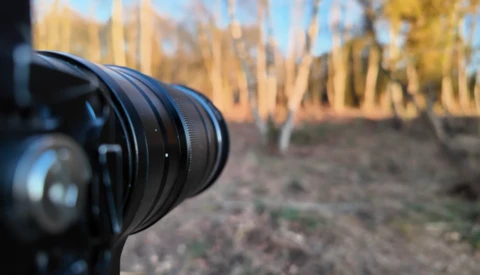
Telephoto Landscapes: The 100-400mm Trick That Fixes Empty Frames

A telephoto lens can turn a messy landscape into a clean, intentional frame, especially when the scene feels too big and too busy. If mountains keep looking flat or your wide angle keeps dragging clutter into the shot, this approach changes how you see distance. 
When a Teleconverter Helps and When It Hurts Your Shot

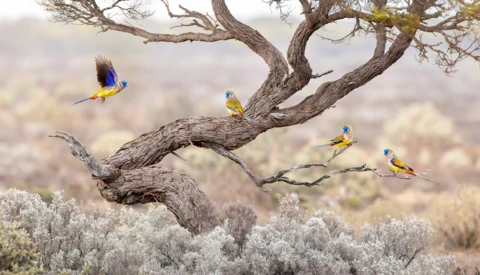
You keep running into the same wall: the bird is small in the frame, and the choice turns into a crop that feels thin or a teleconverter that might cost light and focus speed. This video breaks down when a 1.4x teleconverter beats cropping and when cropping is the smarter move if you care about detail and print-ready files. 

Capturing Stories: Environmental Portraiture in Travel Photography

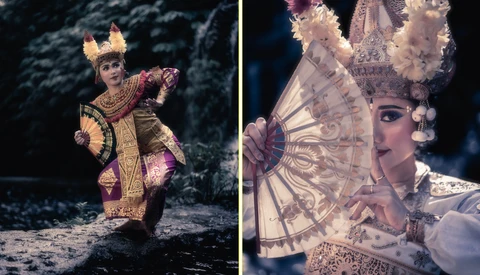
Discover the fascinating world of environmental portraiture in travel photography. Let’s also discuss essential ethical considerations and the importance of respecting cultural norms to ensure a meaningful photography experience and the creation of impactful images. 

Small Gear Changes That Quietly Fix Messy Photo Shoots

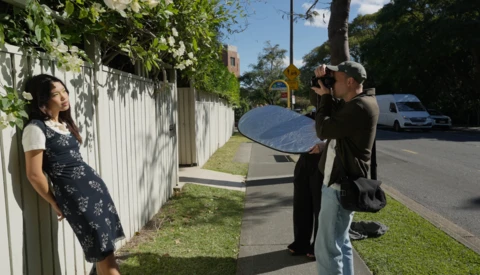
If you shoot in tight spaces, the difference between a smooth session and a frustrating one often comes down to small gear choices. This video frames those choices as practical fixes for the stuff that quietly wastes time on set. 

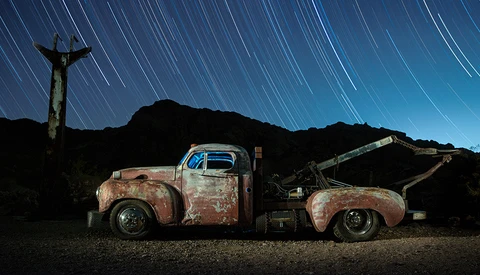
Step-by-Step: Light Painting a Desert Tow Truck With Star Trails

I wanted to photograph and light paint a super-long exposure of a vintage tow truck with long star trails, but I also needed to do this quickly so I could continue teaching workshop participants. How did I do this? I’ll take you behind the scenes of my desert ghost town long-exposure photo.

Stop Paying for These 5 Camera Features You Will Never Use

You are paying a $2,000 premium for buttons you will never press. Modern flagships are genuine marvels of engineering. These cameras represent the absolute pinnacle of what decades of imaging technology can achieve, packed into weather-sealed magnesium alloy bodies that can survive conditions most of us will never encounter.

Why Your Photos Feel Empty (And It’s Not Your Settings)

You keep hearing about getting “better composition” or “dialing in settings,” but this video is focused on something that comes earlier than both: the decisions that decide what the photo is actually saying. If you shoot people and your results sometimes feel technically fine but emotionally thin, this is the kind of checklist that can expose why. 

How to Spot a Critic You Shouldn’t Listen To

Photography generates endless critique, but usefulness is far less common. Some feedback clarifies decisions, while other forms quietly replace them with rules, authority, and caution. Learning to tell the difference has become a necessary skill for anyone who wants to keep their own criteria intact. 

The 5 Mistakes That Make Sharp Landscape Photos Feel Empty

A wide angle lens can make a scene look huge, but it can also turn your frame into a pile of “everything” that says nothing. If your landscapes feel sharp yet forgettable, this video focuses on five small habits that quietly wreck otherwise good work. 

Landscape Masking in Lightroom Classic: What It Gets Right and Wrong

Lightroom Classic landscape masking can save you from tedious brush work, but it can also make confident mistakes that you have to catch fast. If you edit outdoor scenes, it changes how quickly you can isolate problem areas like sky bleed, muddy snow, or uneven water tones. 

Adobe Firefly Boards: From Style Reference to Motion Test in Minutes

Adobe Firefly Boards is built around one central idea: you should be able to test a visual direction quickly, see it applied consistently, and decide whether it is worth pursuing before you commit real time. If you shoot stills but increasingly need motion versions of the same look, this tool sits right at that crossroads. 

The Art of Obsession: How I Learned Photography Lighting

We often talk about photography as a craft or a hobby, but if we’re being honest, the greats don’t treat it that way. For the pros, photography isn’t just a career. Photography is an obsession. We live in a world where we’re told to seek "balance," but I’m here to give you permission to do the opposite.

Radial Masking In Lightroom Classic: How to Make Your Edits More Natural

A radial mask in Lightroom can fix the kind of “almost” photo that keeps bothering you, where the light is close but not landing where the eye should go. If you rely on Lightroom to shape mood, depth, and attention, this tool changes what you can do without making the edit look like an edit. 

The Right Lighting Modifiers for Real Estate Photography

Ceilings decide how clean your flash looks in real estate work, and you do not always get a friendly white one. When the ceiling is dark, wood, or simply too high to bounce, a modifier stops being optional and starts being the difference between usable frames and a long edit. 

What to Do When Clients Ask for Raw Files

When a client asks for raw files, the request can put your deliverables, your editing time, and your reputation on the line. Handle it casually and you risk handing over work that is unfinished, easy to misuse, and hard to control once it leaves your drive. 

5 Signs You Are 'Chimping' Too Much (And Why It's Ruining Your Photos)

There's a term in photography that sounds like it belongs in a nature documentary, and in a way, it does. "Chimping" describes the behavior of looking at your camera's LCD screen immediately after taking a photo, and the name supposedly comes from the excited noises photographers used to make when digital cameras first became mainstream.

Photography Lessons I’m Carrying From 2025 Into 2026

There are things I lived through in 2025 that became larger lessons for my career. Some of them were uncomfortable. Some of them paid off immediately. Some of them took patience. I’m sharing a handful to give you a head start on 2026. 

The Five Mistakes That Make Your Footage Look Amateur

DaVinci Resolve is where a lot of “almost there” footage either gets rescued or exposed. This video argues that the difference between amateur and paid work often shows up in a handful of choices you keep repeating, especially once you start shooting log and stop trusting whatever look the camera bakes in. 

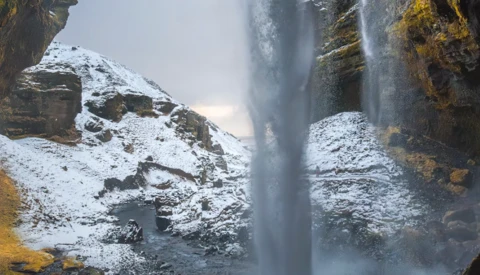
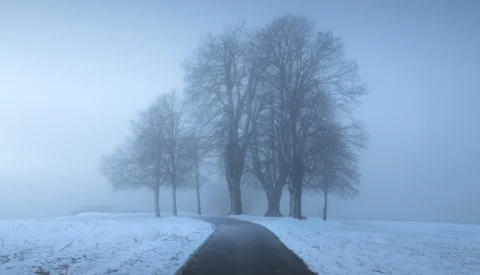
How to Use Lightroom to Enhance a Winter Photo

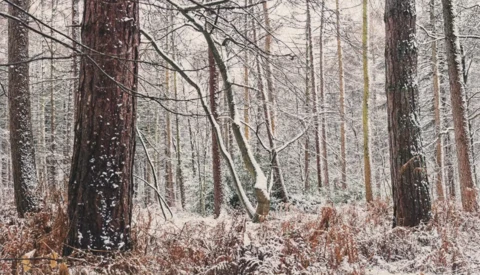
Lightroom Classic can make a winter scene look clean and accurate, but that is not always the look you want. If your snow scenes keep feeling bland or strangely “digital,” this edit shows how to use white balance and local control to push mood without wrecking the file. 
5 Reasons Your Photos Look Fake (And How to Fix Them)

We all want our photos to pop. That desire drives us to experiment with sliders, presets, and AI tools that promise to transform our images into something extraordinary. But there is a fine line between "enhanced" and "radioactive," and most of us have crossed it without even realizing it. Your desire to make a better image is not the culprit.

Adobe Photoshop AI Credits: Which Tools Drain Your Balance Fast

AI in Photoshop and Lightroom now comes with a meter running in the background, and it is easy to burn through credits without realizing which button did it. If you shoot and edit photos for clients or personal work, that uncertainty can change how you plan edits, what you try first, and what you avoid touching at all. 

How Commercial Work Can Replace Wedding Income

There is a common assumption in our industry: if you want to turn your passion into a paycheck, you have to shoot weddings. It’s the "big machine" of the craft. It’s where the money is, sure, but it’s also where the burnout lives.

The Beginner Landscape Photography Tips I Wish I’d Ignored

Beginning landscape photographers get bombarded with tips and advice—some helpful, some confusing, some that just get in the way. Here are the five pieces I really wish I hadn’t taken so seriously when I was starting out. 

How to Quickly and Easily Edit a Portrait in Lightroom

Portrait retouching in Lightroom often stalls when you get stuck doing the same careful selections again and again. This video puts the spotlight on a faster path using Lightroom Classic’s built-in AI masking, with results that still look like a human made the calls. 

The Soft “Window Light” Setup That Actually Holds Up

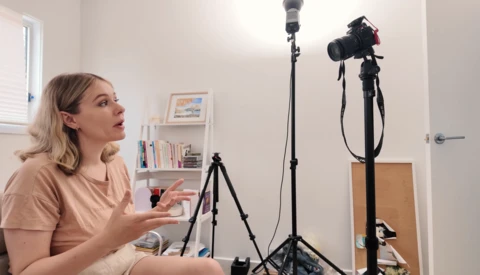
A clean “window” look in a home studio usually comes down to one thing: how you spread and soften flash before it hits your subject. In this video, the entire setup revolves around a big diffusion wall, and it answers a question you’ve probably wrestled with after a few too-contrasty test frames. 

A Beginner's Guide to Creating a Lightroom Catalog

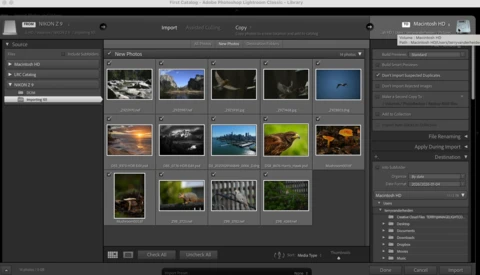
Catalog problems rarely start with editing. They start the first time you import a card, pick the wrong destination, and build a library that is spread across places you did not intend. 

Intersect Masks: The Control You’re Missing in Lightroom

Masking in Lightroom can be the difference between an edit that looks clean and one that looks like you forced it. If you rely on quick global sliders, this is the kind of skill that quietly fixes the problems you keep seeing in skies, edges, and small details. 

Photoshop Inside ChatGPT: What Works, What Breaks

Using Adobe Photoshop inside ChatGPT changes the math on quick edits, especially when the job is small but time is tight. The catch is that the results can look polished one minute and sloppy the next, so knowing what it can and cannot do saves missed deadlines and rework. 

The Simple Settings That Make Manual Focus Easier

Perfect autofocus is useful, but it can also push you into shooting the same clean, predictable frames every time. A small manual focus lens can change how you move, what you notice, and the kind of mood you bring back from a night out. 

How to Get Real Estate Clients Without Cold Calling

Landing steady real estate work usually fails or succeeds before anyone sees your images. The difference is whether agents can quickly tell you are reliable, easy to hire, and worth calling back. 

The Most Underrated Camera Spec in 2026

When you shop for cameras online, spec sheets emphasize familiar metrics: 20 frames per second, 30 frames per second, 8K video, blackout-free shooting. These numbers look impressive. They sound impressive. And they are. But they are often misleading when it comes to final image quality. 

Sky Masking in Lightroom: The Fix for Halos and Gaps

Sky masks in Lightroom look effortless until you push exposure and discover halos, gaps in leaves, and messy edges around roofs and ridgelines. Get this wrong and the sky starts bleeding into everything that should stay crisp. 

Creative Stages That Quietly Shape Every Photo You Make

You can feel stuck in photography even when you keep shooting, because the problem is not effort, it is the stage you are in. This video breaks that fog by mapping the creative arc most people move through, from early wins to the hard middle where taste outpaces results. 

Why Photographers Confuse Creativity With Effects

In contemporary photography, effects often look like ideas, and imitation easily appears intentional. Quick visual formulas create an impression of creativity long before any thought has a chance to appear. 

5 Things Professional Photographers Do That Beginners Don't

Walk into any camera store and you'll find hobbyists agonizing over sensor specifications and professionals grabbing whatever battery is compatible with their current kit. Spend time at a wedding venue and you'll watch amateurs fiddling with settings while the hired photographer works the room like a chess grandmaster three moves ahead.

The Important Photoshop Tab Clues You’re Probably Ignoring

Tiny marks in your Adobe Photoshop document tab can quietly signal problems that cost time, color accuracy, or even a full edit. If you have ever seen an asterisk or a hash and ignored it, there is a good chance you have chased the same confusion later when a file suddenly looks off.