Photography Education

Whether you just picked up your first camera or you've been shooting for years and hit a plateau, there's always more to learn. This section is where Fstoppers publishes educational content aimed at genuinely improving your photography — not just gear tips, but the foundational understanding of light, composition, and visual thinking that makes the difference between a competent photographer and a compelling one.

Small Habits That Quietly Fix Boring Photos

Small improvements compound fast in photography, and most of them have nothing to do with chasing a new body or rewriting your whole editing style. This video is a practical reset for photographers who feel stuck, because it focuses on what you do while you are actually out shooting.

13 Things You Should Do Immediately After Buying a New Camera

That new camera smell is intoxicating. The temptation to rush outside and start shooting is overwhelming. But hold on. Before you chase golden hour or book your first client, there are essential steps that separate prepared photographers from those who learn hard lessons in the field. Here is your complete checklist for getting your new gear truly ready.

Why Golden Hour Might Be Holding You Back

Golden hour can make you think you’re improving when you’re really just collecting warm light. That habit can also shrink how often you shoot, which quietly slows everything else you’re trying to get better at.

Hard-Won Gear Essentials That Still Make Sense Years Later

You keep buying gear hoping the next purchase will fix a real problem, and then half of it sits unused. This video breaks that pattern by focusing on the items that keep earning space in your bag and saving you time when you’re tired, cold, rushed, or traveling.

This Simple Trick Lets You Design Your Bokeh

Bokeh usually shows up as soft circles, but it can also carry a clear, intentional shape that changes the whole mood of a frame. That control lets you build a fun background that supports the subject instead of just sitting there.
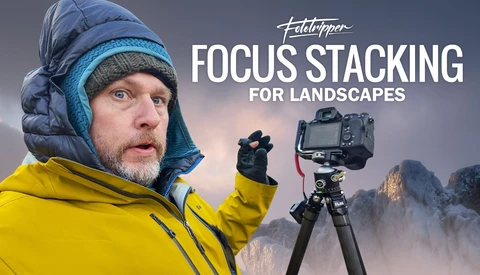
How to Get Crisp Detail Without the “Over-Sharpened” Look

Sharpening is where a solid edit can quietly fall apart, especially once you export for the web and everything gets resized. If you want crisp detail without crunchy edges or noisy skies, you need a method that matches the way you actually share images online.

How to Actually Use the Histogram in Lightroom Classic

The histogram in Lightroom Classic is a fast lie detector for exposure, even when the image on screen looks fine at a glance. Learn to read it and you stop making edits that look good on your monitor but fall apart in prints or on other displays.

10 Absolute Dealbreakers When Buying a Used Camera

The used camera market is a fantastic place to find value, but it's also a minefield of hidden problems that can turn a bargain into an expensive paperweight. While normal wear and tear is expected and often acceptable, certain issues cross the line from cosmetic imperfections into functional catastrophes. These are the red flags that should make you walk away immediately, no matter how good the price looks. 

Simple Rules for Picking Your First Mirrorless Camera

Picking a first mirrorless camera can feel like a trap: too many bodies, too many specs, and too many opinions. If the choice is so stressful that it slows down shooting, you end up stuck comparing instead of learning what actually changes your results.

10 Landscape Lenses Under $1,000 That Are Sharp Corner to Corner

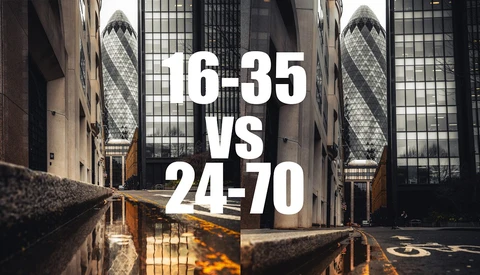
Wide angle glass has always carried a premium price tag. Walk into any camera store and ask about a professional-grade 16-35mm f/2.8, and you'll leave with a lens that costs over $2,000 and weighs nearly two pounds. For photographers who spend their weekends hauling gear up mountainsides, that's a tough pill to swallow.

Micro Moves That Make a Landscape Photo Click

Small composition choices decide whether a frame feels settled or slightly off, even when the scene looks “good enough.” If you rely on instinct and move on fast, you can miss the quiet fixes that turn a decent shot into one you actually want to keep.

A Beginner's Guide to Film Photography

Film can make you slow down, commit to a frame, and accept that you will not know what you got until later. If film is calling your name, the fastest way to avoid wasting money is to understand the few choices that actually matter before you buy anything.

The Hidden Habits That Are Keeping Your Photos Flat

Shooting mistakes rarely look like mistakes in the moment. They look like habits you repeat while the scene moves on, especially when you think the “right” setup is already locked in.

A Better Starting Point For Colors That Pop

Color can fall apart fast when a scene has bright sky, dark shadows, and a lot of mixed tones in between. If Lightroom Classic is part of your workflow, a small change at the very start can steer the whole edit toward cleaner, richer color without turning the file into a gimmick.

The Hidden Reason Landscape Photography Hooks You So Hard

Landscape photography started as a practical workaround for early cameras, and it has quietly turned into something closer to a personal ritual. If you keep chasing big scenes but feel unsure what you are really chasing, this video puts language to that tension.

Mistakes With Lighting That Cost You Shots

Lighting mistakes rarely look dramatic in the moment, but they show up later as shaky setups, inconsistent color, and portraits that feel slightly off. If artificial lighting is part of your work, a few small habits can save you from expensive repairs and awkward on-set surprises.

Stuck in a Creative Rut? Here’s the Reset You’re Missing

You can make yourself miserable by assuming everyone else creates clean, confident work on demand. If you shoot and care about the results, the gap between what you want and what you make can feel personal in a way that doesn’t show up in your finished images.

Winter Is the Best Time to Improve Your Landscapes

Snow breaks your normal exposure instincts and can make a strong scene look flat, muddy, or oddly busy. If you care about landscape work, winter is one of the easiest times to come home with a file that feels disappointing even when the location looked perfect.

5 Signs It's Finally Time to Upgrade Your Camera

Most photographers upgrade their cameras at the wrong time. Some chase every new release, convinced that the latest autofocus algorithm or extra megapixel will transform their work overnight. Others cling to decade-old bodies out of stubbornness or sentimentality, insisting that "gear doesn't matter" even as they miss shots or lose clients. The truth lives somewhere in the middle. Your camera should be a tool that enables your vision, not a limitation you constantly work around. These five signs indicate that your gear has shifted from being an asset to an obstacle.

How Perfectionism Slowly Stops You From Making Anything

Perfectionism can quietly shut down your creative output even when your standards feel reasonable. If you spend more time refining work than releasing it, this problem already shapes how much you actually make.

10 Portrait Lenses That Give You the Pro Look for Under $500

You know the feeling. Your kid is doing something adorable, the light is perfect, and you grab your camera. Click. You check the screen and... it looks like a smartphone snapshot. The background is a busy mess of toys and furniture competing for attention with your subject. Everything is in focus, which means nothing stands out. This isn't your camera's fault. It's physics.

Lightroom Masking Tricks That Fix Backlit Scenes

Backlit scenes are a trap: the background looks fine, your subject falls into shadow, and global sliders only make the frame feel fake. If this keeps happening, the fix is less about “more exposure” and more about controlling where the light appears to land.

How to Keep Detail in Brutal Contrast Without Overcooking HDR

Canyons and slot-like rock corridors can trick you into thinking your camera is broken when the shadows go black and the bright areas go blank. If clean detail and believable color matter in high-contrast scenes, the approach in this video will push you to shoot differently and edit with more control.

Why Your Landscape Photos Feel Random and How to Fix That Fast

Gesture in the landscape sounds like a soft, artsy idea until you start noticing it and realize it can fix the stiff, random feel that shows up in a lot of your frames. If you care about making landscapes that feel alive instead of assembled, this will change what you look for before you ever touch the tripod.

Stop Dreaming About Full Frame: 8 Cameras That Get You In Without Breaking the Bank

Full frame is the holy grail for a lot of photographers. The creamier backgrounds, the cleaner high-ISO files, the undeniable "pro" credibility that comes when you pull out a camera with a sensor the size of a 35mm film negative. For years, it felt like membership in this club required either a trust fund or a willingness to sacrifice your rent money. Not anymore.

How One Tiny Oversight Can Cost You Hours After the Shoot

A photo shoot can go sideways because of one tiny setting, one missing card, or one piece of gear that shifted in the bag. If paid work or once-only moments matter, a tight pre-shoot checklist is less about being obsessive and more about avoiding preventable damage.

Bad Habits That Quietly Ruin Your Shoots

Treating better sleep, food, and movement as part of your craft can change how you show up on a shoot and what you bring home from it. Ignore it and the work can stall in ways that are easy to blame on gear, clients, or luck.

Why Your Camera’s “Correct” Exposure Looks Wrong

Your camera’s exposure meter is not a truth machine, and that mismatch is why you end up with frames that look too dark, too bright, or just “off.” Once you stop treating the meter like a judge and start treating it like a starting point, you get faster and more intentional with light.

The Best All-in-One Travel Lens for Every Camera Mount

There was a time when serious photographers sneered at superzoom lenses. The old 18-200mm options earned their terrible reputation honestly: muddy corners, slow autofocus, and the kind of optical compromises that made you wonder why you bothered upgrading from a smartphone. But that era is over. Modern computer-aided lens design has produced a new generation of travel zooms that are genuinely sharp, reasonably fast, and often weather-sealed. If you have been hauling a bag full of primes through airports and hiking trails, it might be time to reconsider.

Film Simulations vs. Recipes: Which Gets You The Look You Want?

If you shoot Fujifilm and you care about getting a finished look straight out of camera, the difference between film simulations and recipes changes how you set up every shoot. Get it wrong and you either lock yourself into a look you did not mean to commit to, or you spend time “fixing” files that never needed fixing.

Mistakes That Quietly Ruin Sharp Photos

Buying the most expensive camera feels like the fastest shortcut to better images, but it often just locks you into bad habits with nicer packaging. If you want steadier progress and fewer frustrating “why is this not working” moments, these early mistakes are the ones that keep showing up.

The Real Work Behind a Clean Advertising Image

A polished product shot can look effortless, and that illusion can mess with how you judge your own work. This video is a straight look at how one advertising-style image is built, and it pushes you to stop guessing and start planning.

The Questions You Should Answer Before Every Shot

Five simple questions can change how you approach a scene, even when the location is familiar and the light is average. Ask them before you press the shutter and your results stop feeling accidental.

The Best 85mm Portrait Lens for Every Budget (Sony, Canon, Nikon)

There is a reason every professional wedding and portrait photographer owns an 85mm lens. Ask any working pro what focal length lives on their camera during golden hour portraits, and the answer is almost always the same. The 85mm is the portrait lens, and once you shoot with one, you will understand why.

Every Frame You Skip Makes the One You Take Matter More

Sometimes, the most powerful image isn't the one you take, but the one you leave behind. In a society fixated on constant creation, mastering restraint can be more important than clicking the shutter. Modern cameras can shoot 120 frames per second or even more, but the real skill lies in understanding when not to photograph. Cultivating patience and trust and learning to hold back from capturing every moment often requires greater skill than simply snapping endless shots.

21 Stocking Stuffers Every Photographer Will Actually Use

Finding gifts for photographers is notoriously difficult. The gear they actually want costs a fortune, and anything cheaper feels like a letdown. But stocking stuffers occupy a different category entirely: small, practical items that working photographers burn through or never think to buy for themselves. Whether you're shopping for someone or making a list for yourself, you'll find stuff to love here.

A Simple Habit That Fixes Your Landscape Photos Faster Than New Gear

A lot of your best landscape work depends less on dramatic light and more on whether you show up when the weather looks boring. This video is about building that habit, then using simple choices to turn gray conditions into frames you actually want to keep.
10 High-Performance Telephoto Lenses Around $1,000 or Much Less

We all carry around a mental image of that perfect shot. A bird plunging toward the water to snag its prey. Your daughter crossing the finish line at her first track meet. These are the photographs that get framed, shared, and remembered. For a long time, capturing these moments required a small fortune. Not anymore.

Use Lightroom AI To Find Sharp, Eyes-Open Keepers in Seconds

Lightroom Classic now has an AI Assisted Culling feature that can scan a whole shoot and tell you which frames actually meet your standards. When you are staring at rows of nearly identical portraits after a long session, that kind of help can keep you from wasting hours on basic sorting.

You Can Nail the Exposure and Still Miss the Photograph

You can nail the exposure and still miss the photograph. How? Because numbers teach “correct,” but story teaches truth. A flawless histogram isn’t a finished narrative—and perfect light doesn’t guarantee a picture that speaks.

How to Rescue a Dark Photo in Lightroom Classic

Night scenes in near darkness look dramatic, but they are some of the easiest images to ruin with missed exposure, motion, and noise. If you shoot moving subjects at night, you probably have a folder of frames that feel too dark and too messy to bother editing.

Is This the End of Night Photography Education in Joshua Tree?

One of the joys of discovering Joshua Tree National Park is learning how to photograph the night sky through night photography workshops and classes. "Half the Park is After Dark" is a National Park Service campaign slogan, after all. But this may be coming to an end.

Subtle Lightroom Masking Tricks That Make Your Landscapes Glow

Lightroom Classic’s masking tools give you more control over light, color, and depth in your images. If you skip them or only use the basics, you end up fighting flat scenes and blown highlights that never quite match what you saw on location.