Photography Education

Whether you just picked up your first camera or you've been shooting for years and hit a plateau, there's always more to learn. This section is where Fstoppers publishes educational content aimed at genuinely improving your photography — not just gear tips, but the foundational understanding of light, composition, and visual thinking that makes the difference between a competent photographer and a compelling one.

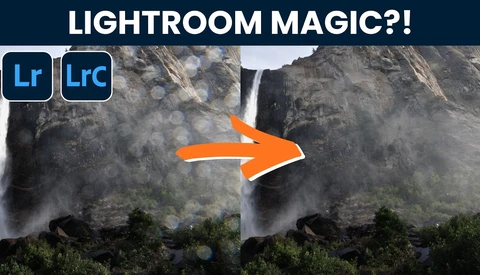
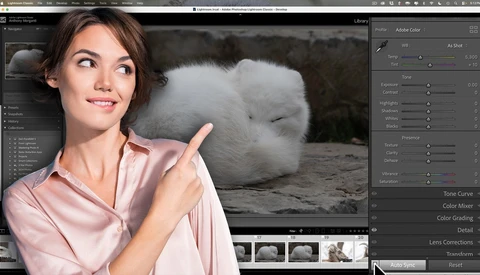
How to Use Lightroom to Enhance a Winter Photo

Lightroom Classic can make a winter scene look clean and accurate, but that is not always the look you want. If your snow scenes keep feeling bland or strangely “digital,” this edit shows how to use white balance and local control to push mood without wrecking the file.

5 Reasons Your Photos Look Fake (And How to Fix Them)

We all want our photos to pop. That desire drives us to experiment with sliders, presets, and AI tools that promise to transform our images into something extraordinary. But there is a fine line between "enhanced" and "radioactive," and most of us have crossed it without even realizing it. Your desire to make a better image is not the culprit. The problem is that when you push too hard, the image loses its anchor in reality, and the viewer stops looking at the subject and starts looking at the editing itself.

Adobe Photoshop AI Credits: Which Tools Drain Your Balance Fast

AI in Photoshop and Lightroom now comes with a meter running in the background, and it is easy to burn through credits without realizing which button did it. If you shoot and edit photos for clients or personal work, that uncertainty can change how you plan edits, what you try first, and what you avoid touching at all.

How Commercial Work Can Replace Wedding Income

There is a common assumption in our industry: if you want to turn your passion into a paycheck, you have to shoot weddings. It’s the "big machine" of the craft. It’s where the money is, sure, but it’s also where the burnout lives. I’ve often sat there—perhaps while nursing a coffee or staring out over a landscape that doesn't pay me back or pay the bills—wondering if there’s a way to be a "professional" without the high-stakes drama of a bridal suite at 8:00 AM.

The Beginner Landscape Photography Tips I Wish I’d Ignored

Beginning landscape photographers get bombarded with tips and advice—some helpful, some confusing, some that just get in the way. Here are the five pieces I really wish I hadn’t taken so seriously when I was starting out.
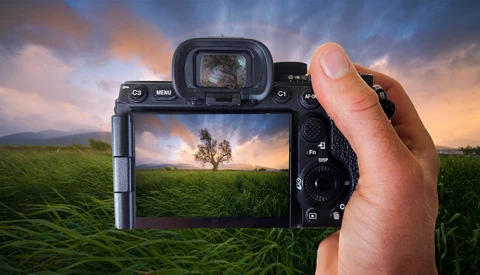
How to Quickly and Easily Edit a Portrait in Lightroom

Portrait retouching in Lightroom often stalls when you get stuck doing the same careful selections again and again. This video puts the spotlight on a faster path using Lightroom Classic’s built-in AI masking, with results that still look like a human made the calls.

The Soft “Window Light” Setup That Actually Holds Up

A clean “window” look in a home studio usually comes down to one thing: how you spread and soften flash before it hits your subject. In this video, the entire setup revolves around a big diffusion wall, and it answers a question you’ve probably wrestled with after a few too-contrasty test frames.

A Beginner's Guide to Creating a Lightroom Catalog

Catalog problems rarely start with editing. They start the first time you import a card, pick the wrong destination, and build a library that is spread across places you did not intend.

Intersect Masks: The Control You’re Missing in Lightroom

Masking in Lightroom can be the difference between an edit that looks clean and one that looks like you forced it. If you rely on quick global sliders, this is the kind of skill that quietly fixes the problems you keep seeing in skies, edges, and small details.

Photoshop Inside ChatGPT: What Works, What Breaks

Using Adobe Photoshop inside ChatGPT changes the math on quick edits, especially when the job is small but time is tight. The catch is that the results can look polished one minute and sloppy the next, so knowing what it can and cannot do saves missed deadlines and rework.

The Simple Settings That Make Manual Focus Easier

Perfect autofocus is useful, but it can also push you into shooting the same clean, predictable frames every time. A small manual focus lens can change how you move, what you notice, and the kind of mood you bring back from a night out.
How to Get Real Estate Clients Without Cold Calling

Landing steady real estate work usually fails or succeeds before anyone sees your images. The difference is whether agents can quickly tell you are reliable, easy to hire, and worth calling back.

The Most Underrated Camera Spec in 2026

When you shop for cameras online, spec sheets emphasize familiar metrics: 20 frames per second, 30 frames per second, 8K video, blackout-free shooting. These numbers look impressive. They sound impressive. And they are. But they are often misleading when it comes to final image quality.

Sky Masking in Lightroom: The Fix for Halos and Gaps

Sky masks in Lightroom look effortless until you push exposure and discover halos, gaps in leaves, and messy edges around roofs and ridgelines. Get this wrong and the sky starts bleeding into everything that should stay crisp.

Creative Stages That Quietly Shape Every Photo You Make

You can feel stuck in photography even when you keep shooting, because the problem is not effort, it is the stage you are in. This video breaks that fog by mapping the creative arc most people move through, from early wins to the hard middle where taste outpaces results.

Why Photographers Confuse Creativity With Effects

In contemporary photography, effects often look like ideas, and imitation easily appears intentional. Quick visual formulas create an impression of creativity long before any thought has a chance to appear.

5 Things Professional Photographers Do That Beginners Don't

Walk into any camera store and you'll find hobbyists agonizing over sensor specifications and professionals grabbing whatever battery is compatible with their current kit. Spend time at a wedding venue and you'll watch amateurs fiddling with settings while the hired photographer works the room like a chess grandmaster three moves ahead. The difference between a professional photographer and an enthusiastic hobbyist has almost nothing to do with the price tag on their equipment. You can hand a beginner a $4,000 mirrorless body and a $2,500 lens, and their work will still scream "amateur" to anyone paying attention. Meanwhile, some of the most respected working photographers in the industry are still producing stunning work with gear that forum dwellers would dismiss as obsolete.

The Important Photoshop Tab Clues You’re Probably Ignoring

Tiny marks in your Adobe Photoshop document tab can quietly signal problems that cost time, color accuracy, or even a full edit. If you have ever seen an asterisk or a hash and ignored it, there is a good chance you have chased the same confusion later when a file suddenly looks off.

Why Ignoring the Histogram Might Improve Your Photos

You can lose the thread of a shoot by staring at tools instead of the scene. This video is about pulling attention back to what you see, what feels right, and why that shift changes how you work in the field.

Better Than New: When Cameras Stopped Getting Better

Chasing the newest body can make you miss the bigger question: did cameras already hit the point where they were good enough years ago? This video pushes you to rethink whether constant upgrades actually improve your work or just keep you busy comparing specs.

5 Common Mistakes New Film Photographers Make

Film photography has experienced a remarkable resurgence over the past decade, drawing in photographers who crave something tangible in an increasingly digital world. But here's the uncomfortable truth that nobody mentions in those dreamy Instagram posts of vintage cameras and coffee shop aesthetics: film is expensive. When you factor in the cost of a roll of quality 35mm stock, professional development, and scanning, every single frame you shoot costs roughly $1.50. A 36-exposure roll represents a $40-50 investment before you even see the results. Unlike digital, where you can fire off 500 shots and delete 499 of them without consequence, film punishes mistakes with real financial pain.

Using 24mm and 50mm to Control Portrait Mood and Context

Portraits fall apart when the lens choice fights the moment or the setting. Using 24mm and 50mm on a full frame camera forces you to decide whether a portrait is about connection, context, or the tension between the two.

Beyond the Raw: How to Craft a Minimalist Fine Art Masterpiece

There is something about a lighthouse that demands a certain kind of stillness. I’ve spent more hours than I care to admit standing in the wind, looking at these structures—whether it’s Poolbeg Lighthouse in Dublin or a lonely sentinel on the coast of Portugal—waiting for the light to match the mood I see in my head.

Make Your Subject Pop Without Blurry Backgrounds

Getting your subject to pop is the difference between a frame that feels intentional and one that feels like a snapshot. This video focuses on making that happen with available light instead of leaning on blurry backgrounds.

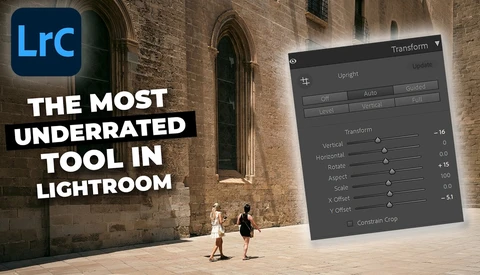
The Lightroom Masking Shortcuts That Stop Bad Edits Fast

Masking is where Lightroom edits either look clean and intentional or start to fall apart at the edges. If you have ever nudged Exposure and realized you changed the whole frame instead of a small area, this topic will save you from that kind of mistake.

Stop Chasing Sharpness and Start Making Better Photos

Sharpness is easy to chase and hard to quit, especially when a slightly soft frame feels like a personal failure. The bigger risk is letting sharpness decide what you shoot, how you shoot, and what you think “good” looks like on a screen.

Photo Colorization That Stays Realistic

Restoring color in a black-and-white photo can go sideways fast when the tool nudges details, shifts edges, or invents texture that was never there. The video breaks down how to add believable color while keeping the original photo’s shapes, pixels, and fine features untouched.

A 5-Rule Reset When Your Photos Feel Boring

Your photos can look flat even after a solid shoot, and the fix usually has nothing to do with settings. If you want your work to feel less generic and more like it came from your own eye, this video points you toward habits that actually change what you notice.

Tone Curve Moves That Fix Flat Photos Fast

Strong contrast is rarely something you rescue with a single slider after the fact. If you want images that feel intentional instead of flat, you need to think about contrast before you even open an editor, then use the tone curve with a light touch.

Why Your Best Shots Won’t Show Up on Schedule

Your best photos can disappear when your mood drops, even if the light is perfect and the location is right. This video is about the quiet forces that steer what you notice, what you ignore, and what you bring home.

5 Practical Ways to Make Film Photography More Affordable in 2026

Let's address the elephant in the room: shooting film is expensive, and it's only getting worse. We all love the aesthetic, the satisfying mechanical clunk of a manual shutter, and the deliberate slowness that forces us to actually think before we press the button. But somewhere between the nostalgia and the reality, the math stopped making sense. Here's how to make it reasonable again.

AI Dust Removal Just Landed in Lightroom and Photoshop

AI dust removal just became a one-click step inside the Adobe apps you already use, and it changes how you handle every sky, studio backdrop, and clean wall. If you’ve ever exported a “finished” set and then spotted sensor grime in the exact same place across 30 files, you know how quickly that turns into a late-night repair session.

How to Shoot a Boring Location and Come Back With Real Images

You get better faster when you stop relying on the same “safe” spots and learn how to pull a workable frame out of a place that feels like it has nothing to offer. This video is about that exact problem, and it hits the messy middle most people avoid when the light is harsh and the scene looks ordinary.

Three Cheap Moves That Fix Harsh Window Light Portraits

Window light can make a portrait look either effortless or painfully flat, and the difference usually comes down to a few small choices. If you shoot people indoors, this is one of the fastest ways to level up without buying anything.

Recover Blown Highlights in Interior Shots Without Making Them Look Fake

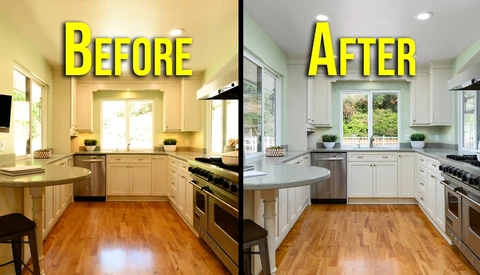
Side-by-side windows can make an interior image look sloppy even when the room lighting feels controlled, because each pane can land in a different world of exposure and color. You see it most when one window has a screen and the other does not or when an open pane overlaps a closed one and the tones stop matching. Here's how to handle them. 

Teleconverter vs. Crop: Everything You Need to Know to Get the Best Photos

Every wildlife or sports photographer knows the feeling. You've hiked three miles into a marsh, the golden hour light is perfect, and a great blue heron is hunting in the shallows. Then you look at your LCD and realize the bird occupies maybe 400 pixels of your frame. You need more reach, but your 600mm lens might as well be a 300mm for the shot you actually want. This is the focal length wall, and it's a universal frustration that unites wildlife shooters, sports photographers, and aviation enthusiasts alike.

Making Strong Minimal Photos in Busy, Overdone Locations

Minimal photography gets easier when someone shows the decisions, not just the results. This video teaches a repeatable way to build clean frames under time pressure, even when the tide is moving faster than expected.

The Lightroom Object Selection Trick That Beats “Select Subject”

A clean subject mask can make the difference between a shot that looks alive and a subject that looks pasted onto the frame. When Lightroom grabs the branch, the background, and half the subject in one sloppy selection, your edit turns into cleanup work instead of creative control.

How to Break Up With Adobe in 2026: The Subscription-Free Creative Suite

The subscription fatigue is real. Every month, the same charges appear on your credit card statement, a persistent reminder that you're renting the tools of your trade rather than owning them. For many photographers and video creators, this model feels fundamentally wrong. The camera in your bag belongs to you. Your lenses belong to you. Why shouldn't your software?

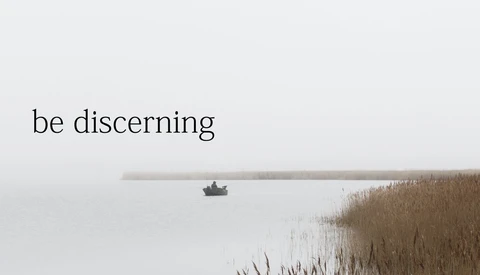
Should you Strengthen Your Photographs With a Thoughtful Title?

Many photographers struggle with the simple act of giving their work a title. Some of us reduce the title to a literal description, while others choose a poetic word that adds nothing. In both cases, the title stops supporting the image and becomes a formality, and avoiding titles altogether leads to the same issue. Here, I outline the common mistakes and a few practical ways a title can guide the viewer’s first steps into the photograph.

Your New Camera Might Be Holding You Back

Buying a new camera can quietly make your photos worse, even if the specs are better. The problem is not your taste or your ambition, it is the gap between what the camera can do and what you can run without thinking.

The One Thing Your Travel Photos Are Missing

One of the most enjoyable genres of photography is travel photography. Who doesn’t love to travel to interesting and exotic foreign destinations and wander around with a camera? It’s great to return home with a collection of images that capture your adventure—images you can show people that give them an idea of where you visited and what you experienced.

How To Get Better Astrophotos Without Upgrading Anything

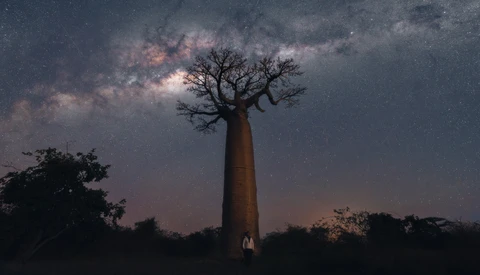
Ten years into shooting deep space, the biggest shifts are not in your gear bag, they are in how you practice, judge progress, and stay motivated when results are messy. If you want better night-sky images without getting trapped in comparison spirals or tech paralysis, this video lays out a sharper path.