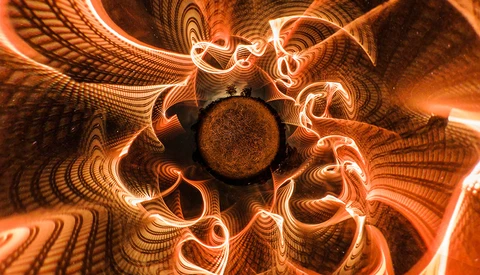
How to Create Stunning 360 Light Paintings
Rod Evans has found a new use for his 360 camera, and the results are absolutely stunning.
Rod Evans has found a new use for his 360 camera, and the results are absolutely stunning.
We have all experienced it: loading our photos into Lightroom just to realize they are very disappointing. Instead of trashing them, go through the photos, analyze them, and see why they do not work.
Shooting tethered can have a lot of benefits that can really add to your workflow whether you're in the studio or on location, but it's not without its drawbacks too. This great video examines the pros and cons of shooting tethered.

It is relatively easy for most photographers to take a few quick snaps even at slow shutter speeds and get sharp photos. But if you've ever spent hours on an assignment or shooting an event, the constant handholding of your gear and general body fatigue throughout the day can slowly make getting sharper images harder and harder.
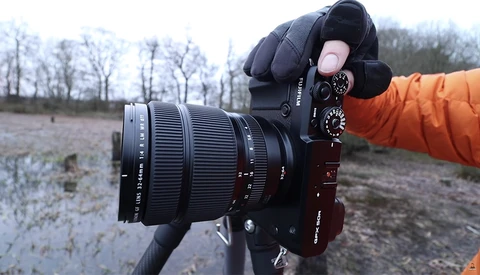
There are somewhere around 7.5 billion people on the planet, and with that many, it might seem as if every possible landscape photography location has been explored. But really, that's just not the case, and you might be missing out on some great opportunities.
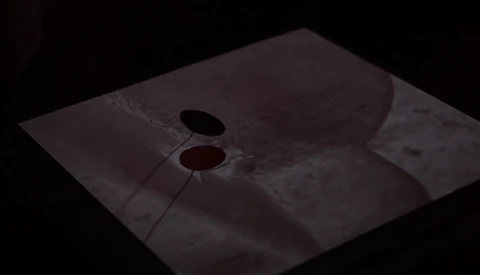
You have probably heard of dodging and burning before, holdover terms from the film area that describe the process of making areas of an image lighter or darker to emphasize different parts. If you're interested in working with film and creating your own prints, this great tutorial will show you just how it's done.
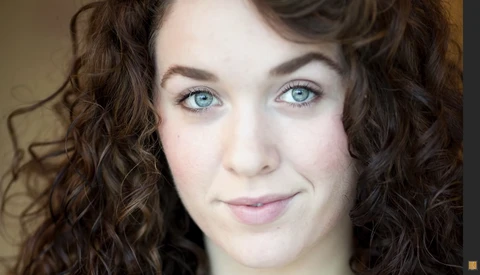
Sometimes, you miss focus slightly, but the expression and everything else are there, and the client ends up picking that portrait. What do you do in that case? Try replacing the eyes.
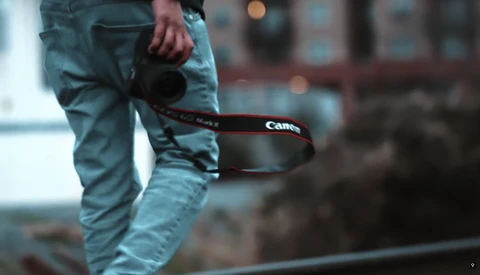
You've got some extra money burning a hole in your pocket and you're ready to upgrade your gear, but is it better to spend that cash on a new camera body or a new lens? This helpful video will help you decide.
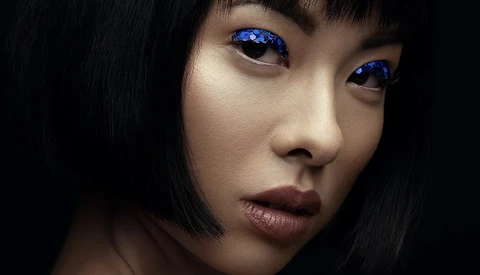
Many photographers quickly move on from umbrellas, because they can seem very hard to control and a bit unwieldy. However, umbrellas can be surprisingly versatile, and this great video will show you five ways to use them in your photos.
Color toning is one of those final steps that can really make your photos both pop and add a very personal stylistic touch. This awesome video will show you an advanced color toning technique using Photoshop.
People are going to the plastic surgeon to get rhinoplasties because their mobile phone cameras distort their noses too much while taking selfies. What does photography mean in 2019, and where are we going?
More and more photographers are starting to also add video work to their services, and while there are certainly some similarities between the two, it's important to understand the differences and unique requirements of video. This great video will show you five of the most common mistakes photographers make when they first undertake video work.
Working in a creative field is often full of uncertainty and feeling the need to compare yourself to others. This great video talks about why that's a toxic attitude.
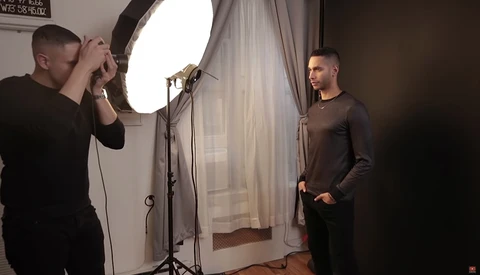
When you're new to artificial lighting, it can all seem a bit overwhelming. This helpful video will give you a very quick introduction and some helpful tips.
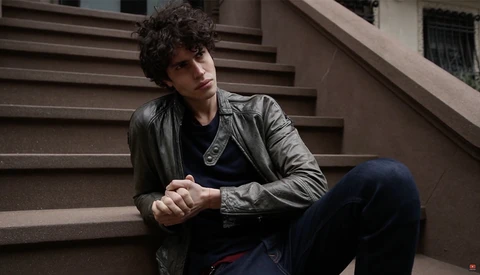
Posing can be a particularly hard thing for many photographers to master and is often one of the last skills they acquire. This helpful video will give you five go-to poses you can use when working with men as well as some helpful tips.
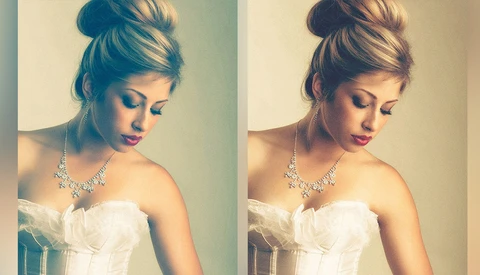
I have mentioned before that I am always seeking new ways to improve. Today, I want to share one of my daily initiatives that I religiously employ, and that’s my daily color exploration.
Each scene, each set offers a different set of challenges, and practice is what makes us better at any one specific thing.
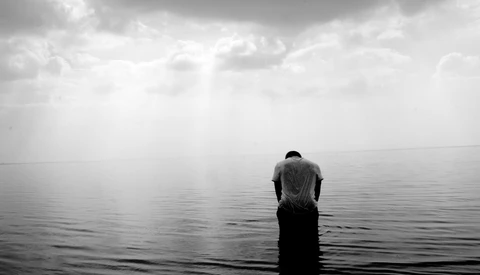
A scratched car, tiredness, and terrible weather are just some of the things you might encounter in your photography. I was hit by all three on a late evening in the Faroe Islands.
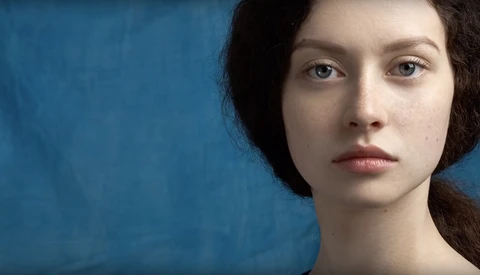
Sharpening an image using a high-pass filter can really make it pop, however sharpening the entire frame doesn't always provide the best result, and adding tons of layers can become cumbersome. Fortunately, PiXimperfect's Unmesh Dinda has come up with a great new way to sharpen selected areas without adding a lot of unnecessary layers.
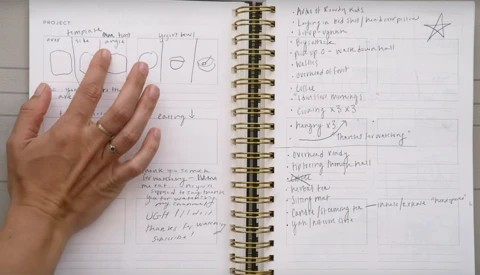
Filmmaking requires a lot of forethought and discipline to stay organized. For those of us interested in recording our toes dipping into the proverbial water, it's a good idea to learn to storyboard. In this video, photographer Iz Harris breaks down her simple process for those new to the concept.
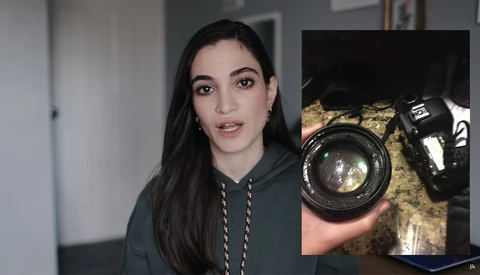
Camera equipment can be a dangerous combination of fragile and expensive, and when things go wrong, the bills can add up very quickly. This cautionary tale is a great reminder of why it's important to ensure your equipment is not only safe, but that you have proper insurance.
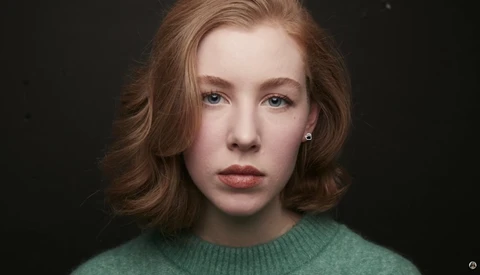
When you're first starting out in lighting, it's always a good idea to start out with single-light setups, so you can master the different parameters and qualities of light before moving into more complex and intricate designs. This helpful video will show you the vast versatility you can get out of a single light and an octabox.
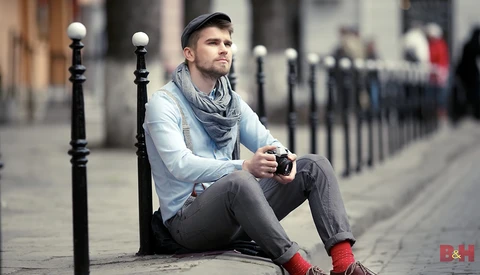
Let's be really honest for a second here: almost all of us love a shot with some really good bokeh in it. This quick and helpful video will tell you everything you need to know about getting those buttery smooth backgrounds.

When you make the big leap of faith and decide to turn your passion for photography into a business, one of the most difficult tasks is working out how much to charge for your services. Whatever it is, you should never make this mistake.
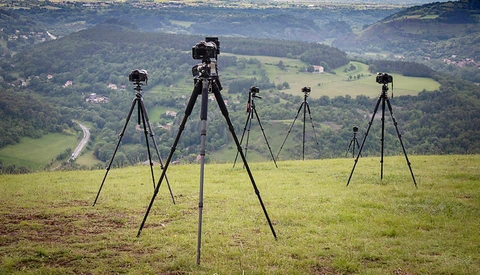
Do you hate using a tripod? Do you find it too cumbersome to use, heavy, and do you think it stands in the way of creative photography? You are not the only one. I meet a lot of photographers during my workshops and masterclasses that find the tripod a necessary evil. And most of the time, it is because they are using it the wrong way.
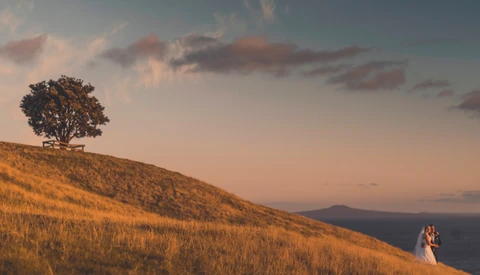
You’ve covered your bases for that ever elusive amazing sunset shot: you’ve checked the time for sunset, mapped the exact location of the sun, and have composed a few frames so you know what to do when you get to the location. But what about the location itself?
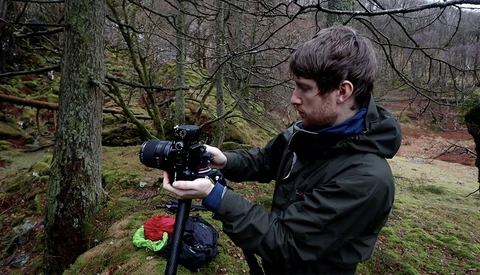
Spend enough time in photography, and it's likely you'll stop and realize one day that you seem to have drifted away from the reasons you got into it, and you might not even enjoy it anymore. This great video talks about getting back to the basics and not losing sight of why you enjoy taking photos in the first place.

Glassware can one of the trickiest products to shoot, but when you nail the shot, you'll find the results were well worth the effort. This quick and helpful video will show you how to eliminate pesky reflections and get a clean, well-defined shot of glassware.

The five-in-one reflector is one of the first accessories any photographer should own, and it's something you'll likely hang on to throughout your career, as it proves itself endlessly useful and versatile. This great video shows the wide range of different looks you can achieve using a single light and reflector.
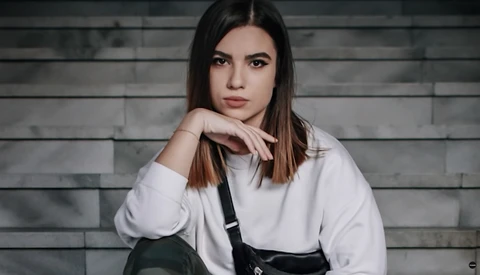
Dodging and burning remains one of the most classic and powerful techniques to shape the light in your photos and emphasize your subject in a straightforward and natural way. This quick and helpful tutorial will show you an easy way to dodge and burn your images using Photoshop.
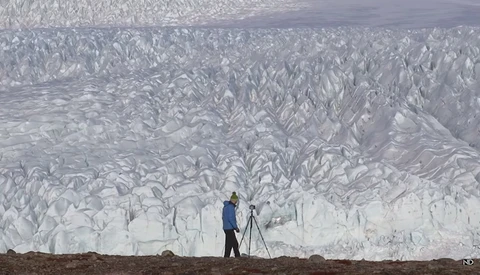
As we start 2019, it's a great time to take a look at your photography skills and habits and start prioritizing where you'd like to improve in the coming year. This great video will give you seven tips and ideas to think about trying this year.
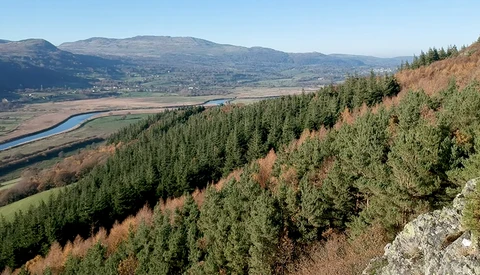
Pick any genre of photography, and you can spend days listing the rules and tips to make one successful in it. But sometimes, it's good to remind ourselves of the essentials that we should always be thinking of when shooting, and this great video does just that for all you landscape shooters out there.
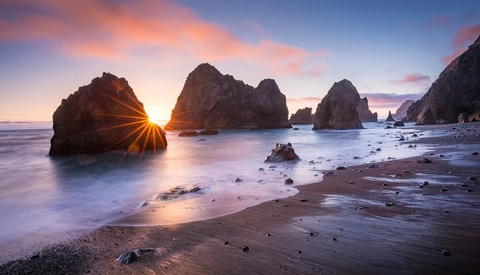
Nothing says sunrise or sunset like an explosive sunburst. The geometric pattern can double the interest in your photos when composed soundly, but you need to get a few settings in order. Here’s a guide to picking the right lens, mitigating flare, and composing the shot just right to create crisp, gorgeous sunbursts!
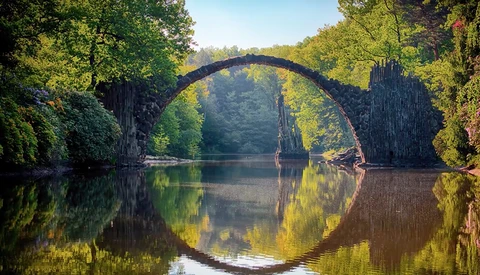
Got a minute? This awesome tutorial will show you how to easily add a nice pop of saturation to a landscape photo in record time using Photoshop.
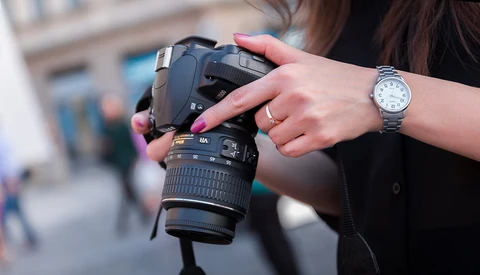
Is your camera’s histogram still a mystery to you? Here is everything you need to know to read a histogram and how it will benefit you as a photographer.

High ISO is usually meant to be used when there's not enough light. However, there are cases when you have to take it up from its minimum value even when the sun is bright.
There's nothing tricky about that statement. You will see it's all about physical and optical demands that you need to put a bit of grain in your images in order to get a decently exposed and sharp image.
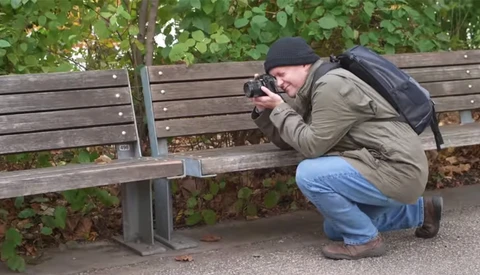
Got a new camera for Christmas but you're not Lindsey Adler yet? Here are some great tips to send you on your way to mastering your new gear.
Larger images provide a world of options for photographers, but if you're not careful, more pixels could mean more problems. If you're one of the many photographers finding yourself with a new high resolution camera after the holidays, here's a guide to wrangling that newfound resolution.

The festive season is lit, and it's a good idea to make some festive portraits. In this video, Gavin Hoey explains how he blends a background shot taken separately with the model shot that he takes eventually to bring together a beautiful fine art festive portrait image in the end.
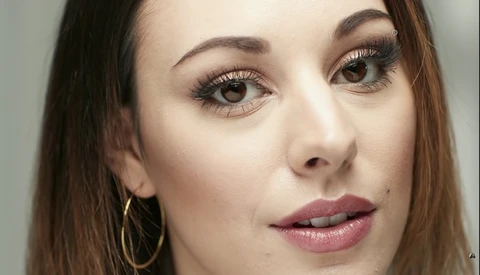
Lighting isn't just about following tried and true recipes to get standard shots; it's about experimenting to create something unique. This great video shows how experimentation can lead to shots you never anticipated.
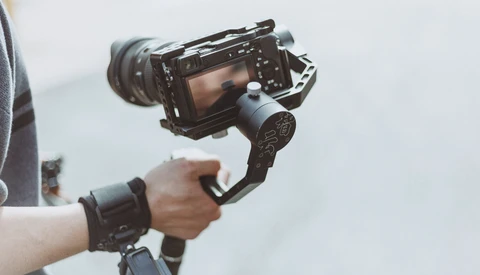
Color grading your videos can be tricky, so it's best to have an arsenal of options when one doesn't work out right. In this tutorial from YouTuber photoshopCAFE, you'll learn how to use Photoshop to digitally enhance and correct your video works.
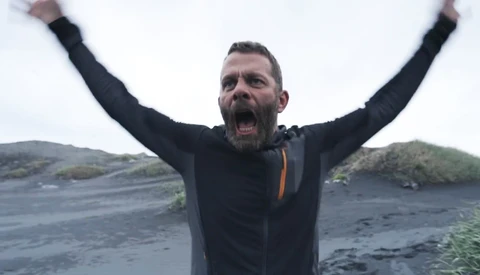
Enduring hard travel just to have your photo ruined by other people is the worst!

We all have our pictures online. But do we have a picture that defines who we are as a professional and what we do? In this competitive world where your digital presence is a business card, what difference does a professional portrait make?
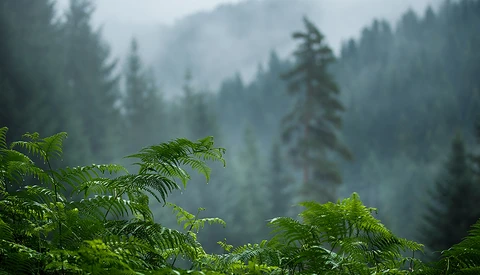
Often, we think a landscape has to be photographed with a wide angle lens and a large depth of field. Some think it is even better to use extreme wide angles and always in combination with a maximum depth of field. But have you ever thought of photographing a landscape with a minimum depth of field?
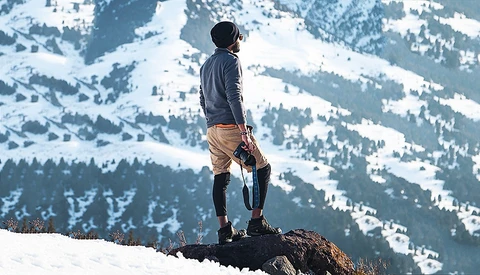
I hate being bored, not so much because of the restless sensation, but because I dread wasting time. Boredom just feels wrong, so I maintain a ready backlog of productive tasks. But could boredom be as essential to your creativity as hard work and tenacity?
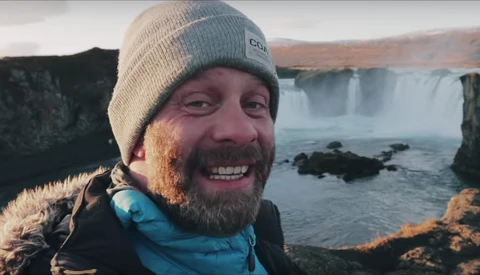
Iceland is still one of the most popular locations for landscape photographers on Earth. Here, a local photographer shares some truths about landscape photography in the land of ice and fire.
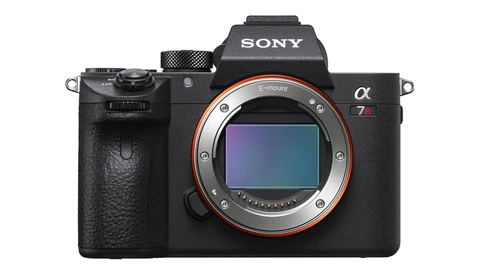
Was Santa kind to you? Did he bring you that brand new camera you've been drooling over for months? Before you run out and start shooting with it, here are 10 things you should do.
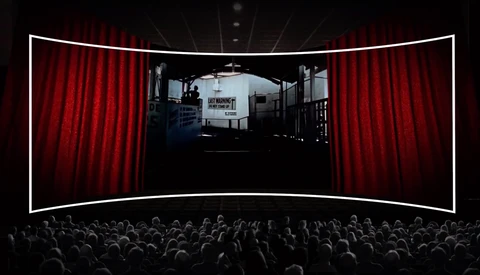
Have you ever wondered why the back of your DSLR has a wide screen on it, or why your monitor at home has a landscape-orientated format? I always thought this was scientifically proven to be the best and most powerful way to watch motion on a screen, but this video shows us how wide screens became the standard.
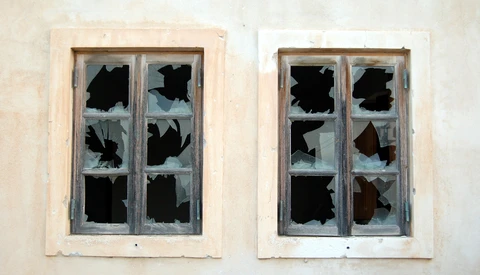
The end of the year is a great time to take a look at the backups and file management you’re currently using. This article details some essential practices and habits to adopt for the new year to help keep your images safe.
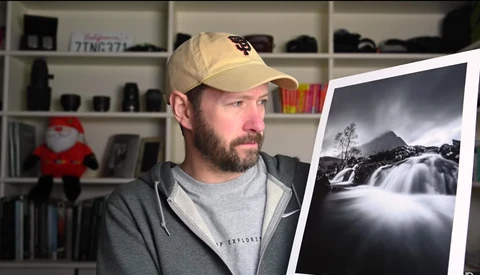
Long exposure black and white landscape photography is beautiful when done well. Check out this great video for one professional photographer's workflow from setup to print.
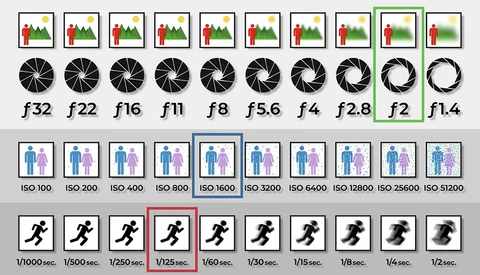
One of the most fundamental things every new photographer should learn is how shutter speed, aperture, and ISO interact to produce an exposure. This great video will introduce you to the three parameters and how each of them determines your overall exposure.