Photography Gear

Gear isn't everything — but it's not nothing either. This section covers the cameras, lenses, accessories, and equipment that photographers actually use, with an eye toward helping you make smart decisions rather than just chasing the latest release. Expect news, analysis, hands-on impressions, and the occasional reality check on whether that upgrade is actually worth it.

Sirui Aurora 85mm f/1.4 Review: Sharp Glass With Quirks

The Sirui Aurora 85mm f/1.4 lens brings a fast aperture and an affordable price for portrait shooters. That combination gives you background separation and subject isolation in a way most smaller lenses can’t, but it also comes with compromises in size and handling. 

Why This $160 27mm f/2.8 Could Be Your Everyday Lens

The TTArtisan 27mm f/2.8 is a compact, lightweight lens designed for APS-C cameras, and it’s priced to tempt anyone who wants a travel-ready option. A small, affordable prime like this opens up options for everyday shooting without adding bulk to your kit. 

Testing the Leica M11 in Real Shooting Conditions

Leica’s M11 is one of those cameras that makes you think about how and why you shoot. It pushes you to slow down, notice the details, and really work a scene instead of blasting through frames. In a world where you’re flooded with options, it’s good to know what a camera like this does differently and what it asks of you. 

5 Camera Specs That Look Great on Paper but Rarely Matter

Camera companies know how to sell dreams. Every press release is packed with bigger numbers, faster speeds, and dramatic leaps in technical capabilities. On spec sheets, today’s cameras look like science fiction compared to models from just a decade ago. But not every shiny number translates into real-world value. 

U.S. Users Can Now Autofocus on Stars With Pentax K-1

Do you wish your camera could autofocus on stars—without reframing? Good news. The venerable Pentax K-1 DSLR now has Star AF available in the U.S. Autofocusing on pinpoint stars just got a whole lot easier—and you can forget endless pixel-peeping. 

An Affordable 35mm Prime With Surprising Performance

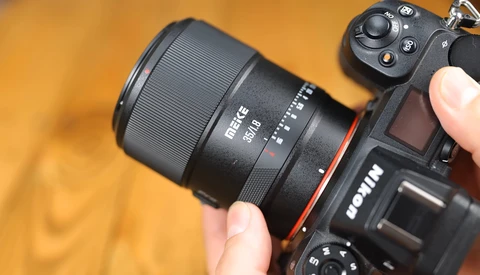
The Meike 35mm f/1.8 Pro AF lens arrives at a price that stands out in a market where fast full frame primes often come at a steep cost. At $379, it promises sharp results, autofocus, and a bright aperture without demanding a large investment. That means a chance to get a versatile lens that can handle everyday shooting without draining your budget. 

Why You Should Travel With a Small Camera

Who doesn’t love going on a trip to explore a new destination with a camera? However, when we’re traveling, weight can be an issue. If we’re flying, there’s only so much gear we can take in our carry-on luggage. When we reach our destination, a heavy, bulky camera and lenses can be a nuisance to take on a stroll and can get conveniently left in the hotel.

The DZOFILM X-TRACT: Redefining What a Macro Probe Lens Can Do

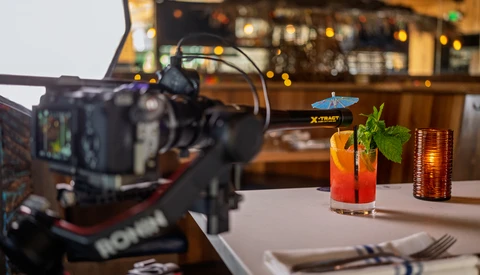
When shooting macro cinematography, you quickly realize just how much the right lens shapes the storytelling process. Many probe lenses tend to either be too rigid in focal length, difficult to balance, or less practical for fast-paced setups. 

Sharp, Compact, and Full of Character: A Closer Look at the Leica 28mm f/2

Leica lenses are known for inspiring loyalty, and the Summicron-M 28mm f/2 ASPH. is one of those pieces of glass that keeps showing up in the bags of serious users. The balance of compact size and striking optical quality makes it stand out, even in a lineup filled with faster lenses.  

Beach Portraits With the Nikon Z6 III Mirrorless Camera

Beach portraits at 2:30 p.m. in blazing sun sound like a recipe for squinting and harsh shadows, yet this shoot shows how to work with shade, backlight, and tight framing to keep skin clean and backgrounds calm. You see how pockets of light and a long lens let you move fast without dragging lights to the shoreline. 

Nikon Announces New Nikon Z f Silver Edition

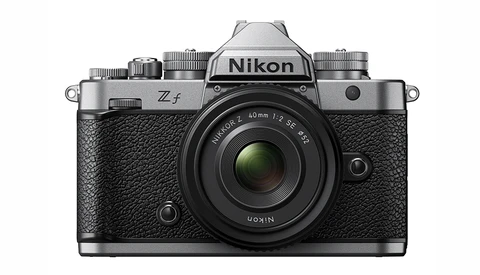
Photographers who like to add a bit of style to their photographic flow can rejoice as Nikon is finally adding a silver option to its line of pocketable street cameras, the Nikon Z f. 

Viltrox Joins the L-Mount Alliance

Viltrox has officially joined the L-Mount Alliance, expanding the group of companies committed to supporting the standardized lens mount. The alliance, which began in 2018, was originally founded by Leica, Panasonic, and Sigma, and has since grown to include brands such as DJI, Blackmagic Design, Samyang Optics, and Sirui. 

Ricoh GR IV Review: Big Improvements in a Pocket Camera

The Ricoh GR series has built a reputation for being pocket-sized cameras that don’t compromise on image quality. If you want something compact enough to carry anywhere but still powerful enough to replace your phone, this line has been worth watching. The new GR IV continues that tradition while addressing some of the biggest complaints from earlier models. 

Is This the New Best Portrait Lens for APS-C Cameras?

The 56mm focal length has long been a favorite for portraits, offering a flattering perspective and natural compression. A lens that brings wide-open sharpness and low-light ability at this focal length is going to attract attention, especially when it’s priced to compete with established options.

Nikon’s New 24-70mm f/2.8 S II Lens Put to the Test at a Real Wedding

The Nikon NIKKOR Z 24-70mm f/2.8 S II lens is one of those tools that can shape how you approach a wedding day. It’s versatile enough to carry you through both photography and video, which makes it a practical choice when you want to travel lighter or avoid juggling too many lenses. Weddings move quickly, and the ability to adapt in seconds matters. 

Why Micro Four Thirds Can Be a Secret Weapon for Macro Photography

Macro photography pushes your camera to the edge of what it can do. The closer you get to your subject, the harder it is to keep details sharp, handle movement, and get enough depth of field to show what matters. Your gear can either make this easier or much harder, and the choice of system has a huge impact on how you work. 

5 Camera Settings You Shouldn’t Leave on Default

Camera makers design their gear for the broadest possible audience. Out of the box, the settings are meant to serve vacationers, hobbyists, and anyone who just wants to point and shoot without digging into a menu. These defaults are tuned for safety, not precision, and they prioritize avoiding disaster over achieving excellence.

Meike 85mm f/1.8 Pro Review: Affordable Portrait Power

The Meike 85mm f/1.8 Pro lens is aimed at giving you a reliable mid-telephoto option without forcing you into the higher prices of first-party glass. If you’re after sharp portraits, controlled depth of field, and a build that feels solid enough for daily use without breaking the bank, it's worth a look. 

5 Times Manual Focus Is Still the Best Option

Autofocus has gotten absurdly good. Between face detection, subject tracking, and AF that locks onto animals, planes, or even trains, modern cameras often feel like science fiction compared to DSLRs of the early 2000s. You can hand a mirrorless body to someone who’s barely touched a camera, and it will produce usable shots in conditions that used to make pros sweat.

Why Your LCD Lies and the Histogram Tells the Truth

The LCD screen on your camera might look like a precise preview tool, but it rarely gives you a faithful representation of your shot. It shifts brightness and contrast in ways that can mislead you, which is why relying on it alone can cost you proper exposure in critical moments. 

Viltrox 85mm f/1.4 Review: Sharp, Fast, and Affordable

The Viltrox AF 85mm f/1.4 Pro FE lens brings something practical and exciting to portrait work. An 85mm lens at this aperture is often seen as essential because it offers shallow depth of field, flattering compression, and the ability to handle both natural light and controlled setups.  

We Review The ASUS ZenScreen Duo OLED MQ149CD: A Portable Monitor That Gets It Right

I've been searching for the perfect portable monitor setup for years. As someone who spends half my time editing photos and the other half buried in code, I need screen space that travels well. My MacBook Pro is powerful enough for anything I throw at it, but that 16-inch display feels cramped when you're jumping between Lightroom panels and multiple code windows. 

Why the Fujifilm GFX 100S II Might Be the Ultimate Stills Camera

The Fujifilm GFX 100S II medium format mirrorless camera promises towering detail and smooth 16-bit color, but real trips expose practical trade-offs in weight, autofocus, and file size. If you want cleaner files and smarter handling without getting tripped up by workflow slowdowns or softer video, this breakdown shows where it helps you and where it might hold you back. 

Why the 40-150mm f/4 PRO Could Be Your Next Travel Lens

A telephoto lens that fits into a jacket pocket changes how you think about traveling with your gear. When you want reach without the burden of a heavy lens, size and weight matter as much as sharpness and build quality. 

Fujifilm X100VI Review: The Compact Camera That Does It All

The Fujifilm X100VI has quickly become one of those rare cameras that changes the way you think about shooting. It’s compact, unassuming, and yet powerful enough to handle both stills and video without making you feel like you’re compromising.  

7Artisans 75mm f/1.4 Review: A Budget Lens With Surprising Character

A budget lens with a fast aperture can open creative doors that expensive glass sometimes can’t. The 7Artisans 75mm f/1.4 lens is a strong example of that: compact, solid, and priced at just $180. You’ll give up electronic contacts, autofocus, and weather-sealing, but what you get in return is a lens with real personality and a look that isn’t sterile or overly corrected. 

OM SYSTEM 12-40mm f/2.8 PRO II Review: A Reliable Everyday Zoom

The OM SYSTEM M.Zuiko Digital ED 12-40mm f/2.8 PRO II is one of those lenses you can carry almost anywhere without worrying about what you might miss. It covers the 24-80mm equivalent range, which means you can handle landscapes, portraits, events, and travel with just this one piece of glass.

The Fujifilm GF 32-64mm f/4: The Most Overlooked GFX Lens

The Fujifilm GF 32-64mm f/4 R LM WR doesn’t get as much attention as some of the flashier primes in the GFX system, but it has been a quiet workhorse for years. If you spend most of your time balancing lifestyle, portrait, travel, or food photography, it offers a flexibility that helps you move between different kinds of images without swapping gear constantly. 

Extreme Close-Ups With the Affordable Mitakon 55mm Macro

The Mitakon Zhongyi 55mm f/2.8 1-5x Macro is built for a very specific purpose: letting you see the world closer than most lenses allow. Extreme macro work pushes both your skills and your gear, and this lens gives you access to magnifications that would normally require specialized, expensive equipment.

The Micro Four Thirds Prime That Punches Above Its Size

A small, bright, ultra-wide lens can make your kit far more flexible. If you’re shooting landscapes, waterfalls, or night skies, carrying one compact prime instead of a heavy zoom changes how long you can stay out and what you can bring back. 

Leica M11 Long-Term Review: Still Worth the Price in 2025?

The Leica M11 is not just another digital camera. It’s a tool that forces you to slow down, commit to a process, and engage with your work in a more deliberate way. Whether you’re using it at a wedding, traveling abroad, or making everyday family photos, this camera asks you to be intentional.

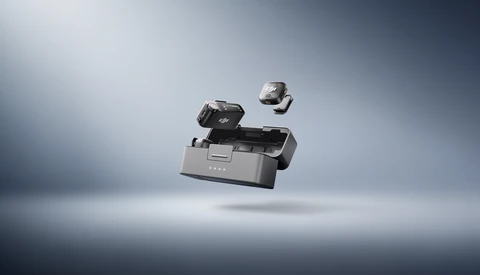
The DJI Mic 3 Brings Pro Features in a Compact Size

The DJI Mic 3 isn’t just about better sound, it’s about cutting down the number of compromises you make when recording. Whether you’re working outdoors in shifting conditions or indoors with multiple voices, the updates here are designed to solve real problems you’ve likely run into before. 

Sigma 200mm f/2 Review: A Unique Lens That Redefines Portrait and Sports Shooting

The Sigma 200mm f/2 DG OS Sports lens is one of those rare tools that changes how you think about shooting. Its fast aperture and reach give you creative options you don’t get anywhere else. For portrait work, it can create subject isolation that looks almost unreal. For sports and action, it offers the kind of speed and sharpness usually reserved for the most expensive first-party lenses.

The Best Part of Nikon's Firmware 2.0 for the Z6 III

In addition to new capabilities like a dedicated bird autofocus mode that bring the Z6III’s capabilities in line with cameras like the Z8 and Z9, Nikon’s new firmware 2.0 brings an added, likely overlooked, feature that is worth pointing out. 

Canon’s Cheapest Zoom Lens Tested in the Real World

The Canon RF 75-300mm f/4-5.6 lens is one of those rare pieces of gear that might actually change how you approach everyday shooting. It’s not built for prestige or to impress with specs, but it opens the door to focal lengths you can’t reach with a kit lens or a phone.

DJI Unveils Mic 3: A Smarter, Lighter Wireless Audio System for Creators

DJI has expanded its OsmoAudio™ ecosystem with the launch of the DJI Mic 3, a next-generation mini wireless microphone that combines the compactness of Mic Mini with the functionality of Mic 2—giving creators professional-grade sound in a compact, easy-to-use package. 

Broncolor Announces Stelos 800 L Battery Monolight With Adjustable Flash Color Temperature

Broncolor has announced the Stelos 800 L, a battery-powered monolight delivering 800 joules and a notably compact design. The unit adds adjustable flash color temperature, a feature the company has typically reserved for its power packs, alongside high-speed sync, V-mount battery support, and USB-C power input. Availability is slated for September 2025 through authorized partners. 

Sigma’s 200mm f/2 Sports Lens Brings Back a Classic Look

It’s been years since a 200mm f/2 prime lens hit the market, and Sigma has finally brought one back. For portrait work, the lens opens doors to a unique look you won’t get from the usual 85mm or 70–200mm zooms. 

Can You Use APS-C Lenses on Your Full Frame Mirrorless Camera?

Mixing APS-C lenses with full frame cameras has long been considered a mistake, something you’d never want to do if you cared about image quality. But depending on your needs, it can be a smart and practical choice. The trade-offs aren’t as black and white as they first seem, and in some cases, the benefits may actually outweigh the downsides. 

Hasselblad Announces X2D II 100C Medium Format Camera and XCD 35–100mm f/2.8–4 Lens

Hasselblad has unveiled the X2D II 100C, a 100-megapixel medium format body that expands on the original X2D with HDR capture, AF-C continuous autofocus, and a stabilization system the company rates at up to 10 stops. The announcement also includes a new standard zoom, the XCD 2.8–4/35–100E, along with a line of 86mm filters and a camera backpack. 

How Lens Choice and Camera Angle Can Transform a Pose

Creating flattering portraits isn’t just about telling someone how to stand. The way you position your subject, the lens you use, and the angle you shoot from all come together to decide how your subject actually looks in the final image. Small changes in these areas can completely transform how someone appears, which is why learning to control them matters so much. 

The Sigma 12mm f/1.4: A Compact Wide Angle Powerhouse

The Sigma 12mm f/1.4 DC Contemporary lens steps into a rare corner of the APS-C lineup. Wide primes at this focal length are scarce, and that means fewer choices when you want a compact lens with a dramatic perspective.