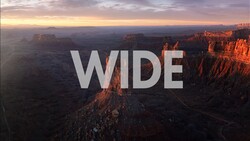
A wide angle lens can make a scene look huge, but it can also turn your frame into a pile of “everything” that says nothing. If your landscapes feel sharp yet forgettable, this video focuses on five small habits that quietly wreck otherwise good work.
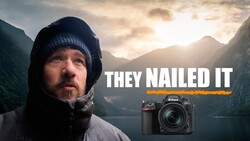
Coming to you from Toma Bonciu, this blunt video starts with a problem you can spot in seconds: the frame has no clear subject. Bonciu quotes Adams: “There is nothing worse than a sharp image of a fuzzy concept.” Then he gives you a litmus test that stings a little: if you cannot answer “What is the subject?” you already know why the photo collapses. The useful part is how he describes the moment before you press the shutter, when you felt something but never named it. He pushes you to pick one trigger, not five, even if the place is spectacular.
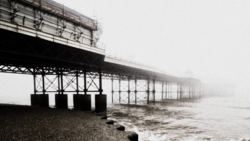
Next he shifts to contrast thieves, the small bright or colorful distractions that hijack attention away from the subject you thought you chose. He frames it as a hierarchy: subject first, then everything that competes with it. The practical method is simple and fast: “zoom in” mentally, then back out slowly while interrogating each new element entering the edges. Is that bright patch louder than the subject. Is light landing in the wrong place. Is a strip of sky pulling the eye out of the frame. He also hints at a patience problem, since waiting for light to hit the subject is often the real fix, and patience is the part people skip when they are excited.
The third mistake is the one that traps you when you bring a wide angle lens into big country and start believing more coverage equals more impact. Bonciu challenges the assumption that wide angle exists to “capture everything,” and he ties it to how vision works in real life. When you stare at a scene, only a small slice is truly sharp in your attention, while the rest fades into context. If you try to make every rock, cloud, ridge, and tree equally loud, nothing leads. He points toward foreground anchoring as a way to give the eye a place to land before it travels deeper into the frame.
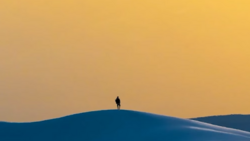
Where the video gets more uncomfortable is when Bonciu turns from capture mistakes to the parts you do later, when nobody is watching. He raises a composition issue that sounds minor until you start checking your own frames: areas that do not do any work can throw off balance unless you place them on purpose as negative space. Cropping can rescue you, but it comes with tradeoffs when you want to print, and that tradeoff is easy to ignore when you are staring at a screen. Then he tees up his final point about editing without a plan, when the first move is mindless contrast and saturation instead of deciding what the photo is actually about, and he describes a slower approach that changes what you touch first in the edit panel. Check out the video above for the full rundown from Bonciu.

Join the Fstoppers community for free
-
Post comments and join in the discussions
-
Browse the site ad-free
-
Share your work and get featured in the community
-
Compete in the photo contests for fun and prizes
2 Comments
I hate negative articles, would rather read about tips etc. These video articles are about the creator first subject much later. I do not have time for that.
A great talk to help you sharpen your eye tool. When using a super wide lens like a 10 or 12mm remember what you see with out your peripheral vision back in the day film makers would hold up there hands joined at the thumbs and fingers out stretched the reason just look straight at at a photo/painting on the wall, I mean just stair but notice the sides out of focus. It is like you are driving and read the licensee plate on the car in front but with your mind notice the tail lights are out of focus, the main idea is no matter the size of a printed or even your monitor you have to look and section at a time even a post card. what you are doing with the 10 or 12 mm is you are capturing your peripheral vision the reason in older times a 50mm was the go to lens also remember that for indoor capture of a room never go wider than 16mm but use a 16-35 for indoor things any wider are farther looking and sometimes you will want a closer, just saying think before.
Also it takes time to train that eye only after many many photo before images do not look like a tourist photo!!!