
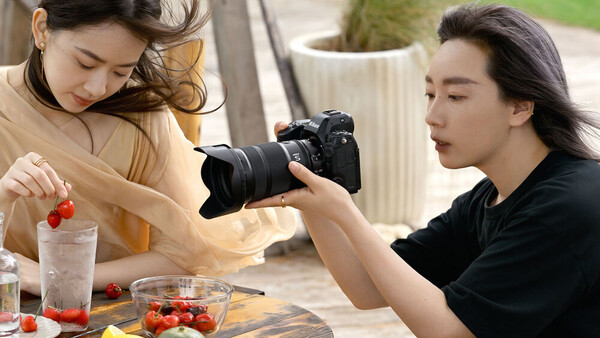
It's not a lens of "magic" or "character." It's a tool of unparalleled reliability. Here's why the 24-70mm f/2.8 is the one lens that most often defines a working professional and one you should consider for your bag.
The Standard Issue Workhorse
Open the camera bag of almost any working professional photographer, from a photojournalist covering breaking news to a wedding shooter documenting someone's most important day, and you will find a 24-70mm f/2.8. It sits there, often slightly scuffed and well-used, alongside the "character" lenses like fast f/1.2 primes or the "specialist" glass like ultra wide zooms. This lens is the centerpiece of what professional photographers call the "Holy Trinity" of f/2.8 zooms: the 16-35mm f/2.8, the 24-70mm f/2.8, and the 70-200mm f/2.8. Of these three workhorses, the 24-70mm stands apart for a singular reason: its sheer, unapologetic utility.
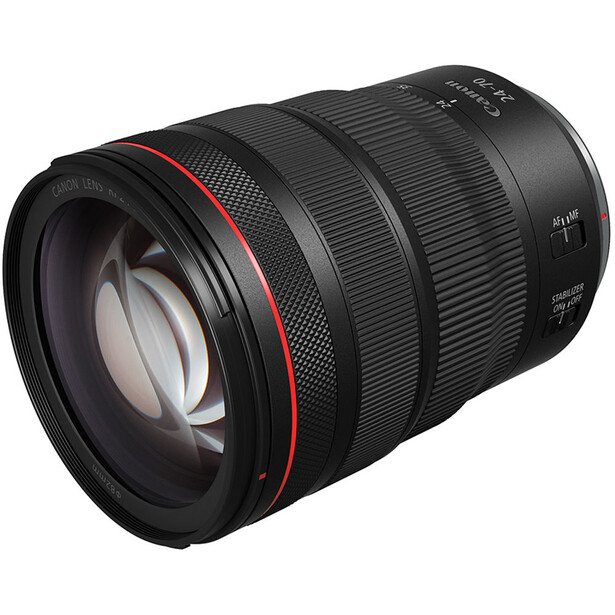
The 24-70mm f/2.8 is the ultimate generalist tool. Its value is not in its unique character, but in its absolute versatility and reliability. It is, quite simply, the lens that pays the bills. While hobbyists can afford to chase aesthetic dreams with specialty glass, professionals need a lens that shows up every single time, in every single situation, and delivers exactly what the client expects. That's the 24-70mm f/2.8.
The Case for Boring
The lens has earned its utilitarian reputation through intentional design choices. It's often dismissed with the phrase "jack of all trades, master of none," and that criticism is not entirely unfair from a purist's perspective. The 24-70mm f/2.8 cannot create the paper-thin depth of field and creamy subject isolation of an 85mm f/1.4. It cannot capture the epic, immersive drama of a 14mm ultra wide or the reach and compression of a 70-200mm. If you're looking for a lens that excels at one specific thing better than any other lens on the market, the 24-70mm will disappoint you.
But that's exactly the point. This lens is an engineering marvel designed to be sharp corner-to-corner, with minimal distortion across its entire zoom range and controlled flare even in challenging backlit conditions. It's a tool of prosaic excellence. It captures reality, not a dreamy interpretation of it. The colors are accurate, the rendition is neutral, and the optical performance is consistent from 24mm all the way to 70mm. This predictability is exactly what a professional client pays for. When a corporate client hires you to photograph their annual gala, they're not paying for your artistic interpretation of their event through vintage glass with character flaws. They're paying for clean, sharp, properly exposed images that accurately document what happened. The 24-70mm f/2.8 delivers that product with ruthless efficiency.
The "boring" reputation is actually a compliment disguised as criticism. A lens that never surprises you, never produces weird bokeh fringing, never soft-focuses in the corners, and never flares unpredictably is a lens you can trust with your livelihood. That kind of reliability has immense value in professional work.
Why It Is the Most Valuable Lens for a Working Pro
It Covers the Essential Prime Focal Lengths in One Package
This lens single-handedly covers the most critical focal lengths for visual storytelling. At 24mm, you have your wide angle establishing shot, perfect for capturing the scope of a room, the architecture of a space, or the context of an environment. Zoom to 35mm and you're in classic "environmental" storytelling territory, the focal length that photojournalists have relied on for decades to show subjects in their natural context. At 50mm, you're shooting from the "normal" human-eye perspective, the baseline focal length that feels most natural and neutral. And at 70mm, you have a flattering short-telephoto perspective ideal for portraits and isolating subjects from busy backgrounds.
The Constant f/2.8 Aperture
The f/2.8 maximum aperture is the key specification that separates professional zooms from consumer models. Amateurs often look at f/2.8 and see it as "slower" than their f/1.8 primes. Professionals look at f/2.8 and see it as the perfect baseline aperture for real-world working conditions.
First, it's constant. The aperture does not change when you zoom from 24mm to 70mm. This feature is non-negotiable for video work and crucial for maintaining consistent exposure during fast-paced manual shooting at events. A variable aperture zoom that goes from f/3.5 to f/5.6 means your exposure shifts every time you zoom, forcing constant adjustments in lighting conditions where you might have no time to compensate.
The Number One Choice for Hybrid and Video Shooters
For any photographer who also shoots video, the 24-70mm f/2.8 is the undisputed king of versatility. Its zoom range and constant aperture make it the default lens for gimbal work and handheld video. Trying to swap and rebalance multiple prime lenses on a motorized gimbal mid-shoot is a workflow-killing nightmare that eats time and risks missing critical moments. The 24-70mm covers 90% of all B-roll shooting needs in one package, from wide establishing shots to medium close-ups, all without ever removing the camera from the gimbal.
The constant aperture is even more critical for video than it is for stills. In video, you can't adjust exposure between frames. A lens that shifts aperture values as you zoom will cause visible exposure changes in your footage unless you're constantly riding the ISO or shutter speed, both of which create their own problems. The 24-70mm f/2.8 lets you zoom smoothly during a take without any exposure shift, a fundamental requirement for professional video work.
It Is the Lens of Business
The 24-70mm f/2.8 is the ultimate "get the job done" tool. It is, without exaggeration, the most hirable lens in photography. When clients pay for professional photography, they're paying for consistent, reliable results across a range of situations, and this lens delivers exactly that.
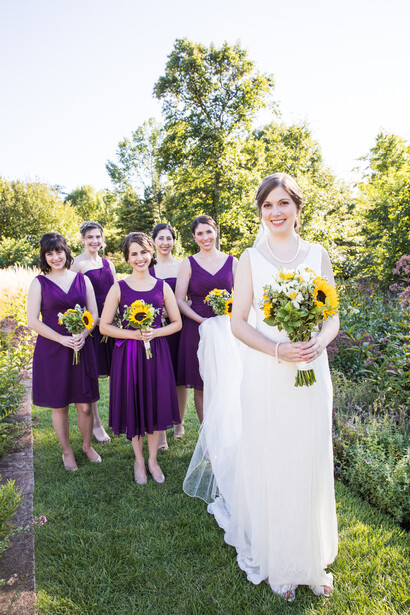
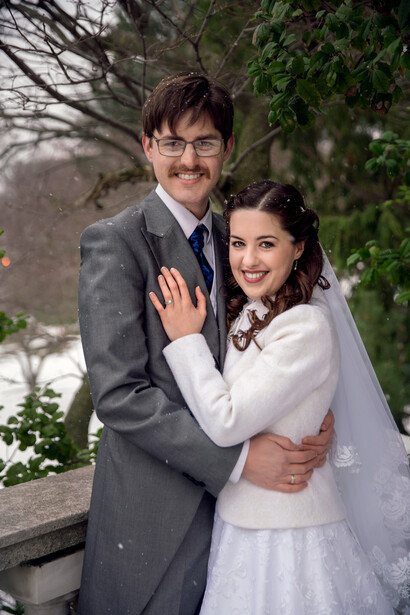
For corporate events, it captures the wide ballroom shot showing hundreds of attendees, zooms to the speaker at the podium for a clean headshot, and handles the endless "grip and grin" handshake photos with executives. For wedding photography, it covers the wide ceremony shot establishing the venue, the candid group interactions during cocktail hour, and the formal portraits of the wedding party. For editorial assignments, it shoots the environmental portrait showing a subject in their workspace, the detail shots of their craft or tools, and the establishing shot of the location. In commercial work, it's the lens that shoots the wide product in context, the medium detail shot, and the slightly tighter final hero image.
This lens reliably delivers the exact visual product that commercial and event clients expect and pay for. It's not the lens that wins awards for artistic vision. It's the lens that wins repeat bookings because clients know exactly what they're going to get, and they get it every single time.
The Trade-Offs: Cost and Weight
The 24-70mm f/2.8 is not without significant compromises, and understanding these trade-offs is essential to appreciating why it remains a professional investment rather than a universal recommendation.
The cost barrier is substantial. First-party 24-70mm f/2.8 lenses from Canon, Nikon, and Sony typically retail between $1,800 and $2,300. This is often twice the price of their f/4 counterparts and significantly more expensive than third-party alternatives. For a working professional, this cost is justifiable as a business expense and a tool that directly generates income. For an enthusiast or hobbyist, it's a major financial commitment that may not align with actual shooting needs. The high price point reinforces the lens's status as a professional tool, not a casual purchase.
The weight and size are equally significant factors. That f/2.8 constant aperture requires a lot of large, heavy glass elements. These lenses universally weigh between around 1.5 to 2 pounds, making them hefty. For event photographers shooting 8-to-10-hour weddings or corporate functions, this weight becomes a physical endurance test. Your shoulder aches, your wrist fatigues, and by hour six, you start questioning every life decision that led you to this moment. This bulk is precisely why landscape and travel photographers, who might be hiking miles with their gear, almost universally choose lighter alternatives even when they can afford the f/2.8 version.
The size also makes the lens more conspicuous and intimidating. In photojournalism or documentary work where blending in matters, a smaller f/4 zoom or compact prime might be the more strategic choice. The 24-70mm f/2.8 announces your presence as a professional photographer, which can be both an advantage and a disadvantage depending on the context.
The Caveat (Who Might Choose Differently?)
Adding some necessary nuance: the 24-70mm f/2.8 is not the right choice for every photographer or every situation. Understanding who doesn't need this lens is as important as understanding who does.
The studio specialist working primarily in controlled environments with artificial lighting will often find better value in dedicated prime lenses. If you're shooting headshots all day in a studio with strobes, a single 85mm prime will be lighter, often sharper, and significantly cheaper than a professional zoom. When you control every variable and don't need to adapt quickly to changing situations, the versatility of a zoom becomes less valuable than the optical purity and weight savings of a prime.
The "bokeh" artist or hobbyist who shoots primarily for personal artistic expression and chases the most ethereal, dreamlike background blur will be better served by a collection of fast f/1.8 or f/1.4 primes. If you're shooting portraits in near-darkness or you want that razor-thin plane of focus that turns backgrounds into pure cream, the 24-70mm can't compete with dedicated fast primes. For photographers whose aesthetic demands the absolute thinnest depth of field possible, f/2.8 will always feel like a compromise.
The landscape and travel photographer represents perhaps the most compelling case for choosing differently. For this genre, weight and focal range are often more critical than a fast aperture. A landscape photographer typically shoots at f/8 or f/11 for maximum depth of field, meaning the f/2.8 aperture provides zero practical advantage while adding substantial weight and bulk. Therefore, the lighter and cheaper f/4 version of the same zoom range, a 24-105mm f/4 for extended reach, or a 16-35mm for wider vistas are often more logical and popular choices. The 24-70mm f/2.8 is a heavy working tool built for low-light events and fast-paced shooting, not for 10-mile treks to remote viewpoints where every ounce in your pack matters.
The budget-conscious professional or serious enthusiast has a compelling alternative in third-party from Tamron and Sigma. These lenses offer approximately 90% of the utility of the first-party 24-70mm at roughly half the price and significantly reduced weight and size. The main trade-off is often losing the true 24mm wide end, starting instead at 28mm. For many shooting scenarios, this 4mm difference is negligible. However, for architectural interiors, real estate photography, or situations where you truly need that extra breathing room at the wide end, those 4mm matter significantly. The first-party 24-70mm also typically offers superior build quality, weather-sealing, and autofocus performance. The question becomes: is the extra cost and weight worth the marginal gains in performance and that crucial 24mm? For working professionals who can justify it as a business expense and who regularly need that wide end, the answer is often yes. For everyone else, the third-party 28-75mm represents exceptional value.
The "ultra-pro" shooter with unlimited budget might even look beyond the 24-70mm f/2.8 to the emerging category of f/2 standard zooms. The 28-70mm f/2L is the flagship example: a lens that offers a full stop more light than f/2.8 and can genuinely replace fast primes in many situations. The trade-off is extreme. This lens weighs over three pounds, costs approximately $3,000, and is physically enormous. It represents the "cost and practicality be damned" approach to optical excellence. For most working professionals, the 24-70mm f/2.8 remains the more practical and versatile choice, but the existence of f/2 zooms does contextualize the f/2.8 as a balanced compromise rather than the absolute top of the performance pyramid.
An Ode to the Workhorse
In photography, there exists a clear distinction between show ponies and workhorses. The f/1.2 primes with their glowing bokeh and exotic super-telephoto lenses with their jaw-dropping reach are the show ponies. They're exciting, specialized, and full of distinctive optical character. They're the lenses that make other photographers jealous, the ones that get featured in gear reviews and spark endless forum debates about rendering and micro-contrast.
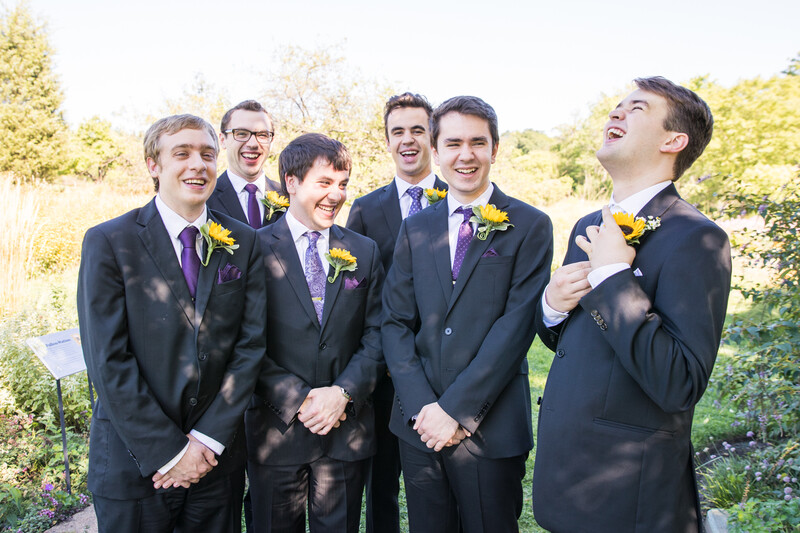
The lens may not be the sexiest piece of glass in your bag, but it's the one that defines a professional relationship with the craft. It's the lens that proves you take your work seriously, that you prioritize reliability over romance, and that you understand the fundamental difference between photography as art and photography as business. The truth is that most working professionals could lose every other lens in their kit and still successfully complete 80% of their paid assignments with just the 24-70mm f/2.8.
So here's to the boring lens. The clinical lens. The workhorse lens that never gets the glamorous spotlight but always, always delivers. It's not "boring." It's reliable. And in the business of photography, where your reputation and income depend on never missing the shot and always delivering what the client expects, reliability isn't just valuable. It's everything.


Join the Fstoppers community for free
-
Post comments and join in the discussions
-
Browse the site ad-free
-
Share your work and get featured in the community
-
Compete in the photo contests for fun and prizes
14 Comments
After 20 years of event work, I concluded that 24 is never wide enough and 70 is never long enough, and switched to a Tamron 20-40/2.8 and Samyang 35-150/2.0-2.8. The 20-40, with Crop Mode stretching it to 60mm, is my ideal crowded-dance-floor lens. The 35-150 fills the role of a 70-200 with a lot less lens swapping. Sony's 50-150/2 also looks like a good match for the 20-40, but it's 4x the price of the Samyang.
After 30 years of event work, I concluded that 24 is always wide enough and 70 is always long enough and switched to a 24-70mm f/2.8. The 24-70mm with crop mode stretching to 115mm, is my ideal crowded dance floor lens. The 24-70 full frame or on crop fill the role of both a Tamron 20-40 and samyang 35-150 but with a whole lot less swapping. See, logic is powerful. If anyone on this planet actually understands logic, I'll come back, until then, ya'll are scheduled for annihilation.
"70 is always long enough"
You must get a lot of nose-hair shots standing right below people speaking onstage.
"The 24-70mm with crop mode stretching to 115mm, is my ideal crowded dance floor lens."
If 70 is always long enough, why would you use Crop Mode for 115mm?
"logic is powerful"...
...when you apply it correctly.
How fortunate for you that your needs are so easily satisfied. Unfortunately for me, 24mm is not wide enough, and 115mm is not long enough.
Cool. How fortunate that your needs are so easily satisfied. Unfortunately for me, 20mm is not wide enough and 150mm is not long enough.
You wrote above: "24 is always wide enough and 70 is always long enough". Were you lying then or are you lying now?
Or, maybe you're just FOS all the time.
If you say so Jacques.
In the absence of any denial...
Annihilation to commence in 3 days.
Who cares.
I couldn't live without my 24-70 f2.8 for filmmaking, it; pretty much all I use 90% of the time. I never use it for photography though, other than occasional tabletop studio work (food and products).
I couldn't live without my 10-20mm f/4 for flimmaking, it's pretty much all I use 91% of the time. I never us it for photography though, other than occasional tabletop studio work (products and food).
I looked at my info in Lightroom and it looks like I use the 24-70 about 50%, 16-35 20%, 70-200 15 % and oddballs like Tilt Shift, Canon, Nikons and vintage 15%. Most work is cars and trucks, lifestyle/branding, etc.
The 24-70 isn't one lens it's 46 lenses :)
Yeah, that 24-70 is a reallll powerhouse of a lens.
As a photographer specialising in maternity and newborn portraits, here’s my take on the article about the 24-70mm f/2.8 lens:
I completely agree with the idea that the 24-70mm f/2.8 is more than “just” a lens — it’s a cornerstone of a professional kit. In studio work, where I control light and environment, having a zoom that reliably covers everything from wider context shots (closer to 24–35 mm) to intimate portraits (towards 70 mm) without changing glass is deeply reassuring. Its constant f/2.8 aperture provides enough versatility to work efficiently, even when subtle light variations occur. While it might not deliver the dreamy shallow depth of field of an f/1.4 prime, it offers predictability, consistency and sharpness. For many assignments — especially when you need to adapt quickly or capture fleeting expressions — that reliability is far more valuable than chasing optical character.