
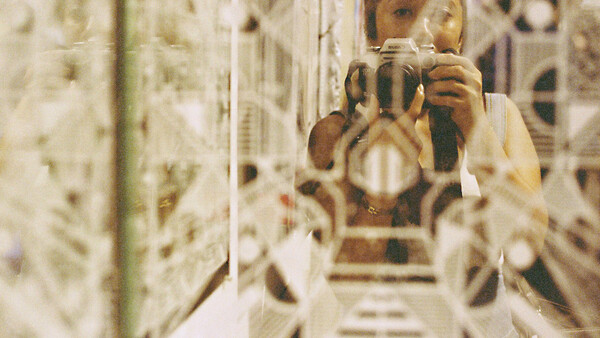
After years of shooting with various "crappy" cameras, I realized they're not always as bad as many would think.
Over 10 years ago, I decided to pick up photography as a hobby and an alternate creative outlet for days when I am overwhelmed with writing work. However, I didn't reach for the best digital camera that my limited budget could buy. I bought a medium format Holga camera, enamored with the fun, colorful, and retro aesthetic of the burgeoning analog revival. It fit the bill of a crappy camera to the T. It was a box made of cheap plastic, painted in gaudy candy colors, and it produced a lot of light leaks. It was a pain to shoot with from start to finish. I had never loaded a roll of 120 film in any camera before, and I wasted a few rolls while learning how to do it properly. I had to tape the nooks and crannies where light could leak inside the camera. I had to make sure the AA batteries were loaded inside the camera before loading the film if I had plans to use the flash later. Finally, I wasted a few more rolls while figuring out how to zone focus with this camera.
Of course, the first photos were crappy. The user experience was horrible. But that didn't stop me from adding one film camera after another to my collection, starting with a Nikon FE2 (a huge leap, I know). It didn't discourage me from shooting film. It only made me want to do it better.
Today, even as I dream of the next decent camera to get for paid and personal work, I still shoot with a bunch of cameras deemed crappy by today's standards. I couldn't resist the charm of Kodak's aptly named Charmera keychain camera. I still have my mom's digital compact camera from over a decade back. I'm also pleasantly surprised at the "modern vintage" trend that has gotten young ones searching high and low for a "digicam." The Olympus PEN Mini I bought secondhand years ago as a digital photo diary camera still sits on my desk. My crude, DIY dry box still houses dozens of film cameras to scratch my occasional film photography itch. Yes, I also kept that flashy Holga as a reminder of how everything began.
All these observations came to a head shortly after I wrote about Tatiana Hopper's reminder that your "bad" camera, more often than not, is the least of your worries. After all, some of the most iconic photos in history were made by cameras that are absolutely crappy next to today's latest and greatest. And yet, their impact, value, and appeal continue to endure.
So, I thought I'd share some worthwhile realizations I had from years of shooting with "crappy" cameras.
Manage Your Expectations
It's reasonable for these cameras to have that "crappy" reputation since they're mostly obsolete or too rudimentary, and thus can't produce pro results. Many of them, however, are still capable of acceptable photos on social media. Others also make great first cameras for beginners, or everyday cameras you can bring with you for some casual snapshots. So, when you manage your expectations about what these cameras are capable of, you save yourself from disappointment. Instead of focusing on the results they can't give, why not find out what you can make out of them?
This was precisely what got me shooting with a Holga in the first place. I already knew that it was going to be a challenging camera for a beginner. But I also learned that it's possible to make something interesting out of it, at the very least. To find out what I could make out of it, of course, I had to keep shooting with it, even if it meant wasting one roll after another. It was all part of the process. So was researching other photographers' results and what they did to get the best photos possible. All this allowed me to know the camera better as a creative tool and manage my expectations for the next time I picked it up. If you want to build that foundation deliberately, Photography 101 is a solid place to start.

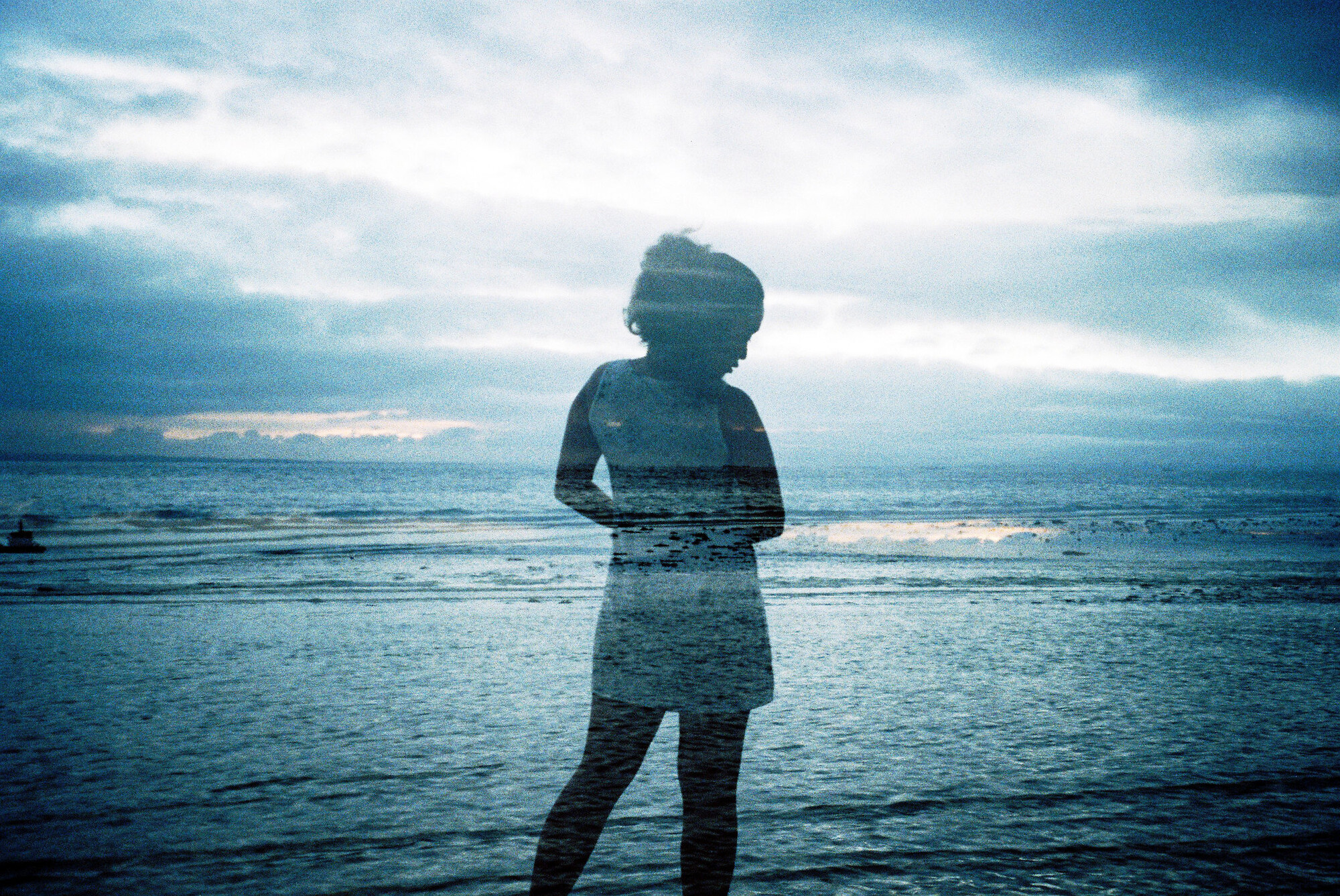
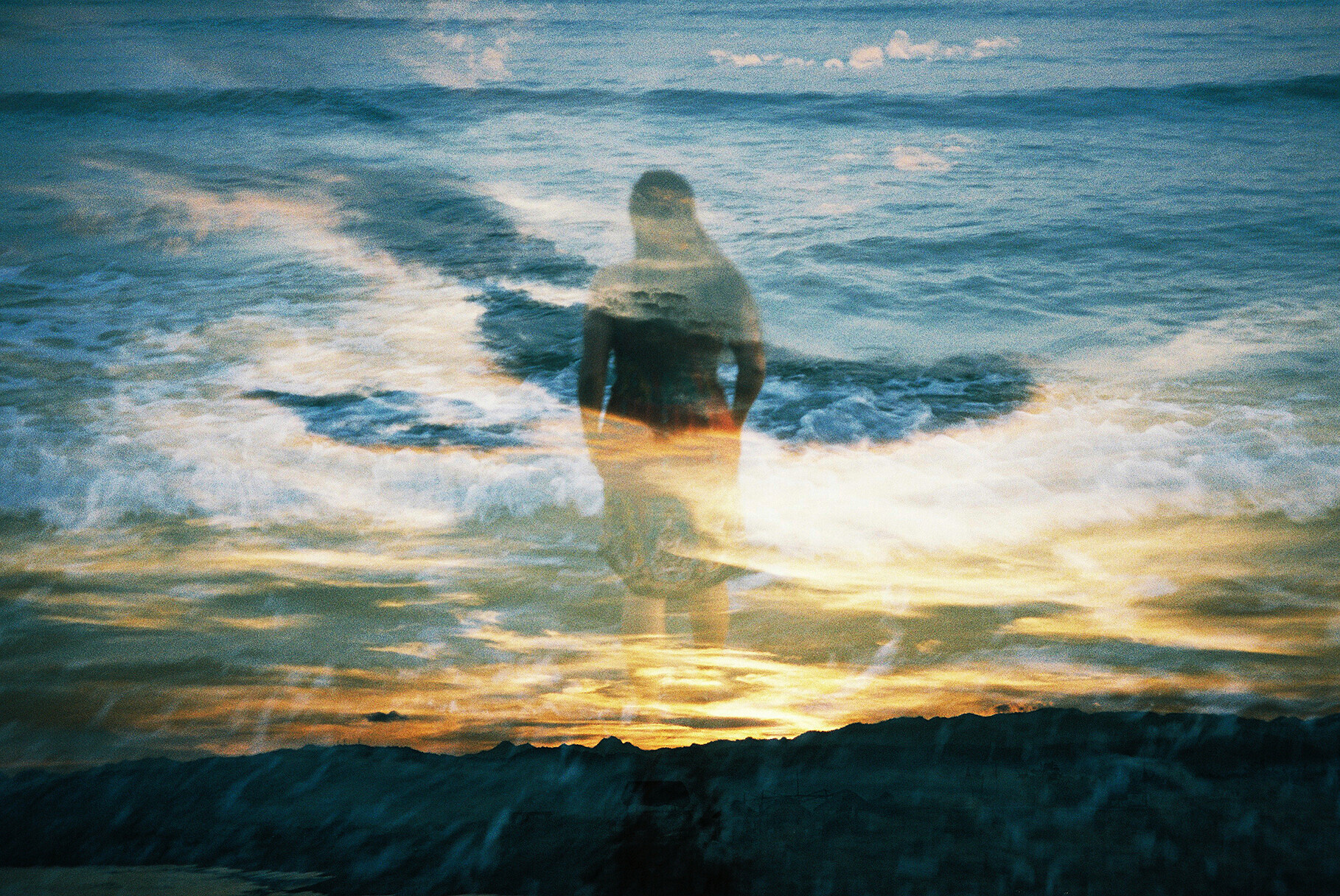
I am a big fan of experimenting with double exposures in-camera, and I have a few film cameras that I love using for this purpose.
Limitations < Experimentation
Once you know what your "crappy" camera's limitations are, it's time to make them work for you. Many studies found that limitations actually foster creativity by forcing the brain into lateral thinking mode to help overcome constraints. This is where experimentation proves useful.
So, if you have a camera like the Holga, which needs some taping up around the seams to prevent light leaks, try experimenting with light leaks next time. Or, if you have one of those old CCD sensor cameras, play around with their nostalgic, film-like aesthetic for retro-themed projects. I'm actually seeing a lot of younger photographers seeking out older DSLRs and point-and-shoot compacts precisely for this purpose.
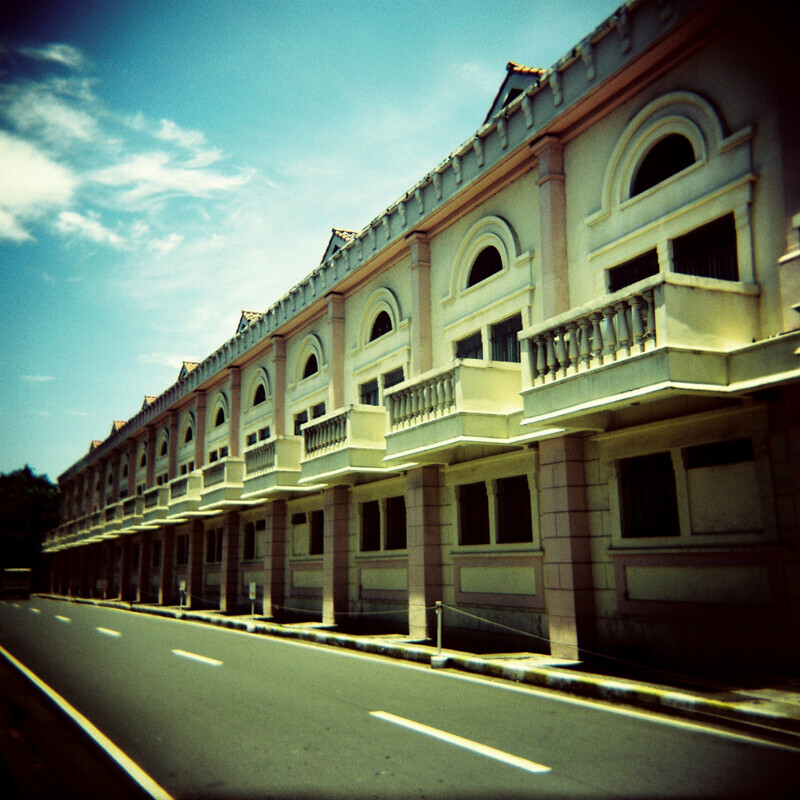
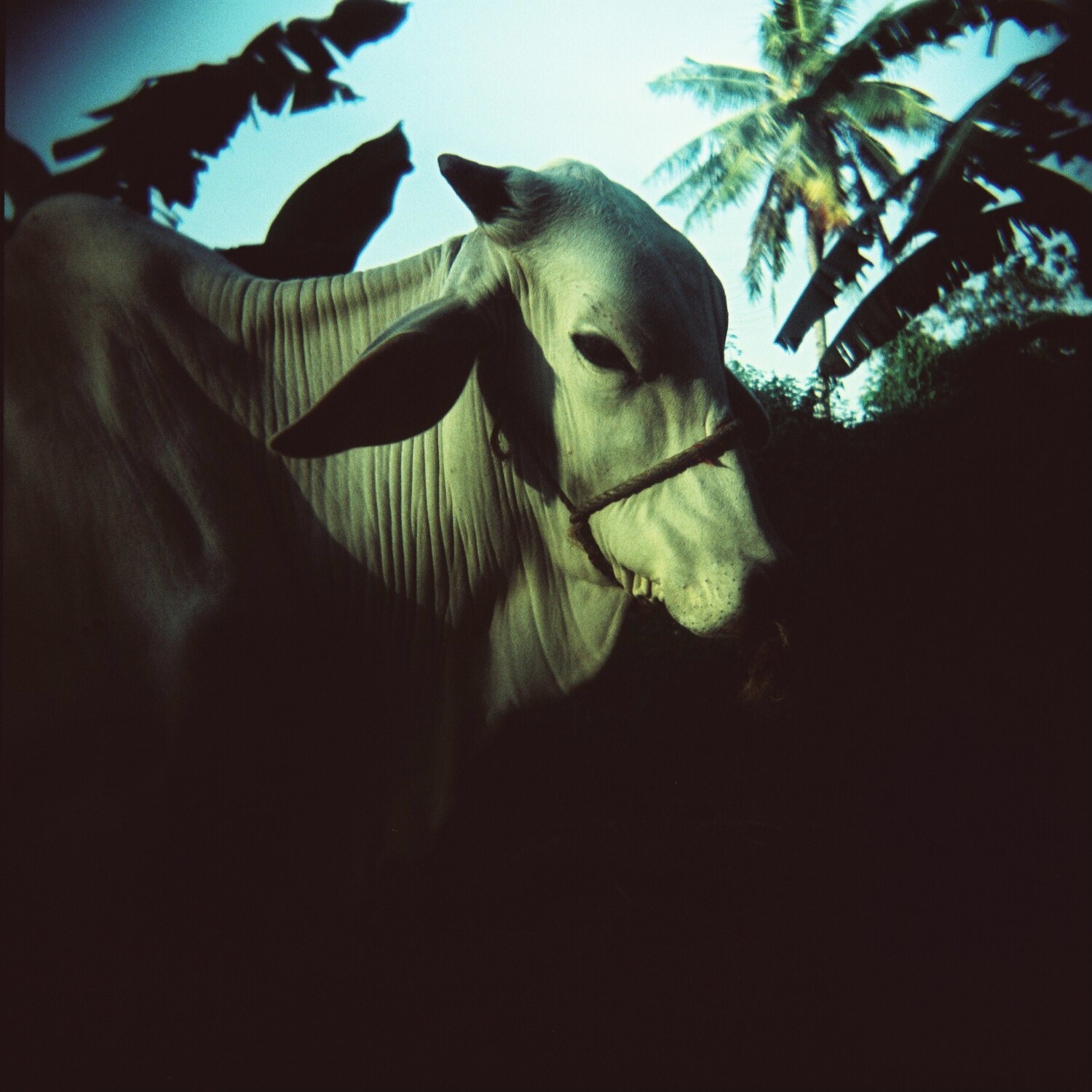

While the Holga 120 CFN fit the bill of a "crappy camera" to the T, I still had some interesting results out of it, especially when I intentionally used it for the funky effects it's known for.
Learn and Leverage Their "Quirks"
Many "crappy" cameras also come with functions and features that are no longer useful or acceptable for most modern photography applications. Early CCD sensors, for example, produce more vibrant colors but perform poorly in low light and high ISO situations, leading to noisy images. Other cameras come with experimental and even peculiar design features, like the swiveling screen of the Casio Exilim Tryx (which eventually pioneered selfies and odd-angle photography) and the built-in projector of the Nikon Coolpix S1100pj for viewing and other creative applications. Of course, film cameras are never short of "odd" members, with half-frame cameras, stereo cameras, and multi-lensed cameras aplenty.
Eventually, you'll discover that some of these quirks either create interesting results or make the photography experience more fun. Some features may even make conversation starters, like that built-in projector. Now, think about leveraging these to make your photography projects extra creative or unique. You're limited only by your imagination!
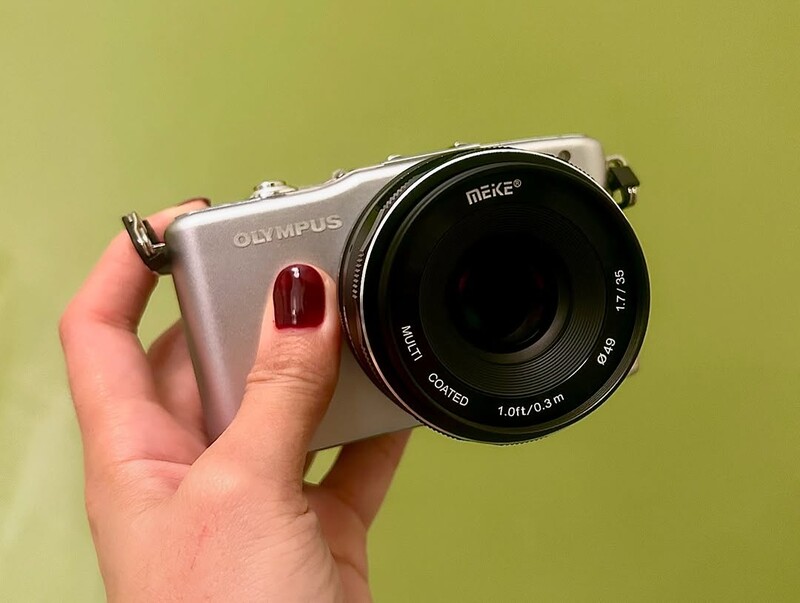

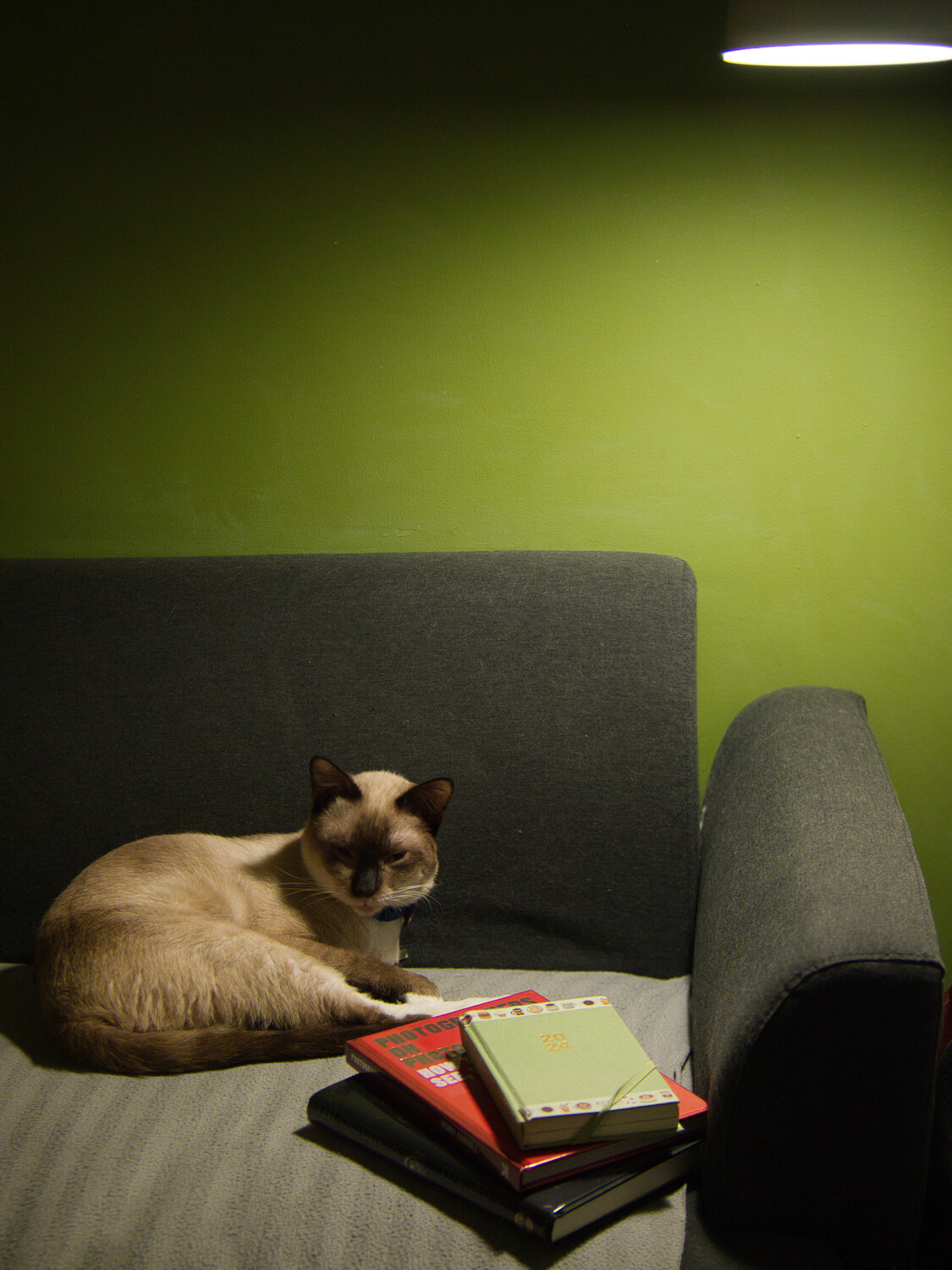
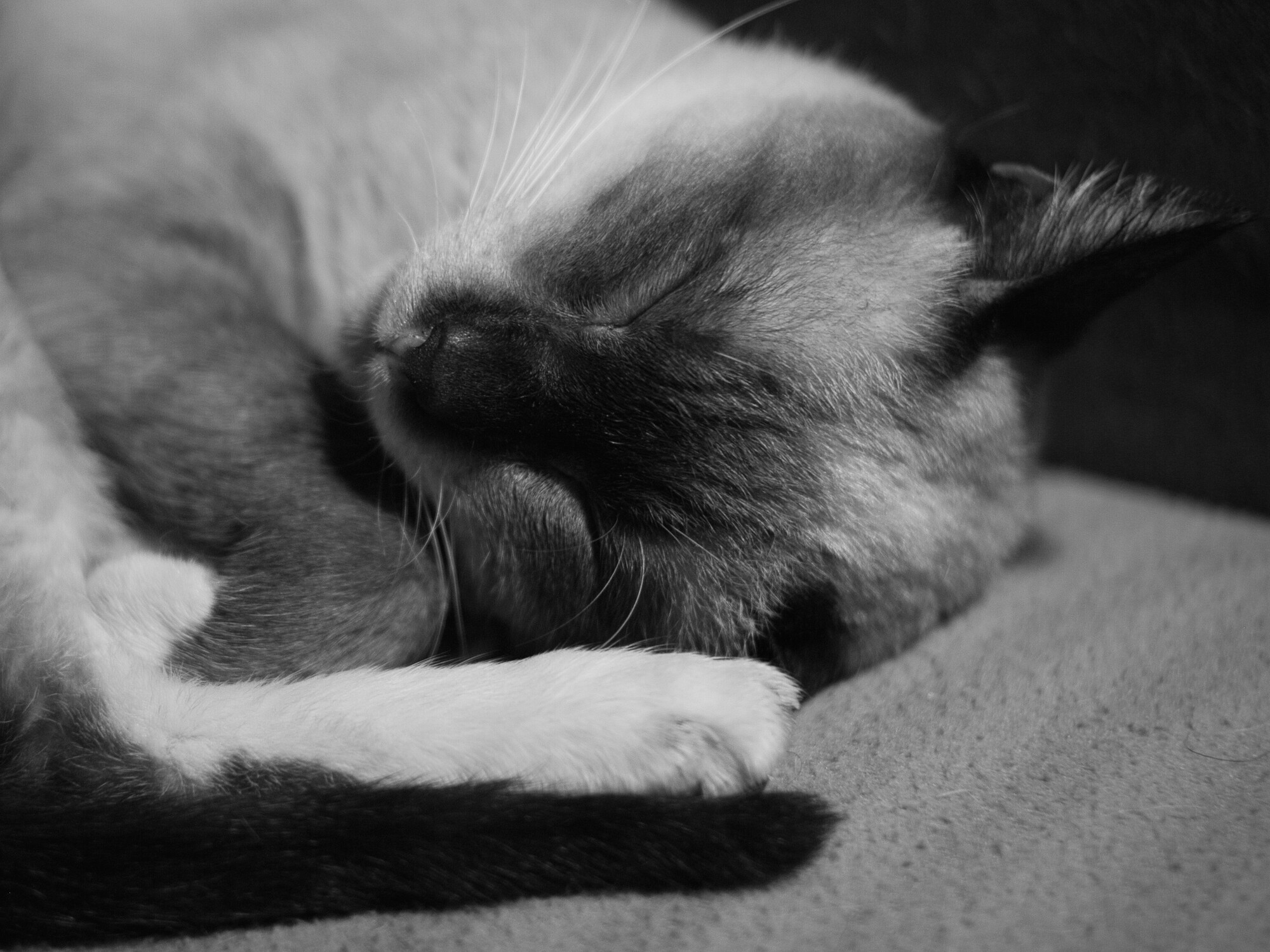

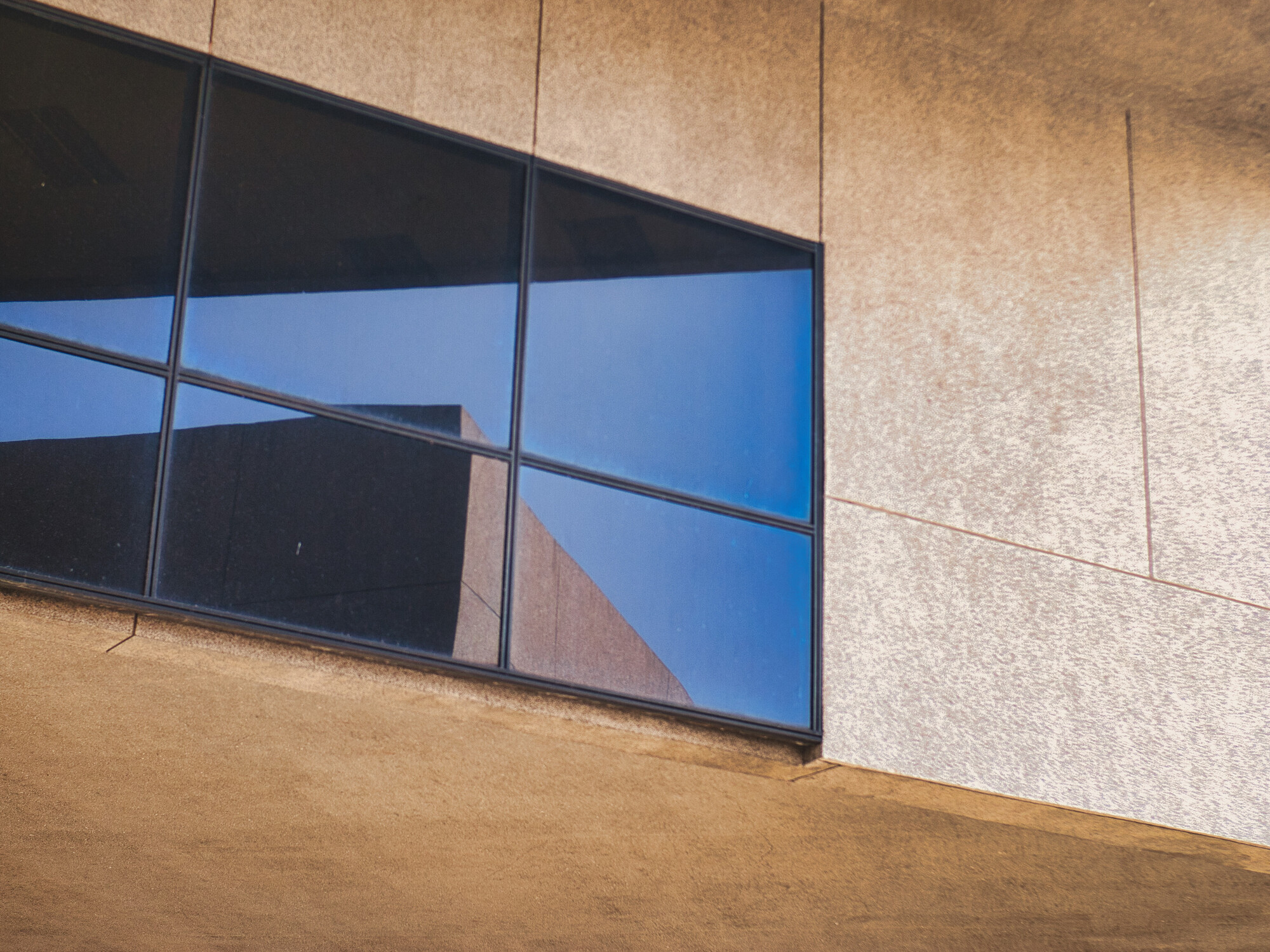
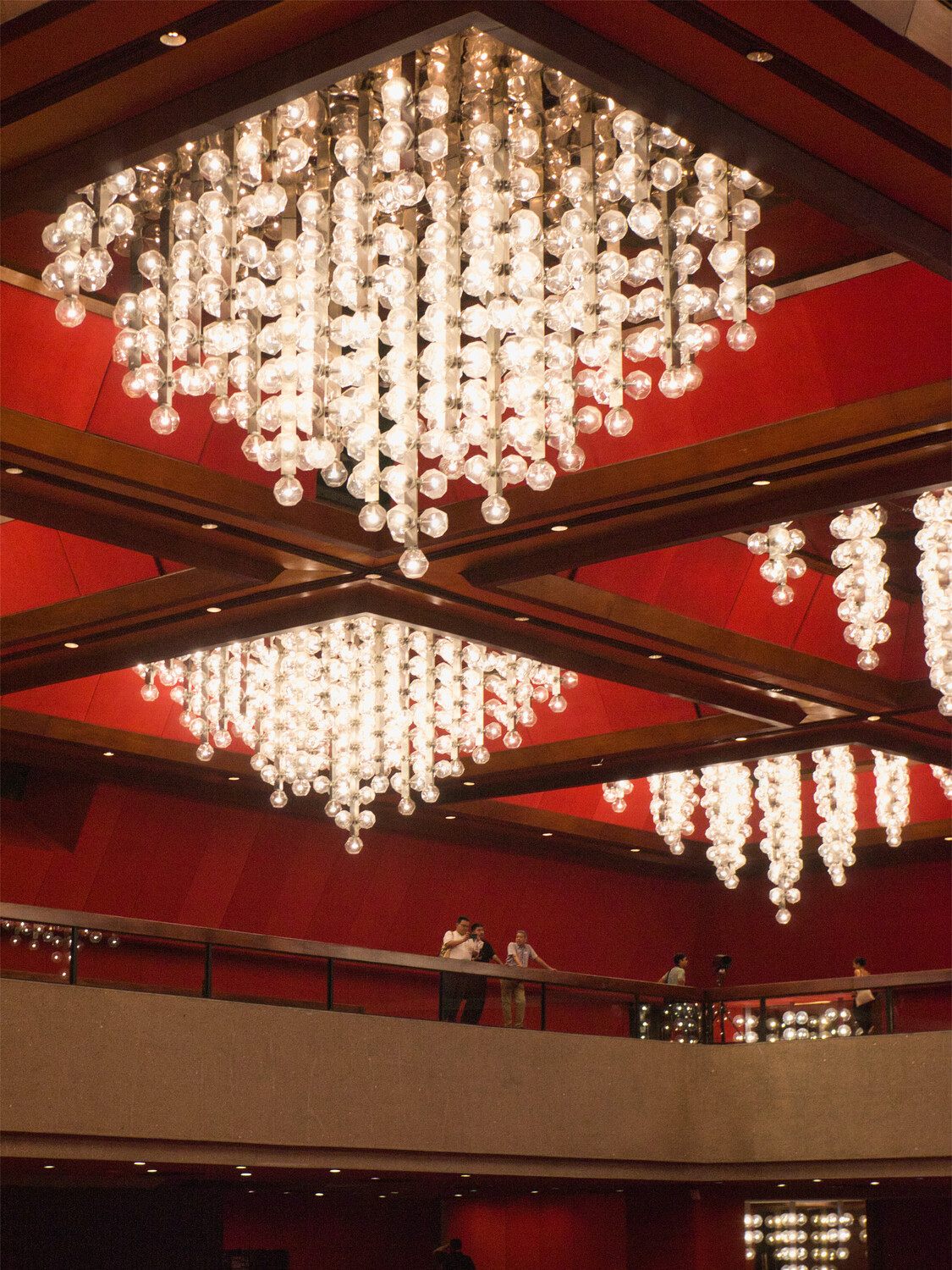
Some of my favorite photos taken with the Olympus PEN Mini + Meike 35mm f/1.7
Let Them Surprise You
I think one of the biggest roadblocks to making something interesting, at the very least, with a "crappy" camera is that label itself. If you quickly dismiss it as incapable of making worthwhile results, you won't even bother picking one up. So, I say, let dad's old DSLR, grandpa's vintage film SLR, or even mom's simple digital point-and-shoot surprise you. Make a photo diary using one. Take it on your next road trip. Spend a day slowing down from your hectic schedule with it in hand instead of your smartphone. Whatever it is, give it a chance to surprise you.
Sometimes, It's More About What Their "Crappy" Photos Make You Feel
I know a lot of photographers who keep shooting with a "crappy" camera or two on the side, mostly for personal work. Many of them share the sentiments of younger creatives who pick up a disposable camera or digital point-and-shoots today: they like the nostalgic, retro aesthetic many consider more organic and emotional compared to the clean, clinical visuals of today's digital cameras. Others better appreciate the photos because of the process itself — slowing down, being more mindful with each shot (especially with film cameras), but also not being too pressured about the results. Letting the mind run free with experimentation opens up more opportunities to get extra creative. Eventually, it feels good enough to get reinforced as part of the photography practice.
This leads me to one of my most important realizations: it's less about the novelty of a "crappy" camera and more about how good the photos can make you feel. Lacking in technical qualities they may be, they can still be good enough to remind photographers how creative they can get. They make photography fun and allow photographers to play. But of course, the sentimental value of making photos with your first camera or a family member's old camera does play a big part of the experience.
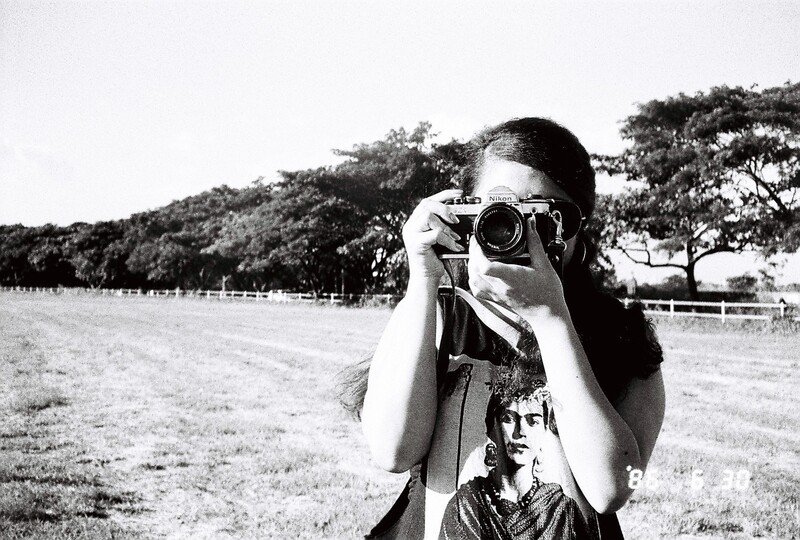
Do any of these realizations resonate with you? Do you have any other reasons for still keeping and shooting with a "crappy" camera yourself? I'd love to hear about them in the comments!



Join the Fstoppers community for free
-
Post comments and join in the discussions
-
Browse the site ad-free
-
Share your work and get featured in the community
-
Compete in the photo contests for fun and prizes
8 Comments
I love experimenting to see what I can do with my gear. Here is a 15 shot horizontal panorama with a Holga 60mm f/8 taken with a mirrorless camera.
That looks great! I love it when photographers get experimental with their gear like this. Unexpected gear combinations can still lead to interesting results.
Yes, and where are those things you've learned? None of those cameras were called crappy by their target consumers at the time of release. That Dad's old dSLR was once most likely the latest achievement of the manufacturer. Don't downplay things you don't understand.
I think you missed the point. I wasn’t talking about the capabilities of these cameras during their time of release.
I'm glad that you've found a way to use older technology in your creative endeavors. But for the benefit of your dads and grandparents among your readers, I might have reframed the way you wrote the article and labeled the subject. Older technology wasn't necessarily crappy in the sense of cheap, shoddy or poorly made when we purchased those items. It's only perceived that way after something newer appears to make older gear obsolete. The problem is largely created by marketing departments of manufacturing companies who have convinced society that old equipment is no longer useful for any reason, and people buy into that concept, constantly replacing old with new. However, it's not crappy old gear... it's simply old gear.
There's a strong correlation that comes to mind with sporting equipment which was a huge part of my life when I was younger. My dad gave me a very nice set of golf clubs when I was a teenager. I used them for well into my adult life, although as clubs got larger and made out of different materials, they looked a bit old-fashioned. The guys I played with couldn't understand why I played with those crappy old golf clubs. The fact that I scored in the 70s and 80s and they shot scores in the 90s tempered that argument a bit. Eventually I bought new modern golf clubs, and guess what happened... my scores never improved a bit. The same thing happened with skiing. I learned to ski on wooden skis which evolved into metal skis, and then all sorts of fiberglass materials. Once again, the pressure to "update" and buy shaped skis with wider tips and narrow waists that "revolutionized" skiing in the 1990s took hold of every conversation about skiing equipment. Alas, my knees gave out before my skis did, so I never got much of a chance to try them for myself, but I doubt that they would have made much of a difference. My brother was seven years older than me, so I learned to ski black diamond runs on wood skis at a young age... and do it well or get left behind. I was proud of every set of skis that I ever owned because I felt fortunate to even own skis (so many people had to rent them), and they were definitely not crappy.
Perception of obsolescence because of marketing is real. That’s why GAS happens to a lot of photographers. Also, some clients prefer to work with photographers with the “latest and greatest” even if many of these clients can’t tell the difference with work made using even slightly older gear.
While I understand that having the latest gear can’t be helped for some industries and genres, I also believe that many old (or slightly older) gear are still capable of creating great work. So I said “crappy” (perception issue) instead of actual crappy.
This is kind of timely. I’m in the midst of an experiment of shooting at least one shot every day this month with a PowerShot 630 I found at work.
So far, I’ve discovered it’s not a “point and shoot” - it’s a “point and wait”. It’s so slow to fire the shutter that during an attempt to take a picture of my dog, she’d walked out of frame during the lag between me pressing the shutter and the shutter actually firing. I think it’s rated at three frames per *minute*.
Still, I have taken shots I’ve been happy with, with every piece of photo gear I’ve ever owned - and a whole lot of horrid ones - so who knows?
I’m pretty sure my R5 doesn’t feel threatened and the PowerSh*t will be going back in the drawer where it was found.
I have the same struggle with many of my cameras, especially film SLRs that turn out to be already due their CLA. Same with point and shoot digicams whose buttons have started to get unreliable.
But I did get some pretty good photos out of them (the film SLRs especially) so I’m willing to go through the trouble of getting them back to working condition once in a while. It’s just the price of film that sometimes keeps me from shooting freely!