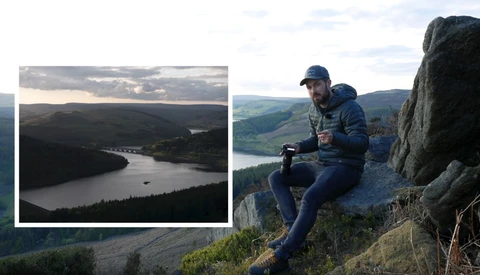
Here's Why You Should Always Bracket Your Photos
For many years now, I have religiously bracketed all my landscape images and macro images of flowers. This is why you should give serious consideration to always doing the same.
For many years now, I have religiously bracketed all my landscape images and macro images of flowers. This is why you should give serious consideration to always doing the same.

In this excellent installment of the B&H Prospectives video series, photographer Robert Rodriguez Jr. explains what goes in to taking successful landscape images, offers his thought process while out in the field, and dives in to some worthy ideas to inspire the development of your art.
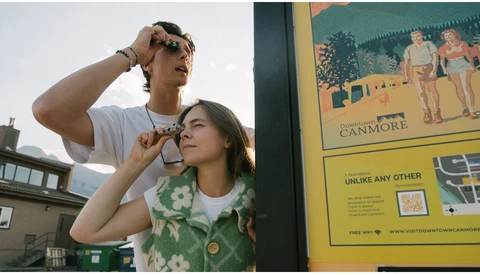
There's a particular kind of cognitive dissonance that happens when you spend months researching dynamic range charts, reading MTF curves, and comparing autofocus systems, only to find yourself genuinely excited about a plastic camera with a 1.6-megapixel sensor that hangs from your keychain.

The Sigma 35mm f/1.2 DG II Art lens offers an unusual mix of speed and sharpness in a familiar focal length. A 35mm lens with an f/1.2 aperture opens up options that normally lean toward 50mm territory, giving you background separation and subject isolation without losing the versatility of a wider view.
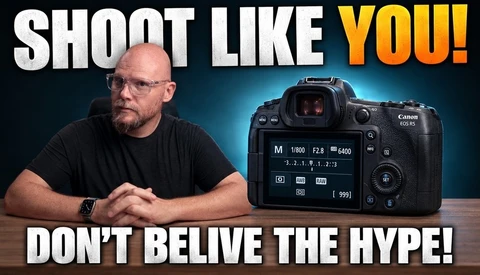
Plenty of working portrait shooters still feel a flicker of guilt every time the mode dial leaves M, as if aperture priority or auto ISO were a confession. Choices about mode, file format, and aperture decide how quickly you can work with clients who won't hold still and how much room you have to fix things later.

Digital media files have grown enormously, driven by high-resolution sensors, uncompressed raw data, and the demand for high dynamic range. Every frame now carries extensive metadata and integrated data, often reaching tens or hundreds of megabytes.

Visual and special effects have a long history; they've been around since the dawn of filmmaking. Here are some great examples from silent films where the techniques used behind the scenes are still relevant today.

Some months ago, I was excited enough to place a preorder upon hearing of the announcement of Sky-Watcher’s Star Adventurer GTi, the latest in their Star Adventurer series of star trackers. In September, I finally received it and have been checking it out. Let’s see if it has indeed met my expectations.
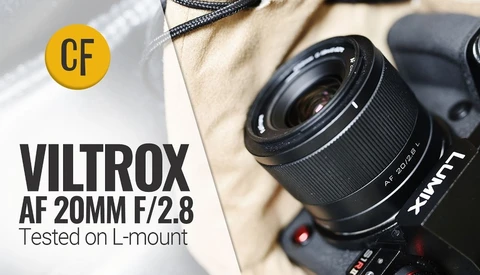
At $168, the Viltrox AF 20mm f/2.8 Air is likely one of the cheapest full-frame 20mm autofocus lenses on the market. L-mount shooters now have it as an option, part of a batch of four affordable Viltrox primes arriving for the system this week.

Magnets have long been used for their quick and sometimes strong holds. But is a magnetic camera strap a good idea?
If you're new to photography, you might feel overwhelmed by the variety of settings and controls on your camera. But don't worry, there are only a few you actually need to worry about.
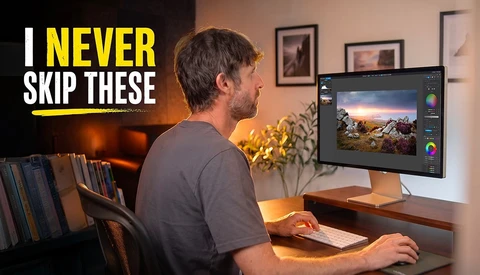
Every landscape image is different, yet the same handful of moves show up in almost every edit that actually works. Learn those moves and you stop guessing your way through post-processing and start finishing photos on purpose.
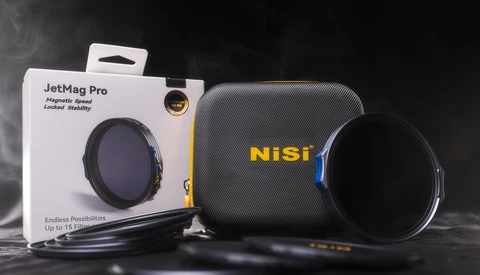
When it comes to photography and filmmaking, there are numerous filters to choose from. However, when it comes to choosing the right filters for the job, NiSi made that choice much easier with their latest design.

This year seems like it’s shaping up to be the second wave of megapixel wars from the major manufacturers. In this review, we’ll take a look at the 102-megapixel Fujifilm GFX 100S medium format mirrorless camera and what it has been like to work with over the last month.

When I get a new gear, there is always excitement in discovering what it will do and how it will perform. After six months of using it, that novelty has worn off, and with a more objective eye, would I still choose this camera over the last?

Picking a fast prime lens for Fuji's APS-C system means navigating a crowded market, and the sub-$200 category doesn't usually inspire much confidence. This might be an exception.

This is a post for all the dude photographers out there. I really don't want to be writing this, because I don't think it should have to be said, but apparently it does. This post is simply a call and reminder to treat your models with the respect that they deserve.

Hailed as one of the world's greatest portrait photographers, Platon has captured the likings of world leaders, actors, musicians, and human rights victims. What does it take to capture the world’s most recognizable images? I spoke to Platon himself to find out.
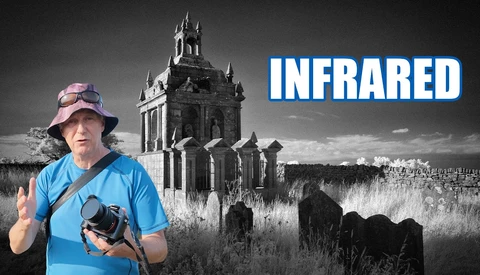
Most people believe infrared photography only works under harsh midday sun in the middle of summer. A single shoot at an isolated hilltop church puts it to the test.
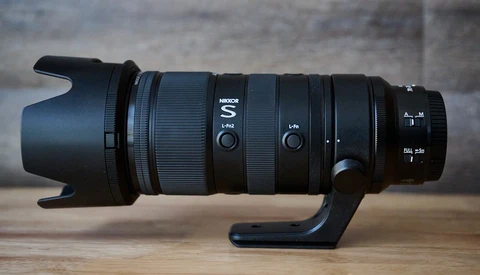
Today, I'd like to have a chat about Nikon's latest version of its workhorse 70-200mm zoom lens, the NIKKOR Z 70-200mm f/2.8 VR S II.

Viltrox has added a Z-mount AF 35mm f/1.2 to its LAB series, and it’s safe to say that the Viltrox AF 35mm f/1.2 LAB Z-Mount Lens has hit the market with a strong impression. From its standout optical clarity, confident autofocus, and premium build, there’s a lot here that deserves attention.
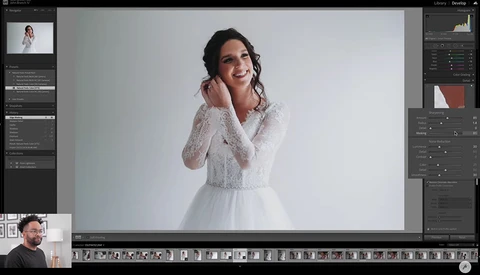
When you are new to photography, getting a firm grasp of your cataloging software and how to perform basic edits will help to set a strong foundation for future growth. Lightroom is one of the most popular choices for these tasks, and this excellent video tutorial will show you the ins and outs of working with it.
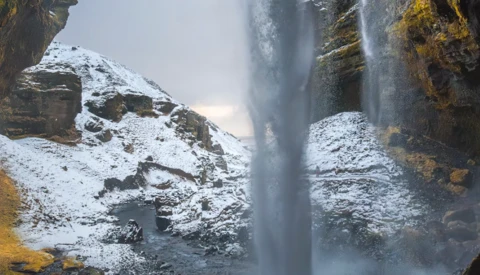
Lightroom can rescue a raw file that looks unusably dark, but only if you approach the recovery in the right order. When you lift a file like this the wrong way, the shadows turn noisy fast and the highlights fall apart.

Some photos look like paintings. Not because they have some dreadful filter or effect applied, but because their use of light and composition is ethereal. In this video, Vinny Le Pes breaks down what is happening in these incredible images.