Profile picture for Alex Cooke
Editor-in-Chief

Alex Cooke

Cleveland, OH
18 3 Star badge
1 10+ Portfolio Images badge
1 Editor's Pick badge
1 Top Contributor badge

Articles from Alex Cooke

Landscape Photography With an Insanely Wide Lens

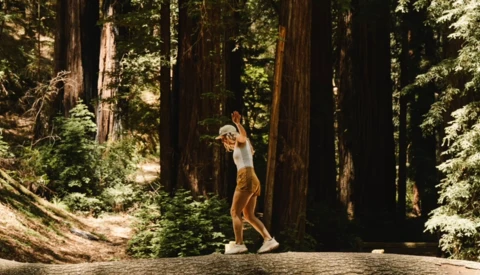
Ultra-wide lenses can make a forest scene feel bigger than it looks in real life, but they also punish lazy framing. If you want depth, clean lines, and a clear subject when the light is low, the choices you make within a few feet of the camera start doing most of the work.

Sky Masking in Lightroom: The Fix for Halos and Gaps

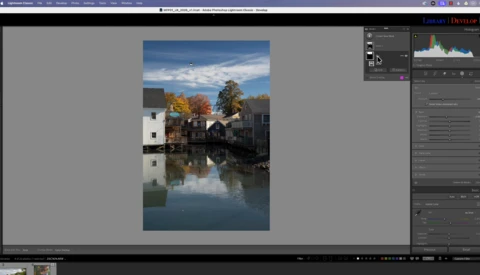
Sky masks in Lightroom look effortless until you push exposure and discover halos, gaps in leaves, and messy edges around roofs and ridgelines. Get this wrong and the sky starts bleeding into everything that should stay crisp.

Creative Stages That Quietly Shape Every Photo You Make

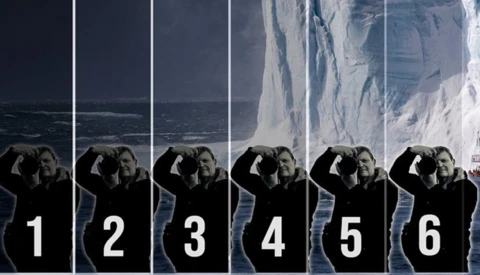
You can feel stuck in photography even when you keep shooting, because the problem is not effort, it is the stage you are in. This video breaks that fog by mapping the creative arc most people move through, from early wins to the hard middle where taste outpaces results.

5 Things Professional Photographers Do That Beginners Don't

Walk into any camera store and you'll find hobbyists agonizing over sensor specifications and professionals grabbing whatever battery is compatible with their current kit. Spend time at a wedding venue and you'll watch amateurs fiddling with settings while the hired photographer works the room like a chess grandmaster three moves ahead. The difference between a professional photographer and an enthusiastic hobbyist has almost nothing to do with the price tag on their equipment. You can hand a beginner a $4,000 mirrorless body and a $2,500 lens, and their work will still scream "amateur" to anyone paying attention. Meanwhile, some of the most respected working photographers in the industry are still producing stunning work with gear that forum dwellers would dismiss as obsolete.

The Important Photoshop Tab Clues You’re Probably Ignoring

Tiny marks in your Adobe Photoshop document tab can quietly signal problems that cost time, color accuracy, or even a full edit. If you have ever seen an asterisk or a hash and ignored it, there is a good chance you have chased the same confusion later when a file suddenly looks off.

A $2,800 Standard Zoom: What Nikon Fixed and What It Didn’t

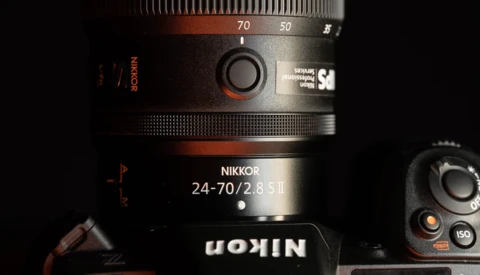
A new 24-70mm f/2.8 can look boring on paper, but this one changes the way the lens behaves in your hands. If you rely on this range for paid work, travel, or portraits, small design changes can save time or create new problems.

Why Ignoring the Histogram Might Improve Your Photos

You can lose the thread of a shoot by staring at tools instead of the scene. This video is about pulling attention back to what you see, what feels right, and why that shift changes how you work in the field.

Better Than New: When Cameras Stopped Getting Better

Chasing the newest body can make you miss the bigger question: did cameras already hit the point where they were good enough years ago? This video pushes you to rethink whether constant upgrades actually improve your work or just keep you busy comparing specs.

5 Common Mistakes New Film Photographers Make

Film photography has experienced a remarkable resurgence over the past decade, drawing in photographers who crave something tangible in an increasingly digital world. But here's the uncomfortable truth that nobody mentions in those dreamy Instagram posts of vintage cameras and coffee shop aesthetics: film is expensive. When you factor in the cost of a roll of quality 35mm stock, professional development, and scanning, every single frame you shoot costs roughly $1.50. A 36-exposure roll represents a $40-50 investment before you even see the results. Unlike digital, where you can fire off 500 shots and delete 499 of them without consequence, film punishes mistakes with real financial pain.


Using 24mm and 50mm to Control Portrait Mood and Context

Portraits fall apart when the lens choice fights the moment or the setting. Using 24mm and 50mm on a full frame camera forces you to decide whether a portrait is about connection, context, or the tension between the two.

Make Your Subject Pop Without Blurry Backgrounds

Getting your subject to pop is the difference between a frame that feels intentional and one that feels like a snapshot. This video focuses on making that happen with available light instead of leaning on blurry backgrounds.

The Lightroom Masking Shortcuts That Stop Bad Edits Fast

Masking is where Lightroom edits either look clean and intentional or start to fall apart at the edges. If you have ever nudged Exposure and realized you changed the whole frame instead of a small area, this topic will save you from that kind of mistake.

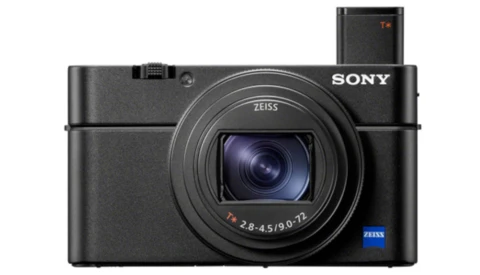
Will We Ever See a Sony RX100 VIII? The Case of the Self-Inflicted Wound

For roughly seven years, the Sony RX100 was the default recommendation for anyone seeking a serious pocket camera. When Sony launched the original RX100 in the summer of 2012, it didn't just release a camera; it created a category. Here was a genuinely pocketable compact with a one-inch sensor and a fast f/1.8 lens at the wide end, packaged in a metal body that could slide into your jacket pocket. What happened to these amazing cameras?

Big Upgrade or Small Step: Sony a7 V Vs. a7 IV in Real Shooting

A midrange body that suddenly shoots like a flagship changes what you attempt in the field, especially when the moment is gone before your brain finishes saying “now.” If you shoot action, wildlife, or kids that never hold still, the difference between “almost” and “got it” often comes down to small features.

A Review of the New Laowa 17mm Tilt-Shift Lens

Ultra-wide tilt-shift work is where small optical flaws turn into ruined corners, smeared lines, and extra retouching you did not plan for. If you care about straight buildings, clean edges, and files that hold up after stitching, this lens is worth a look.

Stop Chasing Sharpness and Start Making Better Photos

Sharpness is easy to chase and hard to quit, especially when a slightly soft frame feels like a personal failure. The bigger risk is letting sharpness decide what you shoot, how you shoot, and what you think “good” looks like on a screen.

The Compact Camera Comeback Is Real: Why People Want Dedicated Cameras Again

The compact camera was supposed to be dead. For the better part of a decade, that was the industry consensus. Smartphone cameras got good enough, the logic went, and nobody needed a separate device just to take pictures. The numbers supported this: from a peak of roughly 120 million units shipped in 2010, compact camera sales collapsed to a small fraction of that by the end of the decade. Analysts wrote eulogies. Manufacturers quietly discontinued product lines. The compact camera joined the portable CD player and the standalone GPS unit in the graveyard of technologies killed by the smartphone.

Photo Colorization That Stays Realistic

Restoring color in a black-and-white photo can go sideways fast when the tool nudges details, shifts edges, or invents texture that was never there. The video breaks down how to add believable color while keeping the original photo’s shapes, pixels, and fine features untouched.

A 5-Rule Reset When Your Photos Feel Boring

Your photos can look flat even after a solid shoot, and the fix usually has nothing to do with settings. If you want your work to feel less generic and more like it came from your own eye, this video points you toward habits that actually change what you notice.

Tone Curve Moves That Fix Flat Photos Fast

Strong contrast is rarely something you rescue with a single slider after the fact. If you want images that feel intentional instead of flat, you need to think about contrast before you even open an editor, then use the tone curve with a light touch.

Why Your Best Shots Won’t Show Up on Schedule

Your best photos can disappear when your mood drops, even if the light is perfect and the location is right. This video is about the quiet forces that steer what you notice, what you ignore, and what you bring home.

5 Practical Ways to Make Film Photography More Affordable in 2026

Let's address the elephant in the room: shooting film is expensive, and it's only getting worse. We all love the aesthetic, the satisfying mechanical clunk of a manual shutter, and the deliberate slowness that forces us to actually think before we press the button. But somewhere between the nostalgia and the reality, the math stopped making sense. Here's how to make it reasonable again.
Fstoppers Photographer of the Month (December 2025): Tiago Marques

The Fstoppers community is brimming with creative vision and talent. Every day, we comb through your work, looking for images to feature as the Photo of the Day or simply to admire your creativity and technical prowess. In 2025, we're featuring a new photographer every month, whose portfolio represents both stellar photographic achievement and a high level of involvement within the Fstoppers community.

Sharp, Fast, and Not Perfect: The Truth About Canon’s 50mm f/1.4

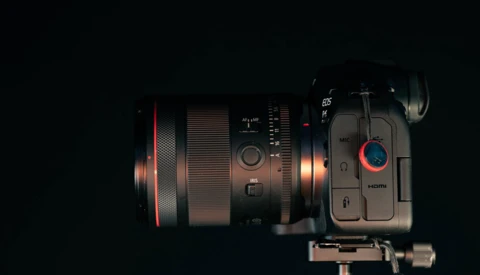
A 50mm f/1.4 can be the lens that lives on your camera when you need one look that works for portraits, events, detail shots, and handheld video. The difference between a lens you trust and a lens you fight often comes down to focus behavior, size, and the small optical quirks that only show up after a long shoot.

A Wide Prime That Aged Better Than Expected

The Fujifilm XF 14mm f/2.8 R lens sits in that tricky corner of wide angle shooting where you want drama without chaos. If you use Fujifilm X bodies, this lens is worth a look.

AI Dust Removal Just Landed in Lightroom and Photoshop

AI dust removal just became a one-click step inside the Adobe apps you already use, and it changes how you handle every sky, studio backdrop, and clean wall. If you’ve ever exported a “finished” set and then spotted sensor grime in the exact same place across 30 files, you know how quickly that turns into a late-night repair session.

How to Shoot a Boring Location and Come Back With Real Images

You get better faster when you stop relying on the same “safe” spots and learn how to pull a workable frame out of a place that feels like it has nothing to offer. This video is about that exact problem, and it hits the messy middle most people avoid when the light is harsh and the scene looks ordinary.

Three Cheap Moves That Fix Harsh Window Light Portraits

Window light can make a portrait look either effortless or painfully flat, and the difference usually comes down to a few small choices. If you shoot people indoors, this is one of the fastest ways to level up without buying anything.

Recover Blown Highlights in Interior Shots Without Making Them Look Fake

Side-by-side windows can make an interior image look sloppy even when the room lighting feels controlled, because each pane can land in a different world of exposure and color. You see it most when one window has a screen and the other does not or when an open pane overlaps a closed one and the tones stop matching. Here's how to handle them. 

A Small Full Frame Camera With Big Video Claims

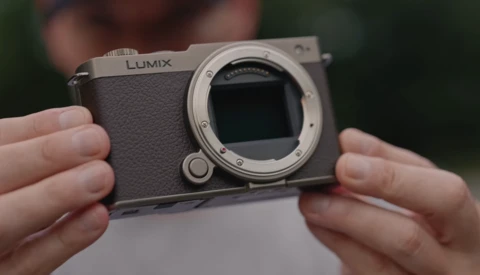
If you want a small full frame camera that can handle serious video specs without turning your kit into a brick, the Panasonic Lumix S9 is the kind of release worth paying attention to. Nonetheless, the tradeoffs matter, especially if you shoot fast action, rely on an EVF, or expect long, uninterrupted takes.

Why This Popular Fast Fifty Struggles on Modern Sensors

Old lenses feel familiar until you bolt them onto a modern sensor and see what they really do. If a fast fifty is part of your kit, the gap between “good memories” and “good files” can get expensive fast.