




Profile picture for Alex Cooke
Editor-in-Chief

Alex Cooke

Cleveland, OH
18 3 Star badge
1 10+ Portfolio Images badge
1 Editor's Pick badge
1 Top Contributor badge

Articles from Alex Cooke

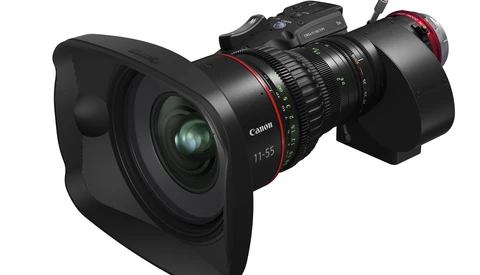
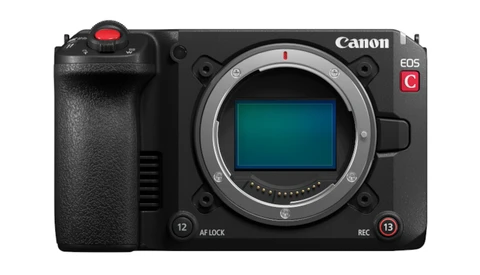
Canon’s Latest CINE-SERVO Lens Targets Broadcast and Virtual Production

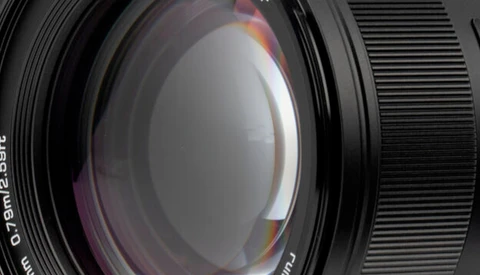
Canon has announced the CINE-SERVO 11-55mm T2.95-3.95, a new cinema zoom designed for productions ranging from sports and live events to broadcast and scripted projects. The lens covers Super 35 sensors natively and can expand to full frame when using its built-in 1.5x extender.

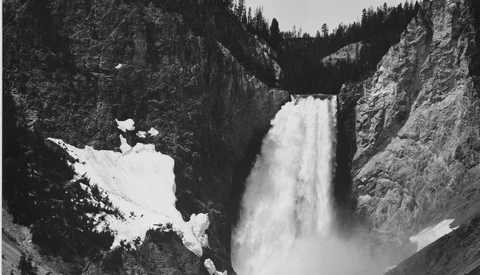
Three Legendary Stories From Photography's History

Photography’s great revolutionaries didn’t just take pictures. They rewired how civilization sees truth, tragedy, and beauty. Capa risked death, Weegee stalked chaos, and Adams turned catastrophe into perfection, proving that the lens is both weapon and altar.

Teleconverters: When They Beat Buying Another Lens

Teleconverters are one of those accessories that sound like an easy fix. Extra reach without buying a longer lens seems like a win, but the reality is more complicated. Sometimes they give you more detail, and other times, you’d be better off cropping the image you already have.

A Beginner's Guide to Layer Masks in Photoshop

Layer masks let you hide and reveal exactly what you want, which means cleaner cutouts and composites that actually look like they belong together. If you care about believable edges, quick revisions, and nondestructive edits, you need them in your toolkit.

6 Myths About Natural Light That Cost You Clients

Photographers love to romanticize “natural light.” It gets described with words like natural, authentic, or real, as if using anything other than what’s already in the environment somehow cheapens the work. Scroll through Instagram captions and you’ll see countless photographers boasting about being “natural light only” shooters, presenting it as a stylistic badge of honor. There’s no denying that natural light can be beautiful and can transform scenes, wrap subjects in softness, and produce images that feel alive. But there’s also no denying that it’s widely misunderstood.

Why the Fujifilm X-E5 Could Be the Best Travel Camera Yet

The Fujifilm X-E5 mirrorless camera has been getting a lot of attention, and with good reason. It offers a balance of design, performance, and portability that makes it stand out in a crowded lineup of APS-C bodies. 

Smart Ways to Use Photoshop Adjustment Layers

Adjustment layers are the quiet power tools in Photoshop that let you shape light and color without touching the pixels. They keep edits flexible, stackable, and reversible, which matters when you need to test ideas fast and still return to a clean base later.

Sirui Aurora 85mm f/1.4 Review: Sharp Glass With Quirks

The Sirui Aurora 85mm f/1.4 lens brings a fast aperture and an affordable price for portrait shooters. That combination gives you background separation and subject isolation in a way most smaller lenses can’t, but it also comes with compromises in size and handling.

Why This $160 27mm f/2.8 Could Be Your Everyday Lens

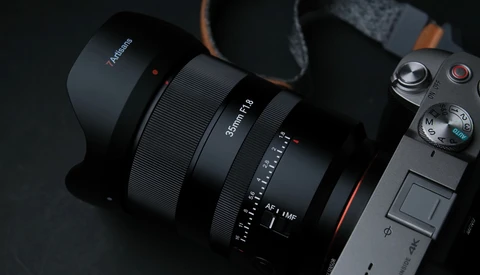
The TTArtisan 27mm f/2.8 is a compact, lightweight lens designed for APS-C cameras, and it’s priced to tempt anyone who wants a travel-ready option. A small, affordable prime like this opens up options for everyday shooting without adding bulk to your kit.

The Cult of Gear: Why Photographers Obsess Over Tools More Than Craft

Photography should be simple at its core: light, subject, vision. Yet if you spend any time in online communities, retail catalogs, or even casual conversations between photographers, you’ll see that the culture often orbits around something else entirely: gear. Tools that were meant to serve vision become the center of attention. And while gear is undeniably fun, even inspiring, the obsession with it has become its own kind of religion.

Testing the Leica M11 in Real Shooting Conditions

Leica’s M11 is one of those cameras that makes you think about how and why you shoot. It pushes you to slow down, notice the details, and really work a scene instead of blasting through frames. In a world where you’re flooded with options, it’s good to know what a camera like this does differently and what it asks of you.

5 Camera Specs That Look Great on Paper but Rarely Matter

Camera companies know how to sell dreams. Every press release is packed with bigger numbers, faster speeds, and dramatic leaps in technical capabilities. On spec sheets, today’s cameras look like science fiction compared to models from just a decade ago. But not every shiny number translates into real-world value.

An Affordable 35mm Prime With Surprising Performance

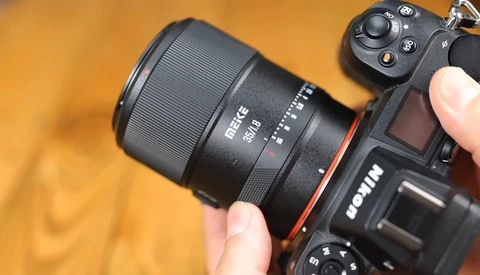
The Meike 35mm f/1.8 Pro AF lens arrives at a price that stands out in a market where fast full frame primes often come at a steep cost. At $379, it promises sharp results, autofocus, and a bright aperture without demanding a large investment. That means a chance to get a versatile lens that can handle everyday shooting without draining your budget.

The Power of Layers in Photoshop

Layers are the engine of non-destructive editing in Photoshop, and they decide how far you can push an image without breaking it. If you build composites, tweak color, or test ideas for a client, layers let you experiment while keeping the original untouched.

Why Your Photos Look Boring and How to Fix Them

When your photos feel flat or uninspired, it can be tough to know what went wrong. The problem isn’t always your camera or your gear. Often, it’s about how you approach a scene, the way you see light, and the confidence you bring to pressing the shutter more than once.

6 Things Wrong With the Photo Industry

Photography is in one of the strangest periods of its history. On the one hand, the tools are more powerful, accessible, and versatile than ever. A mid-tier or even beginner mirrorless body today outperforms the flagship DSLRs professionals relied on a decade ago, and software can recover exposures or retouch files in ways we couldn’t have imagined before. On the other hand, the industry itself feels unstable, as if the ground under photographers keeps shifting every six months. Some of those shifts are exciting. Many are corrosive.

Sharp, Compact, and Full of Character: A Closer Look at the Leica 28mm f/2

Leica lenses are known for inspiring loyalty, and the Summicron-M 28mm f/2 ASPH. is one of those pieces of glass that keeps showing up in the bags of serious users. The balance of compact size and striking optical quality makes it stand out, even in a lineup filled with faster lenses. 

Beach Portraits With the Nikon Z6 III Mirrorless Camera

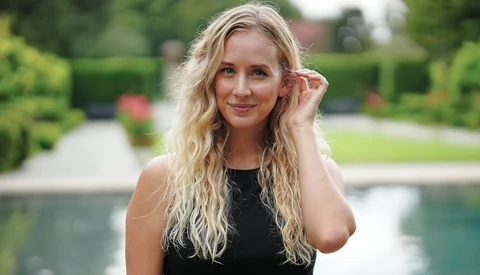
Beach portraits at 2:30 p.m. in blazing sun sound like a recipe for squinting and harsh shadows, yet this shoot shows how to work with shade, backlight, and tight framing to keep skin clean and backgrounds calm. You see how pockets of light and a long lens let you move fast without dragging lights to the shoreline.

Viltrox Joins the L-Mount Alliance

Viltrox has officially joined the L-Mount Alliance, expanding the group of companies committed to supporting the standardized lens mount. The alliance, which began in 2018, was originally founded by Leica, Panasonic, and Sigma, and has since grown to include brands such as DJI, Blackmagic Design, Samyang Optics, and Sirui.

5 Shooting Habits That Quietly Ruin Your Photos

Every photographer builds habits over time. Some are good: the little rituals that make your setup faster, your workflow smoother, and your results more consistent. Others are neutral, quirks that don’t matter much one way or another. But then there are the bad habits, the ones that creep in slowly, feel harmless at first, and eventually start sabotaging your work without you even realizing it. 

Ricoh GR IV Review: Big Improvements in a Pocket Camera

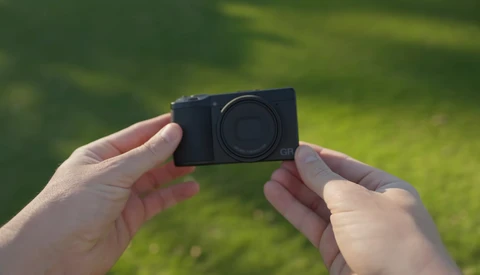
The Ricoh GR series has built a reputation for being pocket-sized cameras that don’t compromise on image quality. If you want something compact enough to carry anywhere but still powerful enough to replace your phone, this line has been worth watching. The new GR IV continues that tradition while addressing some of the biggest complaints from earlier models.

Is This the New Best Portrait Lens for APS-C Cameras?

The 56mm focal length has long been a favorite for portraits, offering a flattering perspective and natural compression. A lens that brings wide-open sharpness and low-light ability at this focal length is going to attract attention, especially when it’s priced to compete with established options. If you shoot with Sony E or Fujifilm X cameras, a new choice has just arrived that challenges what you might expect from an APS-C lens.

Nikon’s New 24-70mm f/2.8 S II Lens Put to the Test at a Real Wedding

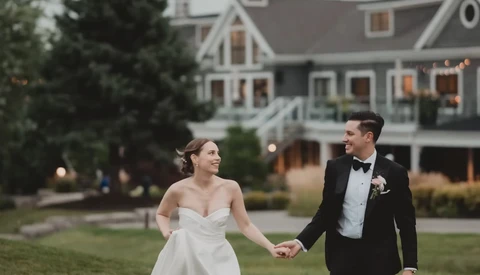
The Nikon NIKKOR Z 24-70mm f/2.8 S II lens is one of those tools that can shape how you approach a wedding day. It’s versatile enough to carry you through both photography and video, which makes it a practical choice when you want to travel lighter or avoid juggling too many lenses. Weddings move quickly, and the ability to adapt in seconds matters.

Why Micro Four Thirds Can Be a Secret Weapon for Macro Photography

Macro photography pushes your camera to the edge of what it can do. The closer you get to your subject, the harder it is to keep details sharp, handle movement, and get enough depth of field to show what matters. Your gear can either make this easier or much harder, and the choice of system has a huge impact on how you work.

5 Camera Settings You Shouldn’t Leave on Default

Camera makers design their gear for the broadest possible audience. Out of the box, the settings are meant to serve vacationers, hobbyists, and anyone who just wants to point and shoot without digging into a menu. These defaults are tuned for safety, not precision, and they prioritize avoiding disaster over achieving excellence. That makes sense for casual use, but it’s a silent liability once you start working in professional environments.

Master the Photoshop Interface in Minutes, Not Months

Photoshop can feel like a cockpit the first time you open it, and getting your bearings is the difference between guessing and getting real work done. If you edit regularly, knowing where tools live, how panels interact, and which defaults to change saves you hours you can spend making images instead of hunting menus.