





Profile picture for Alex Cooke
Editor-in-Chief

Alex Cooke

Cleveland, OH
18 3 Star badge
1 10+ Portfolio Images badge
1 Editor's Pick badge
1 Top Contributor badge

Articles from Alex Cooke

The AI Debate Splitting Wedding Photographers Right Now

Couples are posting videos accusing their wedding photographers of secretly using AI, and the reaction from shooters has split into two loud camps. The confusion this creates makes it harder for engaged couples to find a photographer they trust, and it puts working shooters on the defensive over tools they already rely on.

Is the Nikkor Z 85mm f/1.8 S Still Worth $750 in 2026?

The Nikkor Z 85mm f/1.8 S came out in 2019 as the only 85mm option on Nikon's mirrorless system, and today it sits in a crowded field where third-party glass costs a third as much. That single shift, from sole option to premium holdout, is the whole story behind whether this lens still deserves a spot on your list in 2026.

A Camera Trap Just Caught One of India's Rarest Cats

Two camera traps in Madhya Pradesh's Kuno National Park caught a lean, long-legged wildcat with black-tufted ears moving at night. The animal was a caracal, one of the least-seen wild cats in India, recorded in the same landscape where the country's cheetah reintroduction project is running.

What Spot Metering Is and When to Switch to It

Your camera decides how bright to make a photo by measuring the light in the scene, and it gives you a choice of how much of the frame to measure. Most of the time it reads almost the whole frame and evaluates the scene as a whole, which works well for ordinary, evenly lit scenes. But some scenes fool that approach badly, and that is where spot metering comes in. It is the mode that tells the camera to ignore everything except one tiny patch and expose for that. Knowing what it does, and the handful of situations where you should reach for it, will rescue a lot of shots that would otherwise come out as silhouettes or muddy gray.

Why Good Light Won't Save a Bad Photograph

Ask ten photographers what makes a good photograph and you'll get ten different answers, and the person asking might have given a completely different reply three decades earlier. That gap between the beginner's checklist and the experienced eye is where the real lessons hide.

Why 5 a.m. in the Woods Beats Perfect Weather Every Time

Most woodland advice tells you to wait for flat, overcast light. Summer dawn breaks that rule, handing you a narrow window where low, dynamic sun arcs through the canopy and rewards anyone willing to lose sleep over it.

What Clipping Is and How to Spot It Before It Ruins a Shot

You take a photo of a beautiful sky, glance at the back of the camera, and it looks fine. Later, on your computer, the sky is a flat sheet of pure white with no clouds, no gradient, nothing to recover. That is clipping, and it is one of the most common ways a promising shot quietly dies. The good news is that clipping is easy to understand, easy to spot in the field once you know where to look, and almost always avoidable. Learning to catch it before you press the shutter is one of the highest-value habits a photographer can build.

The Lightroom Panel Most Landscape Shooters Underuse

Warm highlights, cool shadows, and a foreground green cast that has to go: this is the color puzzle behind most sunset landscapes. Getting those tones to feel intentional rather than accidental is the difference between a flat raw file and an image people stop scrolling to look at.

Can a Zoom Lens Match a Prime for Astrophotography?

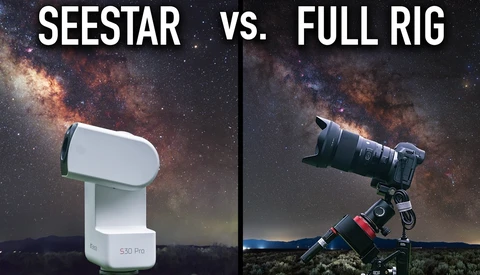
A 12-20mm zoom at f/2.8 sits right in the sweet spot for astrophotography, wide enough to swallow the Milky Way and fast enough to pull in faint starlight. Most shooters reach for a prime when the sky gets dark, which makes a zoom that can keep pace worth a real look.

Would an Ansel Adams Photo Flop on Instagram Today?

Strip Ansel Adams of his name, his reputation, and his place in history, then hand him a fresh account with zero followers. How many likes does "Monolith, the Face of Half Dome" actually pull? That thought experiment cuts straight into how you judge your own images and whether follower counts have anything to do with artistic worth.

Three Camera Raw Features You Might Have Missed

Camera Raw quietly gained a set of tools that fix a problem you have probably fought with for years: masks that stop short of the leaves, the hair, or the edge where you actually need them. Two new sliders now let you push a mask outward or pull it back, and they work on the specific mask types you reach for most.

What Is Base ISO and Why Does It Gives the Cleanest Photos?

If you have spent any time reading about camera settings, you have heard the advice to keep your ISO as low as possible for the cleanest image. The lowest normal ISO setting your sensor is built around has a name: base ISO. Understanding what it is, and why files shot there look better than files shot anywhere else, is one of those small pieces of knowledge that quietly improves every photo you take. It explains why your daylight shots look so crisp, why your dim indoor shots get grainy, and when it is worth chasing the lowest number versus letting it climb.

Inside the Unbelievable 50-Minute Single Take That Made "Adolescence"

"Adolescence" pulled off something most productions only pretend to do: four episodes, each filmed as a single continuous take, no stitched cuts hiding in the shadows. The internet split over whether the show cheated, and the answer sits right in the gear the crew chose to carry.

Nikon's 35mm f/1.4 vs. the 35mm f/1.8 S: Which One Wins?

Nikon sells three different 35mm prime lenses for the Z mount, and picking between them comes down to details that specs alone won't reveal. The gap between the Nikon 35mm f/1.4 and the Nikon 35mm f/1.8 S is smaller than the labels suggest.

How Classic Movies Faked Their Biggest Stunts

Movie stunts that look impossible almost always come down to a physical problem someone had to solve, whether that meant building a 330 ft miniature bridge or strapping an actor to a helicopter at 75 mph. 

How to Make Flat Light Work for Your Portraits

Flat light gets a bad reputation. The moment the sky turns from blue to a sheet of gray cloud, a lot of photographers pack up, assuming the good light is gone for the day. That instinct is backward. Soft, flat, overcast light is one of the most forgiving and flattering kinds of natural light there is, and the only reason it disappoints people is that they treat it as a finished product rather than a starting point. Learn a few simple ways to shape it, and a dull gray day becomes some of the easiest portrait light you will ever work with. This is about natural light specifically: no strobes, no flash, just the daylight you already have and a couple of inexpensive tools to bend it your way.

Two OM System White Lenses, One Coast, and a 1,000mm Reach Test

An 800mm equivalent lens that fits in a hand and a 1,000mm equivalent monster share the same day out on the Welsh coast. That kind of reach used to mean carrying gear you could barely lift, and the shift toward smaller sensors covering it is one of the more interesting developments in wildlife photography right now.

The Prime vs. Zoom Debate Is Missing the Point

Most wedding shooters carry a 24-70mm and a 70-200mm so they never get caught without the right reach. That habit can quietly wreck the consistency of your work, and the fix has nothing to do with which lens you own.

Why Cheap, Good, and Simple Black-and-White Prints Don't Exist

Ask any printer to be cheap, good at black and white, and simple to use, and you're chasing something that doesn't exist. Anyone who has tried to pull a truly neutral monochrome print off an inkjet knows the frustration of watching subtle color casts creep into what should be clean gray.

The Anker Nano Power Strip Fixes the Ugliest Corner of Your Editing Desk

Every desk has one ugly corner: the gray knot of chargers and power bricks that no cable management ever truly tames. The Anker Nano Power Strip (10-in-1, 70W, Clamp) clamps to your desk edge and swallows that knot whole, and after a month running my entire charging setup off it, I'm not going back.

The Photoshop Tool You Never Use That Creates Stunning Effects

The pixel stretch effect looks like something out of a high-end ad campaign, yet it comes down to a handful of clicks in Photoshop. If you've ever wanted to add motion, energy, or a graphic edge to a portrait or product shot, this technique gets you there in minutes.

An Influencer Filmed a Stranger's Skirt for Clout. It Just Cost Him $20,000

A man with more than 100,000 Instagram followers who filmed himself lifting a stranger into the air outside a nightclub, exposing her underwear on camera, has been ordered to pay $20,000 for posting the footage without her consent. A B.C. tribunal decided the clips counted as intimate images even though the man said he was just chasing views.

10 Mistakes That Kill a Headshot

A headshot has one job: to make a person look like the best, most confident version of themselves, and to do it in the fraction of a second a viewer spends forming a first impression. That is a narrow target, and it is easy to miss. What helps is that these failures repeat. Most weak headshots are not ruined by the camera or the location but by the same handful of mistakes, almost all of them fixable once you know what to look for. Here are ten that quietly kill a headshot, each with the fix.

Starting a Real Estate Photography Business in 2026

The single biggest mistake in real estate photography has nothing to do with your camera or your marketing budget. Getting good before getting busy separates a business that lasts from one that burns out fast.

The Split-Tone Trick That Beats a Single White Balance Slider

A single sunset photo, edited three different ways in the same frame, is the kind of thing that changes how you think about white balance. The trick lies in treating the sky and the water as separate zones instead of pushing one warm slider across the whole image.

A 2010 Camera, a 2012 Lens, and a Trip to Italy

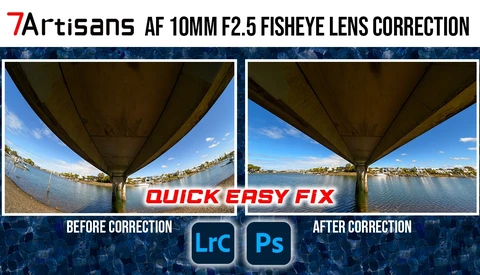
A 15-year-old camera with no USB-C charging, no eye sensor, and dated video specs still earns a spot in a working photographer's bag for a trip to the Italian coast. That says something about what actually keeps a camera in rotation years after its spec sheet stops mattering.