
Articles from Mike Dixon

Knowing the Difference Between Your Gifts and Your Talents

Whether you shoot video or photographs, you're a creator, and regardless of how long you've been doing it, you'll always want to get better. If you have the desire to grow either your audience or your skills, this video contains some great information.
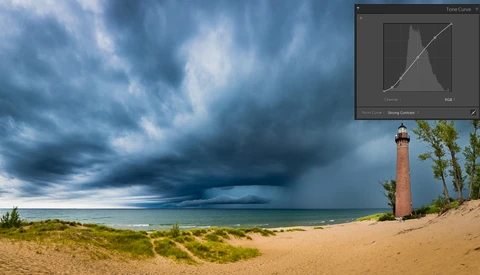
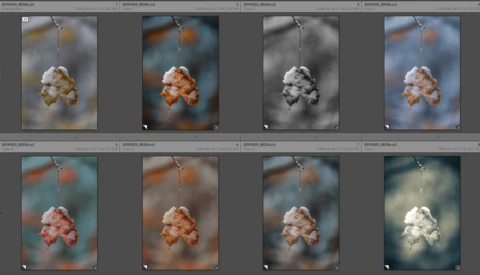
How to Use Virtual Copies and Snapshots in Lightroom

Virtual Copies and Snapshots are powerful features in Lightroom that often go unused or underutilized. In this article, we'll cover what they are and how they can be used to make your editing workflow faster and easier.

Shining Light on the Lightroom Histogram

Most of the adjustment sliders in Adobe Lightroom or Adobe Camera Raw are self-explanatory, for example, highlights and shadows. But do you truly understand what is happening when you move that slider?

You Might Want to Check Your Lightroom Settings More Often

The Lens Corrections panels in the Lightroom Develop Module and Adobe Camera Raw provides the ability to correct lens problems such as distortion, chromatic aberration, and vignetting. These settings are often turned on and never given a second thought.

10 Ways to Remove a Stuck Lens Filter

If you use screw-in lens filters, sooner or later, you may end up with a stuck lens filter that refuses to come off. Have no fear, though: here are 10 ways to remove that stuck lens filter.

The Secrets of Hidden Lightroom Keywords

Many photographers live and breathe by keywording their photos in Lightroom. Keywords can be used both for describing images, as well as combined with other features of Lightroom for organizing, searching, publishing, and exporting photos.

Are You Making These Lightroom and Photoshop Mistakes?

If you're like me and primarily use Lightroom Classic for your photo editing, you probably occasionally edit a photo in Photoshop. If you do, you might be making the same Photoshop file mistakes I made.

Maybe You Need a Photo Editing Checklist?

It seems as though almost every time I ask one of my close friends about a particular aspect of their photo, I usually hear the same reply: "I forgot" or "I didn't think of that." My answer is, typically, "make a checklist."

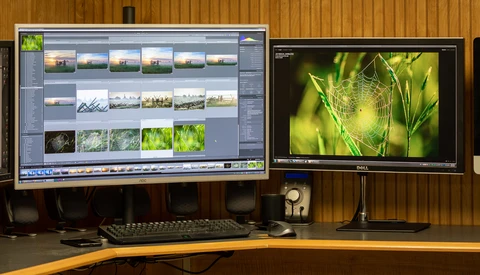
Using Lightroom Classic's Secondary Display to Be More Productive

Whether I'm teaching someone Lightroom or only showing a friend my photos in Lightroom for the first time, the one thing they usually comment about right away is my use of Lightroom's Secondary Display feature. It's a great feature that really makes me more productive.

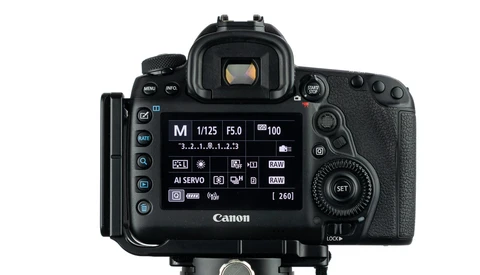
Pro Camera Advantages: It's More Than Just Sensor Size

Discussions about entry-level, mid-level, and pro-level cameras often revolve around the differences in their sensor size or resolution. However, that's just one aspect of many that separate these types of cameras. Let's take a look at the other benefits that a pro-level camera brings to the table.

Joel Grimes on How to Be a Successful Photographer

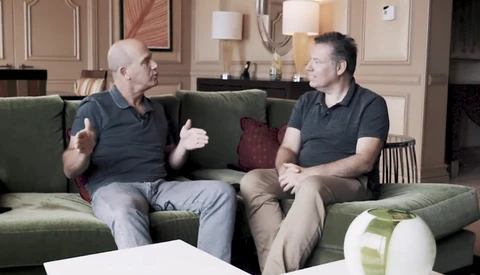
As I've gotten older, one thing I've learned is that it's often easier and quicker to learn from someone else who has "been there and done that" than it is to learn by trial and error on your own. In this video, Serge Ramelli interviews Joel Grimes about what it takes to be a successful photographer.

Lightroom Import and Export Tips and Tricks

Lightroom is undoubtedly a great tool for Digital Asset Management (DAM). Some people use it for Digital Asset Management and Editing while others use it just for Digital Asset Management and do all of their editing in Photoshop or some other external application.

Four Types of Light to Master for Landscape Photography

Perhaps one of the key things that an aspiring photographer needs to learn is that the quality of light is one of the most important elements in making a great photo. Often, it's the light that makes or breaks the photo.

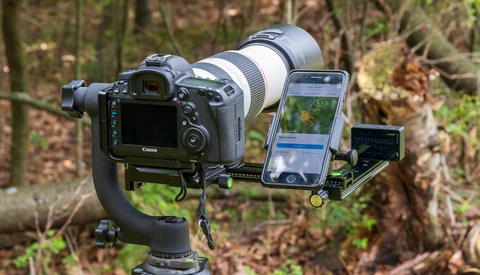
Useful Gimbal Tripod Head Configuration Tips

When I purchased my first large zoom lens it came equipped with a tripod foot. I quickly learned that a standard ball-head wasn't the best way to use one of these beasts on a tripod. This started my venture into the gimbal games and actually helped in ways that I didn't anticipate.

Why Do so Many Photographers Live in a Box?

If you've been involved with photography for very long at all, you may have noticed that photographers have a variety of opinions — about everything. Unfortunately, many photographers appear as though they live in a box, where they can only see the things that they are personally involved in.

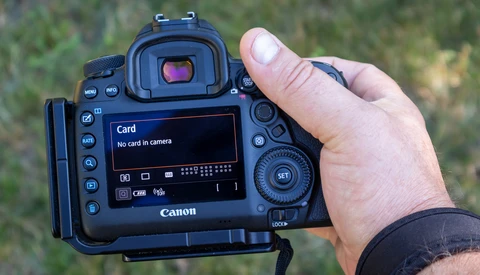
Five Tips to Prevent a Photo Shoot Disaster

Many of us have either done this ourselves or have a friend that has done it. I'm talking about getting out to a location only to learn that you don't have a usable memory card or battery.

Can We Just Kill the Exposure Triangle Already?

The exposure triangle claims to explain the relationship between shutter speed, aperture, and ISO. At first glance, it looks like a useful diagram, until you realize that it’s not all what it's cracked up to be.

Learn to Delete Everything to Polish Your Photography Skills

We’ve all seen it before. Everyone runs out to shoot a storm, weather event, or just the sunset at the lake, but it just turns out to be an uninteresting event. Next thing you know someone inevitably posts one or more mediocre photos from it on social media as if it was the greatest thing ever.

How to Increase Your Likelihood of Getting the Perfect Photo

Regardless of how long you've been into photography, every so often, you'll wish you had tried a different setting, shot the photo with a narrower or wider composition, or shot a vertical orientation. I have a technique that I employ from time to time to ensure I get the perfect photo.

The Time to Prepare for Viral Photos Is Before They Go Viral

Unless you're a photojournalist, the chances are low that your photos will ever go viral. If you're trying to go viral, you'll probably be prepared ahead of time. If you just so happen to be in the right place at the right time, you may not be prepared for what happens when your photos go viral.

Three Reasons Why Minimalism Can Help Create a Better Photo

The natural tendency for a beginner photographer is to try to show as much as possible in their photos. They want to show everything that they're experiencing at the time. Under the right conditions, a wide-angle shot like that has its place. However, often, the better shot is the one that shows as little as possible. This technique in photography is called minimalism.