Featured Articles

Fstoppers Originals

Fstoppers Originals
Fstoppers Community
Photo of the Day
Jul 2

Golden Boy

Jul 1

Urban Pulse

Jun 30

Anthurium, Etude III, Thiré, France 2026

Jun 29

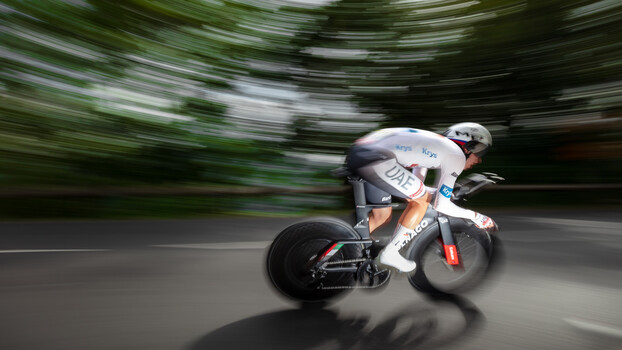
Tour de France, Time trial, Passy, rider Tadej Pogačar
Jun 28

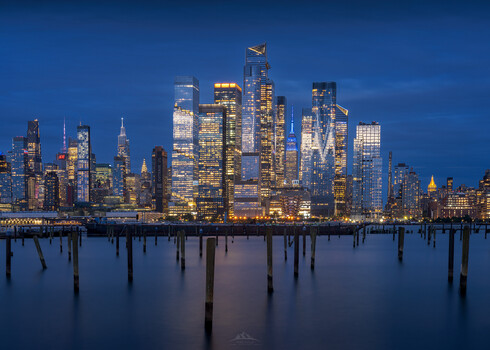
Azure Metropolis
Jun 27

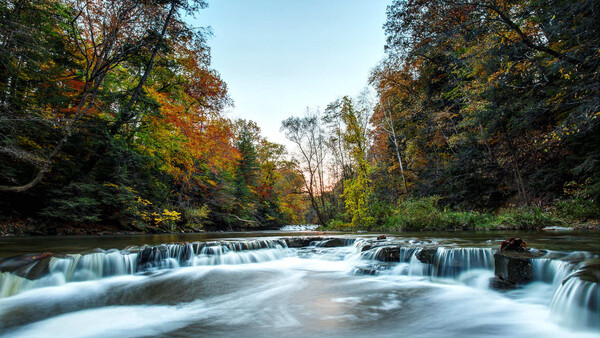
Beneath autumn’s wing

Jun 26

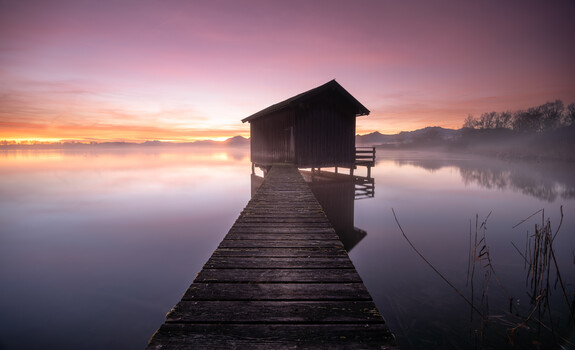
Calm Morning
Jun 25

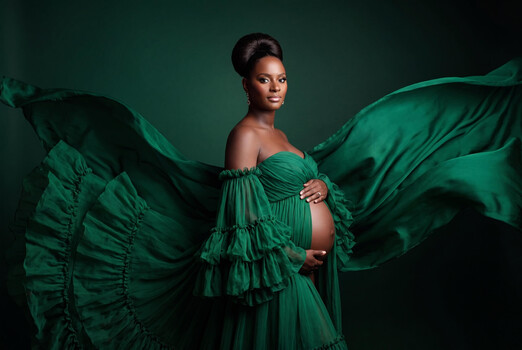
Michael Stief Maternity Photography 10
Jun 24

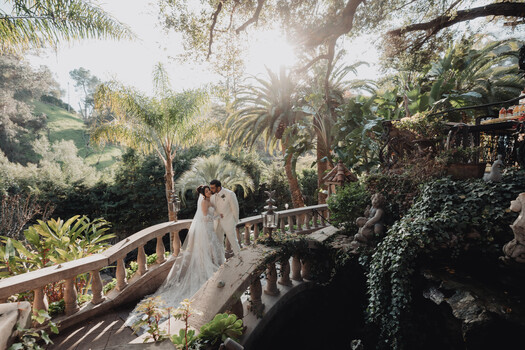
Wedding Couple in the Gardens — Los Angeles | Lulan Studio
Jun 23

The scent of venice.

Jun 22

Vertigo

Jun 21

Clearwater Workshop with Selena

Jun 20

Mushroom & Blue Cheese Ravioli with Spinach Basil Pesto

Jun 19

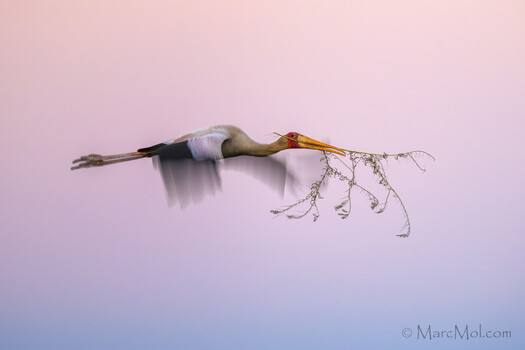
Topping up the nest.
Jun 18

Frozen

Editors' Picks

Horizont
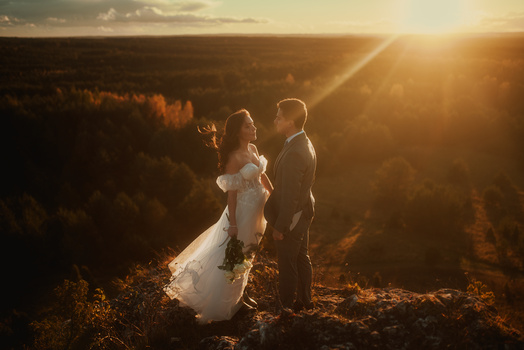

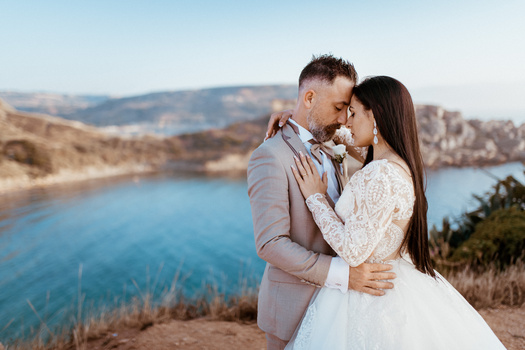
Wedding photography in Malta

Alien


Bjarnarhöfn


Reach to the sky


Roque Nublo


Cowboys Waiting


Stream, Black Sand & Foothill, Vik Iceland


Vestrahorn Aurora


Patibulaire
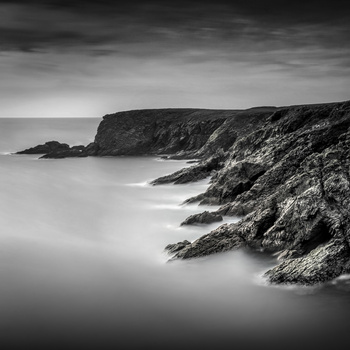
Père Eternel
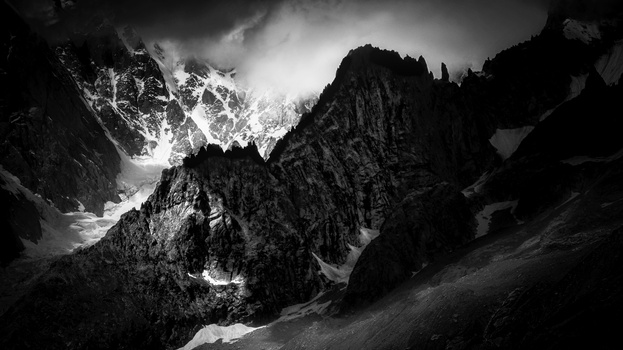

Sea Dragon


National Gallery of Art
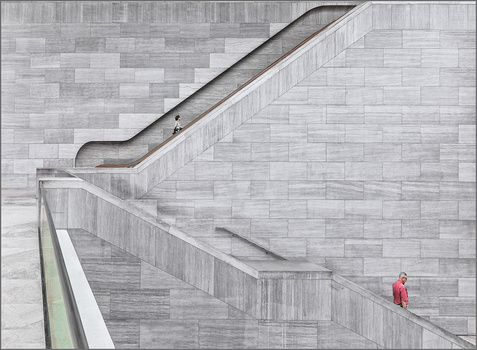
National- and University Library of Strasbourg_2
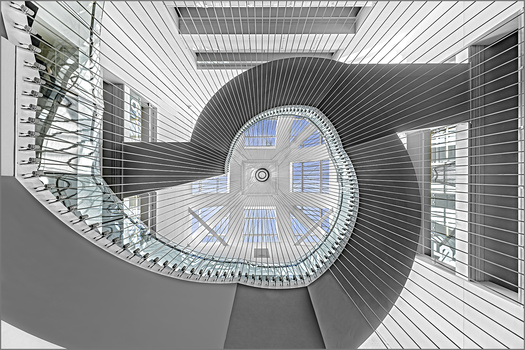
Staircase / Musée Unterlinden
What Is the Difference Between F-Stops and T-Stops?
You may have noticed that photography lenses are marked in f-numbers, f/1.4, f/2.8, f/8, while cinema lenses are marked in T-numbers, T1.5, T2.9, and wondered whether they mean the same thing. They are closely related, they sit in the same spots on the aperture ring, and a T-number looks just like an f-number with a different letter in front. But they measure two genuinely different things, and the gap between them tells you something real about how lenses work and why a cinematographer cares about it while a portrait photographer mostly does not.

The Elegy of Imperfect Photography
There is a peculiar cult operating inside photography. You have seen them: the Autofocus Clergy.
Latest Gear Reviews

Active Contests

9
16
Submit your best photos tweaked with Ai
Welcome to the July installment of the Critique the Community! This month's critique theme is going to be "Augmented with Artificial Intelligence," and we want to see your best photographs that have been enhanced using Artificial Intelligence.
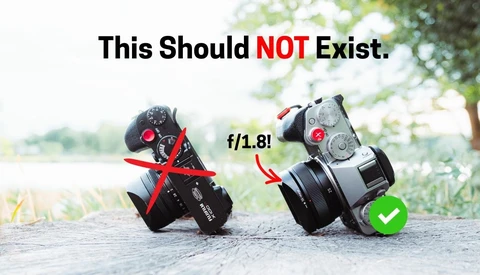
The $150 Pancake Lens That Gets You 90% of the Fujifilm X100VI Experience
The Fujifilm X100VI has a cult following for good reason: it packs an optical viewfinder, IBIS, a built-in ND filter, and a fast fixed lens into a body small enough to carry anywhere. The catch is the price, and increasingly, the availability.
Fstoppers Exclusives







Sony RX10 V First Look: From the World Cup to the Ballard Locks
I had the good fortune of spending some time with Sony's new RX10 V, and I shot the entire range of my life with it. A World Cup match here in Seattle one weekend, then a family outing to the Ballard Locks the next.
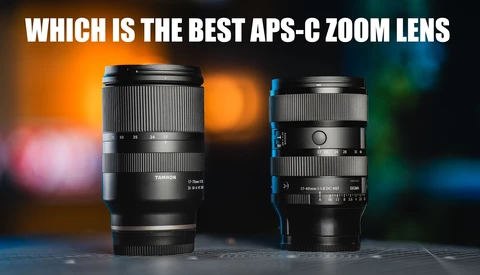
The Tamron 17-70mm f/2.8 vs. Sigma 17-40mm f/1.8: One Wins on Paper, the Other Wins in Practice
Choosing between a wider aperture and a longer zoom range is one of the most common trade-offs in APS-C lens selection, and few comparisons make that tension as concrete as the Tamron 17-70mm f/2.8 versus the Sigma 17-40mm f/1.8. These two lenses cost $200 apart, share the same weight, start at the same focal length, and yet produce noticeably different results depending on what you're shooting.

The Print Comparison Method That Shows You What Your Screen Hides
Printing the same image twice with two different profiles and then comparing them under controlled lighting is one of the most effective ways to sharpen your eye for print quality. Most people look at a finished print and react to it instinctively, but that habit makes it nearly impossible to diagnose what's actually working or failing.
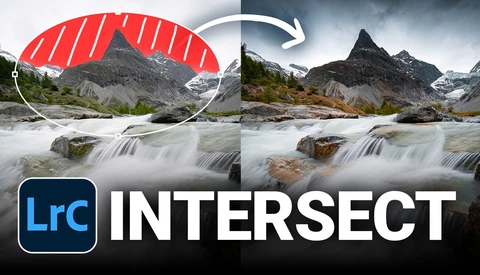
Lightroom's Intersect Mask Tool Can Solve Edits You've Been Doing the Hard Way
Lightroom's masking tools are powerful, but there are times when a sky mask or landscape mask alone won't isolate exactly what you need. The intersect tool lets you combine two masks so only their overlapping area is targeted, giving you precise control that add and subtract alone can't match.
What Is a Leaf Shutter vs. a Focal Plane Shutter?
Almost every camera has a shutter, the mechanism that controls how long light hits the sensor, but not all shutters work the same way. Among mechanical shutters, there are two main designs, the leaf shutter and the focal plane shutter, and the difference between them is not trivia. It determines how fast you can sync a flash, how quiet your camera is, how big and expensive your lenses get, and which kind of photography each system is best suited to. If you have ever wondered why a small fixed-lens camera can do something your big mirrorless body cannot, the shutter is often the reason. There are electronic shutter modes too, which we will come to, but the mechanical pair is where the story starts.

What Two Dead Drives Taught Me About the Cost of Keeping My Photos
Red lights blinking on my NAS. Drive failure. Double drive failure. I'm on RAID 6, so the data's still there, but my heart rate has increased. My day is reprioritized — time to work on this.
So I did what we all do now — I asked the internet, specifically Google's AI, how to fix it. The advice was tactically good, but it missed the real problem, and a thought stuck with me: the same AI tech I was leaning on for answers is the reason storage just got so expensive.
When storage costs this much, having good discipline with your data management practice beats blind redundancy.
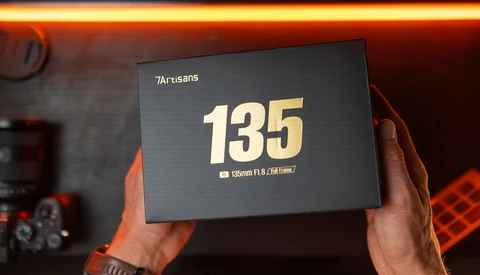
7Artisans 135mm f/1.8 vs. Viltrox: Which One Is Actually Worth Buying?
Choosing between the 7Artisans 135mm f/1.8 and the Viltrox 135mm comes down to a real tradeoff: raw optical and autofocus performance versus a lighter, smaller package at a lower price. At $689, the 7Artisans sits well below the Viltrox, and that gap raises a fair question about what you're actually giving up.
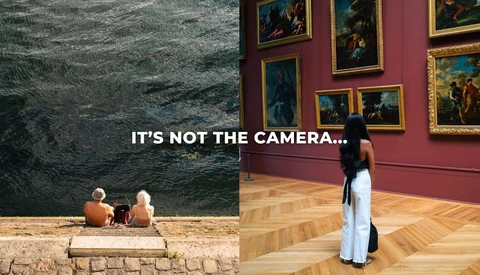
5 Travel Photography Habits That Are Killing Your Photos
You come home from a trip with hundreds of images, sit down to edit, and feel nothing. It happens more than most people admit, and it usually isn't a gear problem or even a skill problem.
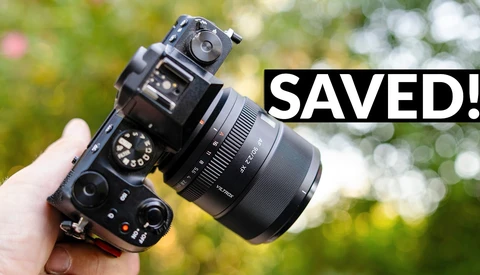
The Viltrox 75mm f/1.8 and 90mm f/2.2 Are Sharper Than They Have Any Right to Be at This Price
Choosing the right portrait lens for an APS-C system is genuinely hard when the native options are expensive and heavy. The Viltrox 75mm f/1.8 and Viltrox AF 90mm f/2.2 are making a strong case for themselves as lightweight, affordable alternatives for Fujifilm, Sony, and Nikon APS-C shooters.
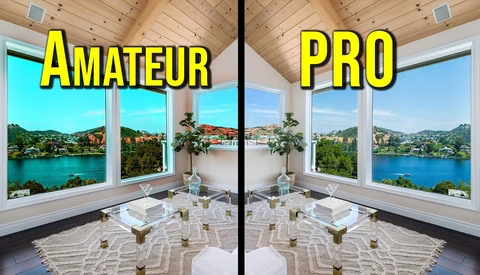
Why Your Real Estate Window Pulls Look Fake (and How to Fix Them)
Window pulls are one of the most technically demanding parts of real estate photography post-processing, and getting them wrong is more obvious than most people expect. A bad blend doesn't just look overprocessed; it can make an entire interior shot read as fake, which undermines the entire purpose of the image.
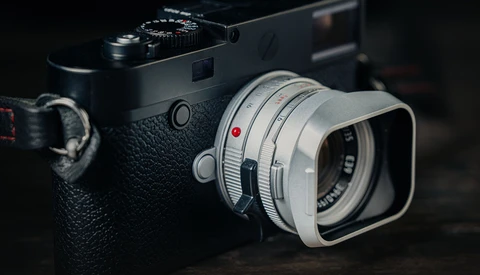
Recreating a Legendary Leica Lens: Mandler 35mm F/2
Owing to the growing popularity of Leica cameras in recent years, a bunch of new lens manufacturers have sprung up to provide much cheaper alternatives to Leica lenses. And what's particularly exciting is that, with the aid of modern technology, many rare and desirable Leica lenses from the past can now be reproduced with incredible accuracy.
Five Things I Learned From Shooting With 'Crappy' Cameras
After years of shooting with various "crappy" cameras, I realized they're not always as bad as many would think.
9
16
Submit your best photos tweaked with Ai
Welcome to the July installment of the Critique the Community! This month's critique theme is going to be "Augmented with Artificial Intelligence," and we want to see your best photographs that have been enhanced using Artificial Intelligence.
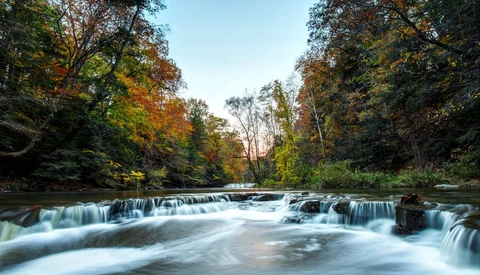
What Hyperfocal Distance Is and How to Use It for Sharp Landscapes
You frame a landscape with a striking rock in the foreground and mountains on the horizon, you focus on the mountains because that is your subject, and when you get home the foreground rock is soft. Or you focus on the rock, and the mountains go mushy. The scene your eye saw as sharp from front to back will not cooperate. The fix is more than a century old and it is one of the most useful, and most misunderstood, ideas in landscape photography: the hyperfocal distance.

Why the Best Portrait Photographers Think About Darkness First
Choosing the right light is one of the most misunderstood skills in portrait photography, and most advice online focuses on the wrong things entirely. Gear and camera settings have almost nothing to do with why certain portraits feel alive while others fall flat.

Flash vs. LED: Why Experienced Photographers Still Choose Strobe
Choosing between flash and continuous LED lighting is one of the more consequential decisions you'll make when building out a studio kit. The gap between the two has narrowed, but it hasn't closed, and understanding where each system breaks down in real-world conditions changes how you spend your money.
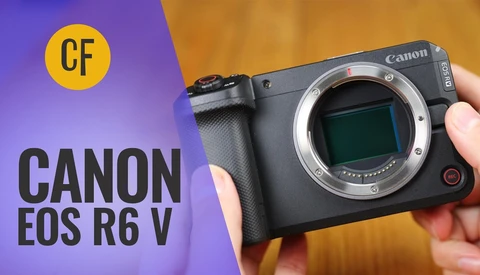
Canon EOS R6 V vs. EOS C50: Which Camera Actually Makes Sense for You
The Canon EOS R6 V is Canon's first full frame V-series hybrid camera, priced at $2,500 body only. It's built for video makers who still need serious stills capability, and at that price, it competes in a range of the market where buyers are making real commitments.
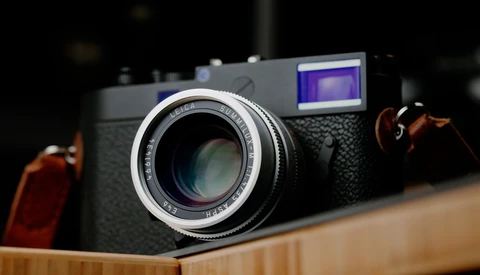
The Leica 35mm Summilux-M f/1.4 ASPH on a 60 MP Sensor: Is It Still Worth It?
The Leica 35mm Summilux-M f/1.4 ASPH has been around for 16 years, and it was never designed with a 60-megapixel sensor in mind. Whether it holds up on something like the Leica M11 is a real question, and the answer is more nuanced than you might expect.
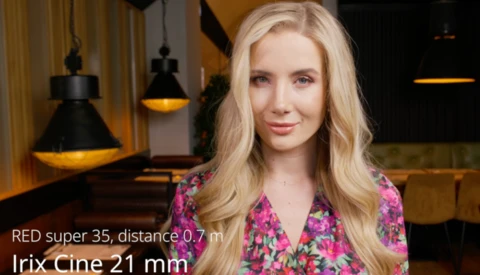
What Is Focus Breathing and Why Do Videographers Care?
Pull focus on a video clip from a near subject to a far one and watch the edges of the frame. On many lenses, the image seems to subtly zoom in or out as the focus shifts, as if the lens is quietly inhaling and exhaling. That is focus breathing, and once you have noticed it you cannot unsee it. For photographers it is usually a footnote. For anyone shooting video, it is one of the defining differences between a photo-first lens and a lens built for video or cinema, and it explains a large part of why true cinema lenses cost what they do.
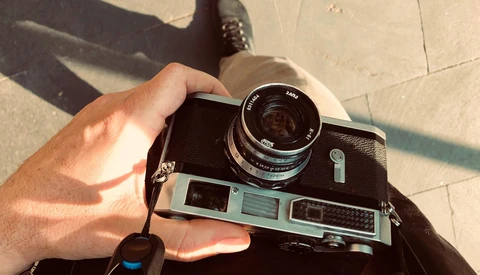
10 Reasons I Chose Canon: Even When the Internet Thinks It’s “Not Cool” Anymore
Let's begin with the usual disclaimer:
I am not affiliated with Canon in any way. No sponsorships. No ambassador contract. No free gear raining from heaven. This is simply the perspective of a working photographer who has spent years using multiple systems professionally across documentary, editorial, portrait, and street photography.
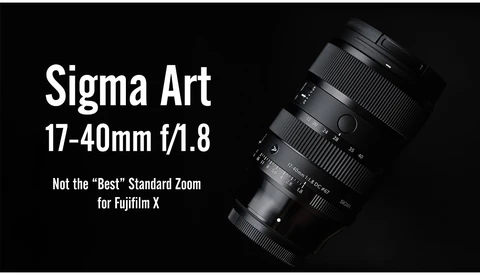
The Sigma 17-40mm f/1.8 vs. Fujifilm's Best Primes: Closer Than You'd Think
The Sigma 17-40mm f/1.8 for Fujifilm X sits in an interesting spot. It's faster than Fujifilm's own XF 16-55mm f/2.8, covers a narrower zoom range, and costs less, and for event shooters who live in dark rooms, that aperture difference isn't trivial.
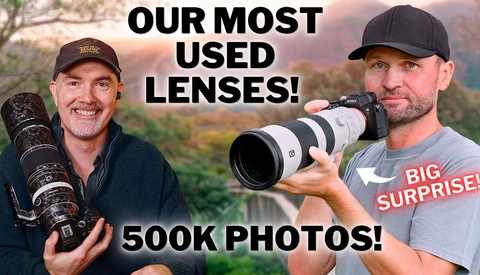
How Your Focal Length Data Might Be Telling You to Buy a Different Lens
If you shoot wildlife and you've never looked at which focal lengths you actually use most, you're probably making lens decisions based on guesswork. Jan Wegener and Duade Paton did exactly that analysis, and what they found challenges some of the most common assumptions about which lenses wildlife shooters actually need.