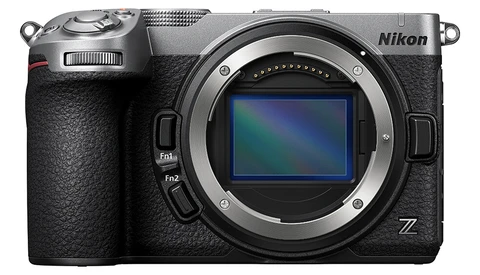
Nikon Announces New Z5IIC
Nikon has announced the Z5IIC, a smaller, viewfinder-less version of its Z5II full frame mirrorless camera built around the rear screen, available for preorder now at $1,399.95 body only and shipping in mid-October.
Nikon has announced the Z5IIC, a smaller, viewfinder-less version of its Z5II full frame mirrorless camera built around the rear screen, available for preorder now at $1,399.95 body only and shipping in mid-October.
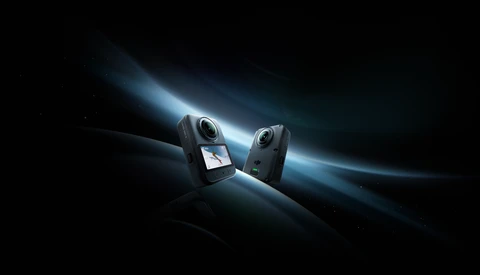
DJI just gave the 360 camera market something to catch up to. Building on more than 12 years of imaging expertise, the Osmo 360 II delivers new capabilities rooted in a shared lineage from previous generations of DJI's creative camera technology, from the Osmo 360 to the Avata 360.

We want to see your most unique photo edits
Welcome to the November installment of the Critique the Community! This month's critique theme is going to be "Unique Edit," and we want to see your best photographs that were brought to life with a new or unique editing style or specific editing software.
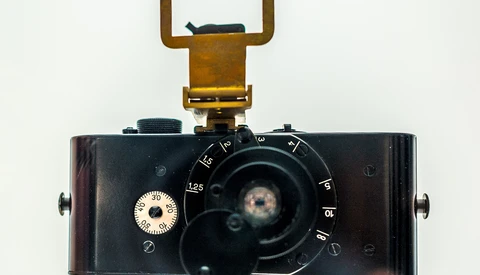
The short side of a full frame sensor is a silent-movie measurement. Cinema's full aperture ran about 24.89mm across the strip, from one row of perforations to the other, and when Oskar Barnack turned that film on its side in a workshop at Ernst Leitz in Wetzlar, that number became the height of a still photograph.
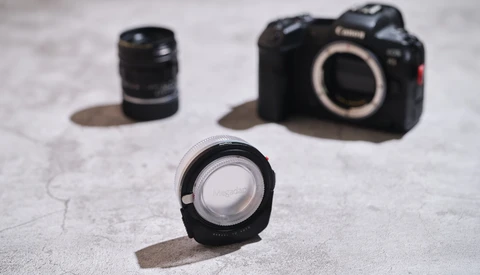
For a long time, I considered myself a manual focus purist—not because manual glass should strictly be used manually, but because there simply wasn't a way for me to autofocus it with my existing systems. It really isn't much of an issue; with constant practice, gauging distance and nailing critical focus can become second nature.

Adobe has completed its acquisition of Topaz Labs, the company behind the upscaling and enhancement models a lot of photographers and editors already run on their own files. Topaz Labs continues as a standalone brand, its apps and models stay available on their own, and its technology is already in Adobe Firefly and Photoshop. Adobe did not disclose financial terms.
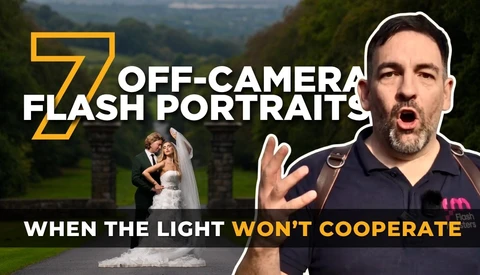
Rain forecast for hours, gone in two minutes, followed by sun, clouds, wind, and a location that shut down mid-shoot. That's the exact scenario behind this off-camera flash session, and it turns into a lesson far more useful than the tidy tutorial that was planned.
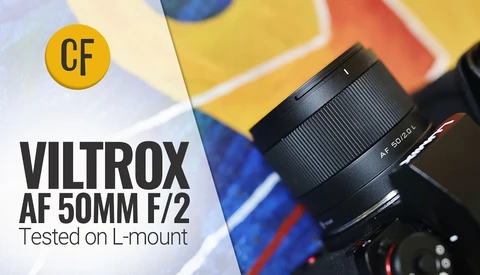
A $199 fifty that outresolves a Panasonic 50mm at double the price and half the weight is the kind of result that reshuffles a whole lens lineup. That is exactly what happened when the Viltrox AF 50mm f/2 landed on L-mount this week.
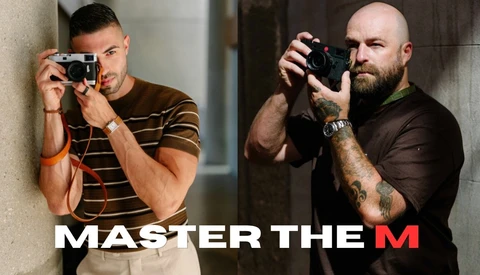
Buying a Leica M11, struggling with it, and selling it within a couple of months is a cycle plenty of shooters know well. The rangefinder demands patience most digital cameras have trained out of you, and that gap between wanting the camera and actually using it is where the frustration lives.

A 50mm at f/4 has a physically larger opening than an 18mm at f/1.8, yet the wider-angle lens is the faster of the two. That contradiction sits at the center of how apertures actually behave once you start swapping focal lengths.
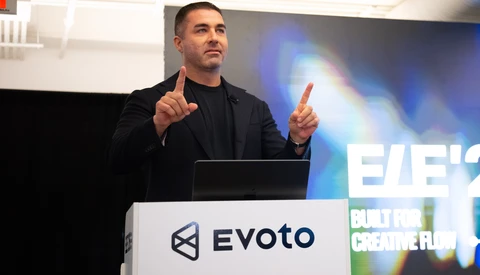
Evoto has attracted a lot of attention in the past 5 years or so. When you consider Adobe’s decades-long domination of the editing and retouching space, that is a major accomplishment. Today, Evoto has announced a major update with a variety of new culling and editing improvements for photographers. It even includes an Asset Hub designed to help photographers make money.

Wilson Alwyn Bentley made the first photograph of a single snow crystal on January 15, 1885, in an unheated shed behind his family's farmhouse in Jericho, Vermont. He was nineteen, a few weeks short of his twentieth birthday, working a bellows camera bolted to a microscope on a frame he had built himself.
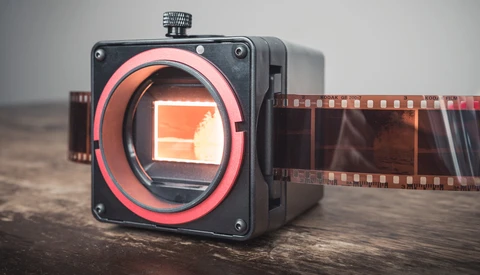
Digitizing film at home has always been a fiddly, annoying, time-consuming process, so discovering a system that makes it simpler has been a breath of fresh air.
The VALOI easy35 v2 is a system that simplifies the process of digitizing slides and negatives at home using your existing digital camera.
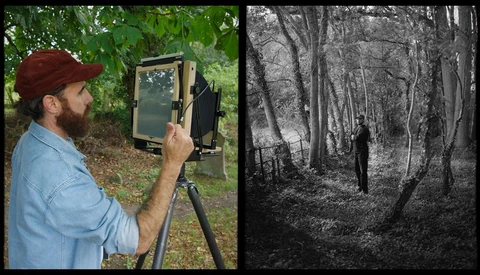
Jumping from 4x5 to 8x10 film means bigger negatives, longer focal lengths, slower shutters, and a bill that climbs fast with every accessory. Anyone weighing whether the leap is worth it will recognize the mix of excitement and sticker shock that comes with building a fresh large format kit from scratch.
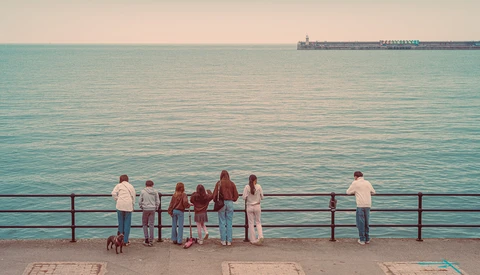
After about 40 years of photography, the biggest change in my work has nothing to do with cameras, lenses, or the transition from film to digital. It’s what I look for when I’m out with my camera.
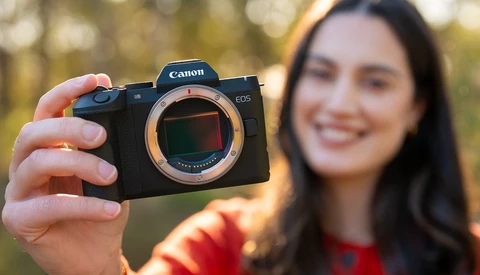
The Canon R8 Mark II adds in-body stabilization, the single feature its predecessor left out, and packages it into a 24.2-megapixel full frame body aimed at people making their first jump up from crop sensors. That one change reshapes who this camera is for.

Limits can do more for your photography than any spec sheet, and a manual-focus rangefinder forces those limits on you in a way autofocus never will. That tension sits at the heart of one photographer's decision to bring a Leica to a job it had no business being at.
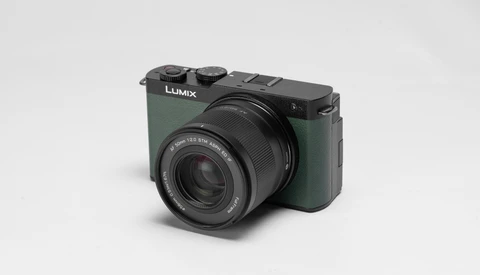
Viltrox has announced four full frame autofocus primes for L-mount, the AF 14mm f/4 Air L, AF 20mm f/2.8 Air L, AF 40mm f/2.5 Air L, and AF 50mm f/2 Air L, all of which go on sale today at prices from $168 to $199. The heaviest of the four weighs 205 g.
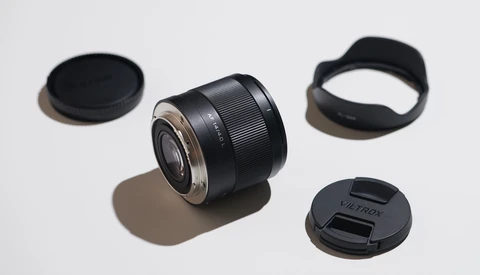
Since the inception of the L-Mount Alliance, there has been a gap in the market for affordable ultra-wide angle lenses. With the available options, you could either purchase an affordable lens that completely lacked autofocus or invest in an autofocus lens that was decidedly not cheap. The launch of the Viltrox AF 14mm f/4 for L-Mount drastically changes that landscape.
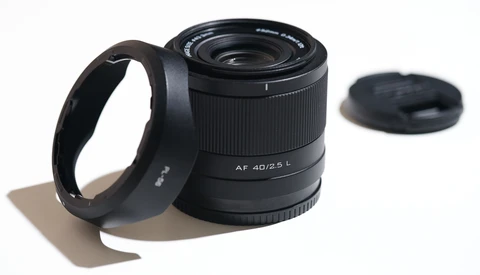
The long-awaited expansion of the Viltrox Air series lenses has finally arrived for L-Mount users. Marketed on the promise of "Lightweight & Masterful Image Quality," the Air series has already built a solid reputation in the photography community.
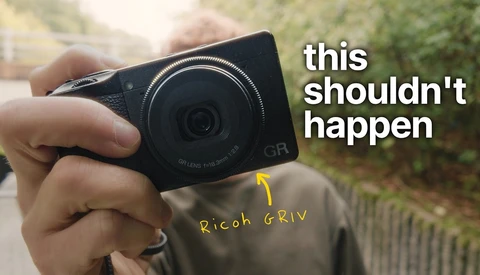
The Ricoh GR IV earns constant recommendations as the everyday-carry camera, small enough to slip into a pocket, with an APS-C sensor packed into a body most compacts can't match. After roughly five months of real use, that pocket promise turned out to be the exact spot where things fell apart.
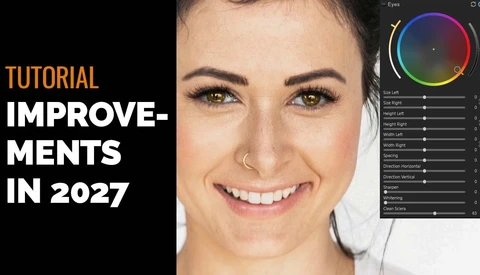
ACD Systems has released ACDSee Photo Studio Ultimate 2027, and the pitch is less about what the AI can do than about where it runs. Face detection, keywording, masking, super-resolution, and image similarity all process on your computer, with no images or facial data leaving it.
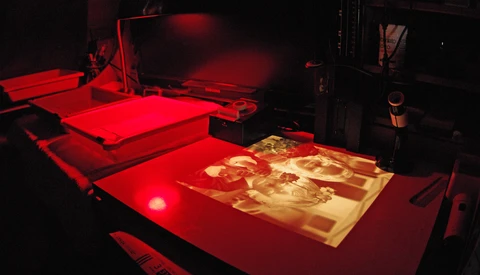
Making a single black-and-white print used to take a locked room, a red bulb, and roughly eight specialized tools that have almost no equivalent on a modern desk. If you started shooting after the smartphone, there is a good chance you have never touched any of them, or seen them work.

Congratulations to Patrick Khachfe, Rene Weisz, and Bryon Black, who took first, second, and third place in August’s Minimally Edited Photos critique. Each of them wins their choice of any tutorial from the Fstoppers Store.
Thanks to everyone who entered — 256 images from 151 photographers made this a tough one to judge.
Want to be in the next one? There’s a Critique the Community contest running right now. Enter here.
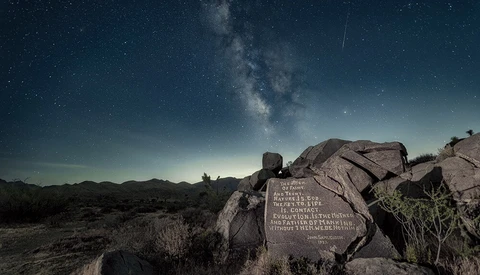
Some of the best photography locations don't have a trailhead. Samuelson's Rocks—seven massive boulders bearing eight philosophical inscriptions deep in Joshua Tree National Park—is one of them. No trail, no signs, just open desert, a Milky Way overhead, and one of the most unusual night photography subjects in the American Southwest.
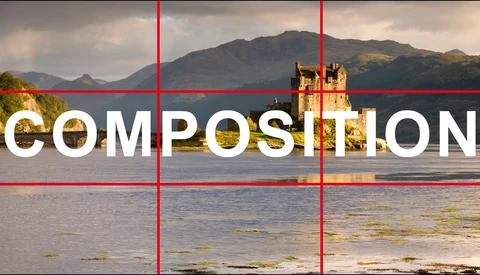
Every photographer learns the rule of thirds early, then spends years collecting other guidelines that promise a more balanced frame. The question worth sitting with is which one actually deserves top billing, and whether the real answer is a technique at all.


