How To Assist The Best Photographers In The World
Have you ever wondered what it takes to assist the most successful photographers in the world?
Have you ever wondered what it takes to assist the most successful photographers in the world?
At one point or another, we all end up questioning our decisions to pursue a creative career over more “traditional” options. If you've never questioned yourself along the way, then congratulations, you're an outlier. It's far too common that we find ourselves creating stress when dealing with self-doubt. Whether you're just beginning to think about a creative career, you're just starting out, or you've been at this for decades, this video might be able to offer some perspective on addressing some of the tough questions that we ask ourselves.
I remember when Facebook introduced their messenger service and how I mentally groaned at the idea of yet another way I’d have to keep up with correspondence. Heck, at times I even threw on my tinfoil hat and thought for sure that Facebook was spying on me through their messenger service. But, once I regained my composure and gave it a chance, I learned what many already knew: Facebook Messenger is quickly becoming the new email newsletter.
In the grand tradition of turning lemons into lemonade, I thought I would share with you a quick story about how a less than desirable situation for me this weekend turned into a chance to improve my business and my approach.
All the talent in the world doesn't mean a thing if you undercut yourself with bad habits that can damage your career. This great video explores six bad habits that can cut a career short and how to turn them around to increase your chances of success.

Erik Almas is an inspiration to many of us not only with the work he does as a commercial photographer but also as a person who shares the struggles and successes he had in his career. No doubt that he works with many companies and brands we can only dream of, but in a recent interview he confessed that despite that there wasn't a moment in his life when he could say he "finally made it." It is exciting to hear what his measure for success really was.
One of the most frustrating things a photographer has to deal with in today's market is having their work stolen or used for free. If you post images online, the chances of your work being used without your permission isn't just likely, but inevitable. How then can you as a photographer protect your images while at the same time publishing your work so you can promote your brand? In this free excerpt from our Making Real Money tutorial, Monte Isom shares the exact steps you need to take to both protect your work and recover damages caused by illegal infringements.
One of my recent articles was on how developing a niche can help you make more money from photography. I received a lot of emails and questions over the next week and a strand that run through almost all of the contact was about making the transition to full-time professional. I was pleased with the interest in this question, but I wasn't overly surprised as I tackled the very same issue for several years. There's no exact formula, but there are some important tips I can give. Sadly, most of these I learned along the way, but hopefully some readers can use this to make that leap to professional feel more like a hop.
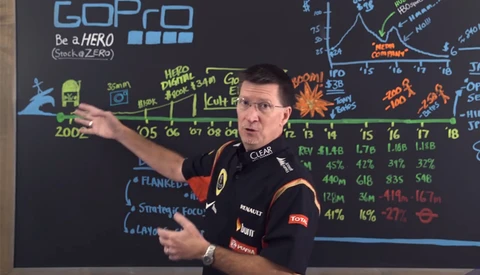
Now that news has been flurrying around GoPro’s potential demise, let’s take a look back on how they started and what got them into this mess.
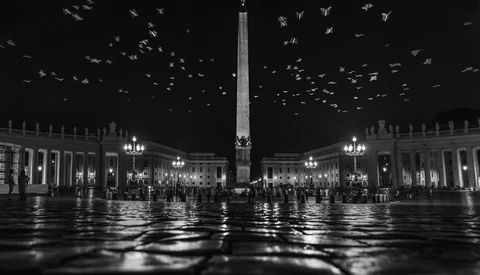
The world of fine art photography exists in the lofty shadows of the photography industry, it’s secrets hidden behind an air of elite mystery. While endless tutorials on how to make a living as a portrait photographer can be found with a quick google search, how to make a living as a fine art photographer remains a more nebulous subject. Last year, award-winning Fine Art Photographer Jason Matias made $60,000 selling fine art prints, and he’s taking away some of the mystery by sharing part of his journey — and solid advice — for budding fine art photographers who want to do the same thing.
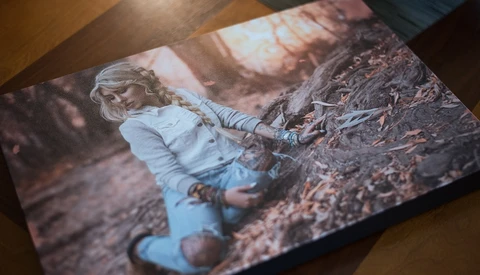
Would you agree that no one likes the idea of the slimy used car salesman? Have you ever stopped to think about and analyze why no one likes that person? It's because that person has no vested interest in the product they're are selling or the people they are selling to. He or she has no interest in the customer or in the car. As a photographer, how do make money selling a service and product to your customers while never treating them like the car salesman would? The answer is pretty simple: take time to find the products that you're actually passionate about and then share that passion with your clients.

Building a stock photography portfolio and generating passive income can be one of the easiest ways a photographer can make money. However, creating a sizable portfolio that generates a worthwhile income month after month doesn't just happen overnight. Chances are you have already been shooting images suitable for stock without realizing it. With just a little planning and adjustment to how you see and approach assignments, you can turn your existing and future work into a growing stock catalog. Additionally, with stock sites like Adobe Stock built right into your Creative Cloud, submitting, tracking, and learning what sells is a relatively easy task.
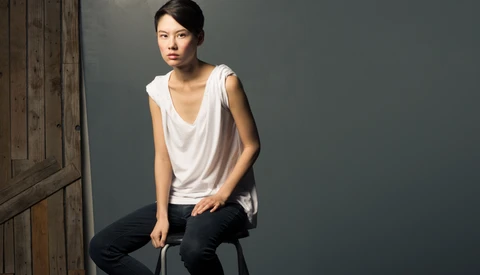
As I set up to shoot an assignment last week, I found myself in a casual conversation with the owner of the location. He was also a photographer, and as I opened my Pelican case and began to set up my strobes, he commented on the fact that he owned the same one. He then lamented the fact that this particular kit was no longer made by the manufacturer. It had been discontinued and replaced by a new line of photographic debutants. I had no idea.
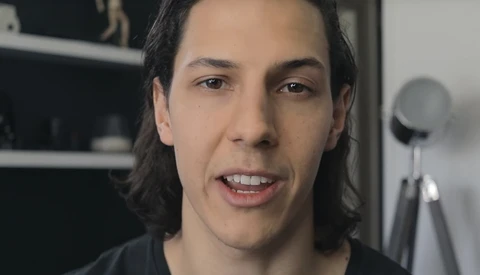
You’ve got the fancy camera, the biggest and baddest lenses, and the technical know-how to shoot beautiful imagery in your field of photography. What do you do now to get the cash flow rolling in? Do you try to branch out your network reach to try to get the “in” with potential clients, make countless cold calls and emails, or giving away work for free to bring attention to your business? Many very talented professionals get to this point in their career where they have the skills but not the knowledge of business to make money. If you’re finding yourself in this spot of your career, watch this video from Sheldon Evans now.
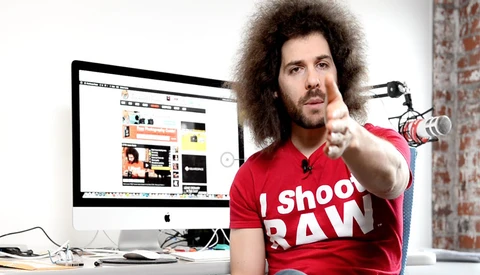
If you're a photographer with thin skin, I would advise against watching Jared Polin's brutally honest breakdown on why you'll "never make it as a photographer." But then again, if you're a photographer with thin skin, you're probably not going to make it as a photographer. Watch the video to hear Polin's five reasons why you won't succeed in the industry,, and continue reading for five of my own.

I am a big believer in a bunch of little things all add up to an overall "impression" or customer view of you or your business. Today I want to talk about a little thing that takes five minutes but I believe really makes a nice impression when you are sharing your website.

In a post to Facebook, Founder and CEO Mark Zuckerberg has revealed plans to change up your news feed once again. In a renewed effort to help people stay connected, Facebook will be further limiting the number of posts people will see from brands, businesses, and media on their feed, opting to increase the number of posts from friends and family. What will this mean for your photography business page?
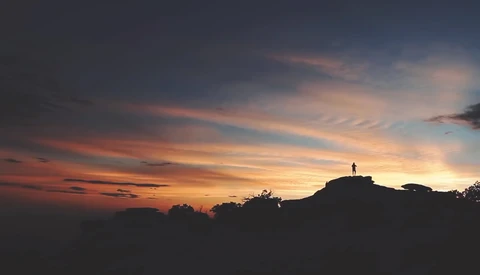
What’s great about photography and videography is that in most cases you can work wherever you are and thus move freely around the globe. Chris Hau understood that and managed to travel for free using his photography. In this video, he shares his experience and story with you to try giving you tips and inspiration to do the same in 2018.

Marketing yourself as a photographer can not only be time consuming but a drain on your creativity. The time that is scheduled for marketing could be going towards more sessions or creative projects. The benefits of having a team of brand ambassadors will get you booked months ahead and get you back behind the camera.
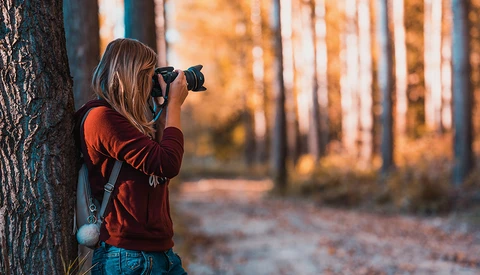
Almost every hobbyist photographer has considered making the transition to full-time professional. Similarly, almost every professional photographer has made that transition from hobbyist to professional. There are myriad factors why that career move isn't always possible and a great deal of them stem from the central notion of money, or lack thereof. Whether you want to organically build your photography from hobby to side-hustle and then to a career or you merely want to improve you earnings in any of those categories, developing a niche can make a crucial difference.

If you've been in the creative field for any length of time, you've surely been approached by someone and been offered the opportunity to work in exchange for “exposure.” In almost every case the query is met with a response that sounds something like, “I can't pay my bills with exposure,” or a clever meme breaking down the investment needed in order to take images in the first place. Before you lose any more sleep about it, let me share with you three ways to turn these types of “opportunities” into cash.

I’ve written extensively about it before, but, like most business lessons, the message bears repeating. In a marketplace simply inundated with competition from around the globe, it has never been more important for photographers to find their specific niche in the marketplace.
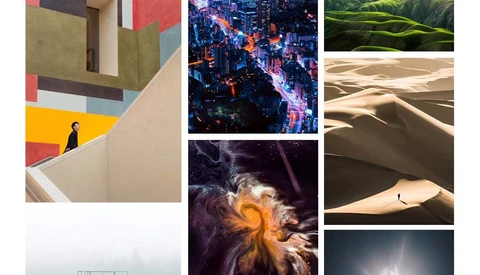
Unsplash is a photo community site where users can upload high-res images, making them available for free, public use (including commercial use), with thousands of photographers now contributing. One user, whose most popular works on the site are reaching over 12 million views, explains why he’s ditching Instagram in favor of the licensing platform.
Kodak has today announced a new blockchain technology service and platform entitled KODAKOne, through which photographers can register images before licensing them. The site has its own currency, KODAKCoin, which users will receive upon sale of their photos.
Whether you know it or not, psychology plays a big role in successful pricing strategies for both products and services. Our brains are wired to pick up on subtle cues when it comes to weighing the value of something. So how do we successfully price our photography services? Here are a few tips to help you restructure your pricing for a successful year.

Who doesn't like the idea of working with brands? You get free stuff, prestige, increased exposure and views, and free stuff! Of course, it's not as easy as just calling up your favorite company and having them send you the gear you want and or make you an affiliate. This great video talks about what it takes to work with brands, the different kinds of relationships, and how to increase your chances.

I'm a very technical guy, probably to the point of being a little obsessive. Today I wanted to talk about technical skill and quality versus emotion.
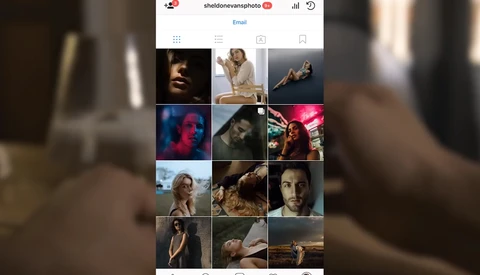
For some of us, growing our social media isn’t where we excel and we need some help or advice on how we can improve our following. Over the years, social media platforms have grown and changed. Many photographers have left Facebook or are in the process of ditching it for their photo-sharing application Instagram and putting all their efforts into this platform instead. So how do you grow your following on Instagram?

Clichéd new year resolutions are as much of a tradition of the holidays as building snowmen and eggnog. Why not change things up a bit this year and set yourself a resolution which is related to helping you grow as a photographer. Here are 10 promises worth trying to keep in 2018.
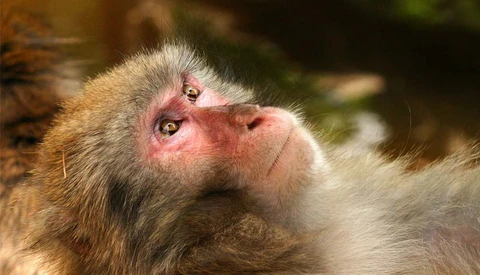
PETA have once again found themselves dictating animal-related photo laws and regulations after their intervention with Shutterstock has led to the agency banning all “unnatural” ape and monkey pictures.
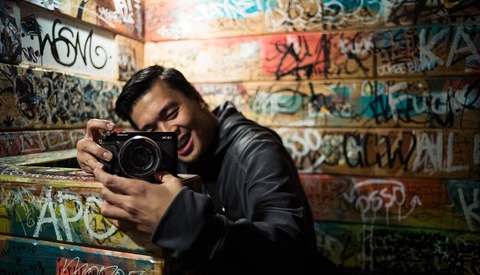
We all know the term, and as cringe-worthy as it can sound, it doesn't negate it's importance: networking. Along with "entrepreneur," the word "networking" gets thrown around a lot in today's millennial-run world full of social media highlight reels and "try-hard" antics. But networking, in the purest sense of the word, is an absolute necessity in our industry of creative entrepreneurship. There are opportunities around you that you will never be privy to unless you start cultivating genuine relationships with the creators in your extended circles. Not only that, but there is a vast pool of resources and knowledge that you could be tapping into.

Everywhere I turn, I am hearing about the upcoming tax code change and who it will benefit. Until January 1, my eyes are solely on 2017 income and what advantages photographers can utilize to reduce their tax burden this year. Time is of the essence for what you can do this year to save money before the ball drops on December 31 at midnight.
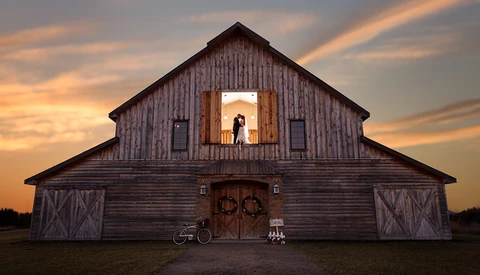
It’s that time of year. You have probably seen the abundance of marriage proposals on your news feeds, as I have. Before long, these newly engaged couples will be looking to hire a photographer for their weddings. Wedding expos are still an excellent place for these couples to find you, especially this time of year.
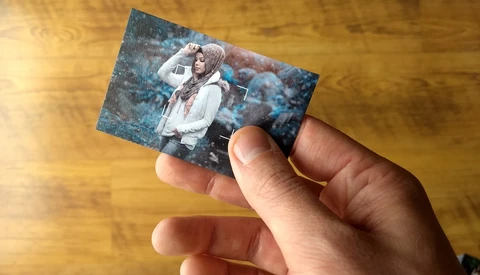
We all have a different bag setup. Some prefer to travel light and mobile while others go for a more heavy duty option. Some people want a stylish option that shows off some personal flair while others just want something practical. We each like a different layout and store our gear and accessories in a different way or in a different pocket. In spite of our different preferences when it comes to our camera bags, there is one universal truth. One item that, regardless of your specialty, you positively need to have somewhere in your bag. You must keep a few up to date business cards in your bag at all times.
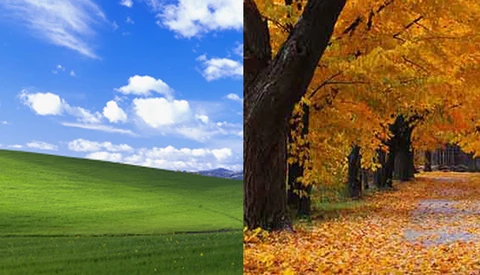
You’re no doubt familiar with these two images since both have served as stock photos placed on every Windows computer. However, the huge difference in the payday for their respective photographers may surprise you.
Running a successful photography business presents many challenges. When a photographer goes from hobbyist to professional they quickly learn that there is much more to master other than being technically adept at their craft. From learning how to organize a business to discovering the many hats we wear as business owners, it quickly becomes apparent that there is much more to running a successful photography business other than simply picking up a camera and snapping some great shots.
Stock photography companies are tallying their data from the last few years to predict what imagery trends will flourish in 2018, what they've predicted is fantastic news for us all. A mixture of creativity and authenticity are expected to dominate the new year's biggest image trends. It is so important for artists to stay on top of these trends as to not slip through the cracks, it's especially important this year because these trends are very different.

Yoga balls and standing desks may have become a stereotype of the hipster office space, but there is a legitimate reason for this alteration in traditional office paraphernalia: sitting is bad for you, and photographers should take heed before their health begins to deteriorate. Aside from the musculoskeletal dangers of spending too long sitting at the computer, like neck strain and back problems, other parts of the body may be suffering in silence, such as the heart and pancreas.
Even though Instagram seems to be the more interesting platform for photographers, YouTube is not one to forget. It offers a ton of possibilities to showcase our work and even make money out of it. If part of your business is education, Google’s video service should definitely be part of your marketing and business plan. Matti from TravelFeels gives us a few tips on how to turn it from a hobby to a money making platform.
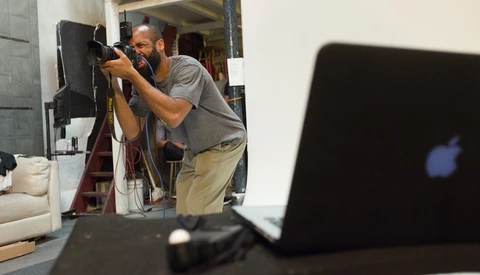
I hold these truths to be self-evident. One, things don’t always go the way we’d like them to. And two, how we respond to failure is equally, if not more important than how we deal with success.
In theory, crowdfunding seems like one of the beautiful perks of the Internet: any entrepreneur with an idea and the will to bring it to fruition can receive the financial support of interested patrons from all around the world, and in return, those patrons get early and/or discounted access to an exciting new product. The reality is rarely so rosy, and as a consumer, you need to be aware of that.
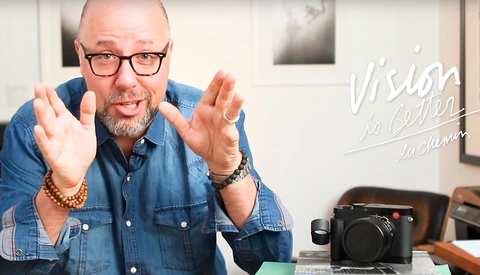
The incredibly prolific David duChemin has managed to squeeze out some more great philosophical and metaphorical nuggets in the latest video of his "Vision is Better" series. Full of his usual optimism and encouragement, he verbally judo-rolls his way through the walls of failure and fear, to prepare you to finally start that large format pet photography business you've been thinking about. Speaking of pets, two words really stand out in this video: Pet. Rock. Greater words of encouragement you will never hear.

I regularly view vlogs and how-to videos on YouTube. It's a vital resource for any photographer or videographer, and we all know that it's been a compliment to our businesses in the visual arts industries. I've noted that the vloggers don't just monetize their YouTube channels with the ads that are displayed before the video starts. No, they use affiliate links to all the gear they used to make the video in the description below the video on YouTube. What will it mean for us if Amazon starts their own video platform like YouTube?
One of the best steps you can take for yourself and your photography business is setting goals. Being intentional about setting time aside to write out all of your goals can be one of the most powerful business strategies for the upcoming year. Not only does goal-setting help to solidify where you’d like to see yourself and your photography in the future, it also helps to create a clear-cut business plan for the year ahead. If you’re feeling lost or aimless within your photography business, you may want to give goal-setting a try.
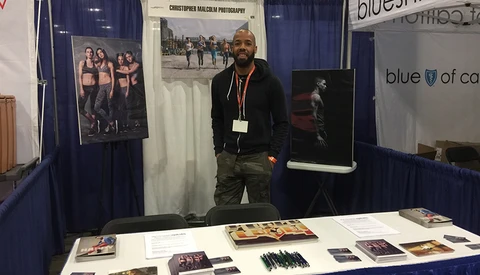
As the year draws to a close, I'd like to share a personal story of my own journey. While everyone's story is different, I hope that you are able to find some lessons in both my wins and losses that will help you to push forward and make the coming year even better than the last.

A wealthy neighborhood in Houston has tried and failed to ban photographers, after 40-50 photoshoots, often extravagant engagement or wedding shoots complete with props, were said to be taking place each weekend.
Every year a slew of burgeoning entrepreneur types thirst to make a New Year’s resolution to go head first into full-time photography. The siren call to shift that beloved passion into an all-out career beckons.

Despite the rise of social media, having a website is still imperative in order to showcase your best – and not just latest – work as a photographer. Here, five professionals, including editors from the Guardian and the British Journal of Photography, offer an insight into what makes a photographer’s portfolio stand out.
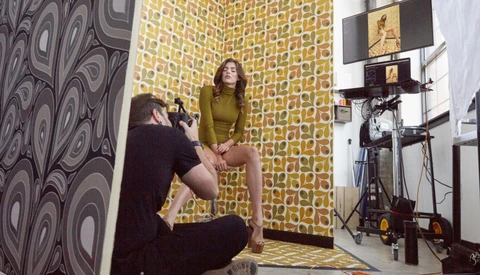
World-renowned photographer Clay Cook decided to bring Christmas a bit early by hosting a livestream on the topic of marketing for photographers. Cook is an editorial and advertising photographer who works very heavily in the commercial space shooting editorial portraiture. Cook has worked with a myriad of national brands and celebrities throughout his career and is poised to offer great advice to any budding photography looking to begin a career in any commercial photography market.

With only a few days left in open enrollment, I'm seeing a lot of my friends on social media ask: "What is the best insurance for self-employed photographers?" If you live in the United States and are overwhelmed with the choices in private and market place insurance, let me give you a suggestion on one of the smartest types of insurance plans you can get for you and your family. Warning: this article is not exciting for photographers, but it could save you a lot of money in the long run.