Photography Education

Whether you just picked up your first camera or you've been shooting for years and hit a plateau, there's always more to learn. This section is where Fstoppers publishes educational content aimed at genuinely improving your photography — not just gear tips, but the foundational understanding of light, composition, and visual thinking that makes the difference between a competent photographer and a compelling one.

Smart Ways to Use Photoshop Adjustment Layers

Adjustment layers are the quiet power tools in Photoshop that let you shape light and color without touching the pixels. They keep edits flexible, stackable, and reversible, which matters when you need to test ideas fast and still return to a clean base later. 

The Cult of Gear: Why Photographers Obsess Over Tools More Than Craft

Photography should be simple at its core: light, subject, vision. Yet if you spend any time in online communities, retail catalogs, or even casual conversations between photographers, you’ll see that the culture often orbits around something else entirely: gear. Tools that were meant to serve vision become the center of attention.

The Power of Layers in Photoshop

Layers are the engine of non-destructive editing in Photoshop, and they decide how far you can push an image without breaking it. If you build composites, tweak color, or test ideas for a client, layers let you experiment while keeping the original untouched. 

Why Your Photos Look Boring and How to Fix Them

When your photos feel flat or uninspired, it can be tough to know what went wrong. The problem isn’t always your camera or your gear. Often, it’s about how you approach a scene, the way you see light, and the confidence you bring to pressing the shutter more than once. 

5 Shooting Habits That Quietly Ruin Your Photos

Every photographer builds habits over time. Some are good: the little rituals that make your setup faster, your workflow smoother, and your results more consistent. Others are neutral, quirks that don’t matter much one way or another.
No, You Do Not Need to Buy Another Photography Course

Over the past decade, the number of self-proclaimed photography “educators” online has exploded. With a few clicks and a decent-looking website, anyone can market themselves as a teacher. Many photographers have turned to education as a side income, and some have built thriving communities and valuable programs.

5 Camera Settings You Shouldn’t Leave on Default

Camera makers design their gear for the broadest possible audience. Out of the box, the settings are meant to serve vacationers, hobbyists, and anyone who just wants to point and shoot without digging into a menu. These defaults are tuned for safety, not precision, and they prioritize avoiding disaster over achieving excellence.

Master the Photoshop Interface in Minutes, Not Months

Photoshop can feel like a cockpit the first time you open it, and getting your bearings is the difference between guessing and getting real work done. If you edit regularly, knowing where tools live, how panels interact, and which defaults to change saves you hours you can spend making images instead of hunting menus. 

5 Times Manual Focus Is Still the Best Option

Autofocus has gotten absurdly good. Between face detection, subject tracking, and AF that locks onto animals, planes, or even trains, modern cameras often feel like science fiction compared to DSLRs of the early 2000s. You can hand a mirrorless body to someone who’s barely touched a camera, and it will produce usable shots in conditions that used to make pros sweat.

Why Your LCD Lies and the Histogram Tells the Truth

The LCD screen on your camera might look like a precise preview tool, but it rarely gives you a faithful representation of your shot. It shifts brightness and contrast in ways that can mislead you, which is why relying on it alone can cost you proper exposure in critical moments. 

The Secrets Behind Cinematic Photography

Cinematic photos stand out because they feel like they belong to a story. They don’t just show a subject; they pull you into a scene that could just as easily be part of a film. Cinematic techniques can transform ordinary shots into ones that carry mood, depth, and a sense of mystery. 

5 Editing Shortcuts That Save Hours Without Cheapening Your Work

Photographers love to brag about their hours in the edit cave. There’s a strange badge of honor attached to 2 a.m. Lightroom binges, as if suffering through endless slider tweaks somehow makes the work more “serious.” But here’s the truth: clients don’t care how long you sit in front of a monitor. They care about turnaround time, consistency, and whether the final product looks polished.

5 Important Signs You’re No Longer a Beginner Photographer

When you’re working on your craft, it’s not always easy to know where you stand. You might think you’re still at the beginner level, but your habits and results may already show you’ve moved on. Recognizing those shifts matters because it changes how you should approach learning and practice. 

5 Times Shooting JPEG Photos Is the Smarter Play

Raw is practically a religion. It preserves sensor data, maximizes editing latitude, and lets you recover mistakes that would wreck a JPEG. That’s all true... and still incomplete. “Shoot raw or you’re not serious” turns a tool into a dogma. Tools aren’t moral; they’re contextual. The job dictates the format, not the other way around. 

The Secrets to Stunning Wide Angle Landscape Photos

Wide angle lenses can make the biggest landscapes look small and dull. You’ve seen it yourself: mountains that felt huge when you were standing there shrink to a disappointing background when viewed on your screen. That gap between how it looks in person and how it looks in the photo is the problem this video tackles. 

How to Future-Proof Your Wedding Photography Business

Gen Z couples are entering the wedding market, and that means a shift in expectations for how you run your business. Their preferences lean toward speed, flexibility, and digital-first options, so if you want to stay competitive, now is the time to rethink the way you package and deliver your work. 

5 Times It’s Smarter to Say No to Work (and Why)

Photographers are trained to nod yes. In the beginning, it feels like survival, as every gig could be rent money, portfolio material, or a referral waiting to happen. Even seasoned pros get caught in the same reflex: saying no feels reckless, like turning down income in a field where nothing is guaranteed.

How to Save Your Color Adjustments as LUTs for Faster Editing

Creating consistent color across your work is a challenge whether you’re editing one image or building a whole series. LUTs, or lookup tables, give you a simple way to save and apply a particular look over and over again. They’re not just for stills. You can bring them into video projects too, which makes them useful if you want your photos and videos to carry the same style. 

5 Proven Ways to Get Repeat Photography Clients Without Cutting Rates

The hardest part of being a photographer often isn’t taking great photos, it’s running a sustainable business. Shoots come and go, and when the calendar looks thin, panic sets in. That’s why repeat clients matter more than almost anything else in your business model. A client who hires you again and again is worth far more than a new one you have to chase. 

Can You Use APS-C Lenses on Your Full Frame Mirrorless Camera?

Mixing APS-C lenses with full frame cameras has long been considered a mistake, something you’d never want to do if you cared about image quality. But depending on your needs, it can be a smart and practical choice. The trade-offs aren’t as black and white as they first seem, and in some cases, the benefits may actually outweigh the downsides. 

When Your Best Shot Feels Behind You

There’s a moment every photographer faces when a single image makes you pause. It might not even be the most technically perfect photo you’ve taken, but something about it hits differently. You keep wondering if you’ve already hit your peak: "what if that was the best I’ll ever do?" 

The Hidden Truths Behind Pro Real Estate Photography

Many real estate images you see online don’t tell the full story. You’re often only shown a polished selection, which can make you second-guess your own work. Knowing how professionals really operate gives you a clearer perspective on what matters and where to put your focus. 

How Lens Choice and Camera Angle Can Transform a Pose

Creating flattering portraits isn’t just about telling someone how to stand. The way you position your subject, the lens you use, and the angle you shoot from all come together to decide how your subject actually looks in the final image. Small changes in these areas can completely transform how someone appears, which is why learning to control them matters so much. 

5 Hidden Camera and Lens Features That Instantly Boost Your Keeper Rate

Before you price out another lens, open your menu. Hiding behind plain names like “histogram,” “focus limiter,” and “touchpad AF” are five switches that quietly raise your keeper rate, clean up color, and shave hours off your edit. Flip them once, and your camera stops acting like a bag of parts and starts behaving like a partner. Your next upgrade isn’t in a shopping cart.

5 Ways for Photographers to Prepare Portrait Clients for a Shoot

A smooth portrait session starts days before the first shutter click. Set expectations, reduce decisions, and build trust up front, and your clients will walk onto set relaxed, styled, and ready to give you real expressions. Here’s a five-part playbook you can copy, complete with scripts and micro-checklists. 

Lens Adapters Demystified: What Works, What Doesn't, and How to Pick the Right One

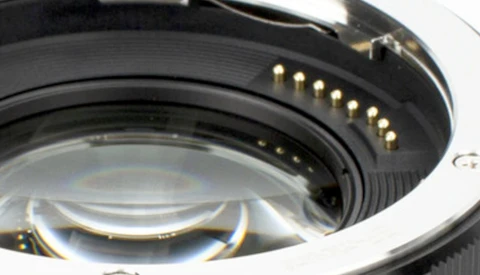
Adapters are the bridge between today’s mirrorless bodies and yesterday’s affordable glass, but not all bridges feel the same underfoot. This guide explains how adapters work in practice, what usually delivers the best autofocus, which types of adapters exist (and when to use each), plus the real-world pitfalls that trip people up. 

How to Read a Lens Spec Sheet Like a Pro

Spec sheets can look like alphabet soup—ED, ASPH, OIS, STM, USM, MFD, 0.5×—but each line quietly predicts how a lens will behave on a job. This guide strips out the marketing and shows you what matters, why it matters, and how to make smarter buys from your desk. No test charts needed; just practical translation from spec to outcome. 

How to Fix Harsh Light With Simple Lightroom Masks

Shooting in harsh midday sunlight is something you’ll probably avoid whenever you can, but sometimes it’s your only option. That kind of light can leave you with dull results, which makes editing an essential part of the process. 

5 Reasons Why Global Shutter Isn’t Essential for Most Shooters

Every few months, the internet decides that “this” is the future of cameras. Lately, that “this” is global shutter—a sensor that reads the entire frame at once, promising zero skew, perfect flash sync, and freedom from LED banding. It’s impressive technology, but for most photographers and hybrid creators, it isn’t the upgrade that moves the needle.

Lightroom Sliders You’re Probably Using Wrong

Lightroom is full of small controls that can quietly ruin your images if you don’t understand how they interact. The difference between an artificial edit and a clean, natural one often comes down to how you balance the simplest tools. When you know which sliders are tricking you, you can stop fighting the program and start getting results that feel intentional. 

How Much Commercial Photographers Really Make in 2025

Commercial photography looks glamorous from the outside, but the real question is whether it actually pays enough to make a career of it in 2025. Money isn’t the only reason you do the work, but knowing what’s possible helps you decide if the effort, the risk, and the uncertainty are worth it. 

5 Underrated Camera Features You Shouldn't Overlook

Most photographers obsess over megapixels, autofocus points, and dynamic range when shopping for new gear. But while you're comparing sensor specs and lens sharpness charts, you're probably overlooking the features that could actually revolutionize how you shoot. 

The Comeback of the Pocket Powerhouse

With the most recent announcement of the Sony RX1R III, the scarcity of the Fuji X100VI, and the popularity of the Leica Q, are we seeing a renaissance of the small compact camera? 

5 Underrated Lens Features You Shouldn't Overlook

While pixel-peepers obsess over sharpness charts and bokeh samples, the smartest photographers know that certain overlooked lens features can help you get that elusive shot. Here are five hidden gems you should look for in your next lens. 

5 Mistakes Photographers Make When Buying a New Lens

Every photographer dreams of that pristine lens collection, but many end up with expensive glass gathering dust while scrambling to find the lenses they actually need. The brutal reality is that lens purchases gone wrong hurt because good glass costs so much and directly determines whether you can accept paying jobs. 

A Straightforward Way to Make Your Photos Better

Simplicity in composition is one of those deceptively hard skills that can transform your images. The instinct to include everything in front of you is strong, especially when surrounded by breathtaking scenery. Yet too much detail can scatter the viewer’s attention and weaken the impact.

Dust Spot Removal in Photoshop Just Got Easier

Removing dust spots from photos is one of those chores you probably put off until it’s absolutely necessary. The process has always been slow and repetitive, especially if you’re dealing with an image riddled with tiny sensor spots. These small marks can ruin an otherwise perfect shot, so finding a quicker way to handle them matters. 

5 Mistakes Photographers Make When Buying a New Camera

You're about to drop thousands on a new camera system, convinced that flagship body will transform your photography overnight. But here's the brutal truth: most photographers sabotage their success before they even click the shutter, making expensive mistakes that leave them with gear they can't use effectively and budgets too depleted to fix the problem. 

5 Fatal Mistakes Photographers Make in Their First Year of Business

Starting a photography business feels like stepping into a dream job where creativity meets entrepreneurship, but the harsh reality is that most new photography ventures fail within their first two years. The difference between thriving photographers and those who crash and burn isn't talent or expensive gear.

Some Thoughts About Portrait Photography Using Natural Light

Shooting portraits in natural light, if you get it right, can be very rewarding. You can easily create beautiful, moody, and very natural photos—with just a camera in your hand and a willing subject in front of you. Here are some thoughts that may help you get the best possible results. 

6 Photoshop Updates Worth Trying Now

Photoshop just got a wave of updates that could speed up your workflow and make certain edits far easier. The updates also add new AI-powered options that can handle more complex adjustments automatically. 

The Real Secret to Making Your Best Images

Some of the most respected names in photography didn’t just create remarkable images. They sustained that quality for decades. Their mastery came from consistent effort, not a single burst of inspiration. 

The Most Expensive Clients Are the Ones Who Pay You Least

That bargain client who seemed like easy money might be the most expensive mistake you'll ever make. While premium clients pay well and respect your time, cheap clients create a cascade of hidden costs that can destroy your photography business faster than a dropped camera. 

How to Think Like a Photographer

The question becomes: how does a photographer think? I don’t know how everyone else thinks, but I can tell you my process.