Photography Education

Whether you just picked up your first camera or you've been shooting for years and hit a plateau, there's always more to learn. This section is where Fstoppers publishes educational content aimed at genuinely improving your photography — not just gear tips, but the foundational understanding of light, composition, and visual thinking that makes the difference between a competent photographer and a compelling one.
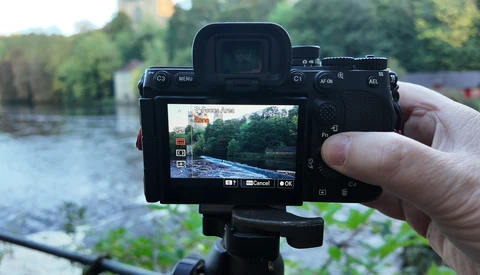
10 Things You Didn't Know Your Canon Camera Can Do

You're probably not using about 100% of your camera's capabilities. Canon has quietly embedded a treasure trove of advanced features that could revolutionize your photography—features so specialized, most photographers never discover them.

The Overlooked Resource That Actually Improves Your Photography

Here's a radical thought: the most underutilized piece of equipment in your camera bag isn't that expensive filter you never remember to use or the flash modifier gathering dust on your shelf. It's something else that came with your camera and that you probably tossed aside.

Top Ten Questions With Kevin Jairaj

Kevin Jairaj has been the Official Photographer for the College Football Playoff National Championship since its inception in 2015 and has become sought after for sports, weddings, and events in London; Trinidad and Tobago; the Bahamas; the USA; and, especially, his home state of Texas. Kevin has covered multiple Super Bowls and the Olympics. He shares why double exposures aren't artful, why panning skill is essential, and which standard piece of gear is "obsolete."

Why Prime Lenses Teach Better Photography Habits

In an era where 24-240mm superzooms promise to capture "everything you need" in a single lens, suggesting that photographers should intentionally limit themselves to fixed focal lengths sounds almost heretical. Yet the most compelling case for prime lens education lies in understanding how constraint-based learning accelerates skill development and creates better photographic habits.

I Quit Editing My Photos and It Transformed My Photography

I've spent over a decade capturing photos with the intention to always edit them, no matter what. Thus, last year when I let myself just take photos and enjoy them right on the back of my camera, it completely shifted my photography.

Can We Train Our Instinct in Photography?

As photographers progress in their journey, admittedly, there’s a natural tendency to gravitate more toward the technical side of things, including myself. The reason is simple: technical improvements are measurable metrics and rather reassuring. You can objectively tell if your images are sharper, your exposures more accurate, and have a higher dynamic range. Whereas growth in reactionary and observational skill sets like instinct is not easily measurable, let alone translated through a camera into our work.

I Went to War With a Rifle and a Camera—Only One Came Home With Me

War teaches you how to see. Not in an artistic sense, but in a survival sense. Every detail is information, and every flicker of movement becomes a decision. I didn’t realize it at the time, but that constant scanning and forced situational awareness rewired the way I perceive everything. I went to war with a rifle and a camera; only one still shapes how I see the world today.

The Best Beginner Landscape Camera Nobody's Talking About

Choosing your first landscape photography camera isn't about specs alone—it’s about finding gear that suits you personally. The right camera can make the difference between thriving or getting stuck worrying about equipment.

You Don’t Need to Travel to Take Great Photos

Many landscape photographers complain that their local area for photography is uninteresting. While travel for landscape photography can be invigorating, your local area has untapped potential waiting to be discovered. Have you taken the time to explore your local area to find interesting scenes?

Rethink Your Approach to Natural Light for Better Photos

Understanding light isn't just about technical skill; it's about transforming ordinary scenes into standout images. Knowing how to read and use various types of natural light can help you create more interesting and satisfying photos, regardless of weather or conditions.

A Smarter Way to Eliminate Glare from Glasses

Removing glare from glasses is a constant challenge when editing portraits, especially if you want a clean, realistic look without losing facial detail. Whether shooting professionally or for fun, glare can detract from your photos, making mastering this skill valuable.

The Death of the Photography Assistant: How Digital Killed Learning

When Kodak filed for bankruptcy in 2012, it wasn't just the end of an iconic brand—it was the tombstone marking the grave of a centuries-old apprenticeship system that had been the backbone of professional photography education. Today's Instagram-famous photographers may command six-figure day rates, but they've never experienced the foundational learning that came from spending years in the trenches as a photography assistant, and the industry is weaker for it.

Why Familiar Places Make Better Photos Than You Think

Many photographers fall into the trap of believing their hometown lacks photogenic subjects while envying images from distant locations. This mindset blinds you to compelling compositions that exist right under your nose, requiring a deliberate shift in perspective to rediscover familiar places.

The Secret to Creating Photography Projects That Actually Work

Creating compelling photography work often means thinking beyond the single image. When you approach your craft as a series of connected photographs rather than isolated shots, you unlock storytelling potential that individual images simply cannot achieve on their own.

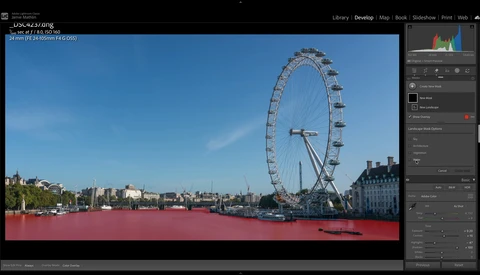
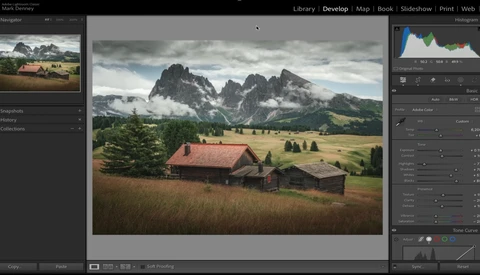
How to Make Your Subject Pop Using Lightroom Masking Techniques

When your subject gets lost in a busy composition, even the most technically perfect image falls flat. The solution lies in understanding how to manipulate light and shadow within your editing workflow to guide your viewer's eye exactly where you want it to go.

Why Your Cat Is Actually Your Best Photography Teacher

Most photographers dismiss cat photography as amateur hour, but they're missing a crucial training opportunity. Your feline subjects actually offer some of the most challenging and educational shooting scenarios you'll encounter.

The Real Secret to Professional Black and White Editing in Lightroom

Converting color images to black and white in Lightroom often produces flat, uninspiring results that lack the punch of dedicated monochrome cameras. The secret isn't in expensive hardware but in understanding how to properly handle the conversion process and subsequent editing workflow.

When Breaking Your Own Photography Rules Actually Makes Sense

Photographing popular locations presents a dilemma that every landscape photographer faces at some point. The tension between capturing iconic scenes that countless others have shot and creating something genuinely personal can feel impossible to resolve.

Cameras That Actually Inspired Two Working Photographers

Camera gear often becomes deeply personal, with certain models leaving lasting impressions that shape how you approach photography for years to come. The cameras that inspire you aren't always the most expensive or technically advanced—sometimes it's about timing, circumstance, or simply how a particular tool unlocks new creative possibilities.

How One Hotel Shoot Launched a Commercial Photography Career

Making the leap from editorial photography to commercial work presents unique challenges that can make or break your career trajectory. The pressure to maintain your authentic voice while meeting client expectations often creates tension that many photographers struggle to navigate successfully.

The Reality Check Every Aspiring Photographer Needs to See

Most people entering photography expect to start earning decent money within a couple of years, but the reality is far harsher than anyone wants to admit. The timeline for building a profitable photography business often stretches much longer than the optimistic projections you'll find in most career advice.

The Complete Guide to Starting Photo Walks That People Actually Attend

Most photographers struggle to find organized photo walks in their area, leaving them to shoot alone or wonder how they could create their own community events. The reality is that there's a significant shortage of photo walks everywhere, creating an opportunity for you to step up and fill this gap in your local photography scene.

Portrait Lighting Tips That Will Transform Your Images

Lighting can make or break your portraits, yet many people struggle with creating natural-looking illumination that flatters their subjects. The difference between amateur and professional-looking portraits often comes down to understanding just a few key lighting principles.

The Street Photography Mistakes That Hold Most People Back

Street photography demands more than just technical skill—it requires a fundamental shift in how you approach both your subjects and your craft. Most people struggle with confidence and direction when they first step onto the streets with their camera, missing countless opportunities because they hesitate or lack a clear vision.

How You Should Select and Look After a Valuable Tripod

Choosing the correct tripod is essential, and there’s nothing worse than spending too much money only to discover you’ve made the wrong decision. Here, examine Peak Design’s Travel Tripods, which are great for highlighting what we should look for.

Realistic Photo Restorations Using AI and Photoshop

Restoring damaged photographs with AI can seem straightforward, but getting realistic results requires more than just a good algorithm. Knowing how to blend AI with human adjustments can drastically improve your restoration workflow.

Maturing as a Photographer Means Letting Go of the Rules

Photography isn’t about mastering a list of rules, and understanding that can transform your approach. Clinging rigidly to rules can limit your growth and creativity, leaving you stuck instead of progressing.

The Danger of Comparing Your Photos to Others

When learning photography, it's common to fall into the mindset of right and wrong images. This approach can stifle creativity and hinder your progress by creating unnecessary stress.

5 Tips To Improve Your Travel Photography This Summer

Who doesn’t love to travel and explore new places? And if you have a camera with you to document the experience, well, I can’t think of a more fun thing to be doing! I’m not including the obvious things most tip lists include, like planning ahead, shooting during golden hour, or traveling light. I’m more interested in the creative aspects of travel photography, so I’ve compiled five points to consider aimed at helping you bring home a collection of photos to be proud of—photos that tell a story and project a sense of place.

How Photographic Magic Can Be Found in the Ordinary, Everyday World Around You

In a culture of sensational media competing for our attention, an obvious path to dramatic images is to point your camera at dramatic stuff. But this photographer wants to show us the compelling beauty of the banal and the everyday that is, for most of us in this busy world, hidden in plain sight.

Streamline Photoshop by Customizing Your Toolbar

Customizing Photoshop’s toolbar to match your workflow can streamline your editing process significantly. By eliminating unnecessary tools, you keep only the essentials visible, simplifying your interface and saving valuable editing time.

The Paradox of Choice in Photo Editing: Why Unlimited Options Create Worse Results

Modern photo editing software offers unprecedented creative control, with thousands of filters, adjustment options, and effects available at the click of a button. Adobe Lightroom alone provides over 100 adjustment sliders, while apps like VSCO offer hundreds of preset filters. Instagram and TikTok have democratized photo editing with dozens of built-in options that users can apply instantly.

A Two-Light Portrait Setup That Works Every Time

Creating magazine-quality portraits doesn't require an elaborate lighting setup or years of experience. A simple two-light technique can consistently deliver professional results when you need to work quickly and efficiently.

Getting the Most From Micro Four Thirds Photography

If you’ve picked up a micro four thirds camera or are thinking of switching, understanding how to use it effectively is key. The camera format brings specific advantages and limitations that affect your photography significantly.

Beginner Mistakes in Flash Photography to Avoid

Flash photography can dramatically transform your images, but beginners often trip over common mistakes. Knowing how to sidestep these pitfalls can make your photos stand out from the start.