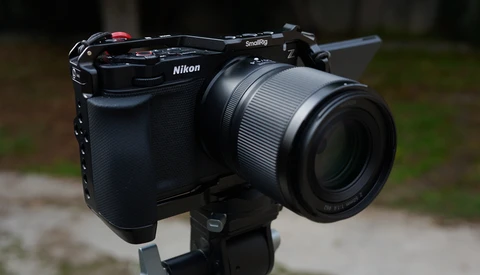
Three Top Accessories for Your Nikon ZR
Now that you have your new Nikon ZR in hand, you’re probably already thinking about ways to dress it up. Well, if I were you, here are the first three accessories I would add to my shopping cart.
Now that you have your new Nikon ZR in hand, you’re probably already thinking about ways to dress it up. Well, if I were you, here are the first three accessories I would add to my shopping cart.

If you've ever photographed a fast-moving propeller and watched it turn into a series of curved boomerangs, or captured a golf swing where the club looks like overcooked spaghetti, you've met rolling shutter. It's one of the most misunderstood phenomena in digital photography, but don't worry, I'm here to teach you what you need to know.
Lighting a background with a single light sounds simple until you see the ugly gradient running from one side to the other. If you shoot portraits or products against seamless paper, getting that background clean and even can save time, keep your images consistent, and give you more control over how everything looks in camera.

AI editing is no longer a side feature you occasionally test and forget. It is now a core part of how you clean, build, and style images in Photoshop, and it changes how much time you spend behind the computer.
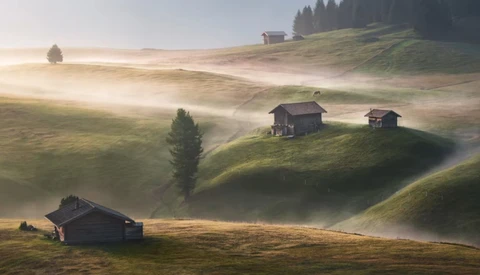
You are taught early to fill the frame, pack every corner with mountains, clouds, and texture until nothing feels empty. The video above argues that if you never leave room around your subject, your landscapes can start to feel crowded, noisy and harder for viewers to read at a glance.
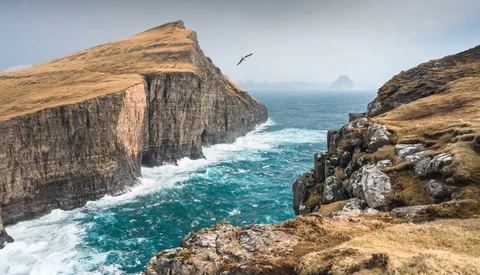
The right focal length decides whether a scene feels flat or alive. It is a key choice for photographers who want clear subjects instead of cluttered, distant chaos.
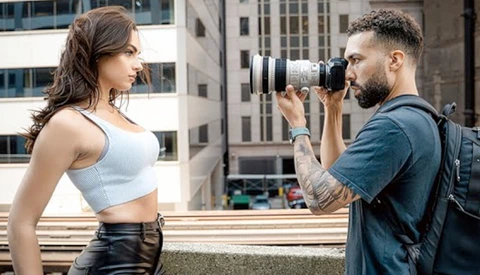
Portrait work feels hard mostly because of people, not because of buttons and menus. If you keep focusing on camera settings while ignoring how clients feel in front of the lens, progress stalls even when you own great gear.

Photography is full of surprising history, weird technical quirks, and fascinating stories that even experienced photographers might not know. From the mathematical precision behind f-stops to cameras abandoned on the moon, these facts reveal just how wild the world of photography really is.
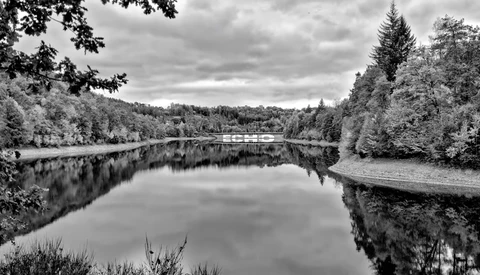
When you come home with a file where the sky is blown out and the shadows are empty, the real culprit is usually dynamic range. Understanding how much brightness your camera can actually record is what lets you keep a bird sitting in both sun and shade looking believable.
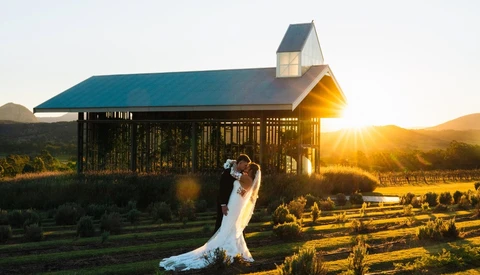
Wedding photography looks crowded, stressful, and hard to break into, especially if you are trying to turn it into a full-time income. In this video, a seasoned pro argues that most of the pressure disappears once you treat weddings like a repeatable business and workflow instead of a one-off creative gamble.
Tilt-shift lenses are one of the most direct ways to control perspective instead of fixing it later on a screen. If you ever point a camera at a building and hate how it seems to fall backward, this is the type of tool that changes how you work.
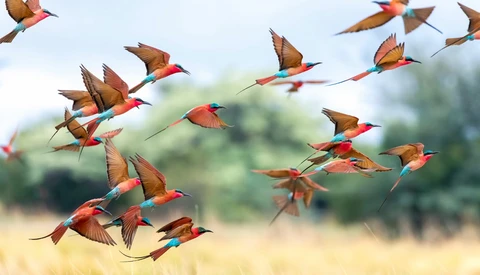
When your wildlife images all start to look the same, it usually comes down to a few habits you repeat without noticing. Breaking those habits matters if you want your time in the bush to produce more than documentary shots of animals.
If you spend hours in Lightroom Classic, every extra click adds up. Tightening your workflow means more time out shooting and less time stuck at a desk.
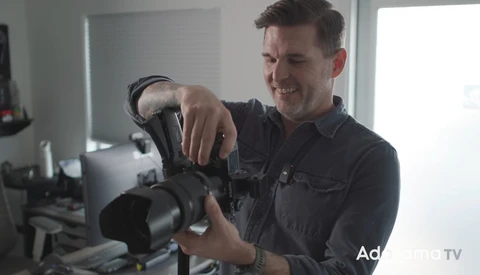
Nailing a dramatic close-up in the studio and then watching it fall apart the second you zoom out to a full-length frame is frustrating. You get harsh falloff on the legs, dead backgrounds, and a look that feels accidental instead of controlled. Here's how to fix that.
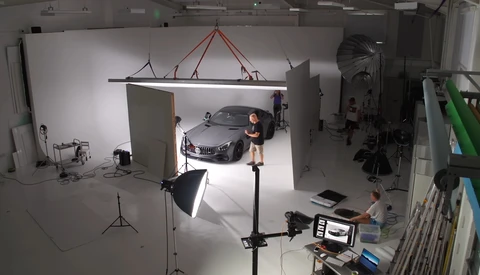
Usage fees are one of the easiest ways to undercharge on commercial jobs without realizing it. When a small local client pays the same rate for images as a national brand running a big campaign, you leave serious money on the table and take on huge responsibility for a fraction of its value.
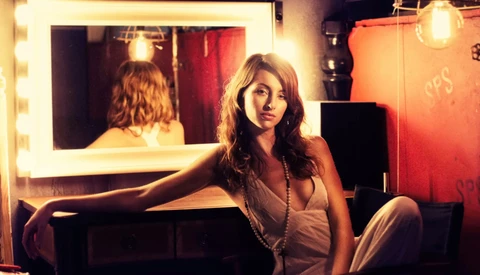
Flat-looking images usually are not about the camera or lens at all. They come from choices about light, contrast, and viewpoint that quietly cancel any sense of depth.
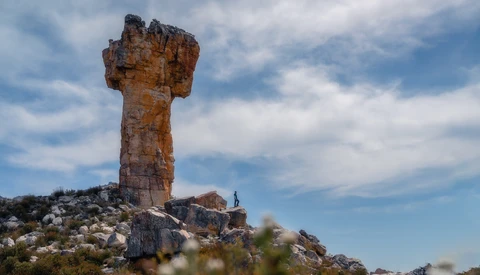
Have you ever wondered why some photographs stand out more than others? Let’s explore advanced compositional techniques that can elevate photography from simple practices to more artistic expressions. By carefully composing, you can also develop your own style and narrative through various methods.

If you lean on f/1.8 blur every time you want depth, you are missing what actually makes an image feel three-dimensional. This video shows how to build that depth so your frames feel like spaces you could stand inside instead of flat postcards.
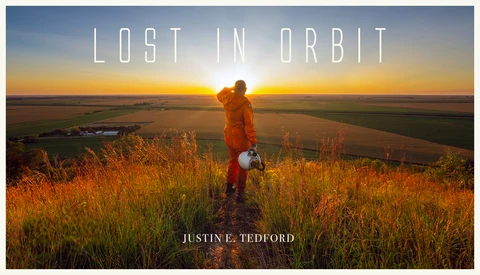
Most photographers start with a subject or theme. Conceptual photographers start with a question. What does isolation feel like? Not, “Where can I shoot next?” Entering the world of conceptual photography is a beast of its own. It comes with its own challenges and rewards. My biggest question was, how do I start?

An inquiry hits your inbox. "We love your work! What are your prices for a wedding?" Your heart races. You're afraid of scaring them off with a number that's too high, or worse, undervaluing yourself with a number that's too low. You're tempted to fire back the one question that quietly wrecks your positioning more than almost any other: "Thanks! What's your budget?"
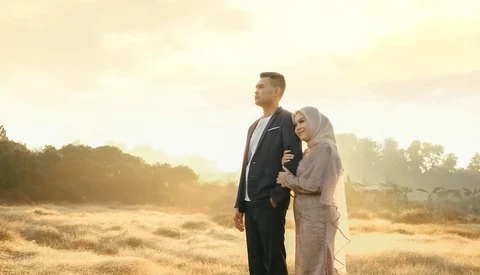
Sky replacement changes how your images feel in a split second. When a great shot is held back by a flat gray sky, knowing how to swap it cleanly keeps more of your work out of the trash and in your portfolio.
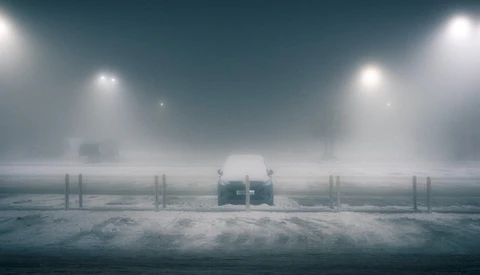
Dreamy-looking photos feel loose and imperfect, but they rely on deliberate choices about gear, light, and editing. If you want images that feel like actual dreams instead of another crisp, sharp frame from a city walk, this approach can shift how you shoot.

It's not megapixels, and it's not the autofocus system. The real difference between budget bodies and flagship cameras comes down to three terms you've probably seen but never understood: BSI, stacked, and global shutter.
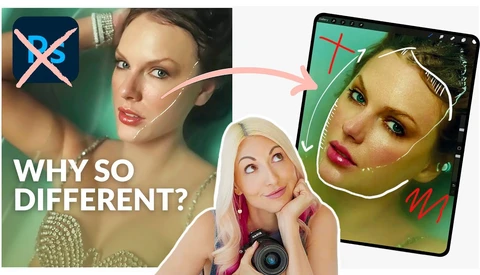
Taylor Swift’s “Life of a Showgirl” bathtub cover looks like a different person compared to the matching moment in the music video, and that has people jumping to conclusions about retouching or AI. Here's a look at why.
Real estate media took some hard knocks in 2025, and a lot of comfortable habits got exposed. If you rely on listing work, 2026 is shaping up as a year where trust, realism, and smarter use of AI decide who keeps getting booked.

You've been there. A potential client emails you: "Love your work! How much do you charge?" You respond with your pricing, maybe a PDF with your packages, and you wait. And wait. And then... nothing. Complete radio silence. You never hear from them again, and you're left wondering what happened. Maybe they went with someone cheaper. Maybe they didn't feel confident enough to pull the trigger.

Sooner or later, every photographer gets the same advice: to find their own style. It sounds simple, and in a way, it is. Style is most often seen as just a set of techniques in shooting and editing—a visible form that anyone can copy. It is rarely explained how that point is reached. Yet every photographer eventually faces it.
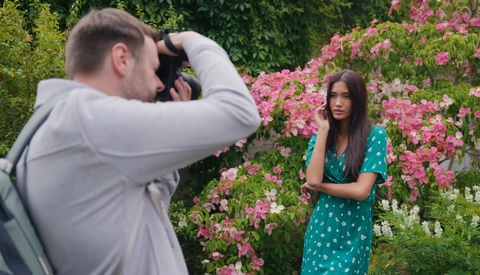
Soft portraits on sharp modern cameras are frustrating, especially when you know your focus point was right on the eye. A tiny mix of motion blur, shutter vibration, and dull light can rob your images of bite even before you open them in Lightroom.

Picture this: A new photographer finishes building their portfolio, registers their LLC, files their DBA paperwork, and suddenly announces to the world, "I need a brand." They spend $500 on a beautiful, scripty logo from a designer on Fiverr or 99designs. They pick some carefully curated "moody" color presets for their Lightroom catalog.
Black and white can feel like the wrong choice when the forest is burning with autumn color. Yet that is exactly when it exposes how well you understand tone, structure, and the way trees and branches hold a frame.
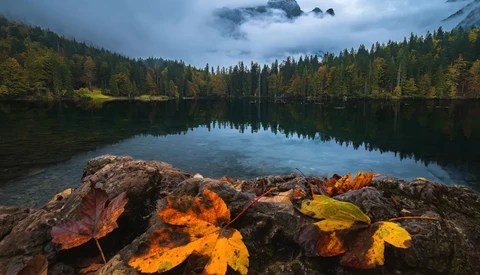
Color contrast is what turns a flat, gray landscape into something that feels deep and alive. Learning to build contrast between warm and cool colors is one of the fastest ways to rescue files that would otherwise feel dull.
Lightroom hides a lot of power behind menus you probably ignore and shortcuts you might not even know exist. If you spend hours editing, small changes in how you use masks and ranges can add up to cleaner images and faster decisions.
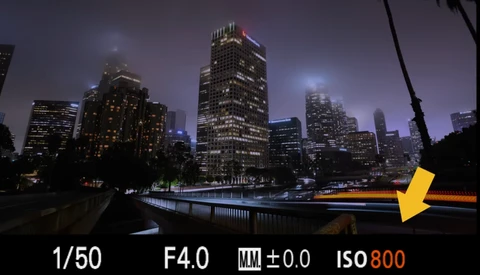
Are you still frustrated with low-light photography, where your night shots turn out dark and noisy? Let's explore easy adjustments to improve your camera's ability in darkness and help you take beautiful nighttime photos.

Astrophotography gets frustrating fast when your target is in the wrong place, your gear is mismatched, or your files become chaos by the end of the season. Dialing in a few core habits around planning, hardware choices, filters, and focus lets you spend more time gathering good data instead of fighting problems at 2:00 a.m.
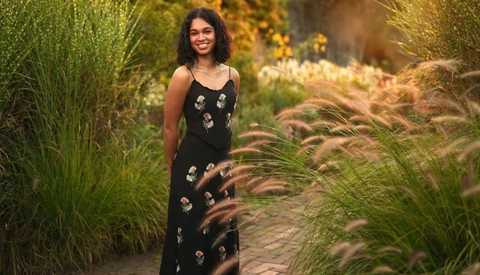
Golden hour looks forgiving, but it can be harsh on detail and contrast when the light is stronger than you think. If you rely only on ambient, backgrounds clip, faces flatten, and you lose most of what makes that time of day so special.

Backlit photos can turn a flat scene into something dramatic, colorful, and full of depth. When you understand a few simple ways to control bright light behind a subject, you can use it with people, architecture, and landscapes without constantly fighting your exposure.

Landscape images can look polished and still feel flat. When every rock, branch, and highlight is “tidied,” the scene can lose the tension that keeps your eye moving and your mind engaged.
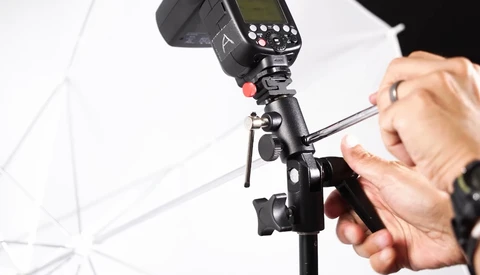
Flash portrait work lets you create clean, controlled light in places where ambient light fails, from dim living rooms to ugly office hallways. Even if you prefer natural light, knowing how to use a flash turns difficult locations into usable sets instead of missed sessions.
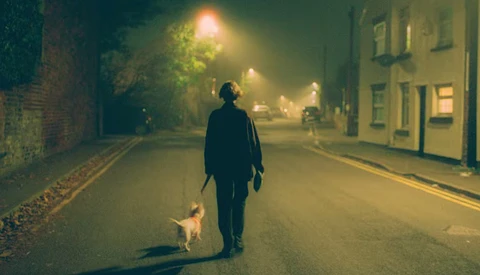
Short days, flat skies, and constant drizzle can make a camera feel pointless once the world turns gray. If you want to keep making images that feel alive in those conditions, you have to treat that dull light as a problem to solve rather than a reason to stay home.

The clone stamp tool in Photoshop can quietly save hours of cleanup work on problem areas in your images while keeping results under your control. It also lets photographers avoid AI artifacts and credit limits when all you really want is a clean wall, a fixed texture, or a distraction removed.
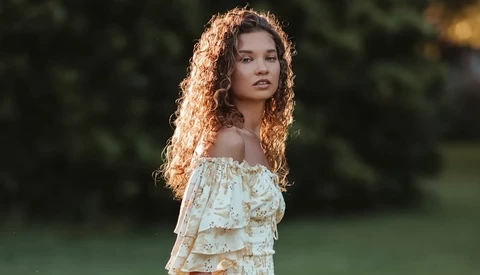
Sometimes, you nail focus and exposure and still feel like the image falls flat. Dreamy, cinematic atmosphere is what makes your work stand out in a feed full of technically fine but forgettable photos.
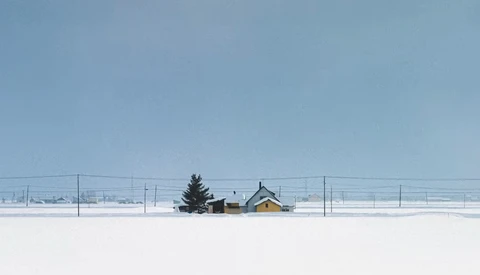
Winter snow looks beautiful in images, but it also exposes every weakness in how you shoot and handle gear. If you want crisp, clean files instead of muddy gray snow and soft focus, you need to change how you expose, compose, and even dress once the temperature drops.
This text isn’t a practical guide but rather an invitation to think. It’s not an answer to “what to do,” but an attempt to explore “how to defend your work and business,” a question that feels especially urgent for photographers working under the pressure of generative imagery developing at an unprecedented speed.

Auto ISO sits quietly in your camera, but it can decide whether a fast moving scene comes out clean or a blurry mess. If you deal with city rush hour, changing light indoors, or fast events, understanding how it actually behaves gives you control you cannot get by spinning dials on every frame.

Affinity is now completely free, and the video shows how to use it to build full edits without paying Adobe. If you wonder whether you can cut Lightroom Classic and Photoshop from your workflow, seeing this process in action gives you a clear sense of what you gain and what you give up.
A brand just slid into your DMs. They love that photo you posted last week and want to use it on their Instagram. What do you charge? If your first instinct is to panic, calculate your hourly rate, or worse, just send them the file for free because "exposure is good," then you need to read this article. Right now.

Edits rise or fall on how much color data remains when shadows are lifted or highlights are controlled, and 16-bit files preserve far more of that information. The difference shows up in smoother gradients, cleaner transitions, and a wider range of tones that stay stable under heavy adjustments.
Inspiration and influence—these are things I’ve been thinking about lately. Why? Because it’s clear to me that so many new photographers are getting their influence from other photographers on social media. This isn’t always a good thing.
You have a beautiful website. You've spent countless hours perfecting it, choosing just the right template, uploading your best work, and crafting what you think is compelling copy. You're getting traffic. People are visiting. But your inbox? It's either a ghost town or it's full of tire kickers asking "how much?" before disappearing forever.
Turning a paid shoot from guesswork into a clear, repeatable process is what actually makes you look professional to clients. If you want to stop winging every session and start leading shoots with calm confidence, this video walks through a planning workflow that keeps every step under control.