When Trying Too Hard Ruins Your Images
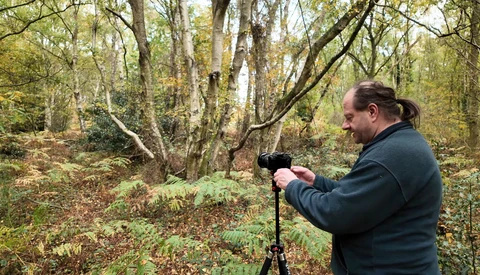
You push hard for “the shot,” then come home with images that feel flat. Woodland scenes punish rushing, and chasing a single hero frame often blinds you to the place that would deliver it on a better day.
You push hard for “the shot,” then come home with images that feel flat. Woodland scenes punish rushing, and chasing a single hero frame often blinds you to the place that would deliver it on a better day.
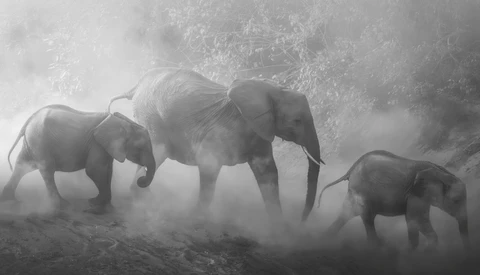
Let’s discuss how we can embrace tough conditions like dust in wildlife photography to unlock dramatic potential and transform our safari shots into captivating masterpieces.

The cameras you already own may be more capable than you think. This video questions the obsession with upgrades and the belief that more megapixels automatically mean better photos.

Window light can be beautiful, but it’s rarely perfect. You deal with uneven shadows, odd reflections, and unpredictable sunlight. Even when the light looks good, it can flatten your subject or lose detail in the background. Learning to balance window light with flash helps you control the look instead of waiting for luck.

Film photography isn’t just about getting the shot right. It’s about managing a process filled with quirks, habits, and mistakes that even experienced shooters still make. You’ve likely loaded a roll, fired off a few frames, and realized something went wrong—not with your skill, but with your setup or attention. These are the kinds of lessons that only come with time and repetition.
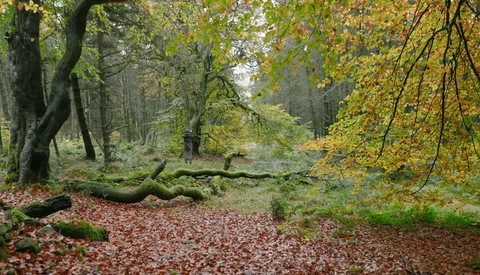
Most people learn the rules of composition before they ever learn how to see. You’re told to line things up with the rule of thirds, to balance shapes, to avoid the center. But if you’ve ever felt like those rules start to box you in, you’re not alone. Creativity slips away when you start thinking about what you should do instead of what looks right.
The arrival of AI has reshaped what it means to make art. In photography, this shift has left many questioning what separates human creativity from machine generation and whether that distinction still matters.
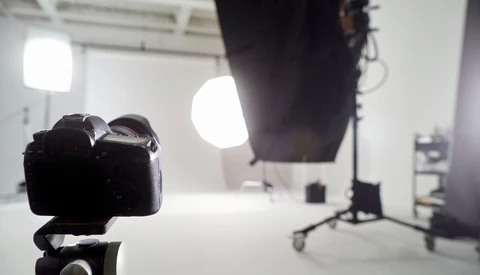
You want to level up as a photographer? Then start stealing. Not in the “rip off another artist” way—I mean stealing knowledge by reverse engineering every photo you admire. This is what I've done in my newest video, which will give you an incredible perspective.
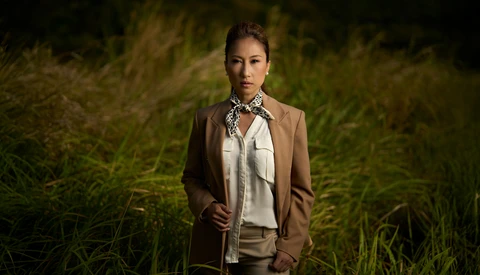
Creating stunning portraits outdoors with flash doesn’t have to be complicated. In fact, with the right understanding of ambient and artificial light, two small accessories can make a world of difference.
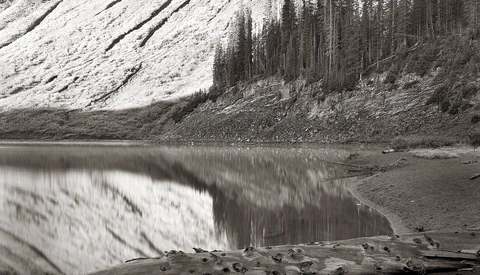
Photographing the landscape can be hard work—at times, very hard work. It entails rising well before daylight, in most cases, and working in sometimes very harsh conditions. Most of the time, you will be out in the woods until well past dark, waiting for just the right moment, which may not come—even after your most valiant efforts.

Small birds don’t forgive distance. Subject size in the frame and the pixels that actually land on the bird decide whether feathers look like feathers or mush, and nothing fixes being too far away. This helpful video shows how focal length, sensor resolution, and plain old proximity stack together to make tiny subjects look crisp instead of crunchy.
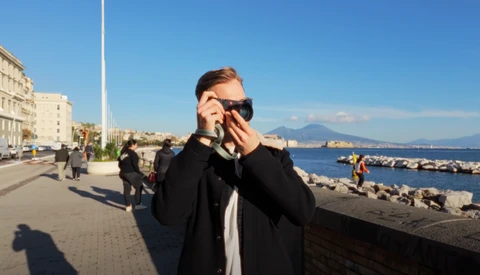
Let’s discuss travel photography and learn how to make your photos more meaningful during your next trip. Leander, a travel photographer, shares advice on how to go beyond basic snapshots and capture more impactful images that tell a cohesive story.
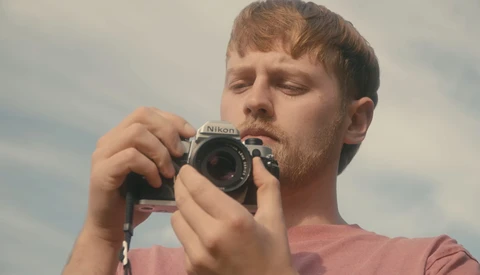
Some photography beliefs sound noble but secretly keep you from improving. You might think manual mode is the mark of a “real” shooter or that the newest camera will finally unlock your potential. These ideas seem harmless but often slow your growth, not speed it up.
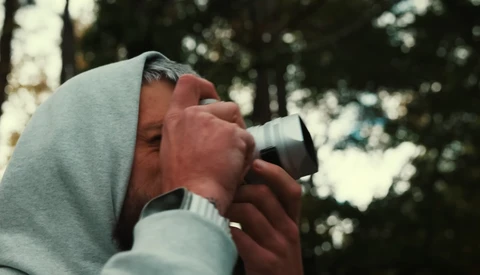
Most people scroll past your photos without a second thought, not because they dislike them but because they don’t feel anything when they look. Connection is what separates an image that lingers from one that’s forgotten. When your work lacks familiarity or mood, it risks becoming background noise.

Let’s talk about shooting from the shadow side, where light rakes across your subject at an angle, transforming ordinary photos into cinematic images by adding dramatic contrast and dimensional depth.

Building a wedding photography business that feels personal and rewarding starts with more than just skill behind the camera. It’s about creating a system that helps you attract the right clients, set clear goals, and build a sustainable business that doesn’t burn you out.
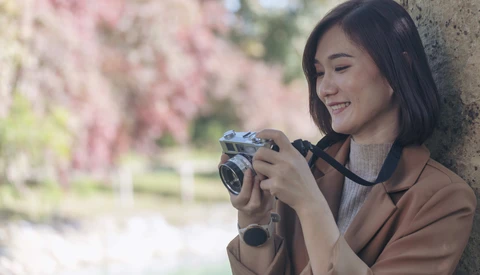
Every new photographer makes the same expensive mistakes. You buy gear that looks professional, sounds essential, and promises to elevate your work. Then it sits in a drawer while you wonder why your photos still look amateur. The problem isn't your talent or dedication. The problem is that the photography industry has convinced beginners to spend money on the wrong things.
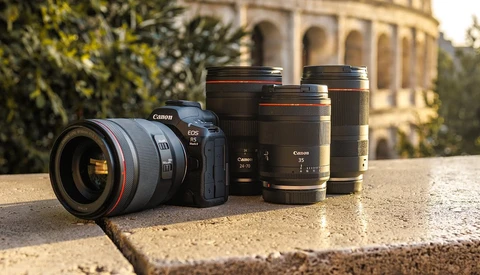
The Canon RF lens lineup has reached a point where the choices feel endless. But when you’re trying to build a kit that goes beyond “good enough,” knowing which lenses truly rise above the rest can save a lot of time and regret.

Building a business around what you actually love doing isn’t just ideal; it’s necessary if you want to stay in it long-term. In wedding photography, it’s easy to say yes to everything early on, but that lack of focus can quietly drain your passion. The more you take on without intention, the harder it becomes to build a business that feels like it’s yours.
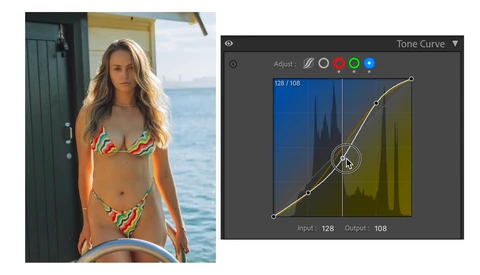
Perfect skin color isn’t just about getting exposure or contrast right. It’s about understanding how sensors interpret light and how color balance shapes emotion. You’ve probably seen portraits that look too green or too pink even when the lighting seemed perfect. The secret lies in how your camera reads color and how you correct that before touching any creative edits.

You can improve your photography anytime, anywhere—no camera needed! The idea sounds a little far-fetched, but research in other fields shows it works. Athletes, musicians, and even surgeons have used this type of exercise to sharpen their skills—so how can photographers take advantage of it, too?

You've got 14 browser tabs open. Three YouTube reviewers are contradicting each other about the same camera. Your spreadsheet comparing megapixel counts, autofocus points, and ISO performance has grown to 17 columns. A credit card sits ready in your other hand.
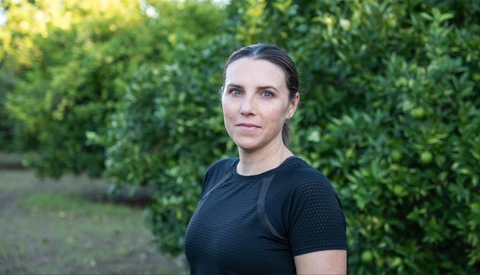
Picking the right Nikon Z lens isn’t just about specs. It’s about how you shoot, what you carry, and how much you want to spend. The Z system gives you an almost overwhelming set of choices, but there’s a logic to it once you break it down by range, weight, and purpose.
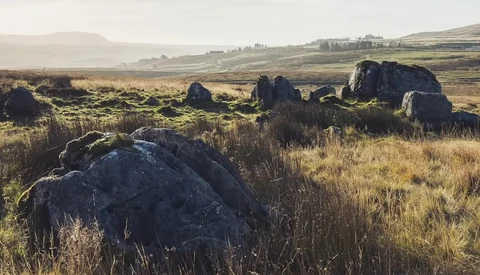
Most people treat travel as a checklist. You visit a place, take a few good photos, and move on to the next destination. But what if the best images don’t come from new places at all, but from returning to the same ones over and over? Familiarity might just be the key to making your photography grow in ways a passport stamp never could.
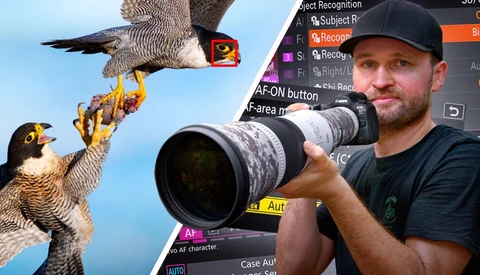
Fast, reliable autofocus is the dream and the frustration of anyone shooting wildlife or action. When your subject moves, even the best cameras can miss the mark, costing you the perfect moment. Understanding how to take control of autofocus instead of relying on factory defaults can mean the difference between a keeper and a throwaway frame.
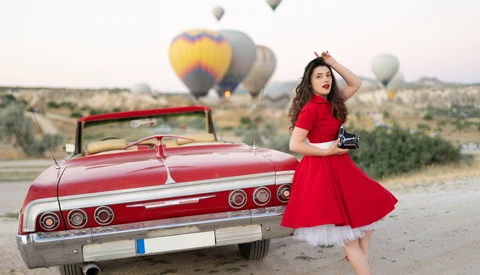
There's always that one unremarkable place near where you live. A street corner you pass without thinking. A park bench under a tree. An alley behind a strip mall. You've walked by it hundreds of times and never once thought to photograph it. The first time you do, the image will probably be forgettable. The tenth time will change how you see everything.

Autumn in the Utah mountains transforms the landscape into a mosaic of color, and few capture that transformation like Michael Shainblum. In his latest video, he explores how to find order in chaos, turning the overwhelming range of fall tones into cohesive, striking compositions. The focus isn’t on grand vistas but on patterns, textures, and subtle interplay between color and light.
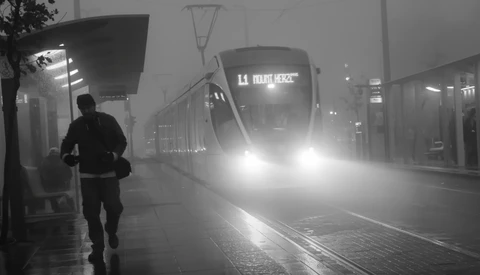
Let’s explore the concept of meaningful photography and the importance of creating focused photo essays. It offers practical advice for photographers looking to tell engaging stories through their images.
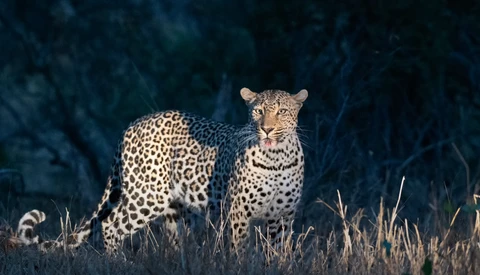
Let’s discuss the challenges of achieving the correct camera exposure and gain insights from professional photographer Mark Dumbelton on metering modes and exposure compensation techniques. By understanding how cameras interpret light—especially in wildlife photography—you can achieve an exposure that preserves the details of crucial elements in a scene.

Let’s discuss key insights from a professional photographer on common editing mistakes and effective strategies for enhancing photo editing skills. Find out the importance of intention and thoughtful adjustments to achieve impactful results.

Depth of field can make or break a portrait. It decides whether a viewer’s attention stays locked on a subject’s eyes or drifts into the blur of the background. Getting it wrong doesn’t just soften an image; it can shape how you compose and light every shot.
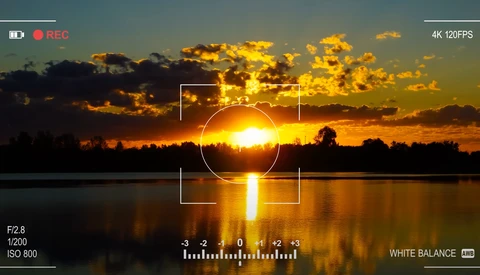
Let’s discuss the importance of capturing well-exposed images in camera to prevent difficulties during post-processing. This can be achieved using various metering modes available on cameras and understanding their impact on exposure settings; however, there is one specific metering mode that can be particularly effective in avoiding bright pixels in your images.

Your primary camera body fails during a paid shoot. Maybe the shutter mechanism seizes, the sensor starts showing hot pixels, or the battery door won't close properly. In that moment, your backup camera becomes the difference between delivering the work you promised and refunding thousands of dollars while explaining to a disappointed client why you couldn't finish the job.
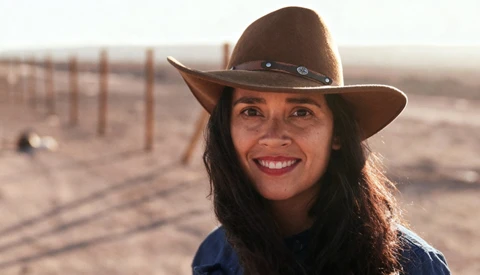
Some portraits pull you in without warning. They hold a quiet force that lingers, a kind of truth that has nothing to do with technical perfection or fancy lighting. You’ve seen portraits that look great but feel hollow, while others stay in your mind for days. The difference lies in what the image says beyond the surface, the story that seeps through the smallest details.

Removing dark circles without destroying texture sounds like magic, but it’s really about control. The goal isn’t to blur or hide, but to separate tone from texture and work on each precisely. This technique helps you clean up portraits without losing the skin’s natural feel, especially when retouching close-up shots.

Last Tuesday, your Instagram Reels were getting 5,000 views each. This Tuesday, you're lucky to break 300. Nothing changed in your content quality, posting schedule, or hashtag strategy. Instagram just decided your work wasn't worth showing anymore. If you're a photographer trying to build an audience in 2025, this frustration probably feels familiar.
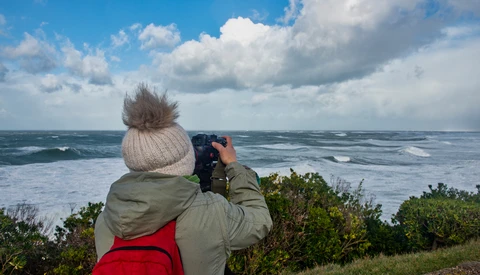
Perfect weather and golden hour are training wheels. Real growth happens when you're forced to shoot in harsh midday sun, overcast gloom, freezing rain, or extreme heat: conditions that expose every weakness in your technical knowledge and creative problem-solving.

Here are five podcasts you should be listening to right now. Hit play, grab your coffee, and get inspired. When I am walking or driving, I’ve got five that I always snare in my podcast catcher. You’ll love them no matter what kind of photography you do.
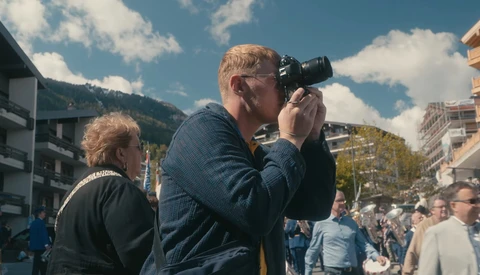
Most of your photos will be bad. That’s not a failure; it’s the price of progress. Every missed focus, awkward composition, and flat exposure teaches something that can’t be learned from tutorials. The images that disappoint you are the ones that shape your instincts, and instincts are what separate mechanical shooters from real image makers.
Fixed lens cameras have a strange pull. You might trade your bulky setup for something small and beautiful like a Fuji X100VI. You imagine freedom, simplicity, a creative rebirth. But the moment that initial rush fades, the results often don’t match what you expected. The photos look ordinary. The magic you saw in others’ work doesn’t appear in your own.
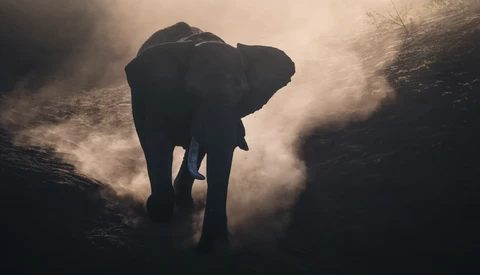
Let’s discuss the essential discipline and habits required for successful wildlife photography, as highlighted by expert photographer Mark Dumbleton. These habits of highly effective wildlife photographers are advanced photographic techniques that elevate your imagery beyond basic settings and equipment.
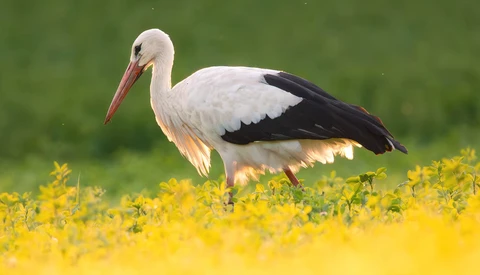
A small shift in tone and light can completely change how a subject draws the eye. When your background competes with your main focus, the story of your photo loses strength. This tutorial shows how a few careful Lightroom moves can restore that clarity, making your subject stand out without looking artificial.
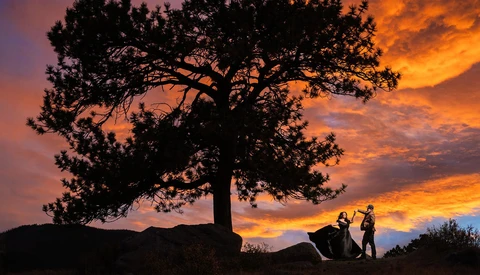
There’s something magical about photographing weddings or engagements in a national park. Depending on which of the 60+ national parks you find yourself in, the unique views from this one-of-a-kind “office for the day” might include famous peaks or endless dunes—and always wide-open skies.
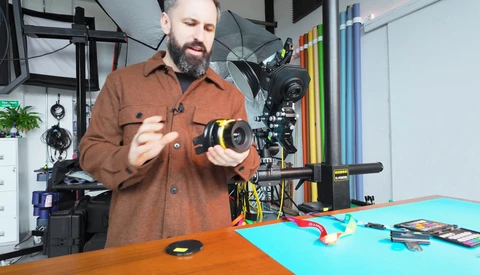
Testing lenses is not about chasing perfection or comparing specs on a screen. It’s about knowing whether a lens solves a real problem in your workflow. When you shoot high-end commercial work, even small flaws can become huge headaches on set. Knowing how and why to test a lens before buying is the difference between spending wisely and wasting money.

Headshots live or die on small posture cues and what you do with hands. If you shoot people for business or branding, avoiding a few common posing traps saves you time and retouching headaches.
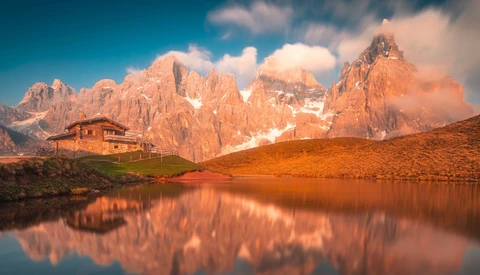
The right edits can turn a dull sunset into a showstopper. Color, light, and local adjustments all work together to create warmth and contrast that feel alive. This tutorial walks through how to transform a flat raw file into a vibrant sunset image with rich tones and clean detail.
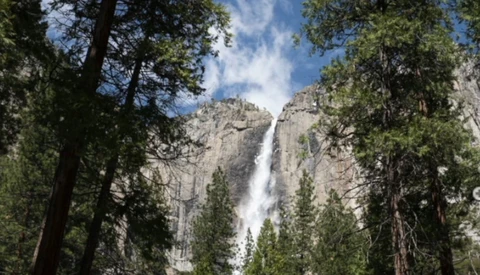
Masks in Lightroom Classic are no longer niche tools. If you shoot wildlife, landscapes, or portraits, smart masking decides whether an edit looks polished or clumsy.
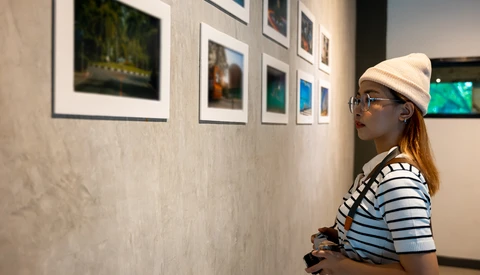
Shiny specs like megapixels and frames per second grab the headlines, but they don’t always make a camera worth carrying every day. The real difference between a tool you love and one that gathers dust often comes down to overlooked features hiding beneath the marketing gloss.

Light can make or break a portrait. You can have the best camera and lens, but if you don’t understand how light behaves, your images will always feel flat or harsh. The secret isn’t in power settings or expensive gear. It’s in one simple principle that affects every frame you shoot.

Removing distractions from a photo can be the difference between a polished image and one that looks amateur. Clean edges, believable textures, and consistent lighting make or break an edit. Photoshop’s new tools make that process easier, but knowing how to combine them is what takes your work from casual to professional.