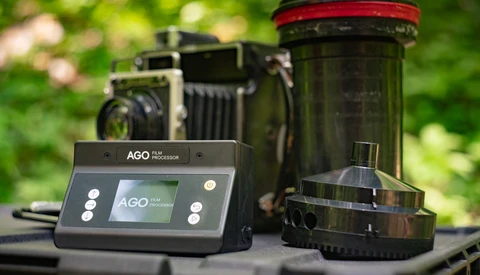
The AGO Film Processor Long-Term Review
It’s been over a year since we reviewed the AGO Film Processor from Vintage Visual. Is this mobile film processor still a good buy in 2026? I’ll show you the good, the bad, and even the ugly about the AGO.
It’s been over a year since we reviewed the AGO Film Processor from Vintage Visual. Is this mobile film processor still a good buy in 2026? I’ll show you the good, the bad, and even the ugly about the AGO.

A drone is the rare piece of camera gear that can get you fined, grounded, or into a courtroom before you have taken a single good photo. Most beginner mistakes with a new camera cost you a bad frame. A handful of beginner mistakes with a drone cost you a four-figure penalty, a wrecked aircraft, or an angry neighbor with your registration number written down.
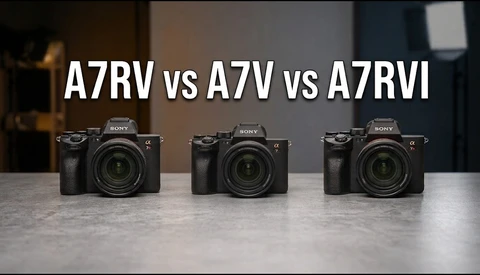
Choosing a Sony body in the $3,000 to $5,000 range means weighing resolution, speed, and battery life against a price that keeps shifting on the used market. The a7R V, a7 V, and a7R VI look nearly identical in the hand, yet they behave very differently once you start shooting.
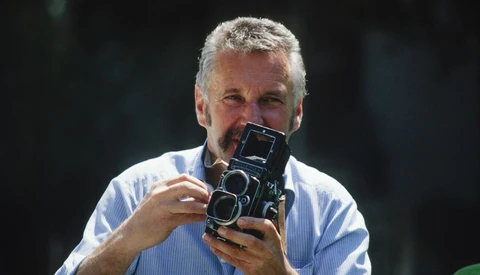
The most beautiful cameras ever made were not styled to be beautiful. They were built to work, and the beauty is what happened when the engineers refused to hide how the machine did its job. They still sit under glass in collections not because they out-resolve a modern mirrorless body, but because you cannot stop looking at them.
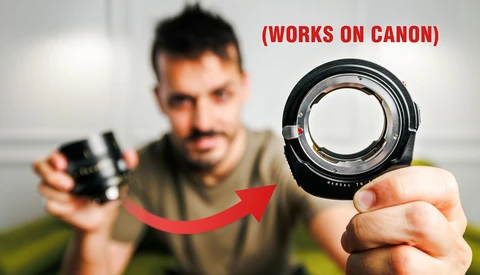
The Megadap Leica M Lens to Canon RF-Mount Autofocus Adapter sits between a manual focus lens and a camera body, adds motors and electronics, and lets the camera's own autofocus system do the work. It runs on Canon, which is unusual given how tightly Canon has guarded its autofocus protocol from third parties.
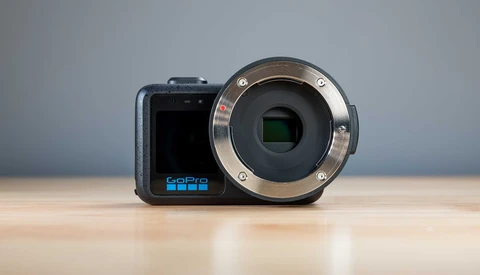
An action camera with a Micro Four Thirds lens mount is not something you see every day, and the GoPro Mission 1 Pro ILS puts one in your hands for $699. Interchangeable glass, 8K OpenGate, and a 1-inch sensor in a body this small opens up options that a fixed-lens action camera can't touch.
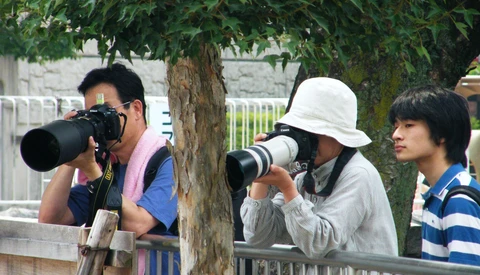
Before they spent more than seven decades trying to bury each other, Canon and Nikon were partners. The very first Canon cameras of the 1930s shipped with lenses ground by the company that would become Nikon, because Canon could not yet make its own glass.
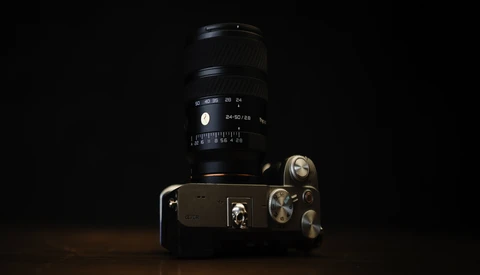
This budget-friendly zoom lens is currently doing something that Sony didn't even do with its own version. I'm talking about the Thypoch Voyager 24-50mm f/2.8.
When Sony released its 24-50mm G lens, a lot of creators were excited about the compact size and versatile focal range. But it features an extending barrel when you zoom, and that became a point of complaint for me.
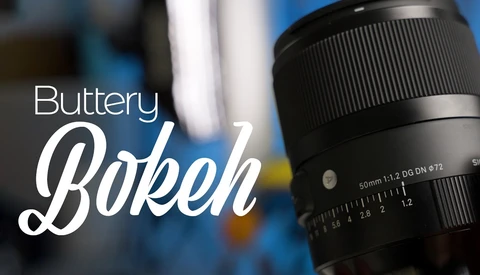
A 50mm f/1.2 with a 72mm filter thread sounds like a spec sheet mistake, yet that's exactly what Sigma built. A lens this fast usually forces a bigger front element and a heavier body, so seeing it stay compact changes the math on whether you carry a fast fifty at all.
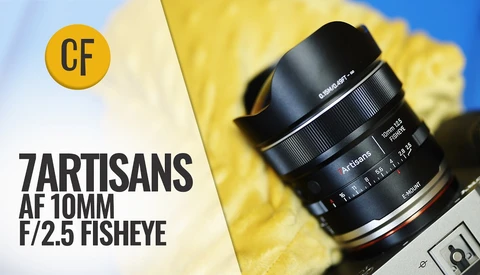
Fisheye lenses that cover full frame sensors, not just APS-C, are surprisingly hard to find, which makes any new release worth a close look. The 7Artisans AF 10mm f/2.5 Fisheye adds autofocus and a bright aperture to that short list, landing at $449.
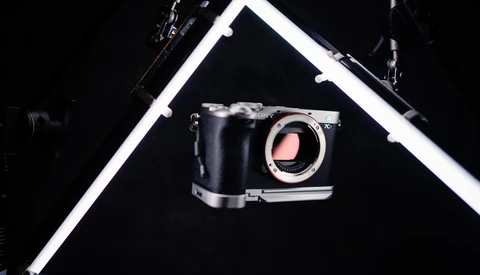
I've used a lot of cameras. I have had hands-on experience with basically every Sony release for the past five years, plus the latest from Nikon, Canon, Leica, Fujifilm, and even Hasselblad. My main workhorse and my everyday carry camera is still Sony.
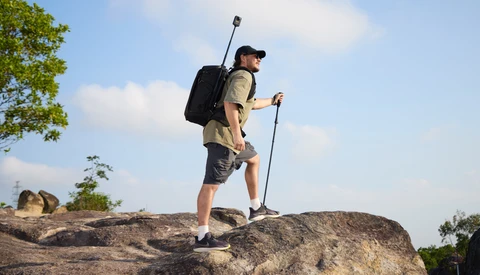
More and more shooters are moving toward lighter, more mobile setups rather than hauling heavy gear to every location. SmallRig have just released their new EDC PRO kit, designed around their Outra 25 camera backpack, I was curious to see whether a curated "everyday carry" system could cover the changing needs of digital creatives.
In an age of near-psychic autofocus, what's the point of vintage glass anyway? A vintage Canon FD SSC can be cheaper than a G Master Prime, but let's put the costs aside and look at the biggest motivator: character.
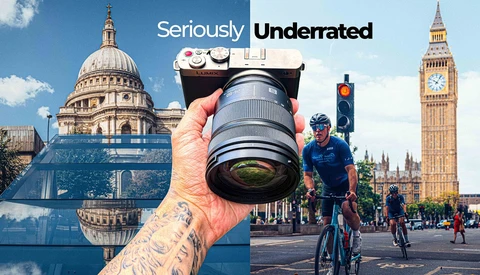
The Lumix S9 packs 6K open gate full frame recording into a body small enough to disappear in one hand. That combination of size and capability keeps pulling street shooters and hybrid creators toward it, even as newer bodies pile up on the market.
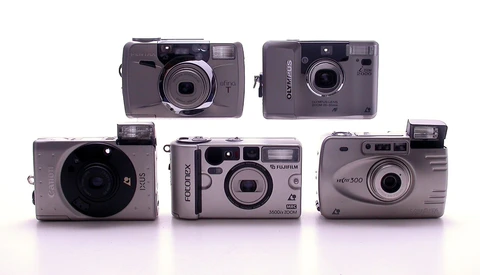
In February 1996, five of the biggest names in photography, companies that spent the rest of the century trying to bury each other, walked onto one stage in Las Vegas and formally launched a film format they had built together in secret. The five of them had already sunk around $500 million into it between them and expected to spend roughly that much again.
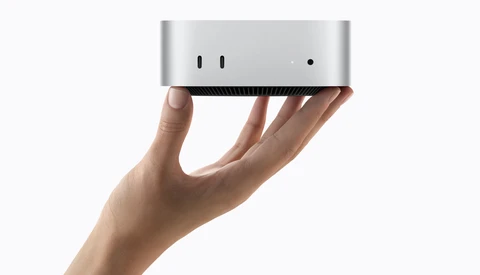
Apple has announced updated versions of the Mac mini with M6 and Mac mini with M5 Pro, bringing faster CPU, GPU, storage, and AI performance to the compact desktop while adding Wi-Fi 7, Bluetooth 6, faster Ethernet, and genlock support. Preorders open August 25, 2026, with the computers scheduled to begin shipping on September 22, 2026.
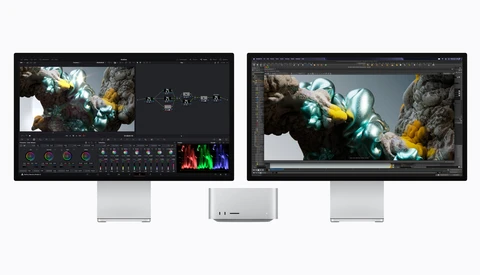
Apple has announced a new generation of Mac Studio, bringing its M5 Max and M5 Ultra processors to the compact desktop along with faster storage, Thunderbolt 5, Wi-Fi 7, Bluetooth 6, and significantly expanded unified memory options.
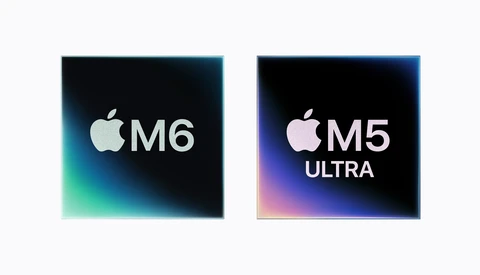
Apple has announced two new Apple silicon chips aimed at very different levels of desktop computing: M6 for the new Mac mini and M5 Ultra for the new Mac Studio. M6 introduces Apple’s first 2 nm chip design, while M5 Ultra uses a new quad-die architecture to push CPU, GPU, memory, media, and AI performance further at the high end.
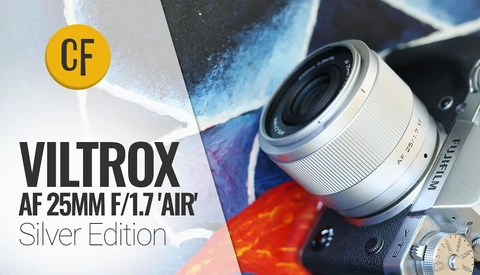
A moderately wide prime with an f/1.7 aperture that costs around $176 sounds like a corner-cutting exercise, yet this one holds up on real cameras. Budget glass gives beginners a way into fast primes without draining a bank account, and the tradeoffs decide whether that's a bargain or a regret.
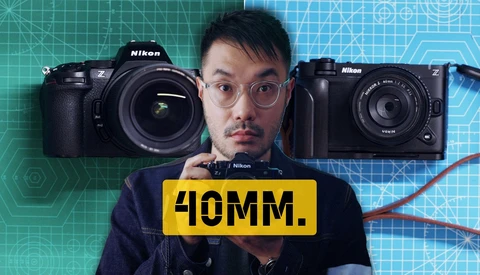
Nikon now sells a full-frame camera under $2,000 that focuses in the dark better than the pricier bodies above it. That claim sounds backward, since the entry-level model is supposed to inherit leftover parts, not outperform the flagship.
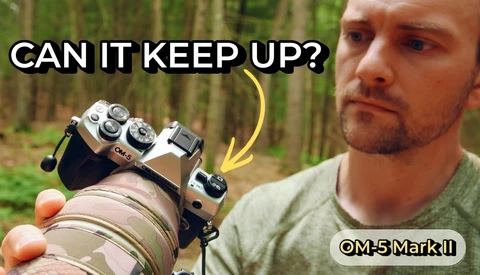
Shedding a few pounds of camera gear changes how far you actually hike, and it decides which moments you catch and which ones you miss. Bird photography rewards patience and mobility in equal measure, so the size and feel of the camera in your hand can matter as much as its sensor.
Selling most of your camera collection sounds like a crisis. For this creator, it turned into a way to shoot more freely and pick up a hobby he'd dropped over a decade ago.
Speculation is circulating again that the Ray-Ban owner's steadily growing position in Nikon could be a first step toward buying the camera maker outright.
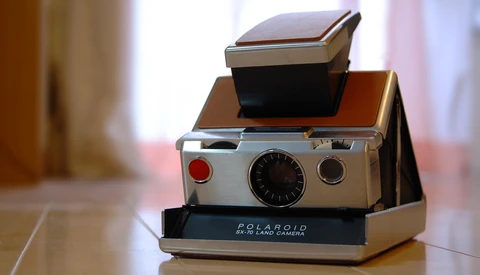
In April 1972, at Polaroid's annual meeting, Edwin H. Land reached into his jacket, pulled out a camera folded flat enough to hide in a suit pocket, and in about ten seconds fired off five color photographs. There was no timer to watch, no negative to peel away, no wet chemistry to wipe off your fingers.
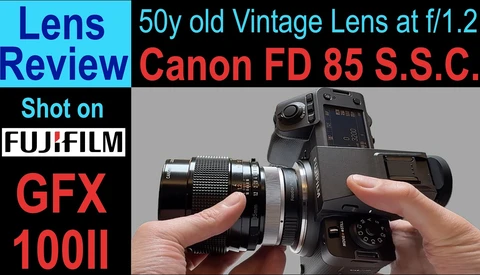
A discontinued Canon lens from the 1970s can fully resolve the 100-megapixel sensor sitting inside a modern medium format body. Old glass carries a look that clean digital optics rarely match, and that character is exactly what draws people back to gear that stopped being made decades ago.
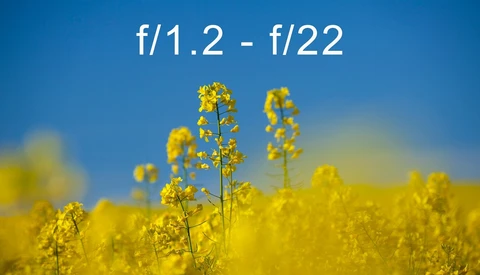
Every aperture on your lens does a different job, and the wrong one can quietly soften an image you thought was tack sharp. The choice sits at the center of exposure, depth of field, and the entire feel of a photograph, which is why arguments over the "best" aperture never really end.
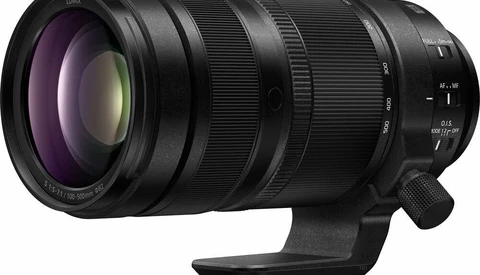
A newly published Panasonic patent describes an alternative optical configuration for a 125-600mm f/5.6-8.3 full frame lens.
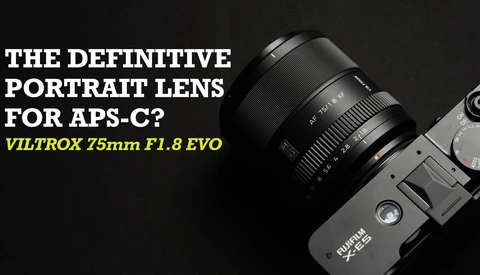
A telephoto lens that weighs 325 g, holds corner-to-corner sharpness wide open, and sells for $329 sets a high bar for anyone shooting portraits on APS-C. The Viltrox 75mm f/1.8 Evo is the first APS-C lens in the Evo lineup, arriving alongside a 90mm f/2.2 sibling.
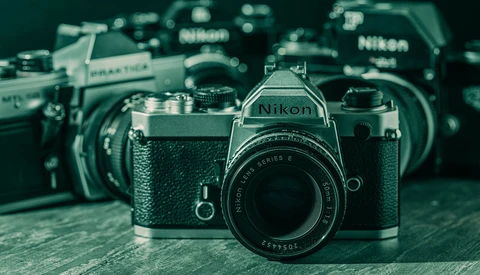
For the past couple of years, I've found myself reaching for film cameras more often. Not because they're better than digital—they’re not. For the analog look then? No, I believe you can get a film look with digital, if you know your way around an editing app. It’s really because they remind me why I fell in love with photography in the first place.
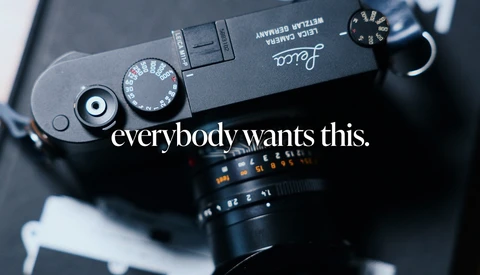
The Leica M has stayed in production for over 70 years, and the rangefinder inside a 2026 model works almost exactly like the one Leica shipped in 1954. That kind of stubbornness runs against every other camera company, all of which abandoned the rangefinder for SLRs, then mirrorless.
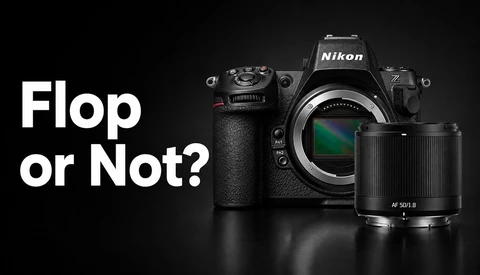
An $89 full-frame autofocus 50mm sounds like a typo, yet the TT Artisan 50mm f/1.8 Neo is real, and it does exactly what a 50mm should do.
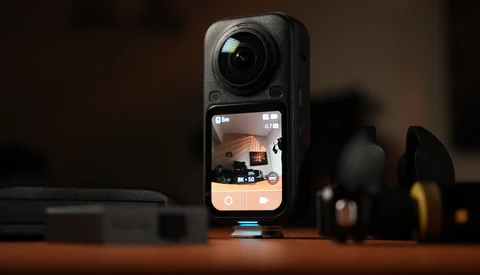
Many photographers have felt the need to produce content in order to become more visible online and, consequently, to more potential clients. If you haven’t tried using a 360 camera, it can be the easiest solution for capturing behind-the-scenes footage.
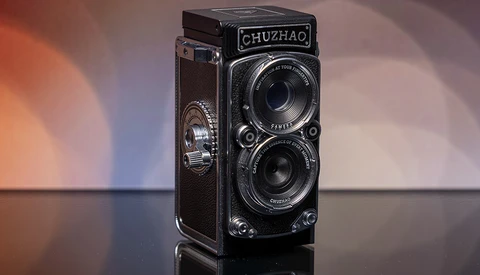
I'm some kind of glutton for punishment. I've reviewed all manner of cheap cameras, and then even cheaper cameras, all so you, the reader, can get a good laugh. I went into this review of the Chuzhao Mini TLR thinking that I was going to provide more entertainment by lampooning the camera, but alas, I can't.

Most wildlife shooters pick a shutter speed out of habit, then wonder why their still owl on a branch came out at ISO 12,800 and full of noise. The number you dial in shapes sharpness, emotion, and the amount of grain you'll fight later, and knowing why you choose it matters more than memorizing a chart.
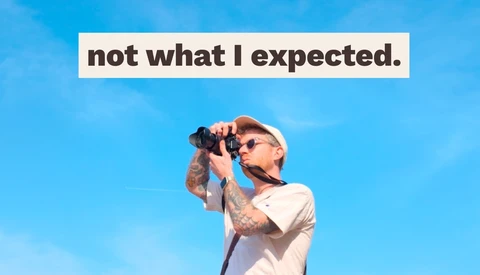
A rare eclipse pulled roughly 10,000 people onto a hill in West London, and one photographer showed up with nothing but a hunch and a single lens. Events like this force quick decisions about gear, light, and how you move through a dense crowd, and the choices carry over to any assignment where you can't predict the scene.
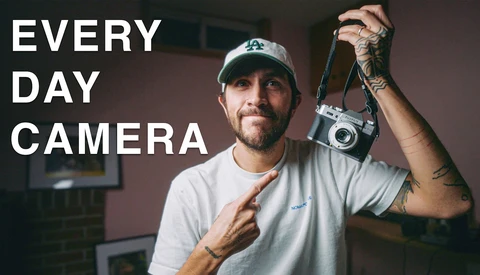
An everyday camera comes down to a short list of things you actually care about: size, weight, how much it hurts if it gets stolen, and whether the files are fun to edit. Most gear roundups skip the honest part and just tell you what to buy.
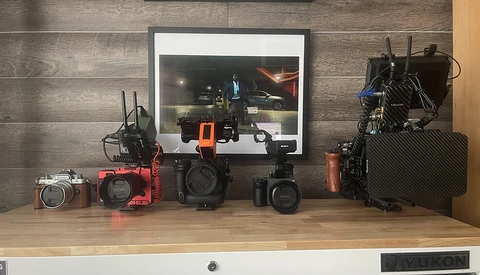
It’s that time again to sit back and dream about a one-size-fits-all camera that doesn’t actually exist, but really should.
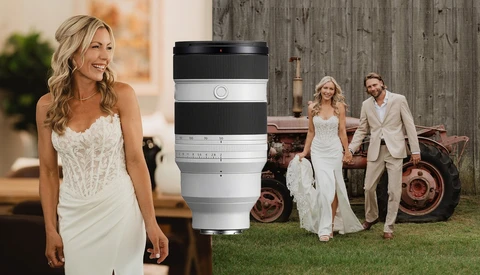
Walking into a wedding as the only person handling both photo and video is a gamble that hinges entirely on the light waiting for you. The decision to add a highlight film wasn't made in advance; it was made on arrival, after the conditions turned out to be forgiving enough to pull it off.
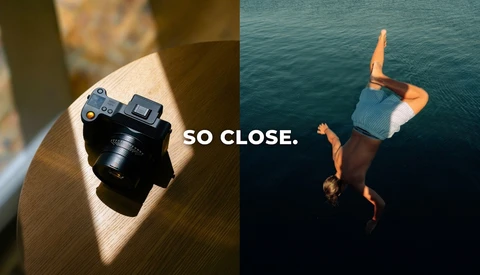
A medium format camera with a 100-megapixel sensor rarely gets described as fast, yet one specific change has turned a slow studio-style body into something you can shoot reactively on the street. The gap between "beautiful but sluggish" and "reliable in daily use" often comes down to a single feature.
The Sony a7 V is back at the top of Japan's best-selling camera list for July 2026, extending a run that has kept it near or at No. 1 for most of its first seven months on sale. The bigger story sits below it, where a Nikon full-frame body has climbed into fourth and one of Canon's newest cameras is nowhere to be found.
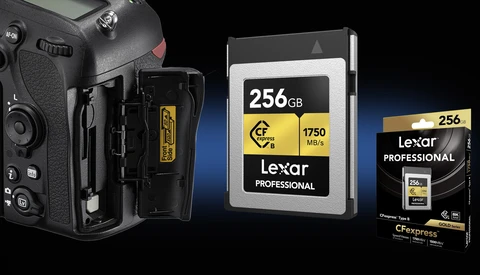
Buying memory cards used to be a simple decision: match the slot, pick a speed class, done. That's no longer the case, and not just because of price. Every memory purchase has become a longer-term investment rather than a one-off consumable buy, and getting that decision right matters more than ever.
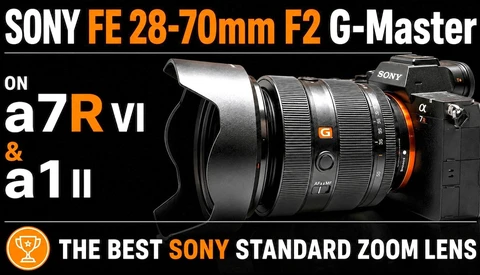
A constant f/2.0 aperture across a full zoom range used to sound like a fantasy. Sony now offers it in a body smaller than the Canon equivalent, and the results push the limits of what a standard zoom can do.
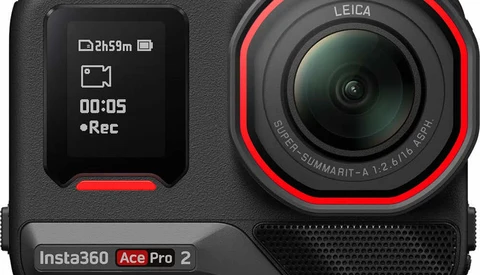
Insta360 is developing two mirrorless cameras at the same time, and its CEO says one of them will have a shape you have never thought of before. He also says that camera could change the way we take pictures, moving past the old routine of framing, focusing, and pressing the shutter.
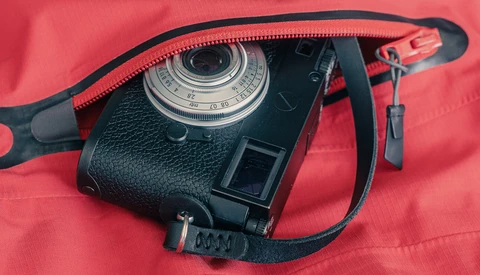
Brightin Star launched a solid brass manual focus 28mm f/2.8 pancake lens last year, painted in gloss black lacquer. My first impression when I saw the publicity photos wasn’t its incredibly small size. It should have been, but I was distracted somewhat by that high-gloss black lacquer with gold and red engraving. It looked a little garish.
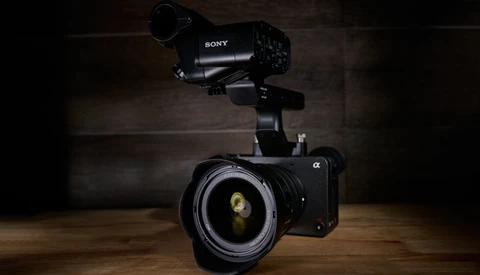
The FX2 has been one of Sony’s most discussed cameras since its launch. So today, I got my hands on one and decided to take it for a spin.
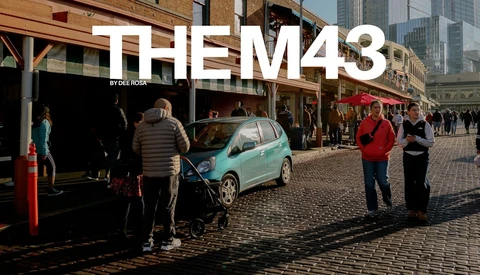
The Micro Four Thirds crowd doubles your depth of field on every shot, and depending on what you shoot, that either ruins the image or saves it. That single trade-off decides whether this system belongs in your bag or stays on the shelf.
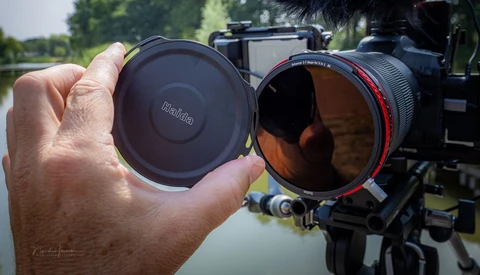
For those who like long exposures, a variable ND filter is often not the best choice. If you're filming, the variable ND is a must-have. It allows full control of the exposure. Unless your camera has a built-in ND filter, the Haida X in 1 filter set can be a great choice. I took a closer look.
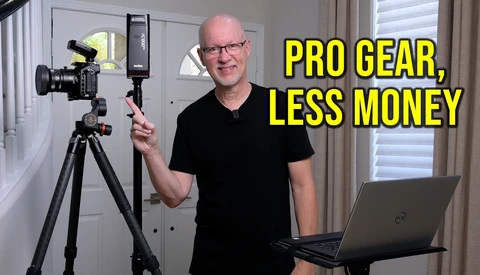
A $1,000 camera body, a $160 tripod, and a $12 umbrella can carry a full real estate photography business. The gear that separates clean interior work from amateur shots costs far less than most people assume, and much of it gets skipped entirely by people starting out.
67 megapixels at 30 frames per second used to be a contradiction. That combination now sits inside a single full-frame body that also handles portraits, landscapes, and wildlife without asking you to change tools.
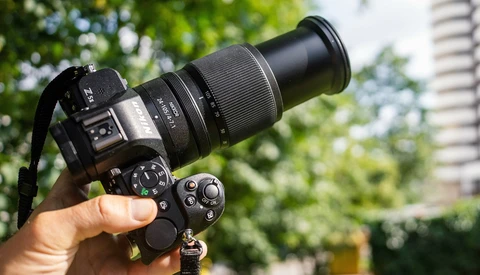
There's a version of the Nikon Z system where you carry one lens, shoot your whole family trip, and never touch a second piece of glass. The Nikkor Z 24-105mm f/4-7.1 is built to be that lens, and the honest question is whether the compromises baked into that convenience are worth living with.