
Review: Laowa Aksen 17.5mm and 45mm Ultra Macros 1x to 10x APO Zooms
Today, let’s get close. Like, really close, with the new Laowa Aksen Ultra Macro zooms.
Today, let’s get close. Like, really close, with the new Laowa Aksen Ultra Macro zooms.
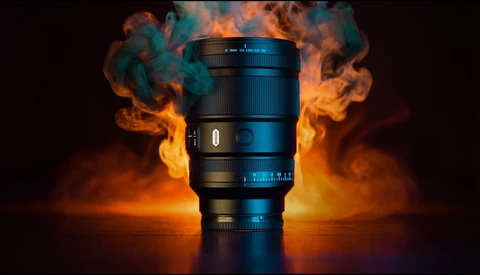
A 135mm f/1.8 that retails for under $1,000 is not something you expect to perform like a premium lens. The 7Artisans 135mm f/1.8 for L-Mount does exactly that, and it changes the math for anyone who has wanted this focal length but balked at the cost.
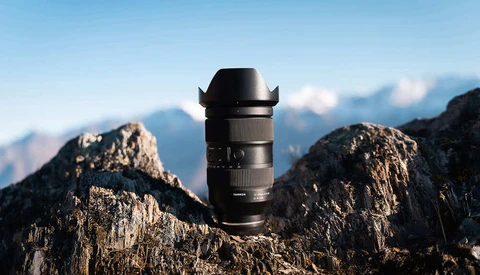
Sony has proposed buying Tamron outright. On July 30, Tamron confirmed it had received a non-binding proposal from Sony to become a wholly-owned subsidiary of the Sony Group, and it has formed a special committee to weigh the offer.
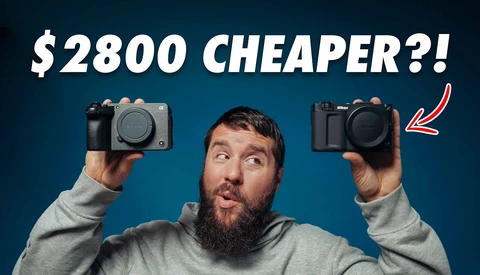
A cinema camera that records 6K internal raw for $2,200 sounds like an easy call against a rival that costs more than double. The Nikon ZR undercuts the Sony FX5 so aggressively that price alone seems to settle the argument, until storage enters the picture and the math shifts.
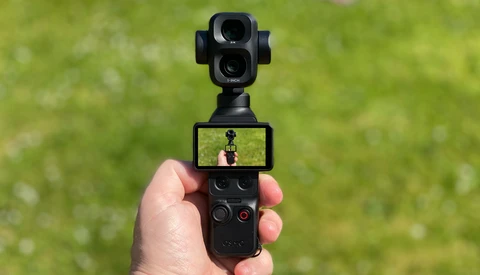
When it comes to content creation cameras, there has been no shortage of innovation over the years. Action cameras became more powerful, mirrorless cameras became smaller, and smartphones continued to close the gap. However, 2026 feels different. Every major manufacturer appears to be fighting for the same crown: producing the ultimate camera for content creators.
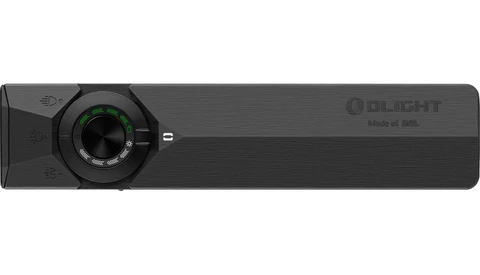
The Olight ArkPro Ultra is a flat, pocketable everyday-carry flashlight that tries to do something most lights do not: put four different light sources in one slim body. Alongside the usual white flood and a longer-throwing white spot, it adds an ultraviolet output and a green laser.
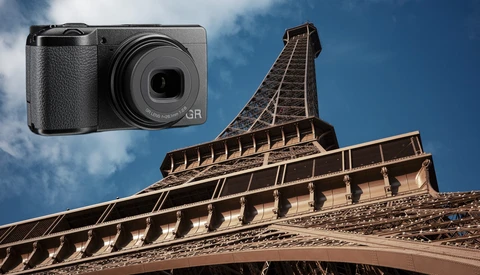
Every corner of Paris feels familiar before you've even arrived, due to being photographed from every angle by countless travellers, tourists and photographers over the years. But in 24 hours wandering through the 7th arrondissement area with the Ricoh GR IIIx in my pocket, I realised that this camera is one that lets you disappear into the city.
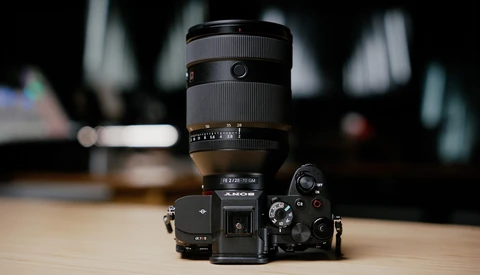
One professional replaced nearly every prime lens in his kit with a single zoom, and after a couple of years, he'd buy it again the moment it broke. That kind of commitment to one piece of glass is rare, especially when the glass costs around $3,300.

Apple has launched a leasing program that lets you pay monthly for a Mac, iPad, iPhone, or Apple Watch and return or swap the device when the term ends. The program is backed by Klarna, runs only in the United States for now, and replaces the decade-old iPhone Upgrade Program.
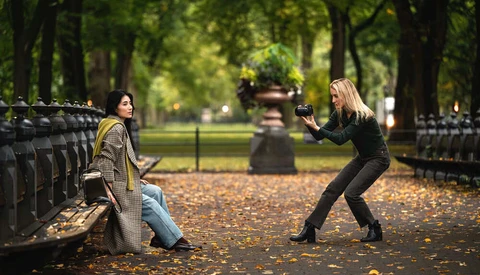
The way most photographers talk about sensor size gives the game away. There is a ladder in their heads. Phone at the bottom, then the little compacts, then Micro Four Thirds, then APS-C, then the promised land of full frame, and you climb it as you get more serious, upgrading rung by rung until you arrive. Buying a full frame body is treated as a graduation.
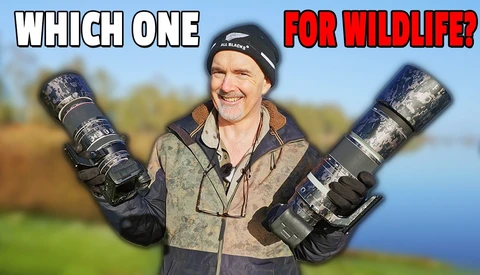
Picking between two Canon telephoto zooms for wildlife comes down to a question that sounds simple and isn't: do you want more reach or better glass? One gives you 800mm in a package that's hard to match anywhere else, and the other gives you L-series quality with a wider low end.
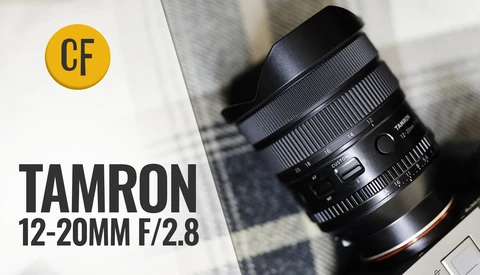
A 12 to 20mm zoom range on a full frame camera pulls in a field of view most lenses can only dream of, and pairing that with a constant f/2.8 aperture opens doors for astrophotography and low-light work. Tamron built its new 12-20mm f/2.8 around exactly that combination, and it arrives with a shorter name and a longer feature list than the brand's older lenses.
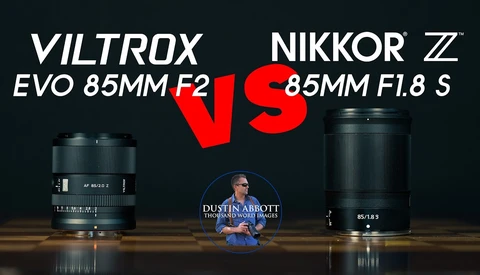
A $275 lens outscoring an $850 one on nearly every practical count is the kind of result that changes how you shop for an 85mm portrait prime. The Nikkor 85mm f/1.8 S built its reputation on being a premium f/1.8 option, and now Viltrox is aiming straight at it with a smaller, cheaper alternative.
Somewhere in the path from enthusiast to professional, most photographers absorb a belief they were never quite taught directly: that going pro means owning the holy trinity. A fast wide zoom, a 24-70mm f/2.8, and a 70-200mm f/2.8, all at that magic constant aperture, bought as a set, treated as the cost of admission. The gear becomes a credential.
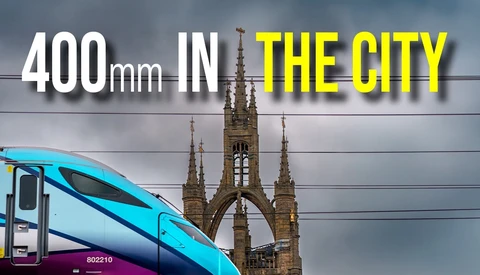
Most people reach for a wide angle the moment they step into a city center, cramming as much of the skyline into the frame as they can. A long telephoto flips that instinct, letting you pull out single details and stack layers of a city in ways a 24mm never could.
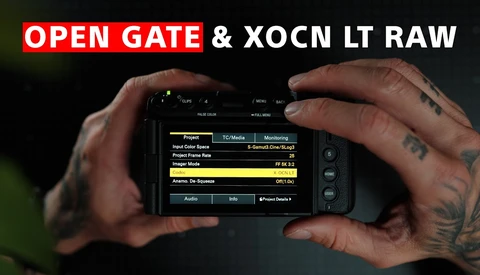
Sony's new FX5 records 16-bit XOCN raw internally, a codec that until now lived only in the Burano, Venice, and Venice 2. Squeezing that into a compact cinema body reshapes what you can expect from a camera you can hand-hold on a sidewalk.
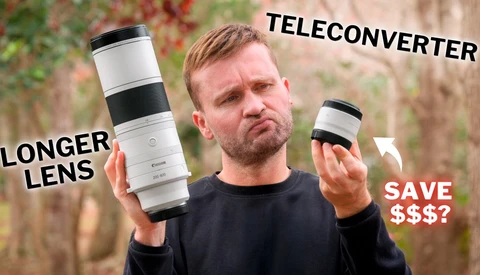
Teleconverters split photographers into two camps: people who swear by them and people who say they wreck image quality, slow autofocus, and belong in a drawer. Both camps are right, and which one you land in comes down entirely to how you shoot.
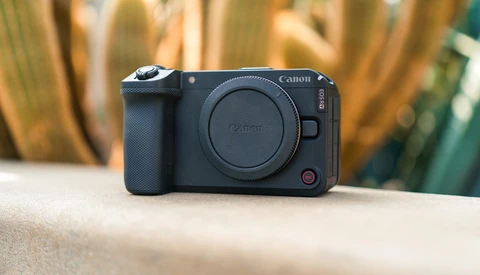
When three cameras are on the chopping block and only one gets to stay, the choice reveals a lot about how you actually shoot. The Canon R6V, up against the C50, the C80, and the R6 Mark III, ended up winning that fight for reasons that have less to do with specs on paper and more to do with what a camera lets you do in the field.
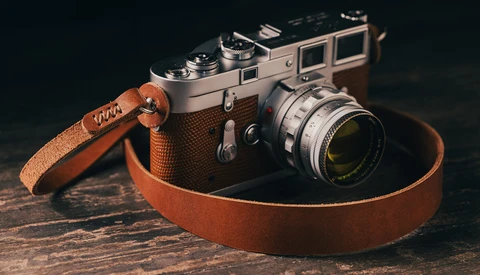
Fab’ are one of Canada’s top camera strap manufacturers. They have a wide range of leather and rope camera straps and harnesses, and everything is made by hand in Montreal. They’ve built up an extremely good reputation for making the highest-quality straps, yet they refuse to rest on their laurels.

Ask around and you will get a confident answer: bigger pixels are better. They gather more light, so they produce cleaner images with less noise, which is why the low-megapixel low-light specialist supposedly beats the high-resolution body when the sun goes down. It is one of the most repeated ideas in photography, and it is mostly wrong.
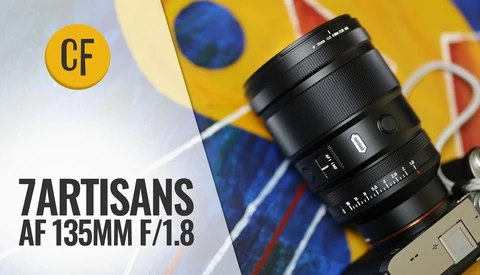
A 135mm f/1.8 full frame autofocus lens for $690 undercuts every rival on the market by a wide margin, and until recently, a lens this fast at this focal length simply didn't exist at this price. For portrait and event shooters chasing that tight, wildly out-of-focus look, the math suddenly changes.
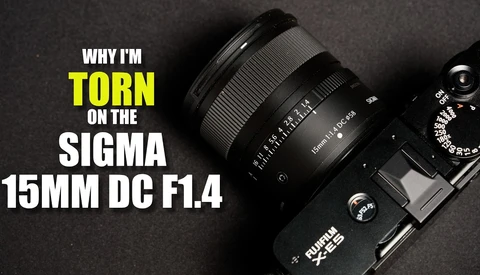
A lens can hit every spec on your wishlist and still leave you flat when you actually shoot with it. The Sigma 15mm f/1.4 DC is a case study in that gap between numbers and feeling.
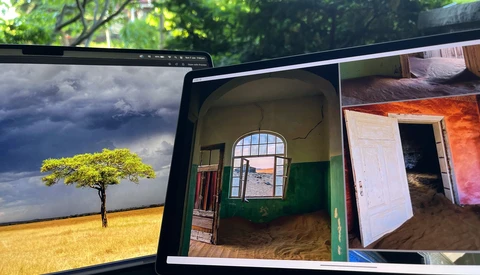
Recently, I had the chance to try out the new Wacom MovinkPad Pro 14. It wasn't that long ago that I experimented with Wacom's One 13 Touch. Although the MovinkPad Pro 14 isn't built specifically for photographers, the upgrade in my experience over the Wacom One Touch was significant.
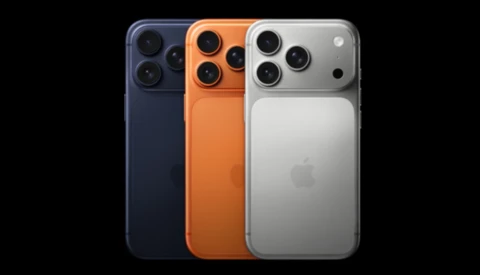
For years the honest answer to "is the phone camera good enough?" came with an asterisk. Good enough in nice light. Good enough if you did not zoom. Good enough until the sun went down. I have carried an iPhone 17 Pro Max since launch weekend, and after nine months of pointing it at nearly every situation I run into, the asterisk is mostly gone.
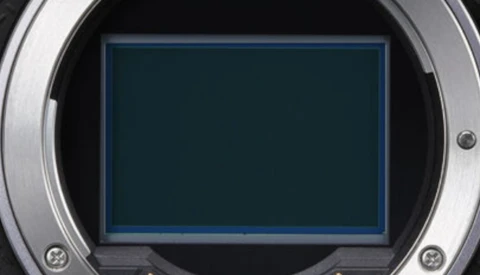
Almost every consumer camera you have ever bought came with a spec sheet, and that spec sheet left out the one number that most directly describes how good the sensor is at its actual job: catching light and turning it into signal. It told you the megapixel count, the ISO range, the frame rate, the buffer depth, the number of autofocus points.
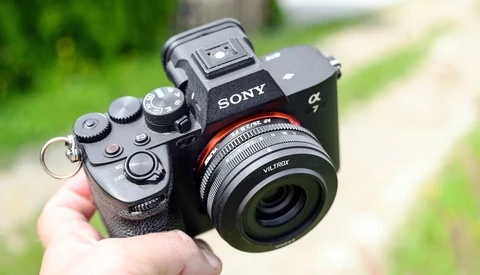
A full frame pancake lens that costs around $200, mounts autofocus, and shrinks a Sony body down to something that reads as a point-and-shoot sounds like it has to give something up. The Viltrox 26mm f/2.8 EVO Edition FE gives up a little, but far less than the price and size suggest.
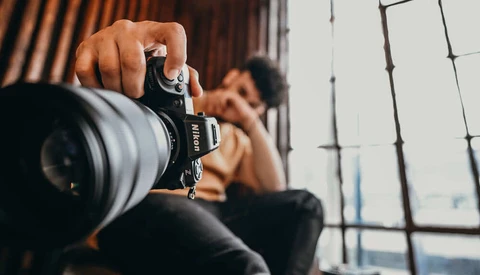
Buying your first interchangeable-lens camera is a harder decision than it should be, because the marketing pushes you toward the wrong questions. It wants you comparing megapixels and burst rates between bodies. Those numbers barely matter for a beginner.
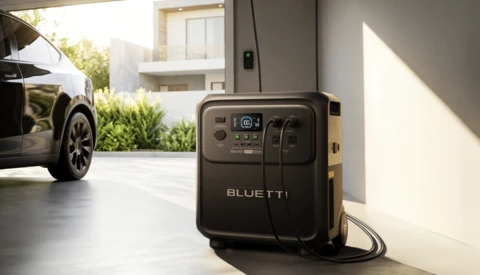
The Bluetti Elite 400 is a 3,840 Wh portable power station that rolls, and that second detail turns out to matter almost as much as the first.

Pancake lenses promise to shrink your camera down to something you'll actually carry, but the gap between the marketing and real-world performance can be wide. Five slim options exist for Fujifilm X-mount cameras, and their prices, quality, and quirks vary far more than their similar shapes suggest.
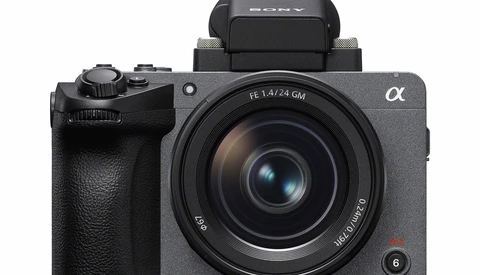
Sony has announced the FX5, a full frame Cinema Line camera built around a newly developed image sensor, with Open Gate shooting and internal raw recording that mark firsts for the FX series.
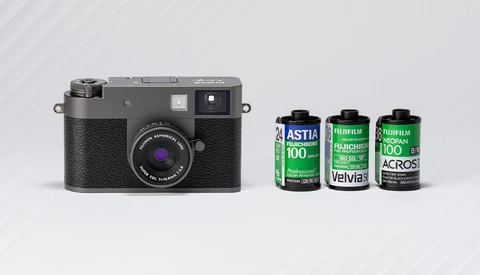
The Fujifilm X half is a machine for time travel, and the destination is roughly 1997.
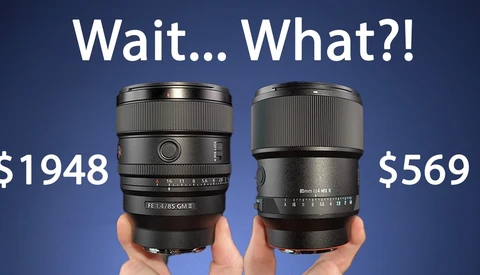
Two 85mm portrait lenses, one costing $1,948 and the other $569, produce photos so close in sharpness that even a 200% crop of a model's eye barely separates them. That kind of price gap between near-identical results forces a real question about what you're actually paying for when you buy first-party glass.
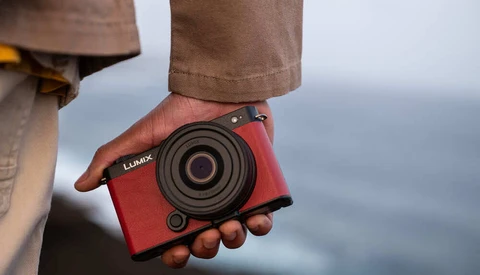
Almost nobody needs a dedicated camera anymore. That is the uncomfortable truth sitting underneath every camera launch in 2026, and the sooner the industry says it out loud, the better its decisions get.
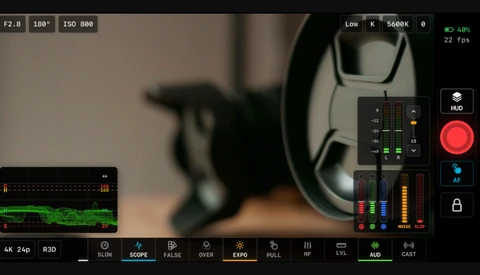
Rejoice, all Nikon ZR users. Today, I’ll give you the inside scoop on a low-cost app that might just be the answer to your prayers.
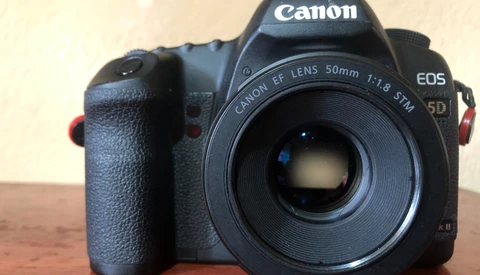
There are cameras people buy because they are new, and cameras people keep because they matter.
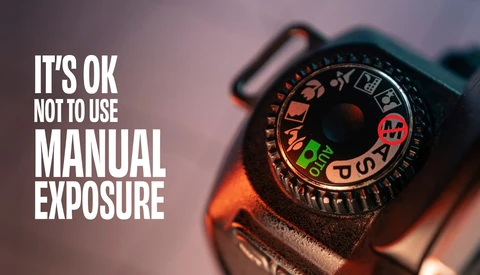
Someone was offered a free camera with one condition attached: they had to commit to learning and using manual exposure. Was it worth it?
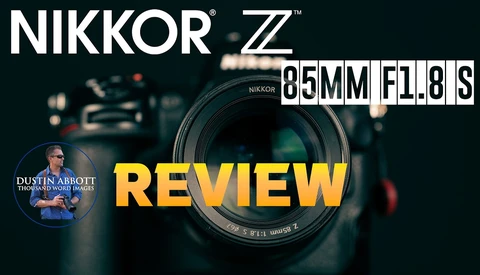
The Nikkor Z 85mm f/1.8 S came out in 2019 as the only 85mm option on Nikon's mirrorless system, and today it sits in a crowded field where third-party glass costs a third as much. That single shift, from sole option to premium holdout, is the whole story behind whether this lens still deserves a spot on your list in 2026.

The Perseid meteor shower is often the most spectacular meteor shower in the Northern Hemisphere due to frequency as well as its appearance in summer. 2026 is special because the peak occurs during the darkest possible skies. Here's how to photograph it!
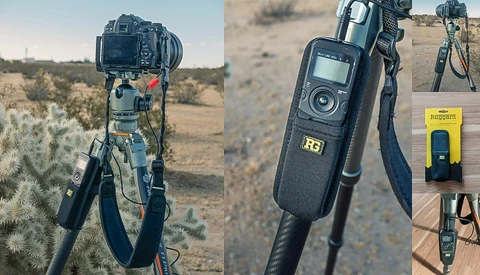
If you shoot long exposures at night, you know the frustration — your intervalometer dangling from your camera, swinging in the breeze, pulling on the cable. Not good. The Ruggard RTC-10 Timer-Remote Case (Standard) fixes that with a padded holder that straps directly to your tripod leg. It works great, with one Velcro gripe we'll get to shortly.
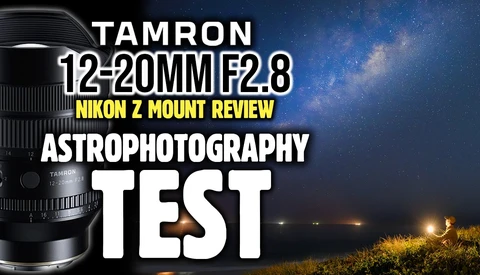
A 12-20mm zoom at f/2.8 sits right in the sweet spot for astrophotography, wide enough to swallow the Milky Way and fast enough to pull in faint starlight. Most shooters reach for a prime when the sky gets dark, which makes a zoom that can keep pace worth a real look.
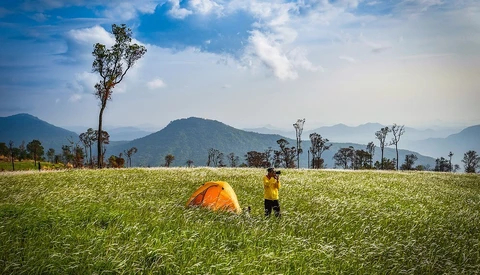
If you have spent any time reading about camera settings, you have heard the advice to keep your ISO as low as possible for the cleanest image. The lowest normal ISO setting your sensor is built around has a name: base ISO.

For my photo tour in Iceland, I wanted to go lightweight. I had my eye on the new Think Tank FocusPoint 30L because it just looks great. Amazingly, my gear did fit in this compact photo backpack, and I took it with me to Iceland. Let me tell you about my experiences.
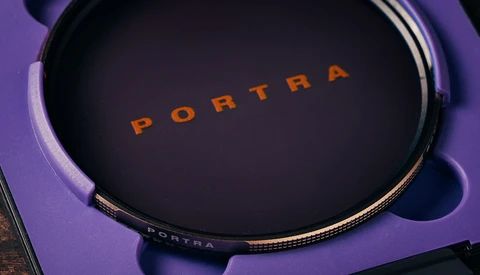
About six months ago, PolarPro sent me their new Portra filter. On their website it states, "Inspired by the look and feel of Portra 400 film… the Portra Filter blends color tone, diffusion, and glare reduction into one optical filter for a finished look." Hmm, sorry, it looks nothing like Portra 400 film. And I hadn't even put the filter on my camera at this point.
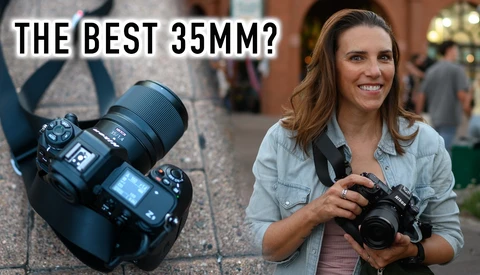
Nikon sells three different 35mm prime lenses for the Z mount, and picking between them comes down to details that specs alone won't reveal. The gap between the Nikon 35mm f/1.4 and the Nikon 35mm f/1.8 S is smaller than the labels suggest.

Netflix just spent real engineering time making its biggest show look worse, on purpose. It's not the only surprising analog bet this summer — Christopher Nolan shot a $250 million blockbuster entirely on physical film — and neither is nostalgia. It's a signal about what audiences want that every photographer and videographer should notice.

An 800mm equivalent lens that fits in a hand and a 1,000mm equivalent monster share the same day out on the Welsh coast. That kind of reach used to mean carrying gear you could barely lift, and the shift toward smaller sensors covering it is one of the more interesting developments in wildlife photography right now.
Most wedding shooters carry a 24-70mm and a 70-200mm so they never get caught without the right reach. That habit can quietly wreck the consistency of your work, and the fix has nothing to do with which lens you own.
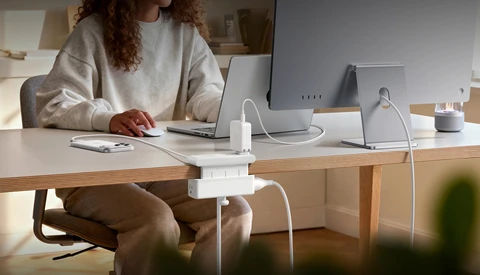
Every desk has one ugly corner: the gray knot of chargers and power bricks that no cable management ever truly tames. The Anker Nano Power Strip (10-in-1, 70W, Clamp) clamps to your desk edge and swallows that knot whole, and after a month running my entire charging setup off it, I'm not going back.
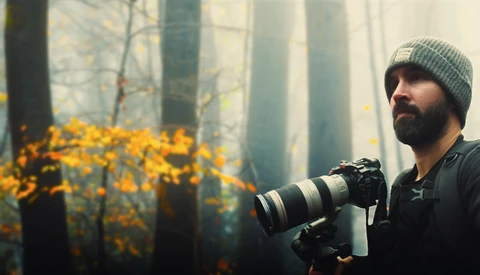
A few years ago, when the shutter on my Canon 5D Mark II finally gave out after 12 years of use, I needed to upgrade my equipment. With so many mirrorless cameras available on the market, it was a difficult decision. However, one camera consistently stood out to me.

Most likely, this won't matter to many people, but I'm writing it and proposing it anyway, also because I'm convinced that there's only one person who will be interested in this piece about an antiquated setup that, in my opinion, still works great today. At least it works for me.
So I finally bought a lens that I really wanted: the Canon EF 40mm f/2.8 STM.