Photography Gear

Gear isn't everything — but it's not nothing either. This section covers the cameras, lenses, accessories, and equipment that photographers actually use, with an eye toward helping you make smart decisions rather than just chasing the latest release. Expect news, analysis, hands-on impressions, and the occasional reality check on whether that upgrade is actually worth it.

Every Camera System's Best-Kept-Secret Lens

Every lens catalog has a flagship tier. These are the lenses that dominate reviews, anchor marketing campaigns, and justify the system's reputation: the Canon RF 24-70mm f/2.8 L, the Sony FE 70-200mm f/2.8 GM II, the Nikon Z 50mm f/1.2 S. They deserve the attention. They are genuinely excellent. And they are not the lenses that most photographers would benefit from buying next. 
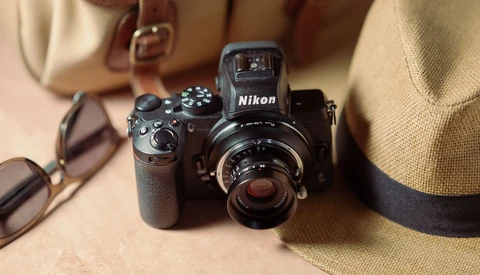
Small APS-C Cameras, Big Results: Travel Photography Kits That Don’t Weigh You Down

I was in Bilbao earlier this year, and a photographer appeared from around a narrow backstreet with a massive backpack and a huge full frame camera and zoom lens hanging from his neck. He carefully took the obviously heavy pack off and placed it on a chair outside a cafe. The relief on his face, to take a break from lugging all that weight around, was telling.


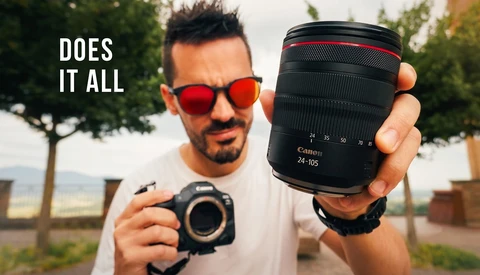
Canon RF 24-105mm f/4L Review: 2,000 Photos Later, Was It Enough?

The Canon RF 24-105mm f/4L IS USM is one of those lenses that tends to get overlooked once you've moved on to faster glass. If you've been shooting with f/2.8 zooms and primes, it's easy to assume the f/4 version isn't worth reaching for anymore. 

Why Your Next Upgrade Should Be a Lens, Not a Camera

The most common question beginners ask after buying their first camera is some version of "what should I upgrade to next?" The answer they expect is a better camera body. The answer that will actually improve their photographs is almost always a better lens. 

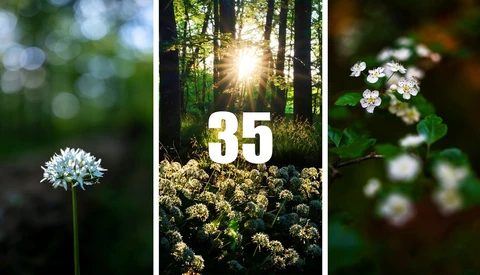
What Happens When You Shoot Landscapes at f/1.2

The Viltrox 35mm f/1.2 is built for portraits and low light, but Mads Peter Iversen took it into the forest for landscape work to see how far it can stretch. That tension between a wide-open prime and a genre that typically demands stopped-down sharpness makes for a genuinely interesting test. 
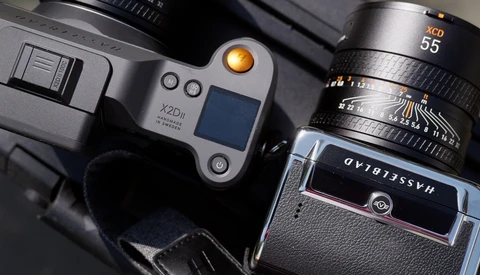
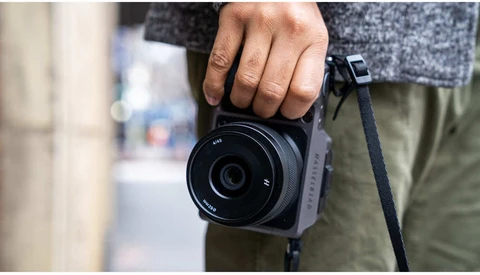
Hasselblad X2D II vs. 907X 100C: Same Sensor, Very Different Cameras

Choosing between the Hasselblad X2D II and the Hasselblad 907X 100C is genuinely difficult, and not just because both cost the same and share the same 100-megapixel sensor. The decision comes down to something more personal than specs, and getting it wrong at this price point is an expensive lesson. 

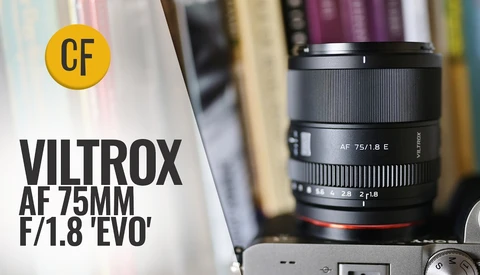
The Viltrox AF 75mm f/1.8 Review: A $329 Portrait Lens That Actually Delivers

The Viltrox AF 75mm f/1.8 is a short telephoto portrait lens for APS-C mirrorless cameras, giving you a full frame equivalent of around 113mm. At $329, it sits in a price range where quality can vary wildly, and whether Viltrox has delivered something genuinely worth the money is exactly what this review puts to the test. 

The Camera Industry Treats Beginners Like Future Professionals. Most of Them Are Not.

The camera industry is built on a ladder. At the bottom, there is a $600 to $800 entry-level body with a kit zoom, often no in-body stabilization, a single card slot, a plastic build, and a thin lens ecosystem. At the top, there is a $3,000 to $6,000 professional body with IBIS, dual card slots, weather-sealing, a magnesium alloy chassis, and an extensive lens lineup.

The Sony a7R VI Has Illuminated Buttons. Why Did It Take a Decade?

The Sony a7R VI arrived this month with 66.8 megapixels, a fully stacked sensor, 30 frames per second, and 8.5 stops of stabilization. The spec sheet is extraordinary. But the feature that will matter most to photographers who use their cameras after dark is one that does not appear in any resolution or burst-speed comparison: the rear buttons glow. 

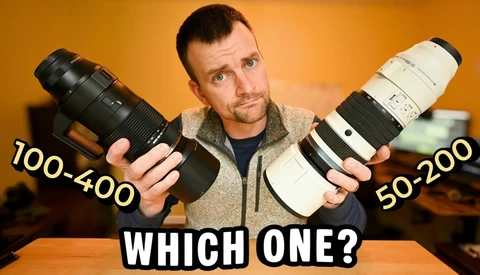
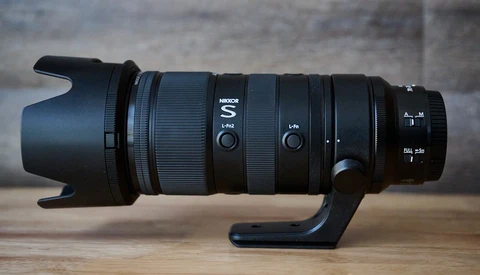
OM System 100-400mm vs 50-200mm f/2.8: Which Wildlife Lens Is Worth the Money?

Choosing between the OM System 100-400mm and the OM System 50-200mm f/2.8 is one of the more genuinely difficult calls in the Micro Four Thirds wildlife kit. Both cover similar ground in terms of size and weight, but they get to their results in completely different ways, and picking the wrong one for how you actually shoot will cost you. 

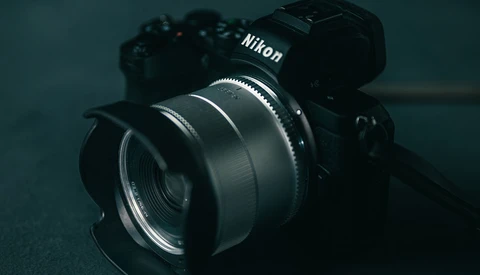
TTArtisan APS-C AF 35mm f.1.8 II: The Perfect Every Day Carry Lens

When it comes to focal length choice, my photography goes in cycles. For a few years now I've been shooting 28mm and 35mm, but recently decided it was time to move back to the 50mm focal range.


My favorite everyday carry/travel camera—which I grab for local strolls around town, or take on long backpacking trips—is my trusty Nikon Z50.

5 Features Every Camera Should Have by Now

Every camera manufacturer in 2026 can build a sensor that resolves fine detail, an autofocus system that tracks a bird in flight, and a video engine that records 4K at 60 frames per second. The engineering on the headline specs is genuinely impressive across the board. And then you buy the camera, try to charge it from the same cable you use for your laptop, and scream into a pillow. 

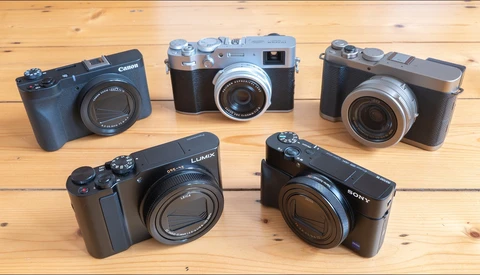
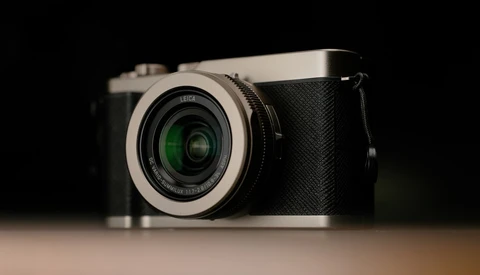
The Panasonic Lumix L10 Is the Premium Compact Camera the Market Has Been Missing

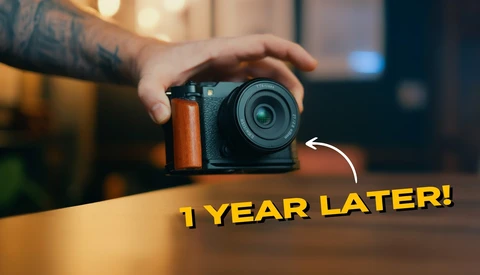
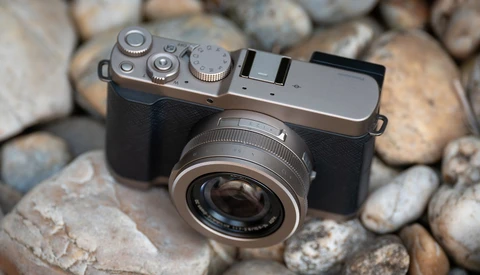
Compact cameras are making a serious comeback in 2026, and the Panasonic Lumix L10 is one of the most compelling arguments for why that matters. It pairs a 26.5-megapixel Micro Four Thirds sensor borrowed from the Lumix GH7 with a 24–75mm f/1.7–2.8 equivalent zoom lens in a body that's genuinely pocketable. 

Sony a7 V Street Test: Is Pre-Capture Actually Cheating?

The Sony a7 V is a serious tool for street photography, and the question of whether its most powerful features cross a line worth thinking about. Pre-capture, silent shutter, and subject-tracking autofocus all raise real questions about what street photography actually demands from you and your gear. 

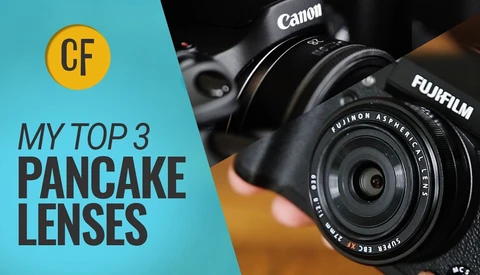
The 3 Sharpest Pancake Lenses Worth Owning

Pancake lenses are a niche obsession, but they solve a real problem: full-size image quality in a package small enough to actually carry. Most of them cut corners on sharpness to hit that tiny footprint, but a handful genuinely don't. 

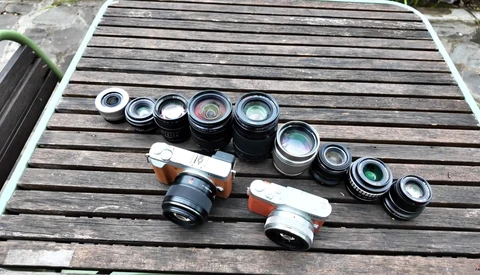
Which Lens Wins the Micro Four Thirds Portrait Lens Shootout?

One of the benefits of the Micro Four Thirds system is that there are many, many lenses to choose from to get the job done. If that job is specifically portraits, look no further than this deep dive into almost a dozen of the options available for the system. 

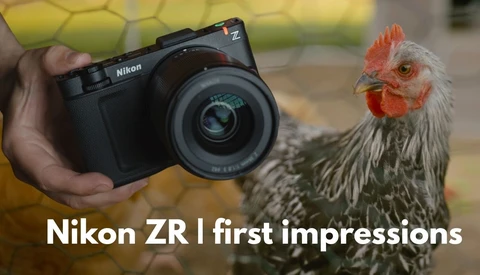
The Nikon ZR Is a Surprisingly Good Walk-Around Camera

The Nikon ZR is built around the Nikon and RED collaboration, and on paper it looks like a specialist tool most people would pass on. But Matt Day's hands-on experience with it over several weeks raises real questions about whether it punches above its weight, even for everyday use. 

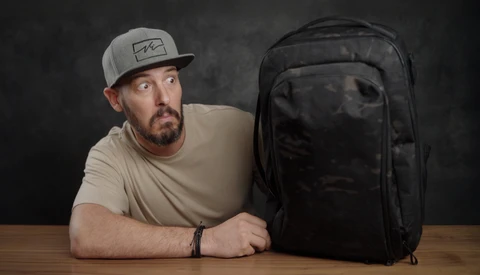
The Ultimate Everyday Carry Camera Bag: Atlas One

If you travel with camera gear even a few times a year, you already know the problem. Sometimes you're heading to a wedding with a full kit and your clothes are checked. Sometimes it's a weekend trip where you need a few lenses and room for a change of clothes. And sometimes you don't need any camera gear at all and you just want a normal bag.

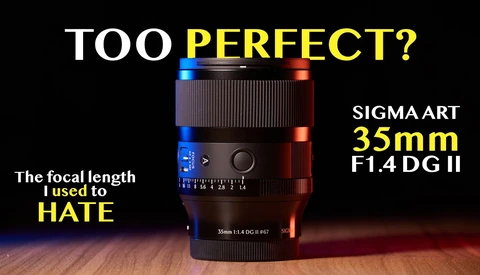
The Sigma 35mm f/1.4 DG DN Art: One Month of Real-World Use

The Sigma 35mm f/1.4 DG DN Art is one of the most talked-about lenses in the Sony E-mount ecosystem right now, and for good reason. At around $1,000, it sits in a crowded tier alongside the Sony FE 35mm f/1.4 GM and the Viltrox 35mm f/1.2 AF. 

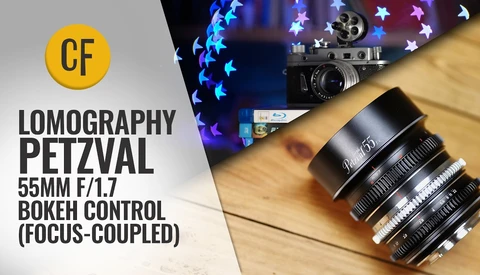
The Lomography Petzval 55mm f/1.7's New Design Solves Its Biggest Problem

The Lomography Petzval 55mm f/1.7 is one of the most distinctive lenses you can put on a camera, and its new focus-coupled version changes the case for buying it in ways that aren't obvious at first glance. If you've ever been curious about swirly bokeh lenses but hesitated because of how awkward they are to use, this update is worth your attention. 

How Expensive Has It Become to Be a Photographer These Days?

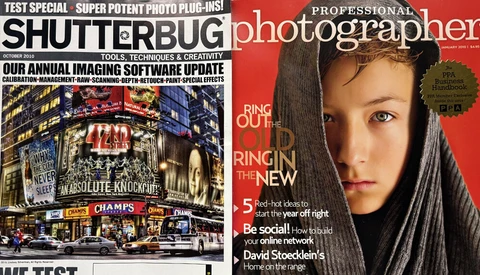
At a thrift shop the other day, I found a couple of relics. No, these weren't the usual camera finds, but rather 16-year-old photography magazines, specifically the now-shuttered Shutterbug and the still-active Professional Photographer. It got me thinking: How expensive has it become to be a photographer these days? 

What Would Happen If You Never Bought Another Camera Again?

As I sat in my kitchen on Memorial Day, once again procrastinating by watching my umpteenth gear review video this week on YouTube, a random thought popped into my head. What would happen if I were to never buy another camera for the rest of my life? 

Why Fujifilm Understands Its Customers Better Than Any Other Camera Company

Every camera manufacturer makes good cameras. The sensor technology has converged to the point where a modern APS-C body from any major brand produces images that would have been full frame flagship territory five years ago. Autofocus is fast on most current bodies. Video is capable across the lineup.

Is the Hasselblad X2D 100C Worth $8,000?

Buying a camera that costs as much as a used car is a hard sell, and the Hasselblad X2D 100C sits firmly in that territory. James Reader spent two months shooting with it across multiple countries, and his verdict is quite nuanced. 

iPad Pro Photo Editing Workflow: Why Most Photographers Use It Wrong

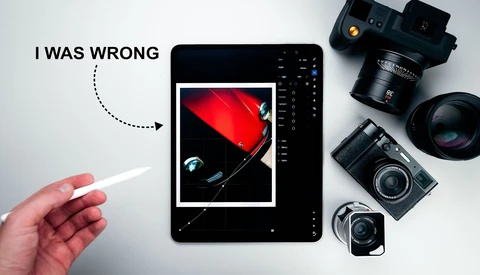
The iPad Pro has tempted photographers for years with its portability and touchscreen display, but most people who try it for serious editing eventually drift back to their laptops. Evan Ranft spent six months with the M5 iPad Pro figuring out exactly why that happens and what to do instead. 

Which Fujifilm GFX Lenses Are Actually Worth the Price?

Fujifilm's GFX system produces some of the most detailed, tonally rich files available to working photographers today, and the lens lineup is both the system's greatest strength and its most significant financial commitment. After six years of building out a GFX kit, Samuel Elkins has opinions on what actually earns its place in the bag and what doesn't. 

Fujifilm X-E5 Review: 40 Megapixels, But Can It Handle Low Light?

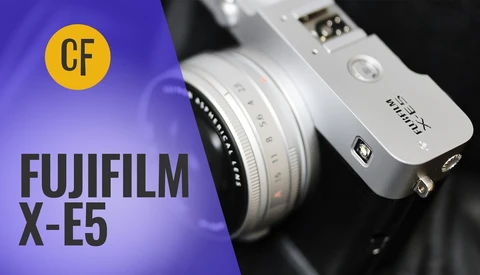
The Fujifilm X-E5 is a compact, rangefinder-style APS-C camera with a 40-megapixel sensor, in-body stabilization, and a $1,700 body-only price tag. That combination sounds compelling on paper, but the real question is whether the image quality holds up when you push past the base ISO. 

The Last Camera Market in the World?

Have you ever dreamed of stumbling across a Rolleiflex for $180, or a Widelux for $1,400? 


These are exactly the kind of deals waiting for you at Karachi's Hakeem Centre in Pakistan, as captured by Karl Rock in this incredible video.

5 Things Your Phone Camera Does Better Than Most Dedicated Cameras

Photography publications, this one included, spend a lot of time telling you why a dedicated camera is worth buying. And it is. The sensor is bigger, the lenses are interchangeable, the depth of field is real rather than simulated, and the raw files give you editing latitude that phone JPEGs cannot touch.  

How 50 Cameras Turn an NBA Playoff Game Into Live TV

Broadcasting an NBA game takes more gear than you'd probably guess, and the skill required to operate it is even more surprising. The broadcast setup for a single playoff game involves dozens of cameras, miles of cable, and a live production that makes Hollywood look slow. 

The Lens That Costs 4x Less Might Be the Right One for You

Choosing between a budget telephoto zoom and a pro-grade lens isn't always obvious, and the answer depends on more than just image quality. This video makes the case that spending four times more doesn't automatically mean getting four times more usefulness, especially when your shooting style may not demand what the expensive glass actually offers. 

Why Every Night Photographer Should Own a Nifty Fifty

The humble "Nifty Fifty." Many of us own a fast 50mm. However, for some reason, we almost always reach for the ultra-wide angle lens for night photography. And for good reason. They capture much of the night sky. But there are strong reasons why you should consider the "Nifty Fifty" instead, and it could improve your photography!