

Full frame is the holy grail for a lot of photographers. The creamier backgrounds, the cleaner high-ISO files, the undeniable "pro" credibility that comes when you pull out a camera with a sensor the size of a 35mm film negative. For years, it felt like membership in this club required either a trust fund or a willingness to sacrifice your rent money. Not anymore.
Marketing departments love to show us the Canon EOS R5 Mark II or the Sony a7R V. Those cameras cost $3,000 or more, and suddenly, full frame feels impossibly out of reach. Here's the thing they don't want you to know: the image quality of entry-level full frame cameras is roughly 95% identical to those flagships. The differences live in burst rates, video codecs, and autofocus sophistication. Rarely in the photos themselves.
If you've been dreaming about full frame but assumed the entry fee was $2,500, I have good news. You can join the club for around $1,000 if you know where to look, whether that means catching a sale on a new body or shopping the used and refurbished market.
Canon EOS RP: The Entry-Level Choice
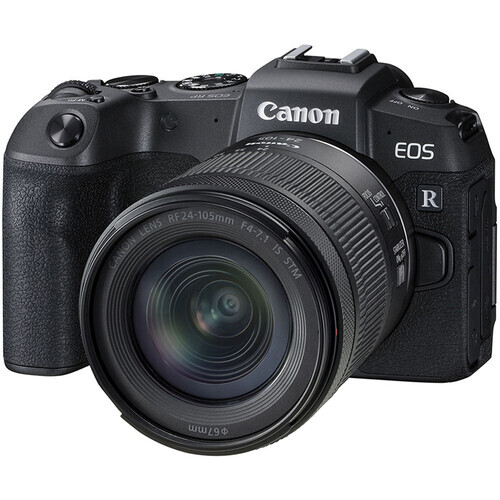
Canon's color science remains the gold standard for portraits. Skin tones look natural without heavy editing, and the overall rendering has a warmth that photographers have trusted for decades. The Eye AF works surprisingly well for a camera at this price point, locking onto subjects with minimal hunting in decent light.
Who should buy it? Travel photographers who want full frame quality without the chiropractor bills. Vloggers who need that flip-out screen. Anyone upgrading from a Rebel who wants to stay in the Canon ecosystem without learning an entirely new menu system.
The RP does have limitations. It shoots at 5 frames per second, which feels glacial compared to modern cameras. The sensor is older and shows its age in dynamic range compared to newer options.
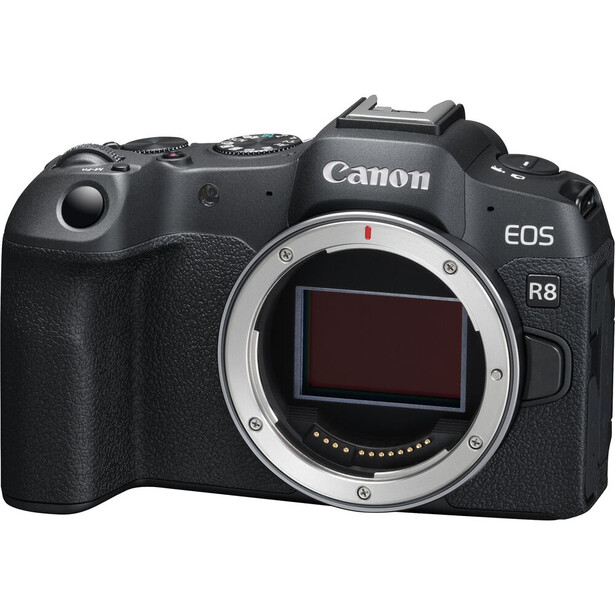
The Upgrade Pick: Canon EOS R8
Nikon Z5: The Budget Professional
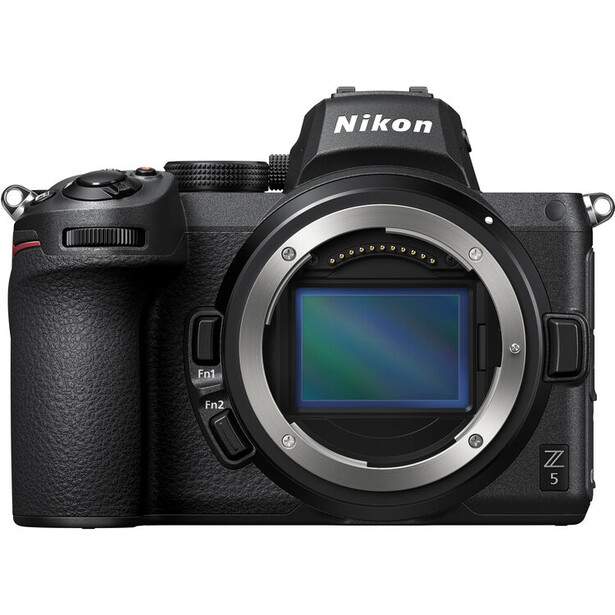
This is the only sub-$1,000 full frame camera that genuinely feels like a $3,000 professional tool in your hands. The magnesium alloy body is dust- and weather-resistant enough to handle real-world conditions. The electronic viewfinder is high resolution and easy on the eyes during long shoots. Most importantly, the Z5 has dual card slots.
That last feature matters more than spec sheets suggest. If you're shooting a wedding or any paid work, dual card slots let you write backup copies of every image in real time. When a card fails, you don't lose the client's photos. You don't lose your reputation. For aspiring professionals buying new, the Z5 is by far the most affordable full frame option with this redundancy.
The ergonomics are pure Nikon. The grip is deep and comfortable. The controls are just where you expect them to be. It feels like a camera designed by people who actually photograph things.
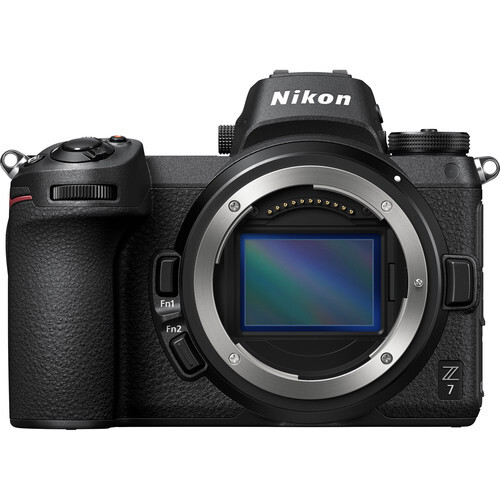
The Refurbished Alternative: Nikon Z7
Panasonic LUMIX S5: The Video Powerhouse
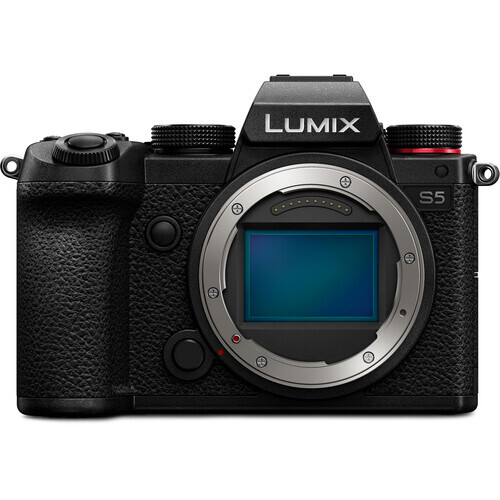
We're talking 10-bit 4:2:2 internal recording at 4K 30p, with 4K 60p available if you can live with an APS-C crop. V-Log comes preinstalled, giving you a flat color profile with massive dynamic range for color grading. The in-body image stabilization is so effective it looks like you're shooting on a gimbal. Handheld footage comes out buttery smooth in ways that make dedicated video cameras jealous.
Panasonic built a cinema camera and disguised it as a photo camera. The still image quality is excellent too, with that classic Panasonic color rendering that sits somewhere between Sony's clinical accuracy and Canon's warmth.
Who should buy it? Hybrid shooters who split their time between stills and video. YouTubers who need professional video quality without the professional video budget. Indie filmmakers who want full frame depth of field without the hassle of dedicated cinema rigs.
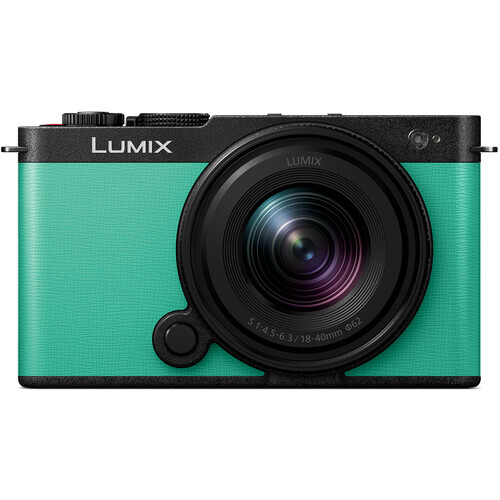
The Style Pick: Panasonic LUMIX S9
Sony a7 III: The Modern Classic
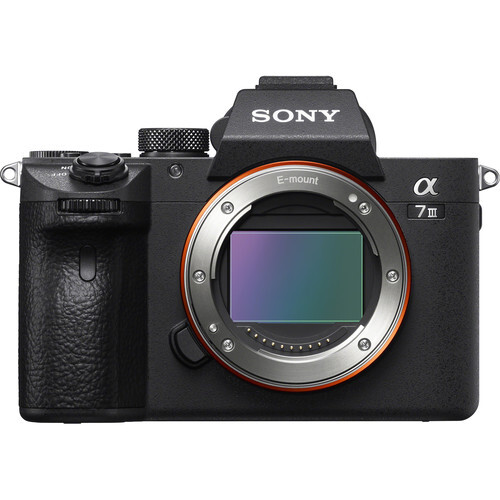
The autofocus system punches well above its weight class. Real-time Eye AF locks onto subjects and refuses to let go, even as they move through the frame. For event photographers working chaotic scenes or anyone tracking unpredictable subjects, this matters enormously. With firmware v3.0 or later, you get Animal Eye AF as well. It also offers dual card slots.
Battery life is exceptional thanks to the NP-FZ100 battery that trickled down from the professional a9. The a7 III was the first mainstream Sony body to inherit it, and you can shoot all day without the anxiety of watching the battery indicator creep toward red.
Then there's the lens ecosystem. Sony's E mount has been around long enough that third-party manufacturers have flooded the market with affordable glass. Tamron, Sigma, and Samyang all produce excellent lenses for Sony at prices that undercut the first-party options significantly. When you're buying into a camera system, you're really buying into a lens system. Sony's is the largest and most affordable in the full frame mirrorless world.
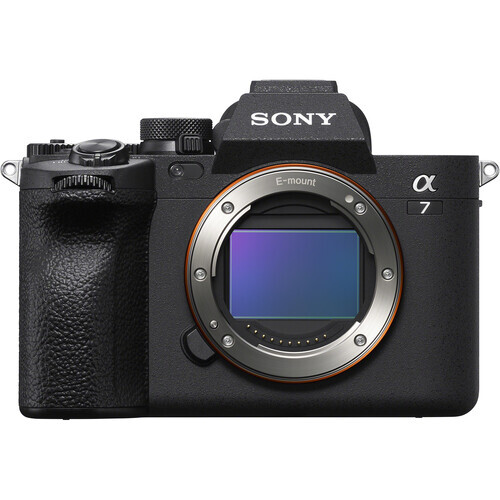
The Resolution Pick: Sony a7 IV
Which System Fits You?
Choosing a camera system is less about the body and more about the long game. Bodies come and go. Your lenses will likely outlast several generations of cameras.
Choose Canon if you prioritize color science, ease of use, and traveling light. Canon kept third-party lens manufacturers locked out of the RF mount for years, which created a shortage of affordable glass. That wall is finally coming down, with Sigma and Tamron now producing RF-mount lenses (mostly APS-C RF-S designs so far), though Sony's ecosystem still has a significant head start.
Choose Nikon if you value build quality, ergonomics, and professional features at entry-level prices. The Z5's dual card slots alone make it the smartest choice for anyone doing paid work.
Choose Panasonic if video is a serious part of your creative output. Nothing else in this price range comes close for motion work, and the L-mount alliance with Sigma and Leica provides solid lens options.
Choose Sony if autofocus performance and lens selection top your priority list. The sheer volume of affordable third-party glass makes Sony the most economical system to build out over time.
Here's the final truth that camera marketing never tells you: the body is just the entry fee. Pick the system that has the lenses you can actually afford, because that's where the real investment begins.


Join the Fstoppers community for free
-
Post comments and join in the discussions
-
Browse the site ad-free
-
Share your work and get featured in the community
-
Compete in the photo contests for fun and prizes
4 Comments
There are a LOT of full frame digital cameras that are even cheaper than those mentioned. Way, way cheaper.
If you go the route of getting an older used DSLR, you can get a very capable full frame for $500 or thereabouts.
If my present camera, a Nikon D800 (DSLR), were to go kaput, I'd be inclined to buy another one from MPB. I could buy six or seven of them for the same cost as one new Nikon Z8, and probably sacrifice nothing for my type of photography.
Glad to see at least one Sony camera made the list at $1,498 but there are many more. Most of the other camera have Sony sensors anyways. First i am not sure of the others as what they have and not have.
1. It has "Bright Monitoring" you assign to a button like the trash can, dark places, night, and Astro Photographers use a lot. It allows you to basically see in the dark for framing in the dark where you can barely see your hand in front of your face to get an image like day time with stars above.
2. It has "ISO Invariance" not one of the only ones to bring it but a cost effective one that also very few new it had it un less they were watching Alyn Wallace YouTube video but those were mostly Astro Capturers. The deal is you can capture a night image at a lower ISO getting less noise but in post just increase exposure up to +5EV, all that Lrc will let you do the first time round of editing. But in the video he shows all 5 EV's and compares each as they get brighter all with the same noise level but 5 stops brighter in the last with even the shadow or dark place bright with no color type noise in them. Afterwards yes you can run a denoise program to get even cleaner. What this does is in just one image you do not need to capture the foreground in the blue hour then your selected MW capture and combined in post, a lot of work and extra time behind your camera waiting.
It also means you can use your F/5.6 or F/4 and get an image that looks like a f/1.4, Ok F/1.4 lenses stop selling for no need.
Just a few things
1 and 2 images of a Voigtlander Heliar-Hyper Wide 10mm f/5.6 Aspherical Lens capture on a
Full frame is overrated