
In 2026, I Still Carry an Olympus Stylus Infinity
Photography, in this social media era, has become exhausting.
Photography, in this social media era, has become exhausting.
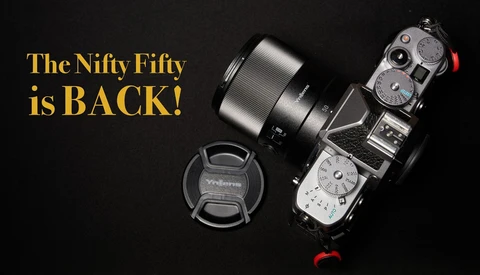
At $135 a full frame autofocus 50mm lens sounds like a compromise waiting to happen. The Yongnuo 50mm f/1.8S DF is that lens, and it turns out the compromises are a lot smaller than you'd expect.
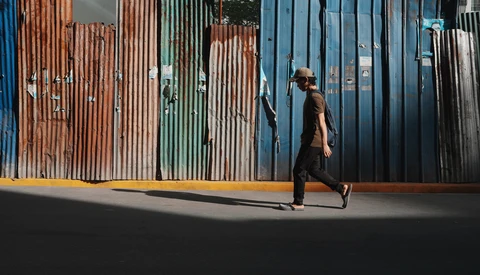
Why fix what isn't broken? Well, Viltrox seems to have a good subtle reason as to why it did with the 35mm f/1.2 LAB (N) that photographers might appreciate.

The MacBook Neo sits at the bottom of Apple's MacBook lineup, and that single fact shapes everything about it. At its price point, it goes up against laptops that routinely disappoint, which makes what Apple has pulled off here genuinely worth paying attention to.
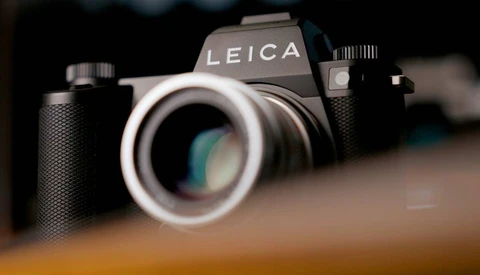
The Leica SL3-P sits in an interesting position: a 45-megapixel hybrid that Leica designed to land between the speed-focused SL3-S and the resolution-heavy SL3, and the question of whether it actually pulls that off has real stakes if you're considering dropping serious money on any of the three.
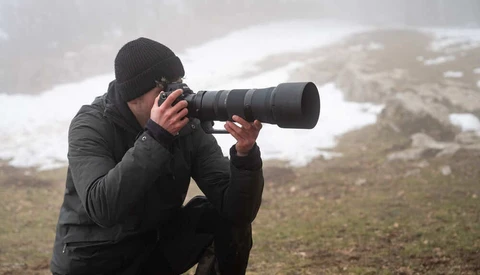
Earlier in 2026, a 15-year-old named Jack Crockford won his category at the British Wildlife Photography Awards 2026 with a frozen instant of a Eurasian hobby snatching prey out of the air, a shot that demands timing most photographers spend years failing to develop.
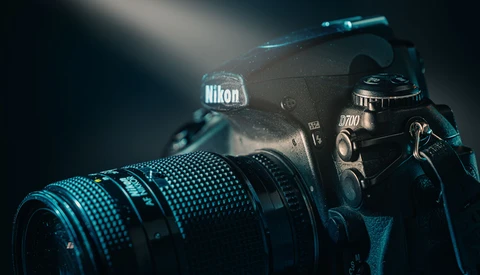
There's this idea going around that the newest cameras, with the latest sensor or faster processor, will give you the best image quality. I say to that, what absolute twaddle! (They wouldn't let me use the "B" word).
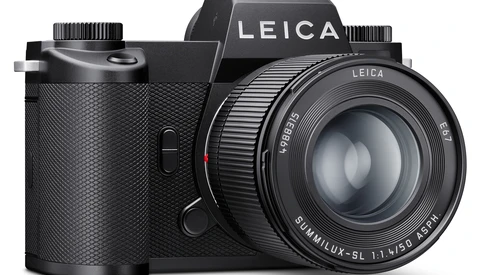
A new Leica camera always attracts attention. And while the M line is the brand's most famous line, there are many devotees of the SL system, which is a more contemporary system akin to cameras offered by Nikon, Canon, and Sony. Today, Leica announced the newest iteration, the SL3-P, a 44-megapixel camera designed for both speed and performance.
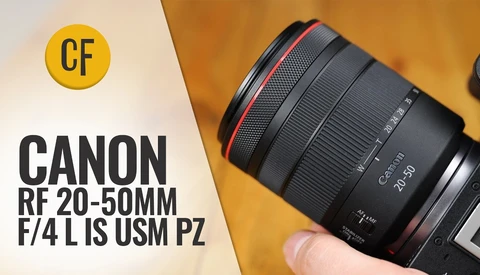
The Canon RF 20-50mm f/4L IS USM PZ is a lens built around a specific kind of shooter: someone who wants wide angle coverage, reliable stabilization, and smooth power zoom control, all in one relatively compact package. At $1,400, it sits in territory where performance has to justify the price tag.
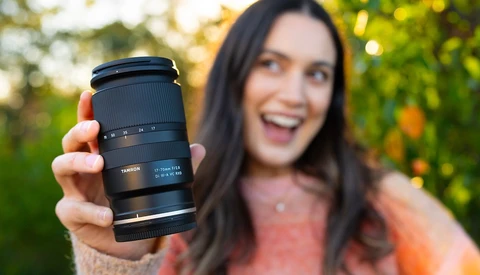
Finding a fast, versatile zoom for APS-C mirrorless that doesn't cost as much as a full frame body is genuinely difficult. The Tamron 17-70mm f/2.8 sits in a spot where very few lenses compete.
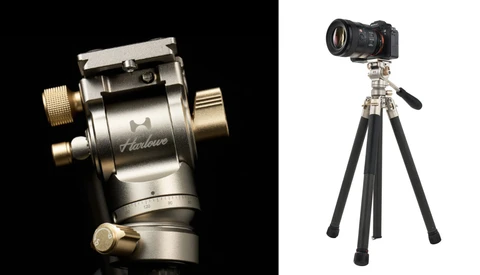
Harlowe has just launched the Rocket Air, a brand-new tripod that is bundled with a fluid head, providing a wonderfully light solution for hybrid shooters. The fluid head has a leveling adjustment, so for me, this makes it the perfect travel tripod for photography.
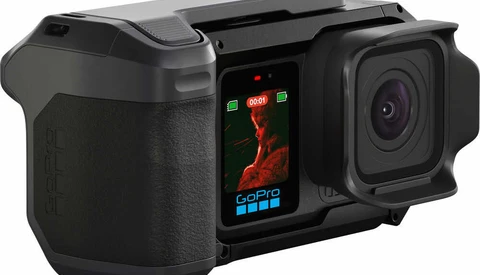
On June 1, 2026, GoPro filed a document with the Securities and Exchange Commission that no company ever wants to file. Its auditor, PricewaterhouseCoopers, had attached a going-concern warning to GoPro's 2025 accounts, the formal accounting language for substantial doubt that a business can survive the next twelve months.
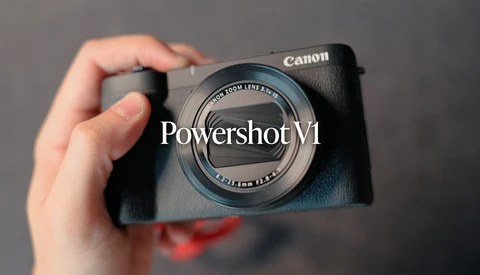
Buying a compact camera when you already own a full frame setup sounds like a step backward. The Canon PowerShot V1 makes a surprisingly strong case that it isn't.
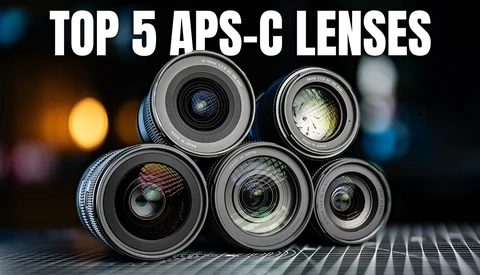
Choosing the right lens for a Sony APS-C camera is genuinely difficult right now, because the options have multiplied fast and the differences between them aren't always obvious. Curtis Padley has been shooting Sony APS-C for six years and has run through enough glass to have strong, experience-backed opinions about what actually works.

For roughly two decades, the standard zoom lens started at 24mm. Before that, it started at 28mm or even 35mm. The 24-70mm f/2.8 became the default in the early 2000s and stayed there so long that the starting focal length became invisible. 24mm was simply where a standard zoom began, and nobody questioned it because there was nothing to question.
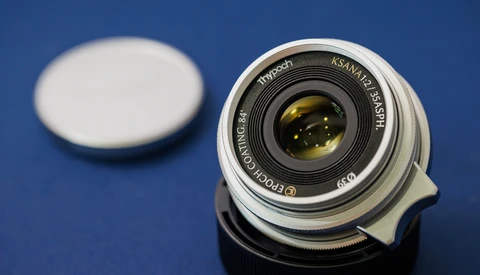
Following my recent speculation about M-mount lenses being the next big thing, the M-mount ecosystem has seen some truly exciting developments lately. Even in such a niche and crowded market, we are still getting frequent releases from companies like Thypoch.
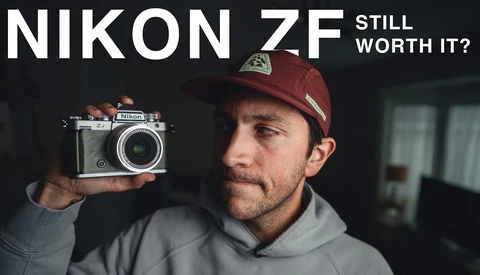
The Nikon Z f launched in October 2023, and the camera market has shifted considerably since then. New options from Nikon and other brands have changed what you're giving up when you choose that retro body.
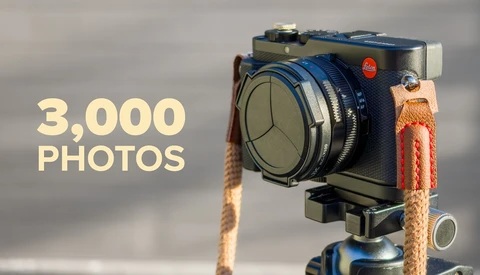
The Leica D-Lux 8 sits in an unusual spot: a Micro Four Thirds compact with a fixed zoom lens, priced like a premium tool, marketed as something you actually carry. After nearly 19 months and close to 3,000 images, Peter Fritz has moved well past first impressions, and his conclusions are more nuanced than the usual early review.
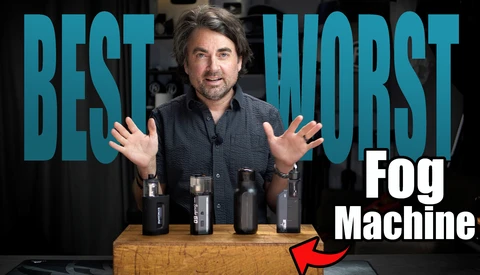
I used to think all fog machine liquid was the same. Never once had I considered that a new fog formula could be far better than what I've been using for decades. PMI's Vanishing Formula Kit has changed my opinion, and today I test it against three of the most popular portable fog systems on the market.
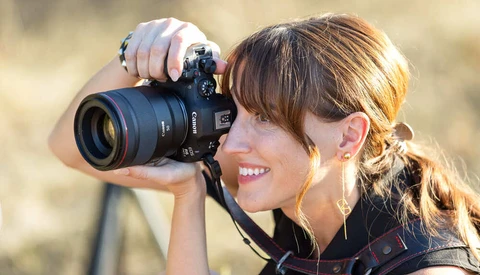
The Canon EOS R6 used to be a simple recommendation. You wanted a full frame hybrid that did a little of everything well without costing as much as the R5, so you bought the R6, and that was the end of the conversation. That clarity is gone.
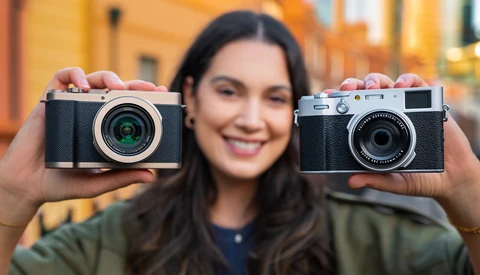
Choosing a compact travel camera is harder than it looks, especially when two solid options sit at very different price points with very different sensor sizes, lenses, and feature sets. The Fujifilm X100VI and the Panasonic Lumix LX10 both pitch themselves as small, capable everyday cameras, but they take genuinely different approaches to getting there.
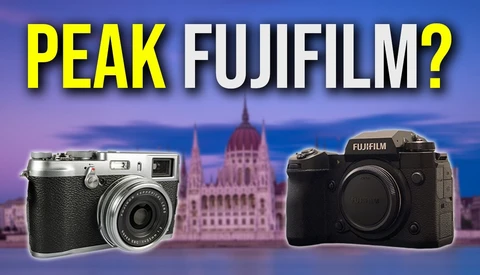
Fujifilm has released five generations of X-Trans sensors, and the conventional wisdom says newer is better. Jason Row challenges that assumption head-on, having personally owned cameras with every X-Trans generation from the original through X-Trans 5.
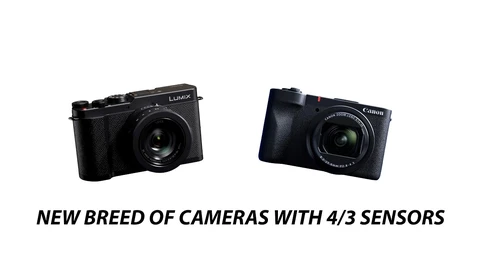
The Canon V1 and Panasonic Lumix L10 are two of the most interesting cameras in recent memory, and not because they're pushing sensor size upward. They're doing the opposite, and making a case that a Four Thirds sensor might be exactly what most people actually need right now.
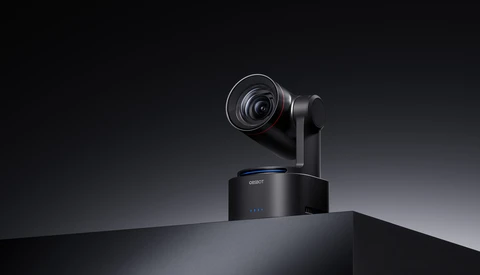
Prime Day is an excellent opportunity to pick up top tech at lower prices, but it can be a little overwhelming when browsing through all the products on offer. The OBSBOT Tail 2 is one such product, which we previously reviewed and recommended, and now has a great Prime Day deal.
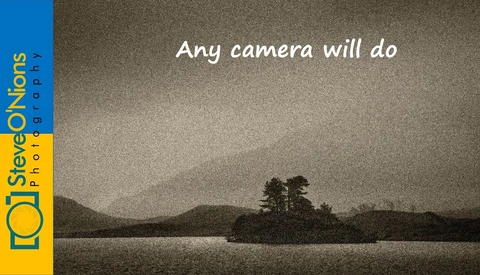
The Olympus XA2 is a 35mm clamshell camera from the mid-1980s with exactly three focus positions and zero manual exposure control. That sounds like a recipe for frustration, but Steve O'Nions makes a compelling case that those limitations are exactly what makes it work.
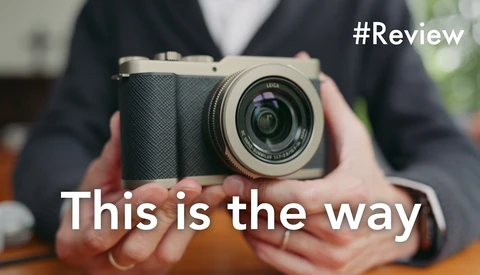
The Panasonic L10 lands in a genuinely narrow space: a compact camera with a large sensor, a zoom lens, and serious video features. If you've wanted something between a Ricoh GR IV and a full-blown mirrorless kit, this camera makes a real case for itself.
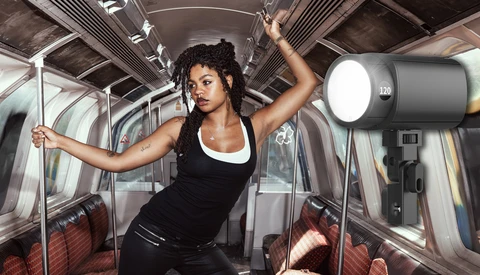
The Neewer Q120 is a compact 120 Ws TTL pocket strobe aimed at photographers who want more power than a speedlight without carrying a full-size studio flash. After using it for outdoor portraits and location shoots, I found it surprisingly capable for its size.
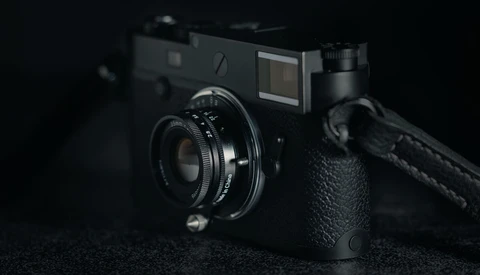
If you think the 7Artisans 35mm f/2.8 M Mount lens looks like it belongs to another era, you'd be quite correct. It was inspired by the compact optics used on Leica's early Barnack cameras in the 1930s. This tiny beauty, weighing just 88 g, embraces simplicity, portability, and character in a way that many modern lenses have forgotten.
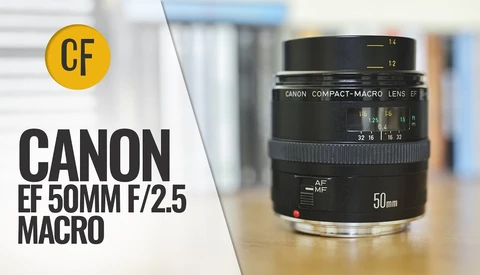
Canon's oldest EF mount lenses are worth a second look now that they adapt so cleanly onto modern mirrorless bodies. The Canon EF 50mm f/2.5 Compact Macro is one of the more interesting cases: a lens from 1987 that regularly sells for under $100 on eBay and still communicates fully with current Canon R-series cameras, including in-body stabilization and in-camera corrections.
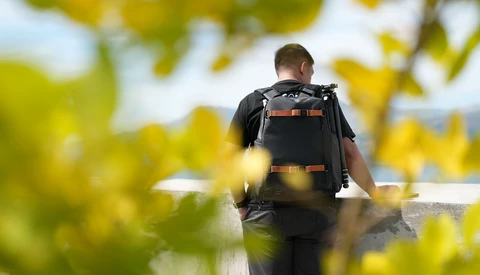
A lot of photographers nowadays prefer camera bags that are built to protect gear but barely look like it. This variation of Wandrd's Prvke backpack takes that to a whole new level.
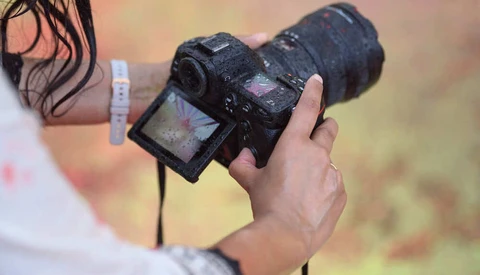
A new camera presents you with hundreds of settings, and the manuals that explain them are written as if you already understand the vocabulary. You do not need to learn all of it. You need to understand about ten settings well, because those ten control almost everything about how your photographs turn out.
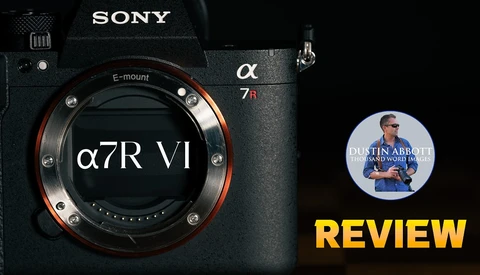
The Sony a7R VI raises the resolution bar for full frame cameras to 66.8 megapixels on a fully stacked sensor, and that combination produces results that will make you rethink how much camera you actually need. The stacked design isn't just about pixels — it's what allows the a7R VI to shoot 30 frames per second with full autofocus and a blackout-free viewfinder at that resolution.
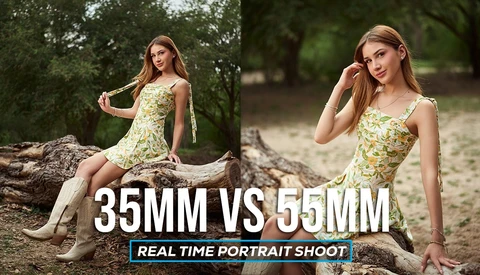
Choosing between a 35mm and a 55mm lens for location portraits isn't just a focal length debate. Shot in harsh midday Texas sun, this head-to-head between two of Viltrox's most talked-about Evo lenses puts the decision in a real-world context that gear charts can't replicate.
Choosing between a 40mm and 50mm lens looks simple on paper, but in real shooting situations, the gap between them matters more than the numbers suggest. The field of view difference alone can determine whether you get three people in a wedding cocktail hour frame or two.
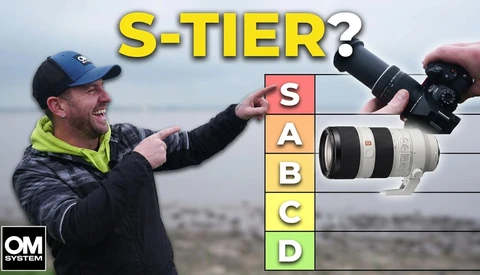
Sharpness is one of photography's most debated specs, and it's also one of the most overrated. The Olympus 40-150mm f/4-5.6 R is widely considered one of the least sharp lenses in the Micro Four Thirds lineup, and Chris Baitson decided to take it out for a full shooting session anyway.
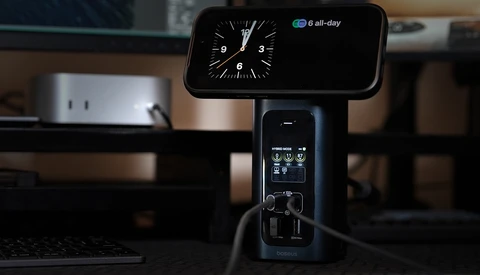
If a docking station can support or charge everything you use on your desk, this might be it. This 15-in-1 docking station powers all your devices safely and efficiently while keeping your desk neat.
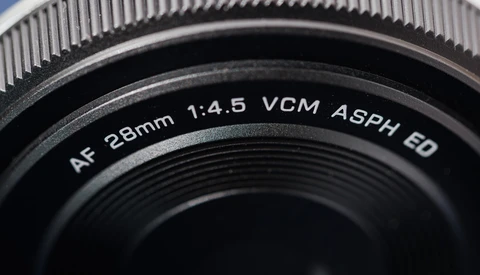
Behind every lens decision is a balancing act between autofocus, portability, and excellent optical quality. It usually feels like you can only pick two. But with the introduction of Viltrox's second L-mount lens, the AF 28mm f/4.5 L, we might have just found a recipe that genuinely delivers on all three fronts by making the compromise elsewhere: a fixed, slower aperture.

Roughly 10% of the global population is left-handed. That is approximately 800 million people. In almost every industry that manufactures hand-operated tools, those 800 million people can buy a product designed for them. In the camera industry, they cannot.

Trying different genres of photography can be both challenging and rewarding, especially when you either feel like a change or when the seasons force your hand. But have you ever considered infrared?

Almost every camera you have ever used works the same way out of the box: press the shutter button halfway to focus, press it all the way to take the photo. One button, two jobs. It is so intuitive that most photographers never question it. You half-press, the camera focuses, you press the rest of the way, the shutter fires. Simple.
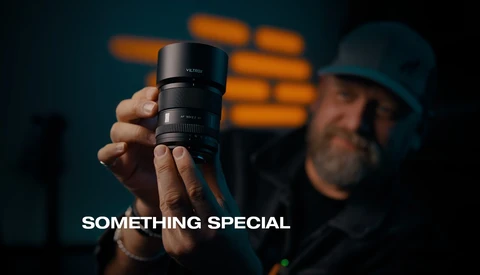
The Viltrox 90mm f/2.2 Evo is one of those lenses that shouldn't perform as well as it does at its price. At $369, it sits in territory where you'd normally make compromises on sharpness, autofocus, or build quality, and this lens largely refuses to do that.
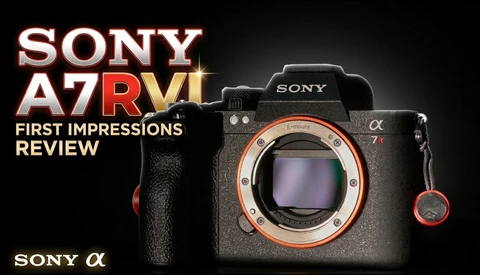
The Sony a7R VI sits at just under $5,000, and it's aimed squarely at shooters who want maximum resolution without sacrificing speed. What makes this camera unusual is that it manages to close the gap between high-resolution and high-speed shooting in ways the Sony a7R V simply couldn't.
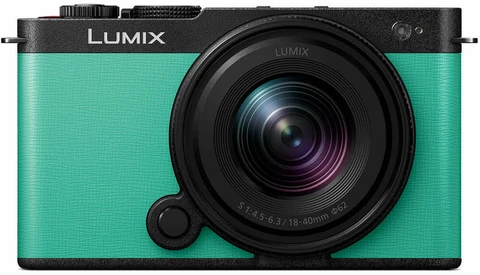
Somewhere in a closet or on a shelf, many photographers have a camera they love holding. Not because it has the best sensor or the fastest autofocus or the most impressive spec sheet, but because it feels right in the hand and looks right hanging from the neck. The texture of the grip. The color of the body. The glint off a machined aluminum dial when you tilt the camera in your hand.
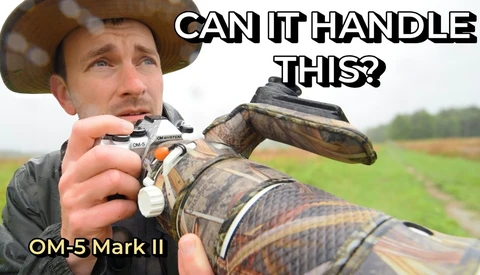
Picking the right weather-sealed camera for wildlife shooting in genuinely rough conditions is harder than it sounds, and most reviews don't test gear the way it actually gets used.
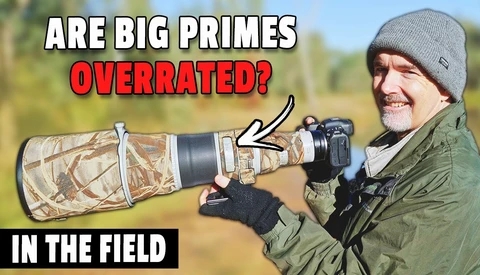
Shooting wildlife with a 500mm prime is a commitment. The reach, the image quality, the background compression — nothing quite replicates it, but there are real trade-offs that push even experienced wildlife shooters toward zoom lenses over time.
Every few months the same narrative comes back: "The camera industry is dying." It sounds clean, dramatic, and easy to share. But the camera industry isn't really dying. It already lost 90% of its market and learned how to call it "stability."
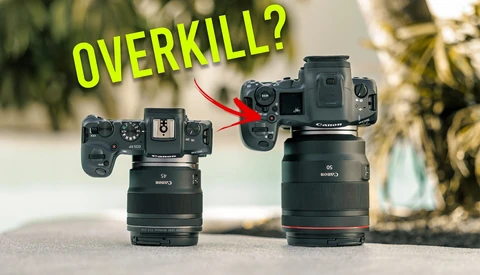
Picking the right portrait kit gets expensive fast, and the gap between a budget Canon setup and a professional one can easily run into thousands of dollars. James Reader tested two real-world rigs against each other to find out whether that price difference shows up in actual portraits.
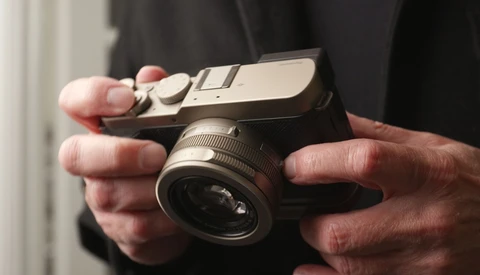
Picking a camera that's always with you is harder than it sounds, and most people get it wrong by chasing specs instead of asking what the camera is actually for. The concept of a "journal camera" reframes that question entirely, and it's one of the more useful ideas you'll encounter if you're trying to figure out which second camera actually makes sense.
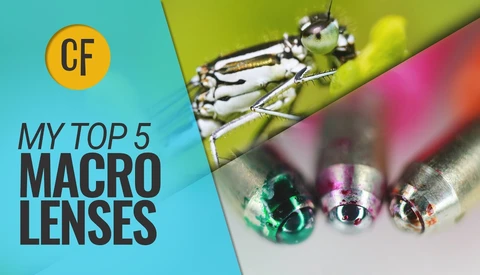
Macro lenses sit in a strange corner of the gear market: specialized enough that many skip them entirely, but capable of images that are hard to get any other way. The surge in macro photography during the COVID-19 lockdowns pushed manufacturers to release more options, and the category is now more crowded and more interesting than it's ever been.
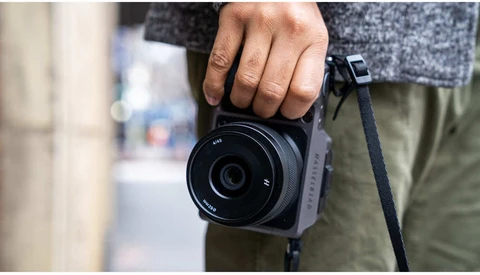
Every lens catalog has a flagship tier. These are the lenses that dominate reviews, anchor marketing campaigns, and justify the system's reputation: the Canon RF 24-70mm f/2.8 L, the Sony FE 70-200mm f/2.8 GM II, the Nikon Z 50mm f/1.2 S. They deserve the attention. They are genuinely excellent. And they are not the lenses that most photographers would benefit from buying next.