5 Weird Lenses That Will Cure Your Boredom
Bored of "perfect" sharpness? These five optical oddities force you to see the world differently.
Bored of "perfect" sharpness? These five optical oddities force you to see the world differently.
Your iPhone is more powerful than you think. Buried in iOS is an app called Shortcuts that most people ignore entirely, and those who do open it often close it immediately, overwhelmed by the programming-like interface. That's a mistake.
Sam Abell has pursued a career in documentary photography, spending 33 years with National Geographic. He concurrently taught and authored numerous books, including The Life of a Photograph, Seeing Gardens, and The Photographic Life.
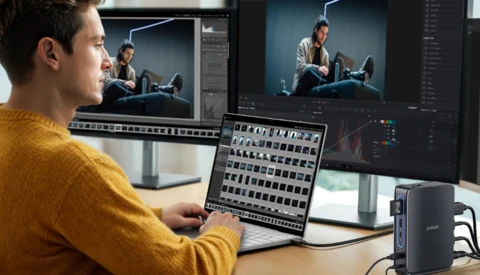
If you're like me, you've accumulated a small graveyard of USB-C hubs and docking stations over the years. There's the one that lives on your desk, the compact one you throw in your bag for travel, maybe a spare floating around somewhere because you forgot you already had one.
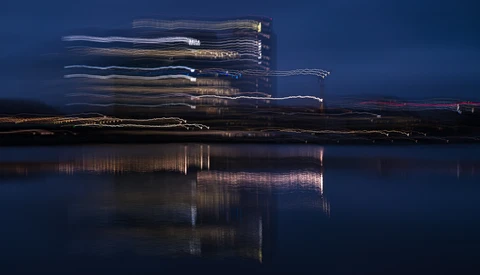
Most discussions about photography describe the work of the photographer through technique, timing, or the ability to react quickly. Yet these explanations do not match what actually gives an image its meaning.

You know the feeling. You're scrolling through reviews at 11 PM, convincing yourself that the new 85mm f/1.2 will finally unlock your creative potential. Your current 85mm is perfectly functional, but this one has slightly better autofocus tracking and a new nano-coating that promises reduced flare in situations you encounter maybe twice a year.
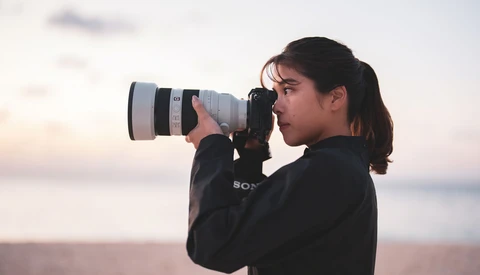
Mirrorless tech has finally killed the "Prime vs. Zoom" debate. Here is why working pros are trading their lightweight primes for heavy f/2 glass.
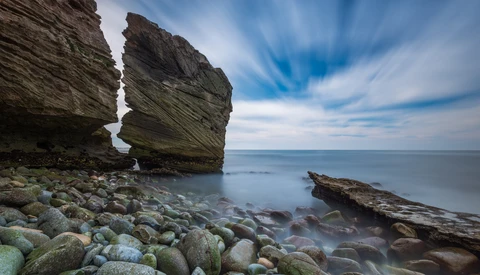
Let’s learn about common filter mistakes in landscape photography and find out how to improve your images without creating unwanted artifacts. Are you making any of these filter errors in your photography?
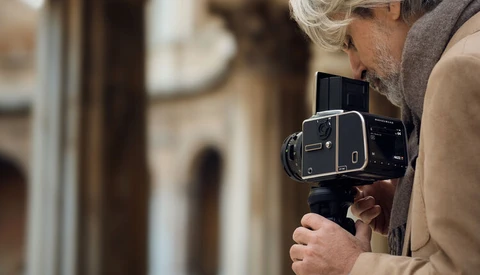
Stop buying spec sheets. These oddballs prioritize fun over perfect and might just make you fall in love with photography again.
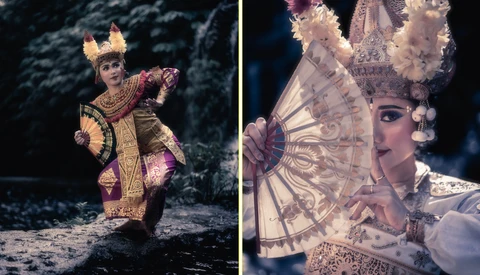
Discover the fascinating world of environmental portraiture in travel photography. Let’s also discuss essential ethical considerations and the importance of respecting cultural norms to ensure a meaningful photography experience and the creation of impactful images.
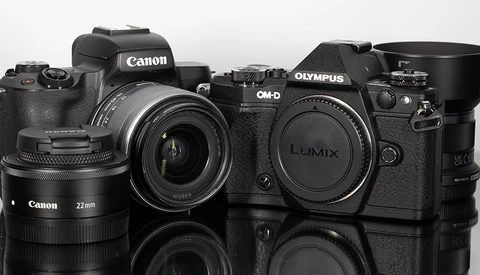
So recently, I suffered a bout of Gear Acquisition Syndrome (G.A.S.) and sold most of my Canon EOS M system cameras and lenses and switched back to Micro Four Thirds. But here’s the crazy thing: In some cases, I got more than I paid for the cameras brand new, which really shines a light on how much tariffs have warped the sense of what an affordable camera is.
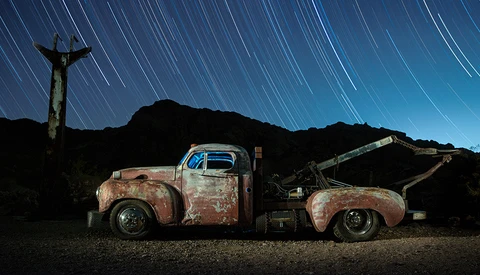
I wanted to photograph and light paint a super-long exposure of a vintage tow truck with long star trails, but I also needed to do this quickly so I could continue teaching workshop participants. How did I do this? I’ll take you behind the scenes of my desert ghost town long-exposure photo.
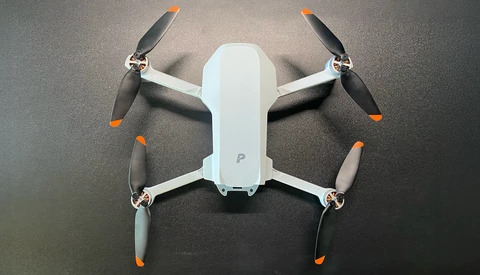
It seems drones are all over the news recently—either new iterations of existing models promising to change your life, new entries to the market aiming to shake up the game, or even recent headlines suggesting that drones are “evil” and need to be banned. But what happens when a new kid on the block enters the race and suddenly makes a bit of sense?
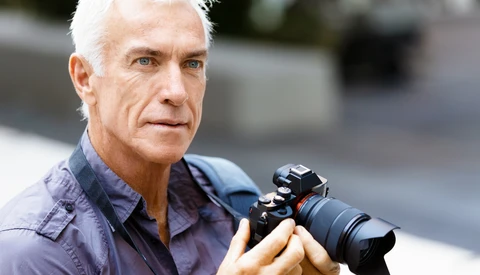
You are paying a $2,000 premium for buttons you will never press. Modern flagships are genuine marvels of engineering. These cameras represent the absolute pinnacle of what decades of imaging technology can achieve, packed into weather-sealed magnesium alloy bodies that can survive conditions most of us will never encounter.
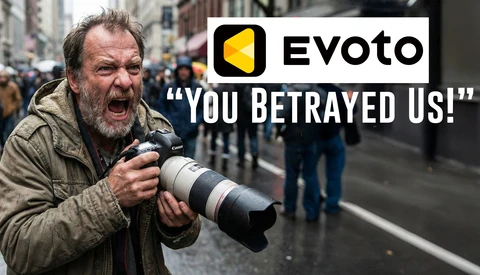
Thirty years ago, photo editing meant painting and airbrushing prints by hand. Then Photoshop arrived and wiped out most of those jobs. Over the last few years, AI software like Evoto did the same thing to advanced Photoshop skills. Slide a few controls and get results that once took years to learn. Photographers loved it...Until now.
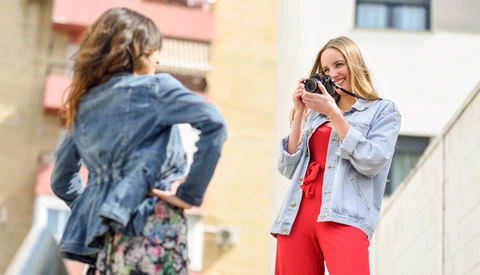
In an era of AI perfection, your biggest asset is reality. Here is how to make your portfolio more authentic.
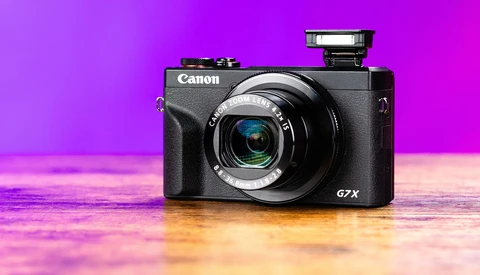
There has been a lot of hype around the Canon PowerShot G7 X Mark III. With phone cameras getting better than ever, it’s a fair question to ask who would even want a pocket-sized camera that takes up extra space. The answer, it seems, is a lot of people. The G7 X Mark III has become one of the hottest compact cameras again, and its popularity doesn’t seem to be slowing down.

Photography generates endless critique, but usefulness is far less common. Some feedback clarifies decisions, while other forms quietly replace them with rules, authority, and caution. Learning to tell the difference has become a necessary skill for anyone who wants to keep their own criteria intact.
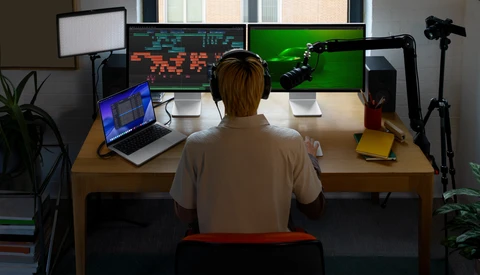
Apple announced Apple Creator Studio yesterdayay, and I don't think Adobe fully understands what just happened to them.
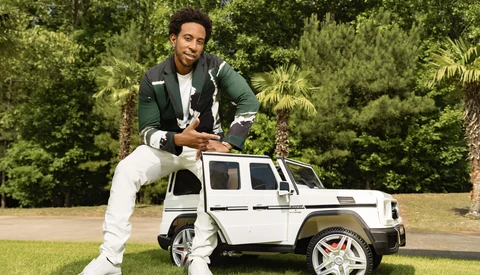
Lynsey Weatherspoon is a photojournalist and portraitist whose work has been featured in such publications as The New York Times, USA Today, The Wall Street Journal, The Washington Post, Time, and ESPN. A Canon Explorer of Light, she is often called on to capture heritage and history as it happens.
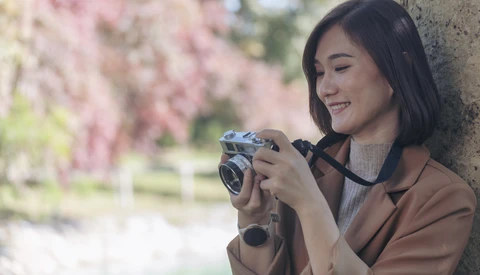
The photography industry has entered 2026 at a fascinating inflection point. What follows are 11 predictions for where the industry is headed, covering hardware, software, legal frameworks, and market dynamics. Some of these trends are already visible if you know where to look; others represent logical conclusions from forces already in motion.
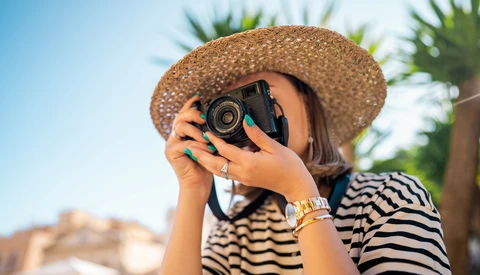
There's a term in photography that sounds like it belongs in a nature documentary, and in a way, it does. "Chimping" describes the behavior of looking at your camera's LCD screen immediately after taking a photo, and the name supposedly comes from the excited noises photographers used to make when digital cameras first became mainstream.
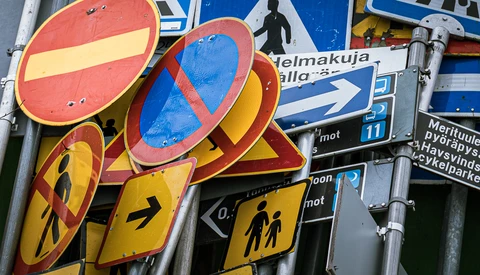
Open calls didn’t make photography more open. They simply replaced one gatekeeping system with another, built on paid submissions, administrative rules, and predictable results. And their influence reaches far beyond the photographers who actually apply.
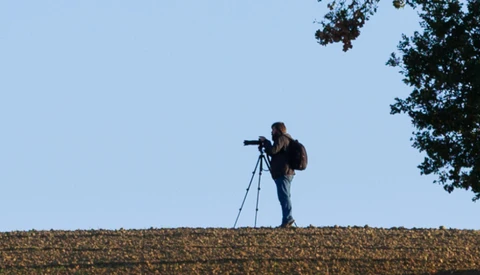
We are living in a paradox. Cameras have never been more capable, yet the experience of buying and using them is still frustrating in many ways. The sensors are incredible. The autofocus is borderline supernatural. The lenses are sharper than anything we had a decade ago. And yet, there's a lot that can still be improved.
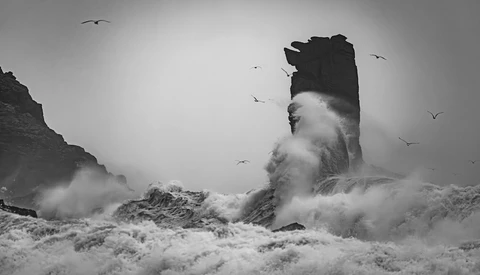
Photography is often spoken about as if it were a competition, measured by likes, awards, or comparisons with others. Yet at its core, photography is a deeply personal practice. The way we see, decide, and capture moments is unique to each of us, shaped by our experiences, timing, and attention.