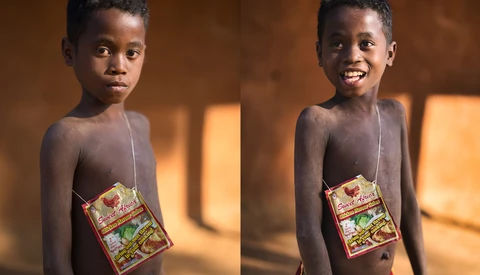
A Handbag, a Story: Photography With Purpose
Discover how intentional choices in photography can transform ordinary moments into compelling visual narratives, revealing profound stories hidden within everyday experiences.
Discover how intentional choices in photography can transform ordinary moments into compelling visual narratives, revealing profound stories hidden within everyday experiences.
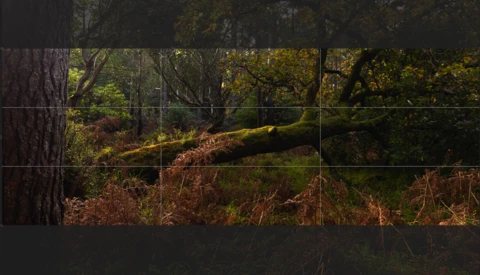
There’s a lot of talk about the Hasselblad XPan, usually centered around the price and the mystique behind that panoramic format. The camera has earned its reputation, and the images it produces have a distinct character. But when you look closely at what makes XPan photographs stand out, it becomes clear that the look is not locked behind a rare film camera.
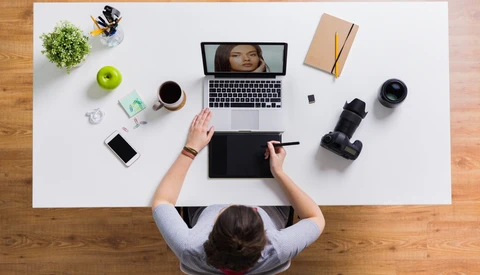
We all want our photos to pop. That desire drives us to experiment with sliders, presets, and AI tools that promise to transform our images into something extraordinary. But there is a fine line between "enhanced" and "radioactive," and most of us have crossed it without even realizing it. Your desire to make a better image is not the culprit.
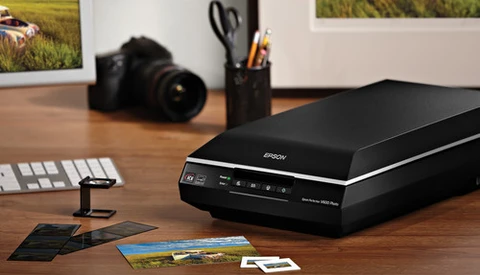
If you spend any time in film forums, you’ll see a familiar pattern: someone buys an Epson V600, scans a roll they’re really excited about, and immediately decides the scanner is trash.
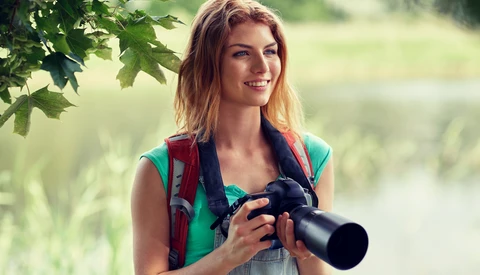
The camera industry enters 2026 at a crossroads. Several long-awaited successors are finally approaching their expected release windows, while other cameras we have been hoping for may never arrive at all. Here's what you can expect.

Ready to level up your photography in 2026? The year’s most significant creative jumpstart is happening at PPA’s Imaging USA, and you don’t want to miss it.
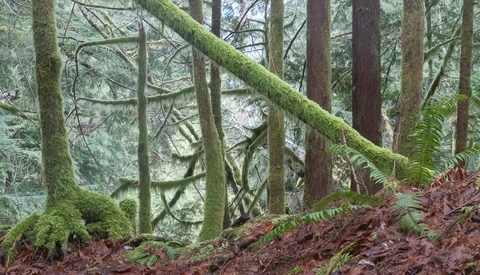
Beginning landscape photographers get bombarded with tips and advice—some helpful, some confusing, some that just get in the way. Here are the five pieces I really wish I hadn’t taken so seriously when I was starting out.
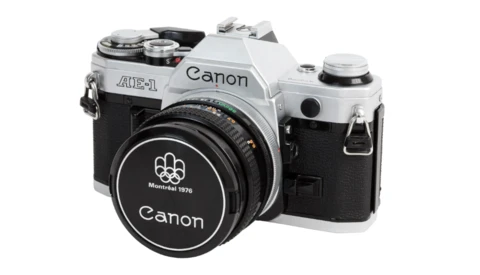
For years, the idea of a retro-styled Canon mirrorless camera lived in the realm of wishful thinking. Forum threads speculated. Rumor sites teased. And Canon stayed silent, content to let Fujifilm and Nikon own a market segment that seemed to grow more lucrative by the quarter. But something has shifted.

By the time I pack up my monopod and walk off the field on a Saturday, my memory cards are loaded with a thousand frames. By Sunday morning, parents are already texting to ask when the gallery goes up. That’s the job: move fast, stay consistent, and tell the story of the game without spending the rest of the week dragging sliders.
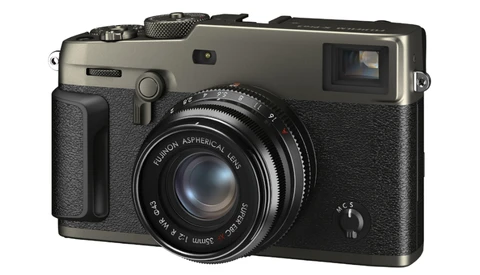
The Fujifilm X-Pro series holds a peculiar place in the camera market. It is simultaneously beloved by its devoted users and seemingly abandoned by its manufacturer.
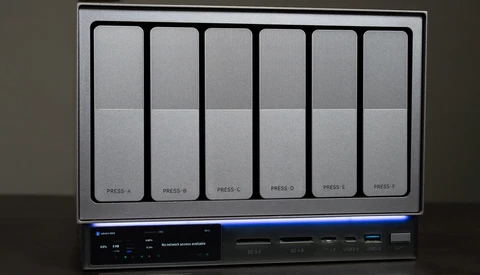
Network-attached storage is like mattress shopping for creators: incredibly useful, rarely exciting. But after trying the Zettlab D6, I came away feeling like this is one of the first pre-built NAS products that genuinely tries to be something more than a black box humming in the corner.
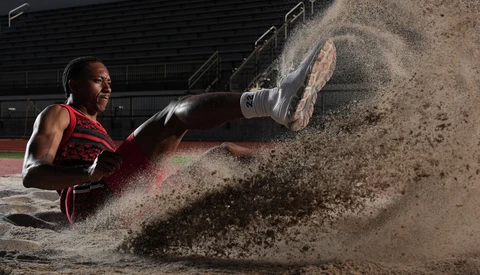
When you shop for cameras online, spec sheets emphasize familiar metrics: 20 frames per second, 30 frames per second, 8K video, blackout-free shooting. These numbers look impressive. They sound impressive. And they are. But they are often misleading when it comes to final image quality.
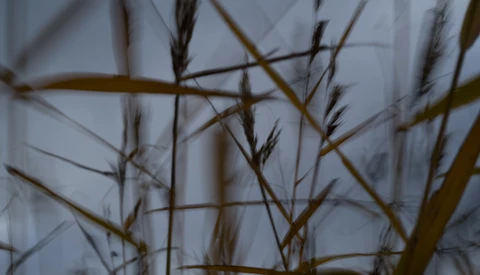
In contemporary photography, effects often look like ideas, and imitation easily appears intentional. Quick visual formulas create an impression of creativity long before any thought has a chance to appear.
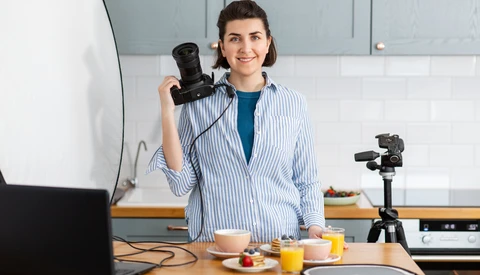
Walk into any camera store and you'll find hobbyists agonizing over sensor specifications and professionals grabbing whatever battery is compatible with their current kit. Spend time at a wedding venue and you'll watch amateurs fiddling with settings while the hired photographer works the room like a chess grandmaster three moves ahead.

Film photography has experienced a remarkable resurgence over the past decade, drawing in photographers who crave something tangible in an increasingly digital world. But here's the uncomfortable truth that nobody mentions in those dreamy Instagram posts of vintage cameras and coffee shop aesthetics: film is expensive.

Digital media files have grown enormously, driven by high-resolution sensors, uncompressed raw data, and the demand for high dynamic range. Every frame now carries extensive metadata and integrated data, often reaching tens or hundreds of megabytes.
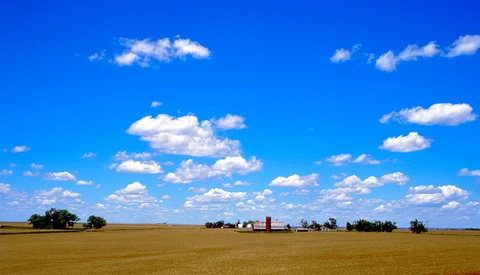
On the rig, the camera only came out on the easy days.
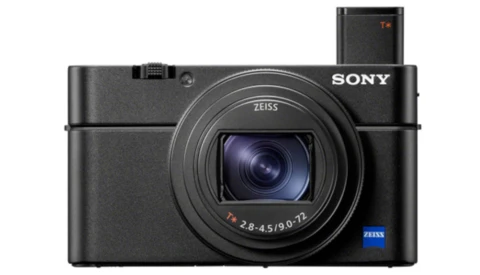
For roughly seven years, the Sony RX100 was the default recommendation for anyone seeking a serious pocket camera. When Sony launched the original RX100 in the summer of 2012, it didn't just release a camera; it created a category.
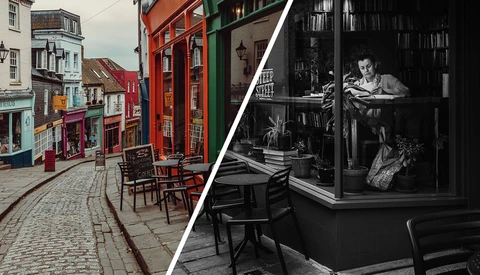
In a world oversaturated with colorful images showcasing the latest trends in color editing effects and presets, I’m seeing a quiet and growing resurgence of black and white photography. Why is that? I believe it’s a mix of nostalgic, emotional, and creative reasons. Some of us are seeking to create images with more meaning and purpose. Let’s dive in and discuss.

The compact camera was supposed to be dead. For the better part of a decade, that was the industry consensus. Smartphone cameras got good enough, the logic went, and nobody needed a separate device just to take pictures. The numbers supported this: from a peak of roughly 120 million units shipped in 2010, compact camera sales collapsed to a small fraction of that by the end of the decade.

Let's address the elephant in the room: shooting film is expensive, and it's only getting worse. We all love the aesthetic, the satisfying mechanical clunk of a manual shutter, and the deliberate slowness that forces us to actually think before we press the button. But somewhere between the nostalgia and the reality, the math stopped making sense.
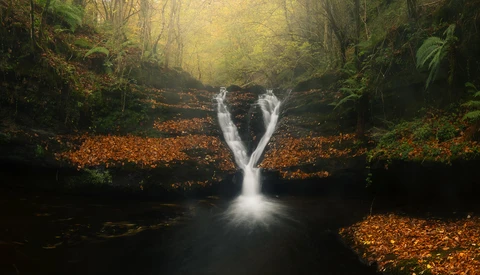
The Fstoppers community is brimming with creative vision and talent. Every day, we comb through your work, looking for images to feature as the Photo of the Day or simply to admire your creativity and technical prowess.
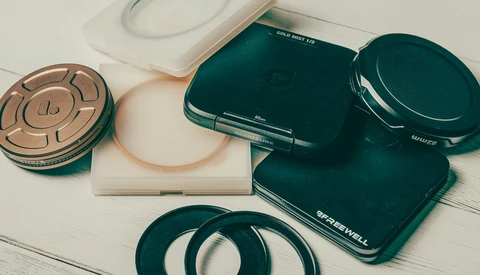
I should say "My Essential Lens Filters." I get a lot of people asking what I use, so I thought I’d share what they are. I have a few filters that go everywhere with me. Sometimes they reside in a backpack when on an outdoor adventure, or in a small shoulder bag when exploring urban environments.
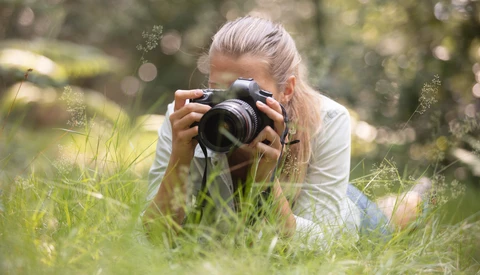
Global shutters have long been considered the holy grail of professional cameras, and they're now here. Do you really need one, though?
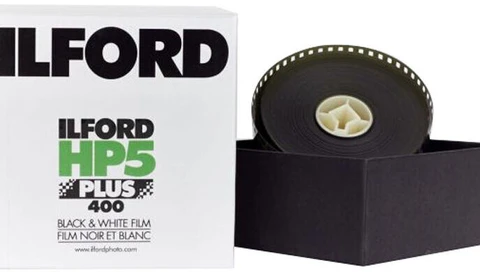
Film prices aren’t creeping up anymore; they’re sprinting.