
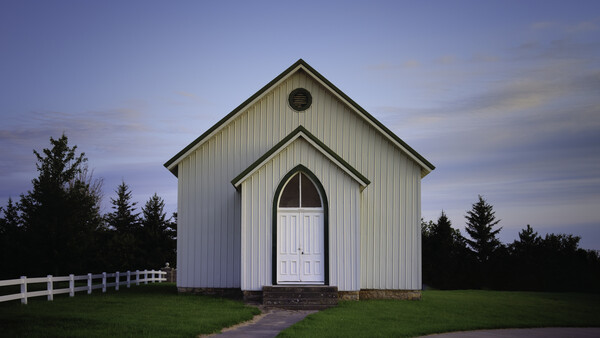
Most of us overlook great images not because we fail to see them, but because we stop at thinking, "That's a nice picture." A picture serves as proof that you were present; a photograph shows you made deliberate choices. Here's how to transform quick snapshots into purposeful photographs, both in the field and during editing.
The Argument You Didn't Know You Were Having
How many times have you come home with "good pictures," only to realize that you really like none of them and they don't feel like you? At some point, I think every photographer has a moment when this happens. Why does this happen? I think it comes down to this: picture vs. photograph. Even when we talk about photography, we use both of these words with the same meaning. Is that correct? Maybe I shouldn't ask if this is correct; a better question is, do these two words have the same meaning? We loosely use these two words interchangeably, but there is a difference between a picture and a photograph.
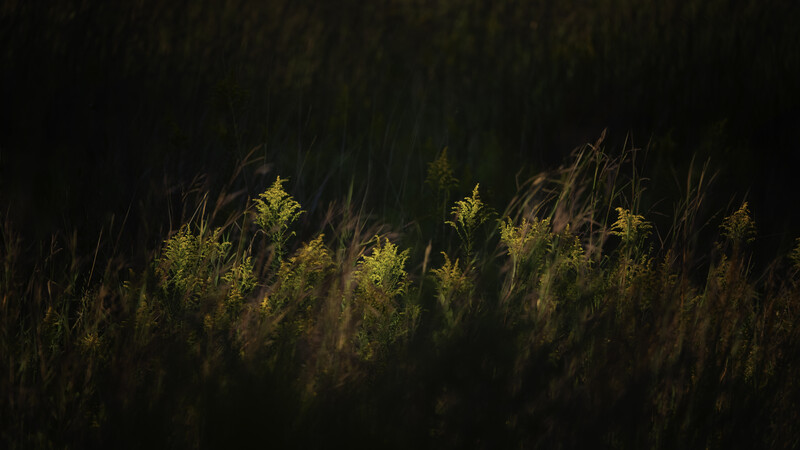
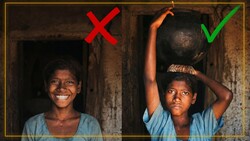
I saw it, and then I got it. This is a quick, reactive sequence of movements that can effectively illustrate a "picture." This is often driven by novelty, convenience, and even habit. We are merely raising the camera and taking a picture. It becomes a point where we are just capturing a frame, with no intent or thought, and we move on. This is a picture.
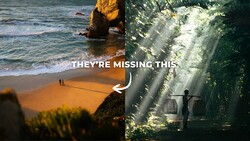
Framing, timing, and the relationships among elements are essential in creating a photograph. Our photographic process begins with a clear intention, deciding what to highlight and what to leave out. We then translate this intent into our work, aiming to evoke an emotional response from viewers. Ultimately, this is a photograph.
Is making a picture versus a photograph wrong? No, there are just two ways of working, and each has its place in time. We are not going to be making photographs all the time; there is a time and place where it makes no sense to create a photograph, and a picture is the correct way of working.
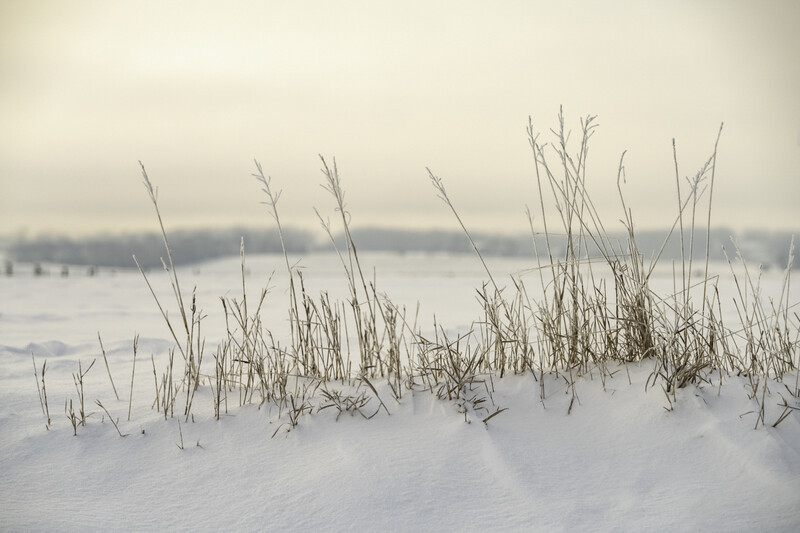
The Real Difference: Intent and Decision-Making
If we start looking at the two, one thing comes to mind that they have in common: decisions have to be made in both scenarios, whether we're creating a picture or a photograph. To break the two down further, a picture involves one decision, whereas a photograph involves multiple layers of decisions, differentiating the two.
A picture has only one decision to make: take the picture. We're capturing a scene once and moving on, with zero intent to be found. No thought to exposure, composition, or creative decisions to be made. Again, it's just another way of working, not wrong. There is a time and place for a picture to be made.
A photograph illustrates a series of decisions that need to be made. Choices regarding exposure and composition are deliberate and intentional; we are not merely clicking the shutter to create an exposure. If you break down the steps required to create a photograph, it can seem overwhelming. Having a process will help alleviate anxiety, and you will start to create more consistent images. The biggest part of creating a photograph is intent. We're not just taking the picture and moving on; we're deciding:
- Where you stand
- What you include or exclude
- When you press the shutter
- How you interpret it later in editing
- Lens choice
- Composition
- Depth of field
At the same time, we also need to remember not to say no to every picture that presents itself; they can be turned into a photograph with intent. By saying yes, we put ourselves into the game of creating a photograph. Staying longer turns the scene in front of us into something deliberate.
If you're still developing your eye for intentional image-making, Photography 101 is a great foundation to build on.
The 'Picture Traps' We All Fall Into
Often, we fall into traps that lead us down the path of creating a picture rather than a photograph, and it's easy to do. By being more aware of creating photographs rather than just taking pictures, it is easy to overcome these obstacles.
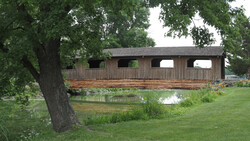
The Postcard Trap: The age-old postcard trap. Pretty scene, great result — or so we think. When in reality, a pretty scene equals a generic result. We fall into the trap of thinking that if the scene is pretty, the weight of the scene holds itself and we've created an epic result, when in fact we've created a picture. We're relying on the image itself, not on ourselves, to tell the story.
The Fear/Gear/Trust Trap: We trust our gear, not ourselves, to create a photograph. The bigger, newer, and better the lens and camera we have, the better the results we will deliver — when in fact the cheapest gear is ourselves and our intent.
The Checklist Trap: The light isn't perfect, so we tell ourselves no and decline to create a photograph. In reality, if we use intent, we can create an image. It might not be the original idea we had envisioned, as the light wasn't the way we wanted, but if we take the time and think, a photograph can and will be made if we allow ourselves to.
The Internet/Social Media Trap: Ah, the internet — a curse and a blessing. It can teach us so much and also strip us of even more. We decide to chase what is proven and what we know works to improve performance, rather than what we actually see or can create.
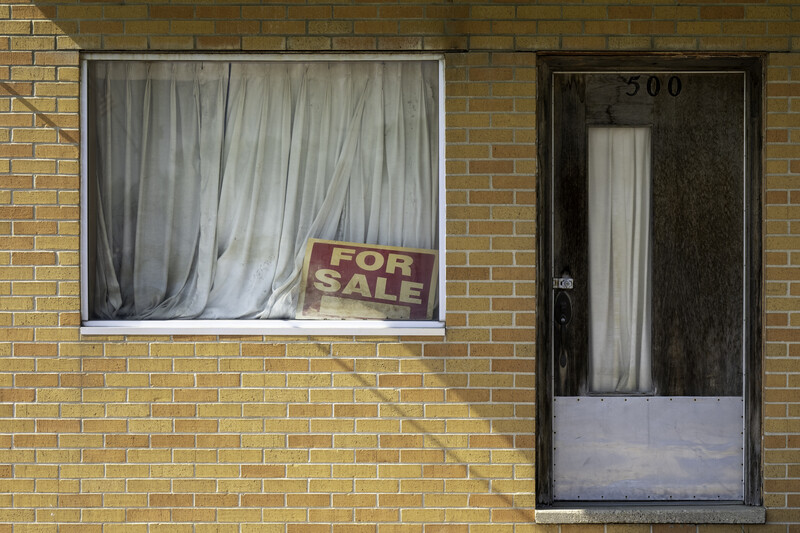
How to Turn a Picture Into a Photograph in the Field
Every photographer needs a process they can use effectively in the field each and every time. This will lead you to making a photograph versus taking a picture. With this in place, one can start to create more intentional and consistent photographs. Here are actionable, step-by-step tools:
- Stay three minutes longer than you want to.
- Work the edges: what happens if you remove 20% of the frame?
- Change height and distance: low, high, closer, farther.
- Wait for the "one thing": gesture, car, cloud break, glance.
- Make three versions: wide/context, medium/story, tight/abstract.
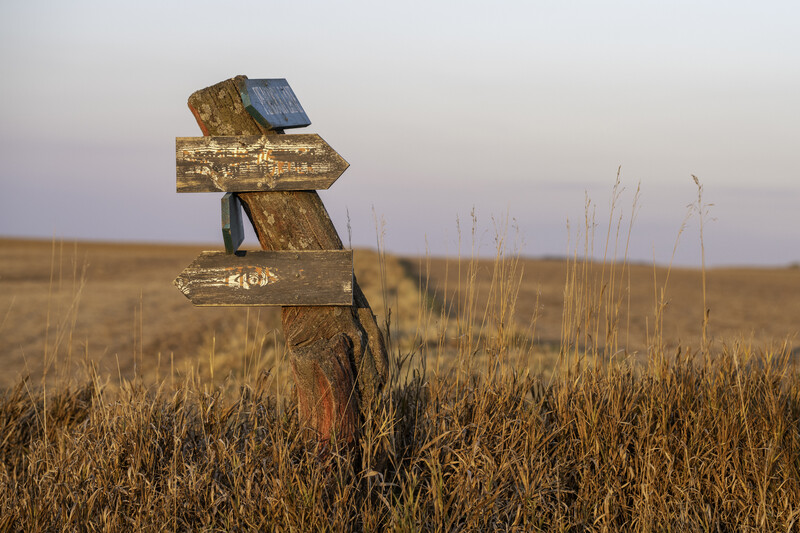
Composition Isn’t Rules—It’s Relationships
It only takes a simple shift in mindset to start creating photographs. We make the composition of our images too complicated at times. Here are a few quick things to think about that can make for better photographs:
- Subject-to-background relationship
- Figure/ground separation
- Layers and depth
- Tension vs. balance
- Repetition, echo, interruption
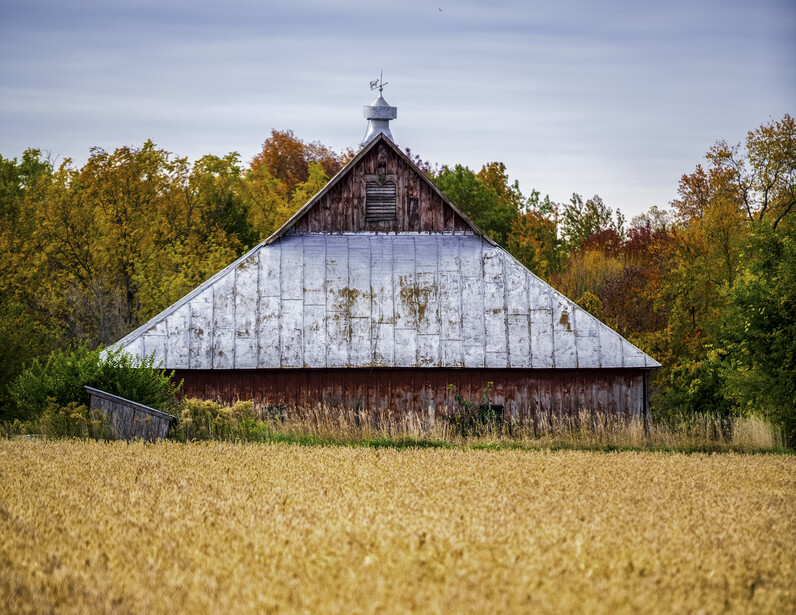
The Darkroom Is Still Part of Photography (Even If It’s Digital)
Some argue that editing in the traditional or digital darkroom is wrong, and that images straight out of the camera are the only way if you want to be a "real" photographer. Unfortunately, they are mistaken, as even some of the most influential photographers of our time used the darkroom. Photographs are finished, not taken.
Editing Is Interpretation, Not "Fixing": Each time you raise the camera to your eye and fire the shutter, you interpret the scene. Your choices of exposure, composition, color, tone, depth of field, and lens choice are a few ways you interpret the scene for the viewer. Editing is no different; you can interpret the scene as you actually saw it, or represent it in a more creative way.
Cropping Is Composition: Cropping after the fact is no different than cropping with your lens in camera. There are times we don't have time to compose the image as it is happening, and there is no time to spare. Again, there is nothing wrong with this approach.
Printing as the Final Filter: Pictures fall apart after printing, while photographs hold up. Even our choice of paper is a way we can create a photograph rather than a picture. Paper has unique characteristics that allow us to interpret the scene as we want the photograph to be viewed.
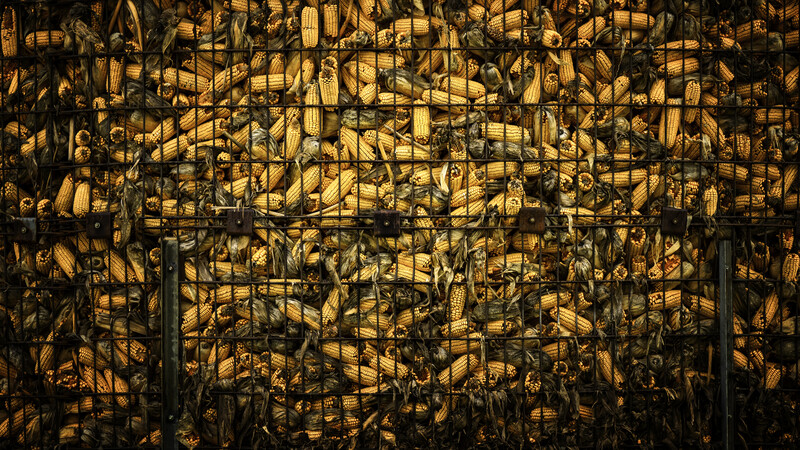
When a Picture Is Enough (and That’s Fine)
Pictures and photographs have their time and place. There is no shame in taking a picture versus a photograph. Family moments, travel memories, and documentary notes are all examples of a picture, but they can also be turned into a photograph if you choose to, and it all comes down to the purpose. I probably don't need a photograph at a family reunion — normally we just want to capture the moments and record a place and time. If I am on a once-in-a-lifetime trip, I am more than likely creating both a picture and a photograph. I am taking a picture to document my trip and also creating a photograph. Why? Because I am a photographer.
In the End
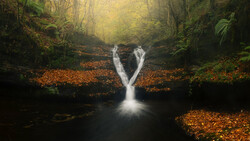
After all is said and done, there is a place and time for creating a picture versus a photograph, and that choice comes down to your sole purpose. But an easy way to remember whether you want to take a picture or create a photograph is to remember this one thing: a picture proves you were there. A photograph proves you saw something.


Join the Fstoppers community for free
-
Post comments and join in the discussions
-
Browse the site ad-free
-
Share your work and get featured in the community
-
Compete in the photo contests for fun and prizes
12 Comments
I really appreciate this post. Thank you. It's not a right or wrong approach to photography, which I really appreciate; more focused on intent and opportunity.
The two things that connected with me (that I think will make me better): take longer at the scene than you planned and take images across a range of compositional options. That time in the field is the best time in the world.
Thank you!!
Glad you enjoyed it!
Outstanding article. I especially appreciate the suggestions for “working a scene.” I think this quote sums it up: "Beauty can be seen in all things, seeing and composing the beauty is what separates the snapshot from the photograph." — Matt Hardy
Thanks! Glad you enjoyed it!
+dont try to be a youtuber at the same time. Take photographs, dont make video.
The light switch turned on the moment I stopped using zooms.
I saw a used Zeiss 50mm for sale, was curious so I bought it. It wasn’t a quick transition; It took a few months or so, but I set up a few exercises and one of them was “today, I’m only taking the 50mm with me and leaving everything else home”.
I learned a lot by doing that, not least of all was discovering that an image isn’t the same image when you’re using a 28-300 zoom, as it is when you’re walking up to it and shooting a 50.
Your entire perspective changes, quite literally, when you’re forced to actually compose an image by moving yourself about, rather than zooming in and out.
Perhaps one of the most appropriate descriptions of composition and general photographic approach. It's not rules, it's relationships. I'm going to steal that line.... Another awesome piece, Justin.
Thank you! Glad you enjoyed it. I have been trying to write more of these type of articles!
In the German language (and many others) you "make a photograph". In English, we use the verb to take - we "take a photograph". It's a seemingly subtle distinction, and yet hugely important.
Your excellent article explains this well.
Thanks you!
I really like this distinction. A picture shows what was there, but a photograph shows how you saw it. Enjoyed the read and the reminder that intent matters. Thank you!
Paul Tocatlian
Kisau Photography
www.kisau.com
Thanks!