
There are so many fabulous prime lenses that have been launched these past 12 months—and continue to be launched—it’s hard to know which direction to go if you’re looking to buy a new one. The choice can be overwhelming and confusing.
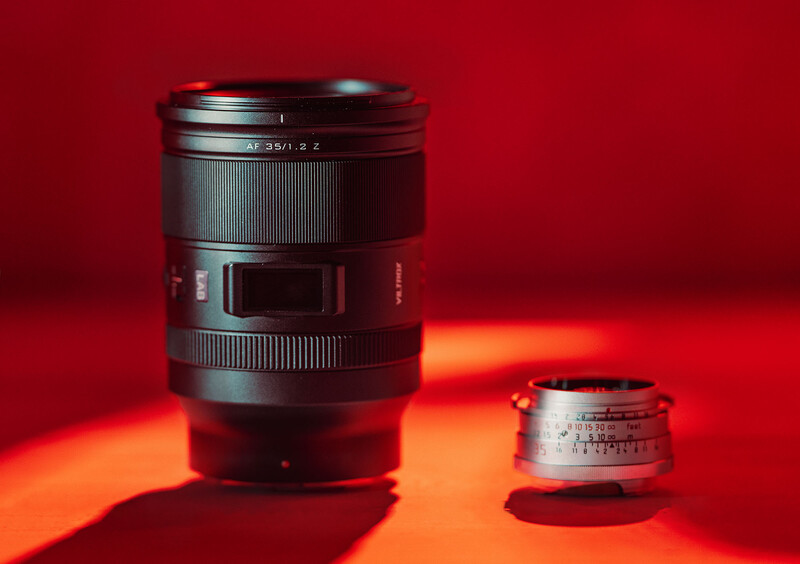
An example that has stood out for me recently is 35mm primes. Viltrox has an astoundingly good, yet large, 35mm f/1.2 LAB. In comparison, there’s Artizlab’s tiny Classic 35mm f/1.4. Two 35mm lenses new to market, both shoot very fast. One weighs around 970 g—the other, a mere 157 g. It is quite a difference.
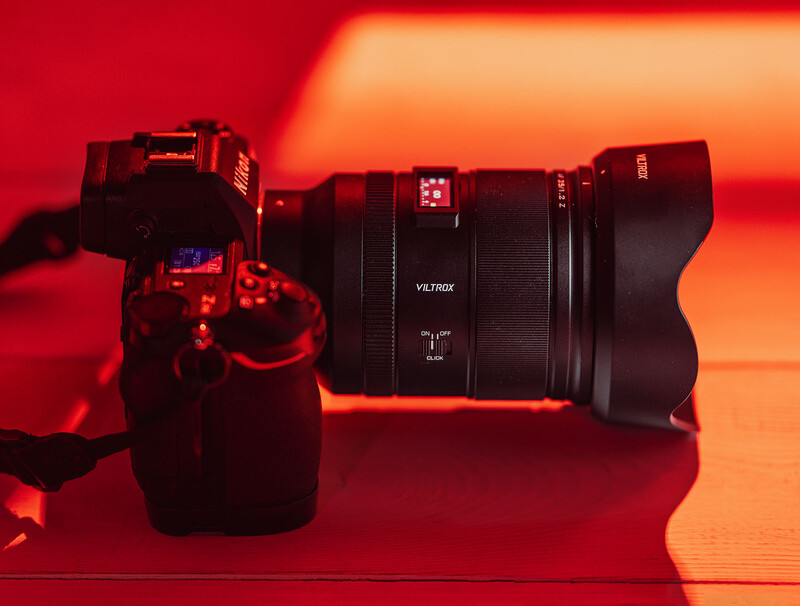

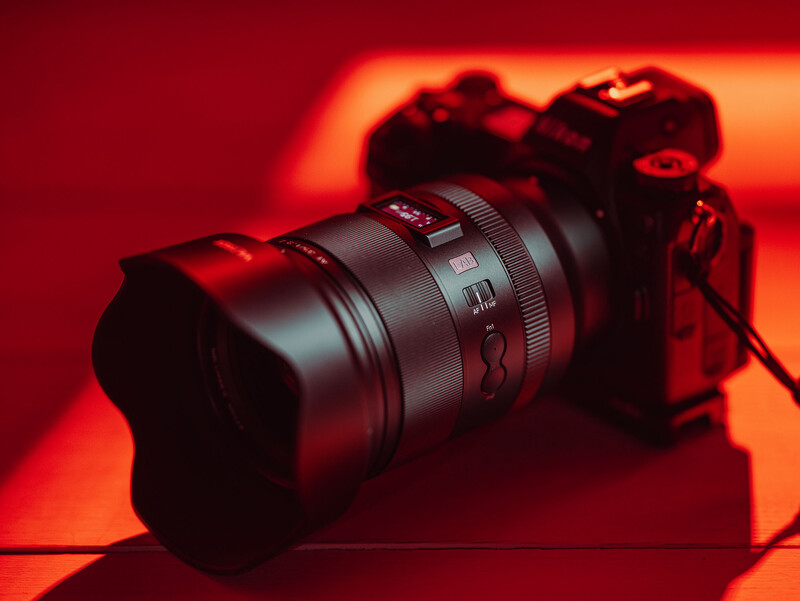
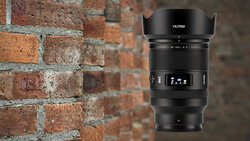
Viltrox AF 35mm f/1.2 LAB for Z and E
The Viltrox is a serious lens. It gets the job at hand done quickly, without fuss, and without compromise to quality. It’s perfect for event and wedding photographers.
It’s state-of-the-art, with lightning-fast autofocus subject tracking powered by a Quad HyperVCM motor. It features:
- Programmable function buttons to improve workflow speed
- A customizable color LED screen
- Firmware updates via a built-in USB-C port
- Weather sealing
- Multi-layer nano coatings that reduce flare and ghosting
- Lens elements (15 total), including high-precision UA aspherical elements and ED low-dispersion elements, delivering exceptional resolution and smooth bokeh
This lens is a technological beast, currently available for Z and E mounts. If speed and image quality are important, this is about as good as it gets for the price.
The Artizlab, in contrast, is none of these things.
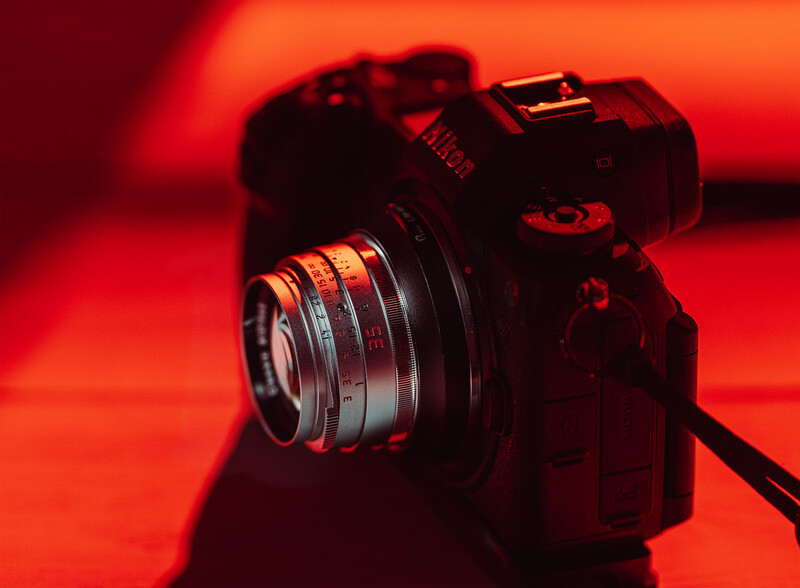
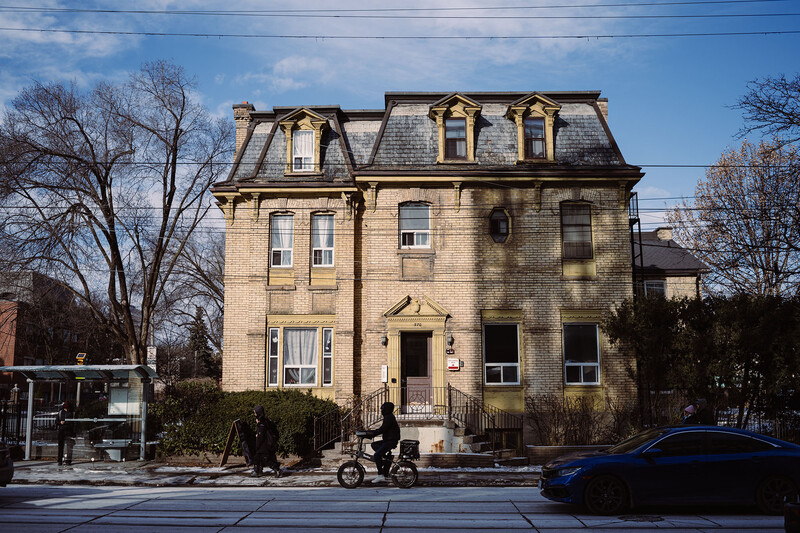
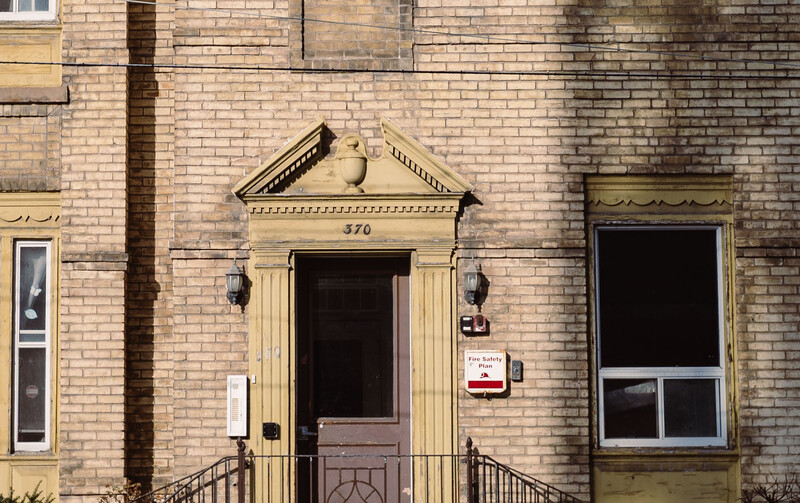
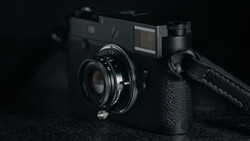
Artizlab Classic 35mm f/1.4 for M
The Artizlab turns the technology clock back 60–70 years. It’s a replica of the iconic Leica Summilux 35mm f/1.4 pre-ASPH version 2 from the 1960s. It’s a fun lens that allows you to be part of the image-making experience. It’s perfect for general photography when slow and thoughtful is the priority, or when you need to zone focus and grab quick candid shots on the street.
This little 35mm is manual focus, and there’s none of the delicate focus-by-wire nonsense here; it’s a good old-fashioned, solidly made helicoidal design. It features a locking infinity ring—that’s as high-tech as things get. In fact, that feature was on the original Leica version when it first came out in the 1960s and was subsequently dropped from future versions. I found out why.
The Classic is available in black or silver. Its build quality is solid, made from aluminum and copper. The distance markings are engraved and filled with paint—I miss that functionality on modern autofocus lenses. The thing that impresses me most is the size of this lens for an f/1.4.
The only annoying issues I encountered with this little lens are the minimum focus distance of around one meter and the infinity lock. I took a portrait of two friends at a restaurant and had to move back from them to get focus, and when I did, I found myself fighting the lock. Slightly annoying, but certainly not a deal-breaker. The minimum distance is typical of older M lenses—something Leica users have to get used to.
The Artizlab Classic 35mm f/1.4, unlike the Viltrox 35mm f/1.2 LAB, is far from perfect optically. It’s soft in the corners and has vignetting and aberrations. But honestly, I couldn’t care less. If you want technically perfect, clinical results, buy a modern lens. Buy the Viltrox. This lens, and all its imperfections, gives you character. I love it.
Dilemma
We have two extremes here. Which route do you go?
Do you buy a big, heavy lens perfect for low light, with quick autofocus and exceptional image quality—a lens that draws attention, shouting “pro camera gear”?
Or do you go the tiny, optically imperfect, manual focus route—a lens with character that barely gets noticed when out on the street because it’s so small?
Being presented with so much choice, this has become my dilemma, but I do have an answer.
Get both.
Street Photography
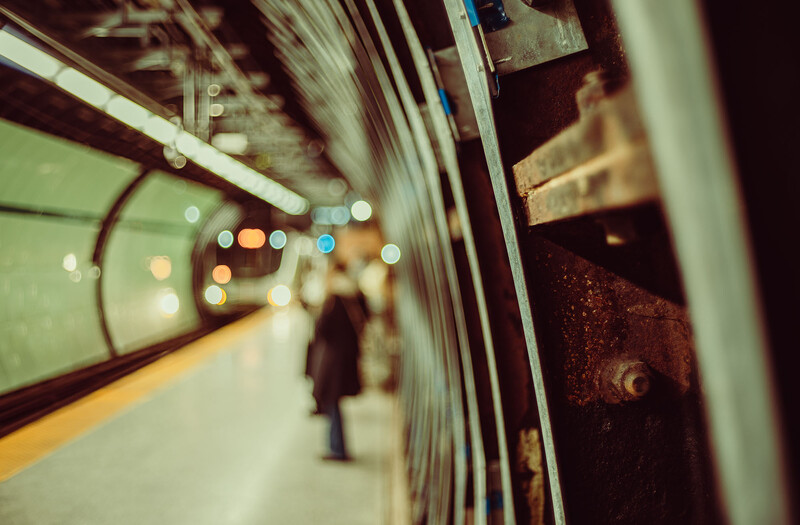
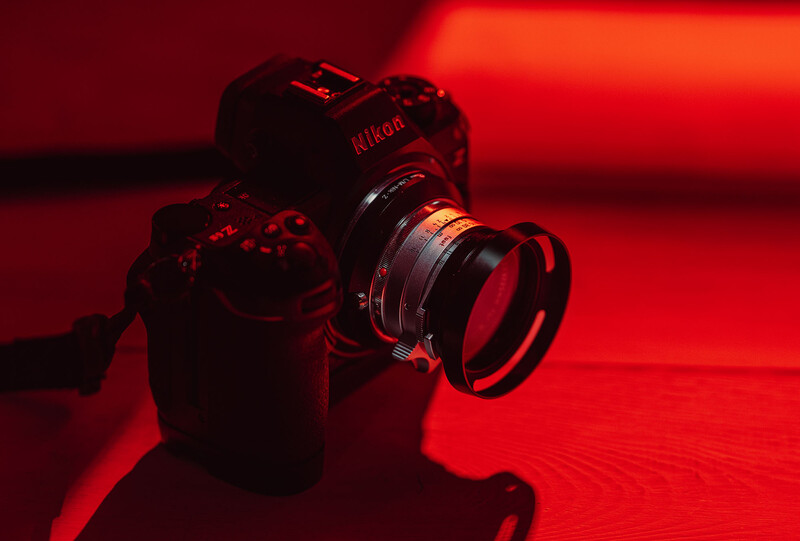
I’ve been using the Artizlab for street photography on my Nikon with an optional adapter—and on my Leica film camera. It works really well in both cases, and it’s a bundle of fun, too.
Manual focus is the better option for street photography if you use zone focusing, which I do most of the time. I set my focus distance and forget about it. When I take this lens, I’m traveling light and don’t need anything more than a tiny shoulder bag with me—perfect for walking the streets. I don’t really need a very fast lens for street photography, as I prefer to shoot at f/8 or f/11 when zone focusing. Although, being an f/1.4, it’s very handy for low-light shooting, and I’ve taken advantage of the wide aperture many times already.
Travel Photography
For general travel photography, I don’t need to be quite so stealthy a lot of the time and tend to use autofocus more than I do for street photography. I also shoot in low light when traveling, indoors and at night. So having a faster lens is more essential than it is for street photography.
I’ve used the Viltrox AF 35mm f/1.8 for the past few years and really love it, so does it make sense to increase my weight and use the f/1.2 LAB version instead? This beast gives me an extra 1.2 stops of light, which is a very significant amount. And if I need to separate my subject using depth of field, this is the lens to use.
If I’m traveling with just one lens, I don’t mind taking the f/1.2. If I want to take 2–3 lenses, then it becomes a problem, but most of the time, I would still choose it. The size and weight I can accept, because the ease of use and resulting image quality is so good.
The Viltrox AF 35mm f/1.2 LAB Z/E mount retails at $899.
The Artizlab Classic 35mm f/1.4 M mount retails for $539.

Join the Fstoppers community for free
-
Post comments and join in the discussions
-
Browse the site ad-free
-
Share your work and get featured in the community
-
Compete in the photo contests for fun and prizes
12 Comments
1. why no Nikon Z 35mm f/1.2 comparision and yes it costs 3250 euro
2. saw no mention of the legal proceedings nikon has opened against viltrox
3. would have been great if you had shot the same images with both lens
I do agree about taking the same shot with both lenses.
Not much of a prime user BUT I bought the Viltrox AF 35mm f/1.2 LAB FE Lens (Sony E) very recently while looking at the price and it is a AF, Talk about heavy and big I have not put on any of my Sony cameras mainly I do not believe the mount would hold it. The key reason for getting is it is at the start of Milky Way season and was looking at getting a little closer look image with detail of all.
I have a number of 35mm's from my first not a prime but a telephoto the FE 16-35mm f4 ZA OSS and use back in bought in 2015 as a starter lens but one cold morning I came across some Ice Flowers (unknown as to what they where called) on a knoll in back of a farm house leading down to a creek. I had my A7S and a number of lenses but choose this one just very fast and at the time had any idea of Macro photography, but this lens got me very close at 35mm and having OSS on a non IBIS camera made things better. I did about three days of capture with it.
Like you say here 35mm is a good MM to use BUT one thing I did not look at was OSS/IS of the lens. That is one thing, I believe, that Primes do not have and yes todays mirrorless cameras today have IBIS but that OSS/IS give a "Z" stabilization add.
I used the Canon Film FD 35mm f/2 many times before getting more Sony Lenses back in 2015-16 years, It was learning time, had no problems with stable images. But before buying the big lens I for got that I could us my old FD lens for I will be on a tripod doing a long exposure.
I give all this info to just remind there are also other options for fast glass just like the article was stating about hard choices of what to put in a bag, Also remember with mirrorless cameras today not only Sony cameras there is that MF your choice of color focus area option that if you are fast like the film days of manual focusing some times AF does not matter also.
Just stating some thoughts about choices!
A solution looking for a problem. My new IPhone 17 has me using my camera less and I am enjoying picture taking much more.
Honestly not sure why you would bother wading in here then. Perhaps suffix 'a solution looking for a problem' to include 'for me'
Just an honest comment on a peculiar subject. Yes obviously it is "for me" sorry for wading in.
Why would you think this is a peculiar subject? As someone who loves to travel, using small cameras and lenses has a huge impact for many reasons. I find it interesting that there are two new 35mm prime lenses on the market that a significantly different in size, and think this is an interesting topic worth discussing. Hardly a solution looking for a problem. If you use an iphone for photography, why click on this article and read it? It looks like you have a solution looking for a problem!
Interesting. I too do not enjoy lugging a boat anchor around as camera gear. But I almost never take photos with my S24 Ultra. I hate holding it for photos, and the heavily baked HDR combined with poor quality, comparatively, just annoys me.
FMPOV the one issue at the moment with the GFX system, apart from the 50mm, would be nice to have a couple of small primes, within the bounds of MF of course
And then there’s the handy middle ground. The core of my prime kit for event work is Samyang’s 35/1.4 Prima and 85/1.4 MkII - good performers at good prices that are also the smallest and lightest AF lenses of their type. Aside from the 14/4 Air, the Viltroxes are just too big and heavy.
Don't forget the other 2 AIR and the EVO lenses from Viltrox.
I’ve already got Samyang 45/1.8 and 75/1.8. Had ‘em for several years already. No interest in a 50/2 or 85/1.8.