



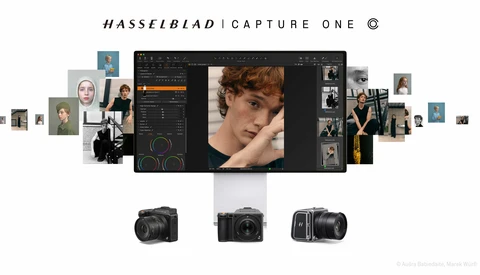
Hasselblad Files Now Open Natively in Capture One
For years, the workflow gap between Hasselblad and Capture One was one of those quietly frustrating facts of professional life.
For years, the workflow gap between Hasselblad and Capture One was one of those quietly frustrating facts of professional life.
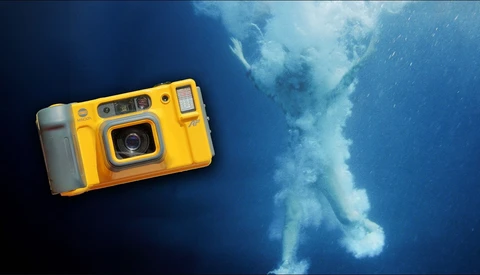
Shooting a rocket launch at 1:30 a.m. from Morro Bay, photographing a trip to Maui with a $35 underwater film camera, and spending a week with a Lotus Emira press car on a dry lake bed: Willem Verbeeck packed a lot into the last couple of months, and this video covers all three projects.
Shooting film and actually sitting down to review what you got are two very different experiences, and watching someone do it honestly, including the frames that didn't quite land, is one of the more useful things you can find on camera YouTube right now.
Most photographers meet bracketing exactly once, in a tutorial about high dynamic range landscapes, and walk away thinking it means "shoot three exposures and merge them." That is one kind of bracketing. There may be two more sitting in your camera's menu right now, and most people never touch them.
Three Lightroom Classic editing tricks can quietly transform a photo from flat to finished. These are the kind of layered, mask-based techniques that separate a polished edit from one that just looks "processed."
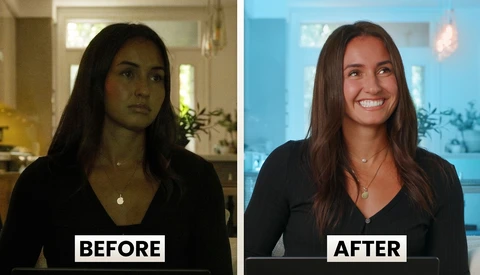
Lighting a home studio well is harder than most people expect, and the gap between flat, lifeless footage and something that actually looks intentional usually comes down to a few decisions. Getting those decisions right early saves you from buying gear you don't need and reworking your setup from scratch later.
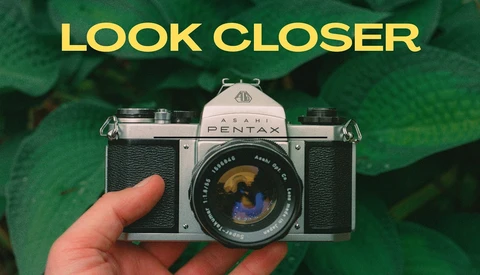
Feeling like your life isn't interesting enough to photograph is one of the most common reasons people stop shooting. It's also one of the most fixable.
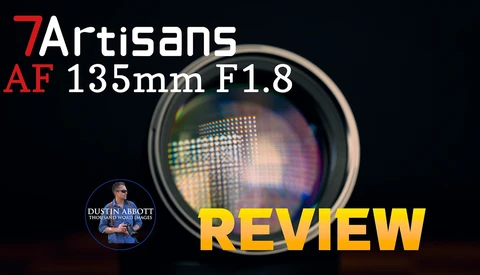
The 135mm autofocus lens market has gotten crowded fast, with options from Samyang, Viltrox, and Sigma all competing for your attention on Sony E-mount, Nikon Z-mount, and L-mount. The 7Artisans 135mm f/1.8 enters that field with the lowest MSRP of the group at $689, but price alone isn't enough to stand out when the competition has had years to mature.
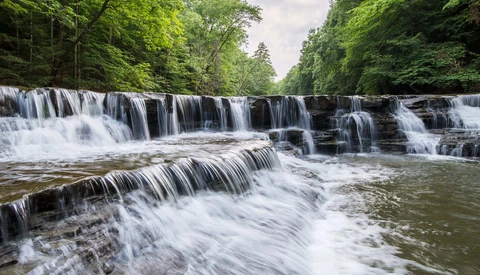
Every photographer makes these. The difference between someone who improves fast and someone who plateaus isn't talent; it's how quickly they stop repeating the same fifteen errors. None of these require new gear or more money to fix. Most take a single setting change or a shift in habit.
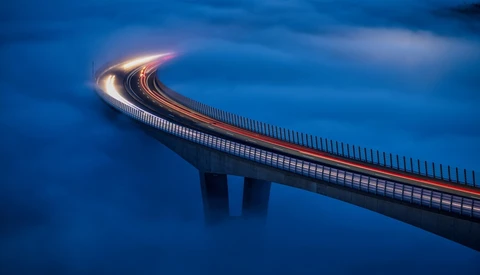
The Fstoppers community is brimming with creative vision and talent. Every day, we comb through your work, looking for images to feature as the Photo of the Day or simply to admire your creativity and technical prowess.
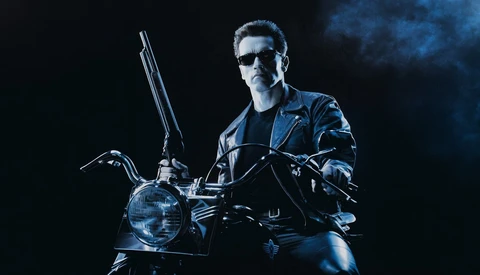
Terminator 2: Judgment Day turns 35 this year, and it still looks better than most action films being made right now. The reason isn't budget or nostalgia. It's a set of deliberate filmmaking decisions that hold up under scrutiny.
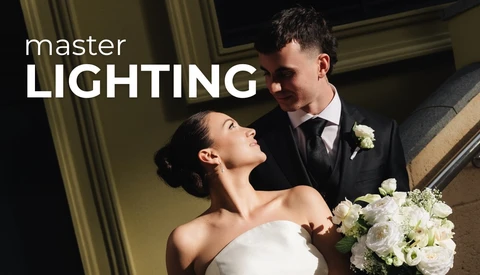
Lighting is the single biggest variable that separates wedding photos that look polished from ones that just look okay. Unlike studio work, weddings give you no guarantees: harsh midday sun, deep shade, candle-lit receptions, and everything in between can all show up in a single day.
Seven photographers have been named Hasselblad Masters for 2026, chosen out of 70 finalists that the competition pulled from a pool exceeding 108,000 submissions sent in from 160 countries and regions. The seven categories this year were Landscape, Architecture, Portrait, Art, Street, Wildlife, and Project//21, with one winner in each.
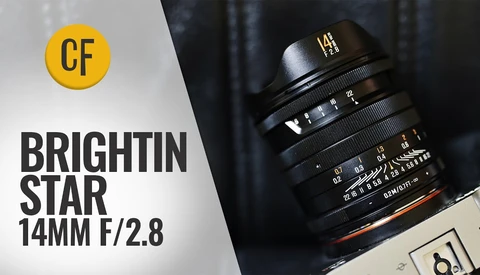
Ultrawide lenses used to cost a fortune. A full frame 14mm f/2.8 from Canon or Nikon ran around $1,500 just over a decade ago, which put serious glass out of reach for a lot of people. Budget manual focus alternatives have changed that equation, and the Brightin Star 14mm f/2.8 is one of the most affordable yet, coming in at around $279.
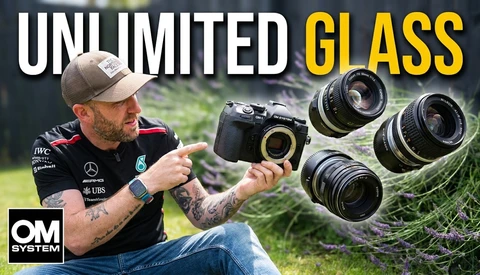
The Panasonic Lumix GX8 is a Micro 4/3 camera, and that small sensor size gives it one genuinely unusual advantage: you can mount almost any lens ever made on it, from almost any manufacturer, as long as you have the right adapter.
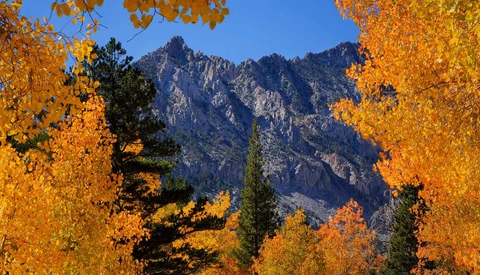
One of the first real decisions a new photographer faces is sensor size, and it arrives wrapped in more anxiety than it deserves. The internet will tell you that full frame is "professional" and APS-C is "entry level," as if the sensor inside the camera decides whether your photos are any good. It does not.
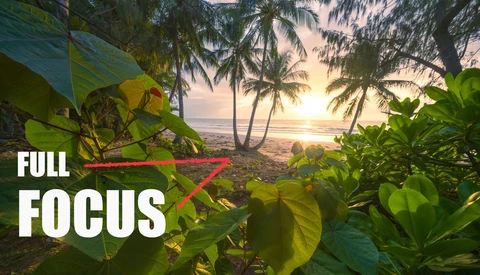
Photographing palm trees on a tropical coastline sounds straightforward until you're actually standing in front of a tangled cluster of trunks, messy sand, and scattered coconuts with no obvious composition in sight. Finding a shot that goes beyond a simple silhouette takes deliberate thinking about separation, foreground interest, and depth.
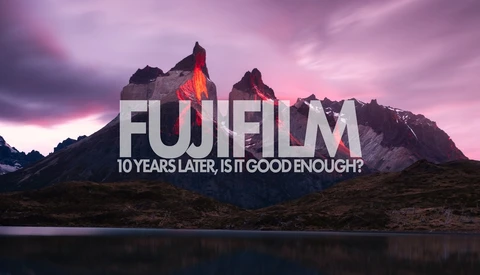
Fujifilm's X system has been a quiet workhorse for serious landscape work for over a decade, and the debate about whether crop sensor cameras can hold their own professionally never really goes away. Andy Mumford's answer, built on 11 years of real-world use across five continents, is worth paying attention to.
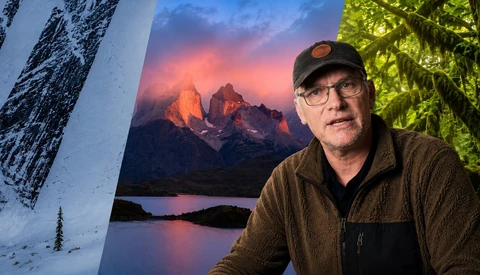
Chasing dramatic landscapes and remote destinations is easy to justify when the results look stunning on social media. But Adam Gibbs, who has photographed Antarctica, Patagonia, Iceland, and the Canadian Rockies, has spent years questioning whether spectacular scenery actually produces better photographs.
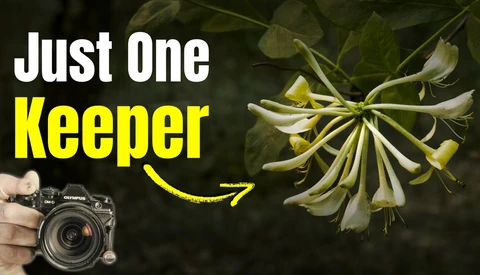
Shooting in summer woodland feels like a compromise before you even start. The light is harsh, the shadows are heavy, and translating a complex three-dimensional forest into a compelling two-dimensional frame is genuinely difficult.

If you fly with a camera bag, 2026 is the year the gate finally caught up with you. The bag that "always made it on" for the last five years is now getting weighed, measured, and gate-checked with a consistency that did not exist before. For most travelers this is an annoyance.
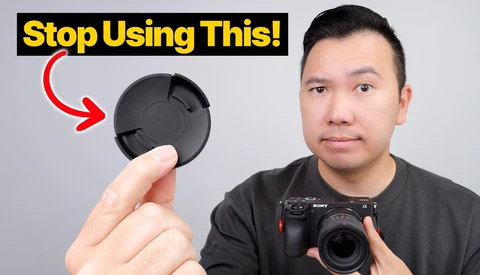
Putting your lens cap back on after every shot is costing you photos. It sounds like a minor habit, but when a moment happens in front of you and your hands are fumbling with gear, it's gone.
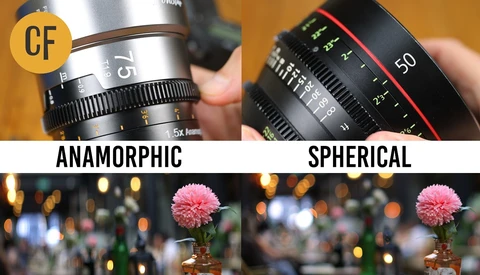
Anamorphic lenses produce a look that's immediately recognizable: stretched bokeh, horizontal lens flares, and a cinematic quality that's defined Hollywood films for decades. The question most people face is whether that distinctive look is worth the tradeoffs compared to a conventional spherical lens.
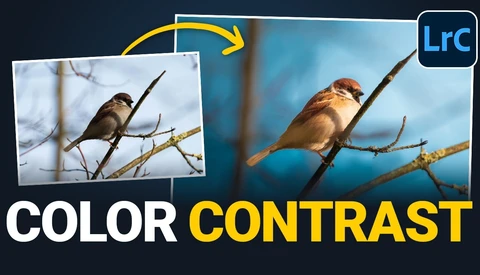
Bird photography is brutally unforgiving when it comes to editing. A dull background, clashing colors, or a flat-looking subject can kill an otherwise great shot, and getting it right in Lightroom takes a specific sequence of decisions that most people skip.
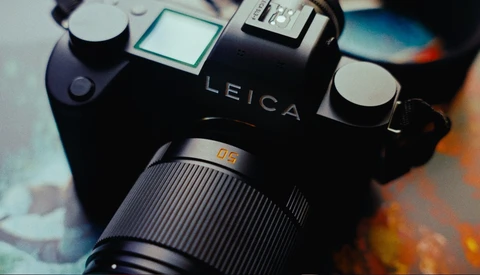
The Leica SL3-P positions itself as Leica's answer to a problem that has frustrated SL system users for a while: you had to choose between the video-focused SL3-S and the resolution-focused SL3, and if you shoot both stills and video seriously, neither option was a clean fit. The SL3-P sits between them, and Leica calls it the best camera they've ever made.
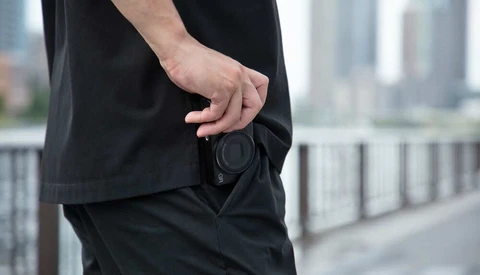
The compact camera is having a genuine revival, and it has caught the industry slightly off guard. Models that sat ignored for years are now selling out, prices are climbing, and manufacturers that abandoned the category are scrambling back into it.
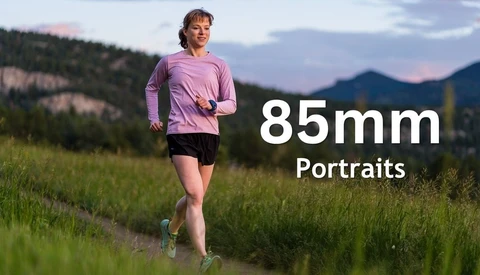
Buying an 85mm lens is one of the most common moves in portrait photography, and it's also one of the most misunderstood. The lens has a reputation for good reason, but the way most people use it wastes most of what makes it worth owning.
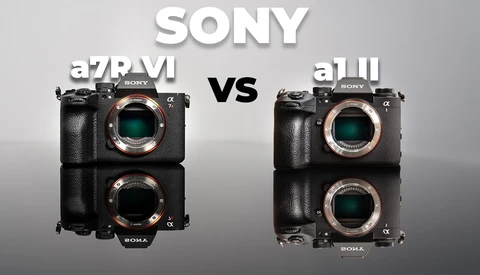
Choosing between the Sony a7R VI and the Sony a1 II is genuinely difficult, and the spec sheets don't make it any easier. On paper, the two cameras overlap so heavily that you could easily talk yourself into either one without ever really knowing if you made the right call.
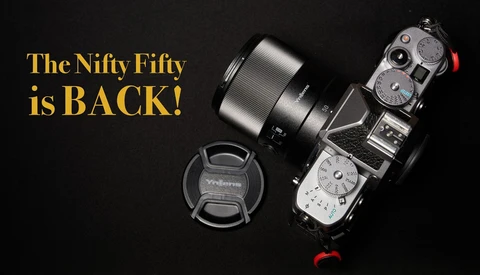
At $135 a full frame autofocus 50mm lens sounds like a compromise waiting to happen. The Yongnuo 50mm f/1.8S DF is that lens, and it turns out the compromises are a lot smaller than you'd expect.
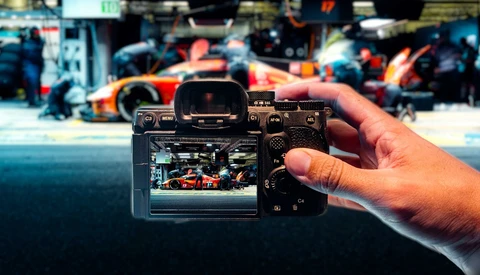
Shooting the 24 Hours of Le Mans sounds thrilling until you realize you're standing inches from cars doing 200 mph for 40 hours straight. The gear choices, accreditation requirements, and shooting approach at an event like this are genuinely different from anything else in motorsport photography.
Adobe announced on June 25 that it has agreed to acquire Topaz Labs, the Dallas company whose denoising, sharpening, and upscaling tools quietly became part of how a huge number of photographers finish their work. Neither side put a number on the deal. Closing is targeted for the back half of 2026, assuming regulators sign off.

The MacBook Neo sits at the bottom of Apple's MacBook lineup, and that single fact shapes everything about it. At its price point, it goes up against laptops that routinely disappoint, which makes what Apple has pulled off here genuinely worth paying attention to.
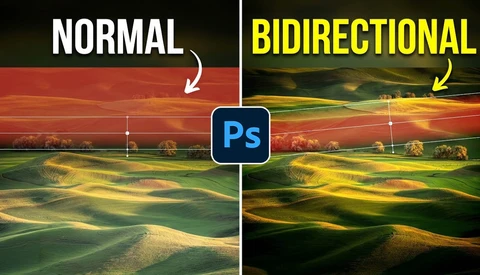
Camera Raw 18.4 just shipped with three masking features that Lightroom still doesn't have, and one of them has been on photographers' wish lists for over a decade.
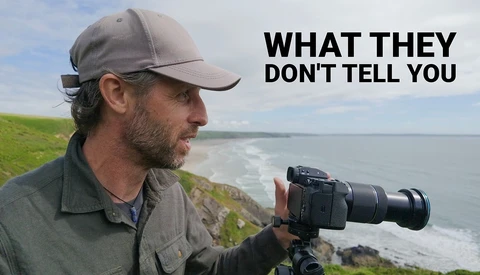
Shooting landscapes solo sounds peaceful in theory, but for many people it's genuinely difficult at first, especially if you've spent most of your life surrounded by others. Ian Worth spent nearly two decades earning a living with a camera, and even he found the transition jarring.
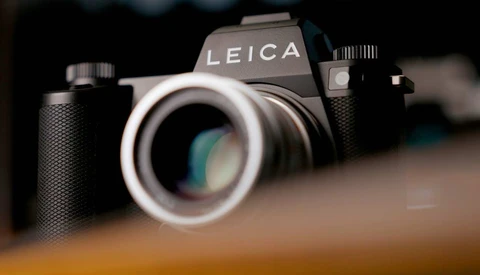
The Leica SL3-P sits in an interesting position: a 45-megapixel hybrid that Leica designed to land between the speed-focused SL3-S and the resolution-heavy SL3, and the question of whether it actually pulls that off has real stakes if you're considering dropping serious money on any of the three.