




A Simple Word, A Stronger Photograph
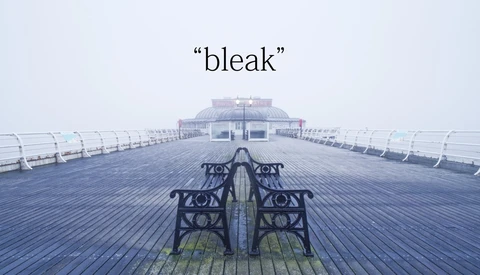
Winter fog on a near-empty pier forces hard choices about lens, framing, and intent. A single word, “bleak,” can push you out the door and shape what you shoot when the weather feels like an excuse to stay home.
Winter fog on a near-empty pier forces hard choices about lens, framing, and intent. A single word, “bleak,” can push you out the door and shape what you shoot when the weather feels like an excuse to stay home.
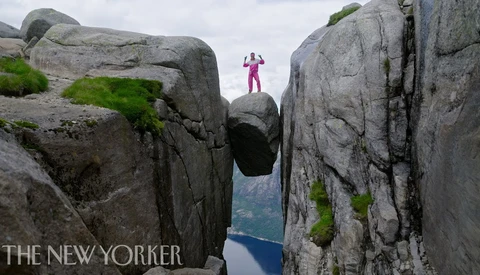
Tourist photography looks casual on the surface, but most so-called candid moments are carefully directed. If you travel and pull out a camera, you’re part of a performance whether you realize it or not.

Here is a number that should end a decade's worth of arguments: in 2025, CIPA member companies (which include Canon, Nikon, Sony, Fujifilm, Panasonic, and OM Digital Solutions) shipped over 4.45 million interchangeable-lens bodies with sensors smaller than 35mm. Full frame and larger? Roughly 2.54 million. The format category that photography forums have spent years dismissing as the "starter sensor you graduate from" outsold full frame by a ratio of roughly 1.75 to one.
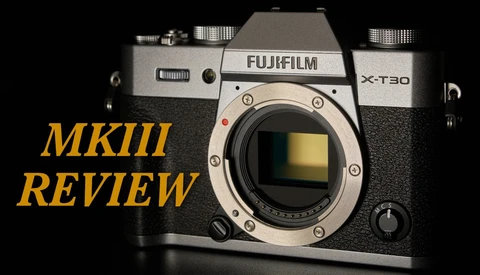
The Fujifilm X-T30 III sits in a strange spot. It looks modest on paper, yet it offers features that push beyond what many expect at this price.
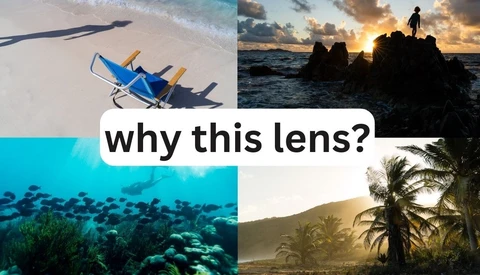
You talk about focal lengths all the time, but what do you actually use when you’re on a real trip with limited space in your bag? This breakdown of 28mm, 24-70mm, 16-35mm, and 85mm choices shows what happens when theory meets crowds, wind, and shifting light.
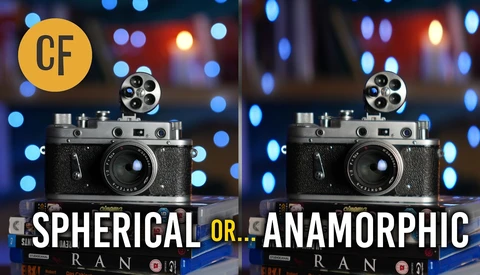
Anamorphic lenses have moved from niche cinema tools to real options you can mount on a mirrorless camera right now. If you shoot video and want a wider frame, stronger background blur, and a different kind of character, this is a choice that changes how your footage feels.
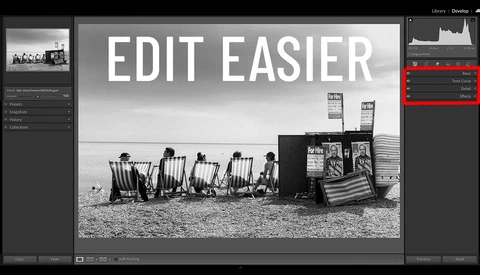
Lightroom feels slow or messy when small habits stack up. Tuning a few core settings changes how fast and clean your edits move, especially across large shoots and multiple years.

Every time Apple releases a new product, the internet runs the same play: benchmark it against the most expensive thing in the lineup, declare it insufficient, and move on. The MacBook Neo is getting that treatment right now. The internet is wrong.
10 years behind a camera will change how you see work, money, and your own limits. If you are trying to turn creativity into income, Mark Duffy’s experience shows where you can waste time and where you can take control early.

Dialing in the right wedding camera settings decides whether editing feels controlled or chaotic. You need consistency under pressure, not guesswork while the aisle moment slips away.
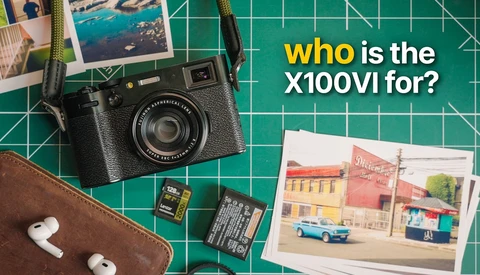
The Fujifilm X100VI is still one of the most talked-about compact cameras, a year after release. You see it everywhere, and the question lingers: is it actually worth the hype and the price in 2026?
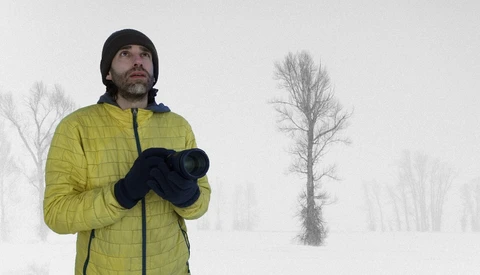
Winter pushes you to adapt fast. Weather shifts, roads close, and the light you want rarely shows up on schedule.
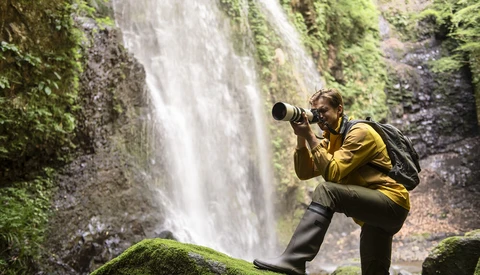
Every year, someone declares Micro Four Thirds dead. And every year, the system answers with glass that simply does not exist anywhere else. OM System just dropped the M.Zuiko 50-200mm f/2.8 IS PRO, the world's only constant f/2.8 zoom covering 100-400mm equivalent, and it is the kind of lens that makes full frame shooters do math they do not enjoy. But that flagship is not the whole story. Micro Four Thirds offers a lens catalog that rewards curiosity and punishes assumptions.
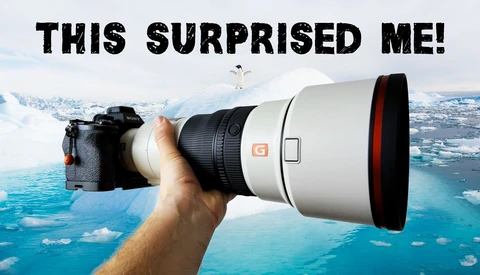
Antarctica will test how fast you think and how well you know your camera. When wildlife and weather shift by the minute, hesitation costs images you cannot recreate.
Photography asks more from you than most hobbies, and it gives more back. If you care about staying creative, sharp, and curious, it deserves serious attention.

Dramatic portraits often come down to one thing: how you control light across texture. If your images feel flat, the issue is usually direction, not gear.
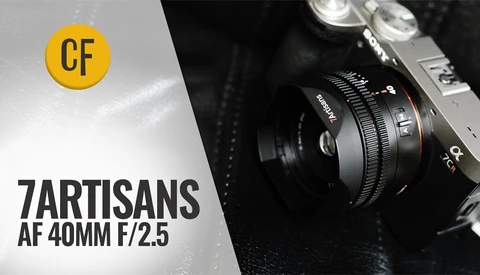
The 7Artisans 40mm f/2.5 arrives with a price that undercuts almost everything else in the full frame autofocus market. If you like small lenses and natural perspectives, this one raises a simple question: how much do you really need to spend?

Apple has officially announced the MacBook Neo, an entirely new laptop line that marks the company's most affordable Mac ever. Starting at $599 ($499 for education), the MacBook Neo is powered by the A18 Pro chip, the same silicon that debuted in the iPhone 16 Pro in 2024, and is designed to bring macOS to a much wider audience.
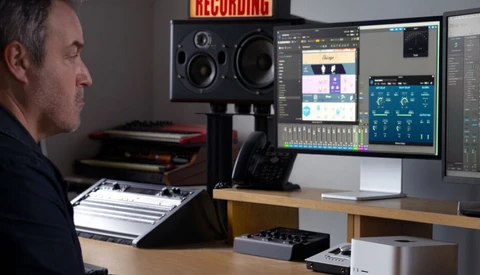
Your desk is the other half of your camera bag. Here is every piece of it, from monitor to backup drive, at three price tiers.
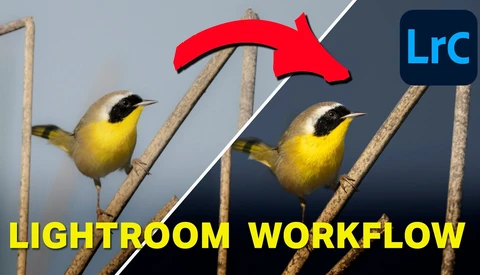
Editing wildlife images in can make the difference between a decent frame and one that holds attention. Small changes to background, detail, and sharpness shape how the subject stands out.
You don’t need another lens. You need a reason to press the shutter.
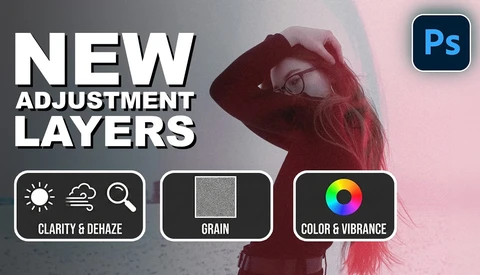
Photoshop 27.3.1 introduces three new adjustment layers: Color and Vibrance, Clarity and Dehaze, and Grain. If you rely on selective edits and non-destructive control, these additions change how quickly and cleanly you can shape an image.
Lightroom Classic gives you more than one way to compare edits, but most people only tap the backslash key and move on. If you want cleaner decisions and fewer second guesses, you need tighter control over what “before” actually shows.
Apple has announced the updated 14-inch and 16-inch MacBook Pro with the M5 Pro and M5 Max chips, marking a significant generational update focused heavily on AI performance and storage.
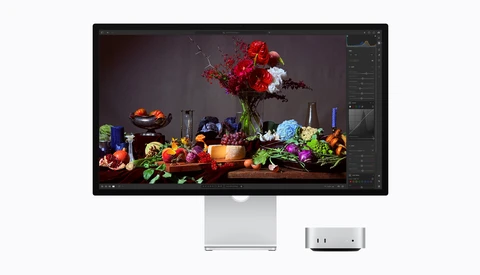
Apple has announced a refreshed Studio Display and an entirely new Studio Display XDR, replacing the aging Pro Display XDR and giving Mac users two tiers of external monitor to choose from.
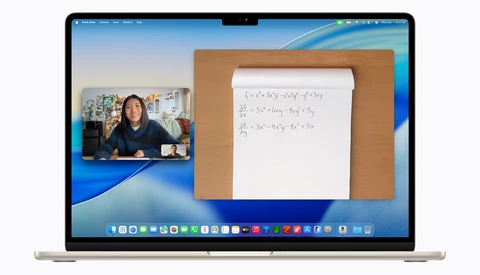
Apple has officially announced the latest MacBook Air, now powered by the company's M5 chip. The updated laptop brings a meaningful performance bump, doubles the base storage to 512 GB, introduces Wi-Fi 7 and Bluetooth 6 via Apple's new N1 wireless chip, and keeps the same thin, fanless aluminum design that's made the Air Apple's best-selling laptop for years.
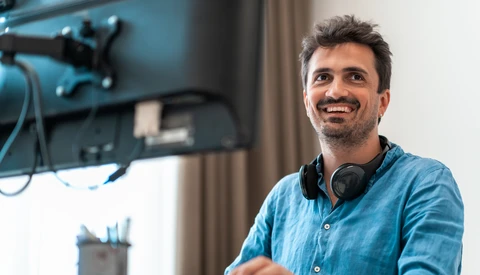
Every photographer knows the notification. Storage Almost Full. It pops up on your computer or your phone, and instead of mild annoyance, you feel something closer to dread. Not because hard drives are expensive. They aren't. A 4 TB external drive costs less than a decent dinner for two. The dread comes from knowing what's actually sitting on those drives.
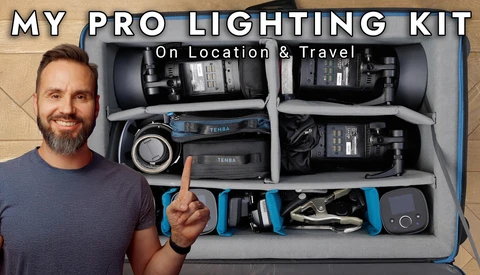
Traveling with a full lighting kit gets complicated fast. Weight limits, lithium batteries, and tight overhead bins change how you pack and what you bring. You want gear that works anywhere without turning every trip into a negotiation at the check-in counter.
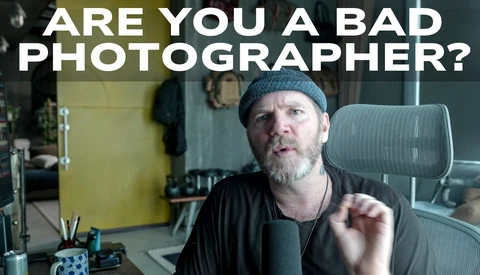
If you shoot weddings, small habits decide whether you blend in or stand out. The difference often comes down to effort, movement, and how seriously you take the job.
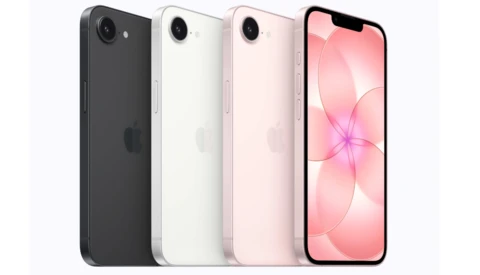
Apple has announced the iPhone 17e, a lower-cost addition to the iPhone 17 lineup that brings the company’s latest A19 processor, a 48 MP main camera, MagSafe, and a 256 GB starting storage tier to a $599 price point.
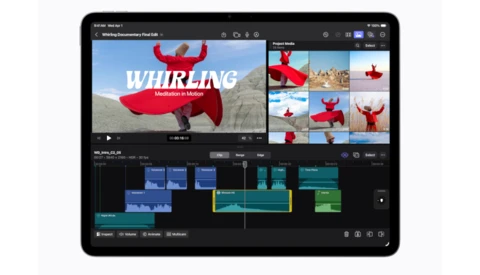
Apple has announced a new generation of the iPad Air, now powered by the M4 chip and featuring increased memory, updated connectivity, and support for iPadOS 26. The new models maintain the same starting prices as the previous generation while adding a number of hardware and software upgrades aimed at both creative and professional users.
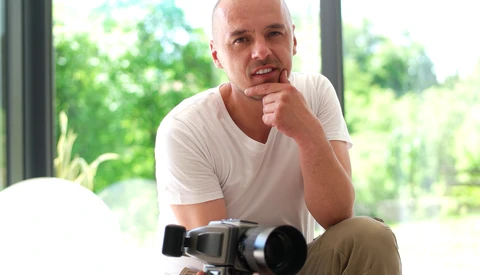
Almost every photographer I know has, at some point, confessed to feeling like a fraud. They land a big client and immediately worry they'll be exposed. They deliver a gallery and brace for the email saying the photos are terrible. They scroll through their peers' work and wonder how they ever had the audacity to call themselves professionals.
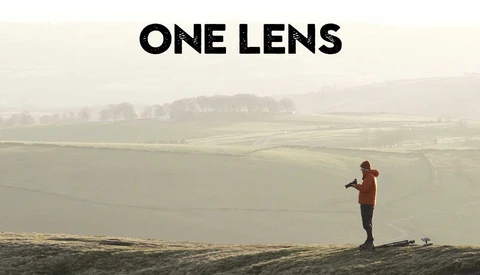
Motivation drops off. You start checking the forecast, see blue skies, and decide it’s not worth heading out. That habit costs more than you think.
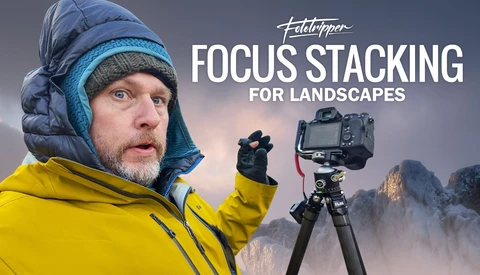
Focus stacking lets you create a landscape image that’s sharp from the closest rock to the distant horizon. When you shoot wide scenes at f/11 or f/16, you still won’t always get everything crisp, and that soft foreground can quietly ruin an otherwise strong frame.
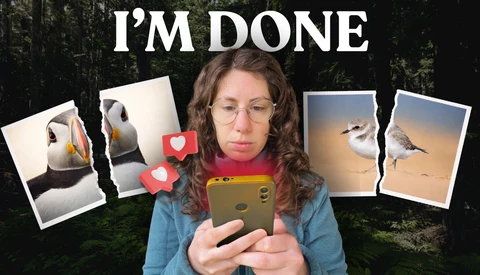
Instagram has reshaped wildlife photography in ways you might not notice at first glance.