




Why Medium Format Makes Sense Again
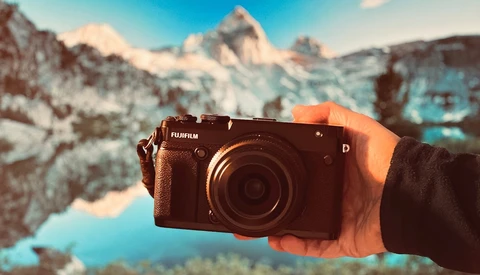
The Fujifilm GFX 50R pulls you into medium format for a reason that has nothing to do with chasing megapixels. It’s about seeing the frame the right way before you press the shutter.
The Fujifilm GFX 50R pulls you into medium format for a reason that has nothing to do with chasing megapixels. It’s about seeing the frame the right way before you press the shutter.
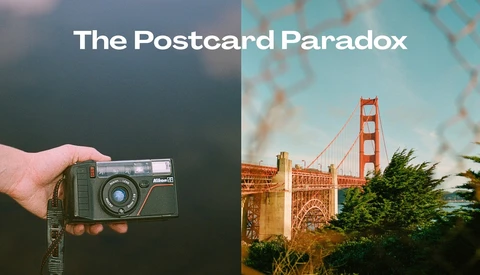
Most travel photos look the same, and you know it when you scroll through your own gallery. You visit an incredible place, come home excited, then realize the images feel flat and forgettable.
Fear can stall your progress faster than a lack of gear or budget. When your portfolio feels stuck and your ideas keep dying on the page, the problem usually isn’t talent.

Skin tones fall apart when edits get heavy-handed or flat. If you want portraits that look editorial and true to life, you need control over tone and color that goes deeper than HSL sliders.
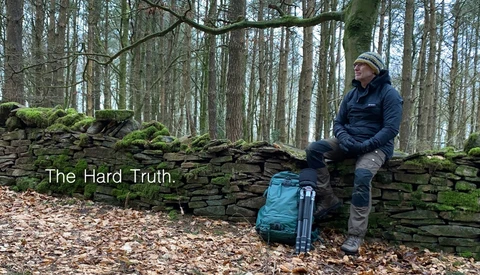
A gray February woodland does not look promising, yet that is exactly when your skills get tested. If you rely on mist, frost, or golden light, you miss the quiet scenes that build discipline and sharper vision.

The narrative around third-party lenses has flipped completely in the last five years. What used to be a compromise, trading optical quality and autofocus reliability for a lower price, has become something closer to the default recommendation for most photographers. Sigma's Art line routinely matches or exceeds first-party optical performance. Tamron is planning ten new lenses this year across four mounts. Viltrox just joined the L-Mount Alliance as a full partner. A wave of manufacturers are shipping surprisingly competent autofocus glass at prices that would have seemed like a typo a few years ago.

February is typically the month the photography industry shakes off its post-CES hangover and starts showing its hand for the year ahead. In 2026, that meant the return of CP+ in Yokohama, the conclusion of the Milan Cortina Winter Olympics, a flood of new glass from both established and upstart lens makers, and the continued collision between AI-generated imagery and the photographers whose livelihoods depend on the real thing. Here are the ten developments that mattered most.

The Fstoppers community is brimming with creative vision and talent. Every day, we comb through your work, looking for images to feature as the Photo of the Day or simply to admire your creativity and technical prowess. In 2026, we're featuring a new photographer every month, whose portfolio represents both stellar photographic achievement and a high level of involvement within the Fstoppers community.
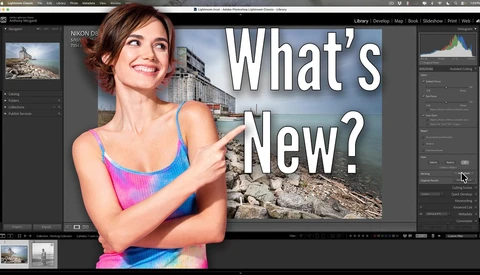
Adobe has updated Lightroom and Lightroom Classic, adding Firefly integration, WEBP support, assisted culling improvements, and a new generative upscale tool. If you rely on Lightroom daily, these changes are worth a look.
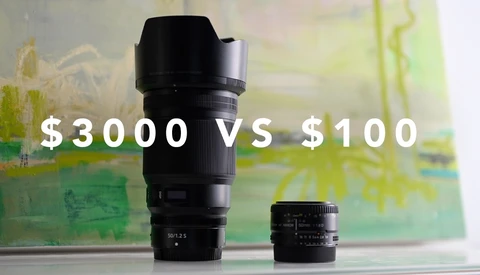
A fast 50mm prime can cost $100 or $3,000, and both will take a photo. The real question is what that price gap actually gives you when you’re shooting in the real world.
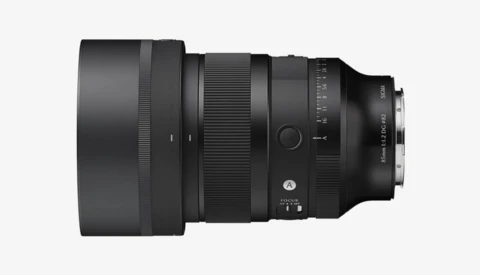
Sigma has announced the development of the Sigma 85mm f/1.2 DG | Art, a large-aperture medium-telephoto prime lens designed for full frame mirrorless cameras.
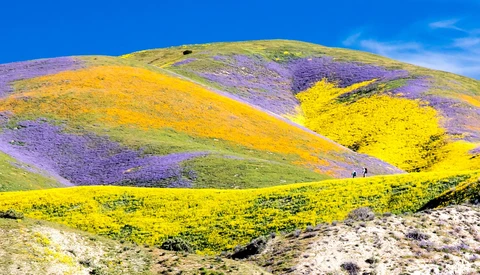
Death Valley National Park declared an above-average bloom year on February 22, and park officials are warming up to the word nobody wants to use prematurely: superbloom. The last time the park saw a display at this scale was 2016, a full decade ago. Unusually heavy rainfall in late 2025 (the Furnace Creek Visitor Center area recorded roughly 2.4 inches between November and early winter alone, far more than the park typically receives during those months) soaked deep into desert soils that had been waiting for exactly this kind of event. The result is miles of desert gold, brown-eyed evening primrose, sand verbena, and phacelia carpeting valley floors and alluvial fans that were bare rock and sand six months ago.
Adobe now runs on subscriptions, and that monthly bill adds up fast. If you rely on Photoshop and Premiere Pro to get paid work done, the idea of switching feels risky, but staying put can feel just as uncomfortable.

You keep hearing that you need a sharper, faster, more expensive lens. This video argues most modern lenses are already beyond what you actually need, and chasing specs can quietly make your photography worse, not better.
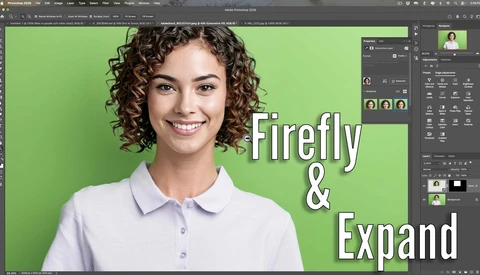
Adobe has added a new generative model to Photoshop called Firefly Fill and Expand, and it directly affects how you create, replace, and extend images. If you rely on generative fill for background swaps or composite work, these changes are worth a look.
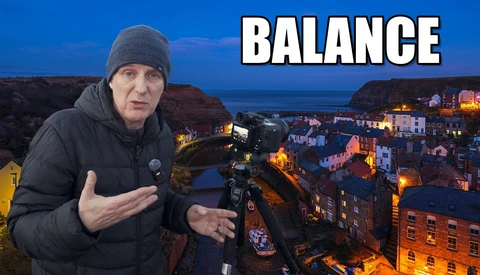
The Fujifilm GFX50S II can turn a familiar coastal village into something sharp, calm, and deliberate at blue hour. When light and artificial glow have to balance perfectly, small decisions with lens choice and composition carry real weight.
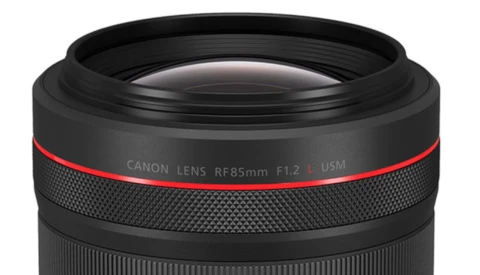
Canon's lens ecosystem is one of the most extensive in photography, spanning decades of innovation and multiple camera systems. For photographers entering the Canon world in 2026, understanding how all these lenses work together (or don't) can feel like deciphering ancient hieroglyphics. The good news is that once you understand the underlying logic, it all makes sense, and Canon's system offers tremendous flexibility for leveraging glass from multiple eras on modern bodies.

Soft wings. Sharp background. One usable frame out of a 30-shot burst. Bird in flight photography exposes every weak link in your setup, and small changes can double or triple your keeper rate.

You have a camera and solid skills, but turning that into steady side income feels unclear. The right approach can bring in real money without forcing you into a second full-time job.
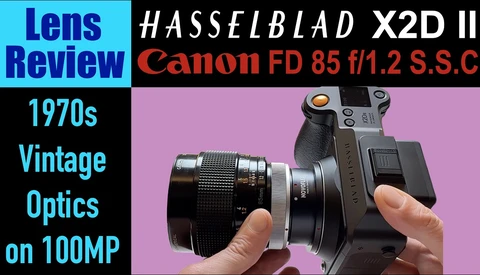
Mounting a vintage 85mm lens on a modern medium format body sounds like a recipe for compromise. Pair it with the Hasselblad X2D 100C, and you start asking harder questions about sharpness, rendering, and whether old glass can really handle 100 megapixels.
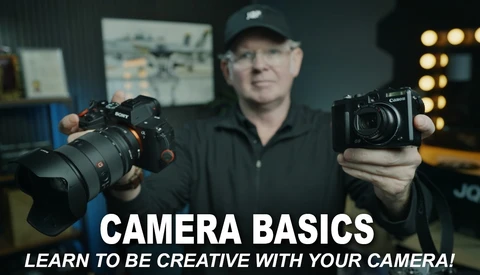
Learning aperture, shutter speed, and ISO changes how you use your camera. Once you understand how these three settings shape light, motion, and focus, you stop guessing and start making deliberate choices.

Photography has been around long enough to accumulate a thick layer of conventional wisdom, and much of it is wrong. These myths get passed from forum to forum, YouTube comment to YouTube comment, and camera-store counter to camera-store counter with the confidence of established fact. The problem isn't that they're entirely baseless; most contain a grain of truth buried under decades of misapplication. The problem is that they cost photographers money, waste their time, and actively prevent them from improving. Here are ten of the most persistent offenders.
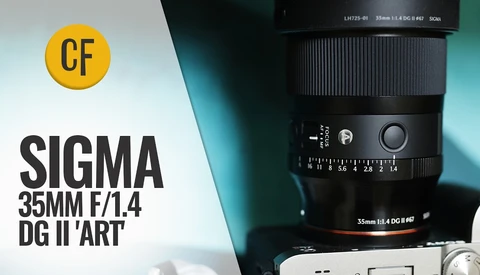
The Sigma 35mm f/1.4 DG DN Art Mark II updates one of the most popular focal lengths you can mount on a full frame camera. A 35mm lens at f/1.4 earns its place fast, whether you shoot events, portraits, street, or video.
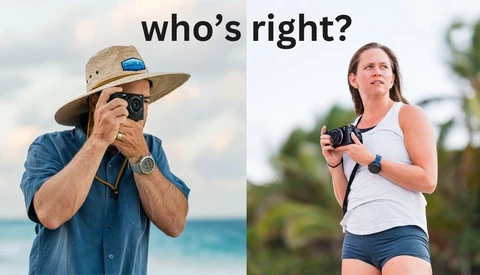
The difference between a snapshot and a portfolio image often comes down to one thing: whether you meant to make it. Understanding how instinct and intention work together changes how you approach every shoot.
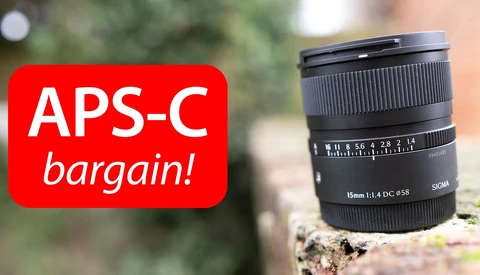
The Sigma 15mm f/1.4 DC DN Contemporary takes over from the long-running 16mm f/1.4 and tightens the formula in ways that affect how you shoot. If you use an APS-C body and want a bright wide angle that balances well and handles video, this one shifts the conversation.
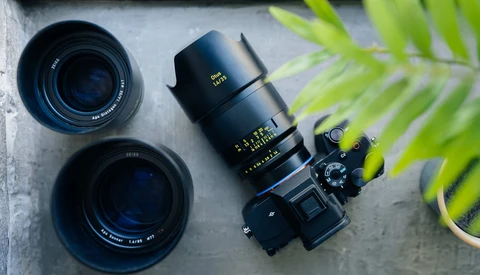
ZEISS has announced the ZEISS Otus ML 35mm f/1.4, the third lens in the company's Otus ML series designed for modern mirrorless camera systems. The new 35mm joins the existing ZEISS Otus ML 50mm f/1.4 and ZEISS Otus ML 85mm f/1.4, completing a three-lens set of manual focus f/1.4 primes available in Sony E, Canon RF, and Nikon Z mounts.
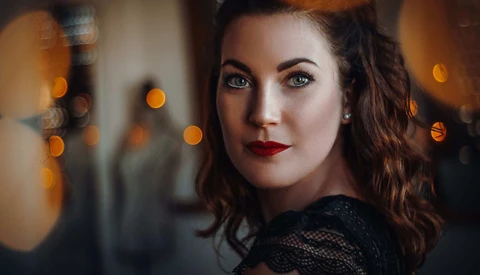
There's a quiet rebellion happening in photography right now. After a decade of manufacturers racing to produce the sharpest, most clinically corrected glass ever made, a growing number of photographers are deliberately reaching for something else. They want glow. They want swirl. They want the kind of optical rendering that looks like it was pulled from a dream sequence in a 1970s art film. They want character.

Leaving a corporate healthcare salary to run a full-time photo and video business sounds bold until you look at the math. Matching an average U.S. salary took more than 200 clients and nearly 300,000 images in a single year.
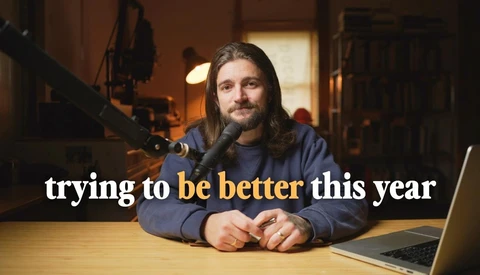
Matt Day says 2025 was not his best year, and that should get your attention. When someone who built a career on steady creative output admits he felt stuck, it forces you to look at your own patterns.
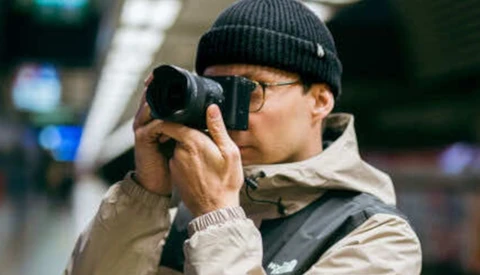
Sigma has announced a new fast prime for APS-C shooters, the Sigma 15mm f/1.4 DC | Contemporary. The lens joins the company’s growing set of bright-aperture Contemporary primes and continues Sigma’s recent push toward compact, lightweight designs aimed at hybrid creators and will be offered for Sony E-mount, Fujifilm X Mount, and Canon RF Mount at a retail price of $579.
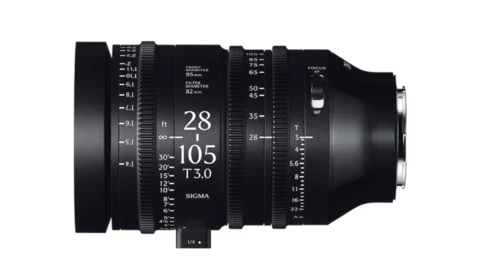
Sigma has announced the Sigma AF Cine 28-105mm T3 FF, the second lens in its autofocus-compatible cinema series. The lens is scheduled for release on April 16, 2026, and will be offered in L-Mount and Sony E-mount. Sigma states that the lens is derived from the optical design of its still photography counterpart, the Sigma 28-105mm f/2.8 DG DN | Art, while incorporating cinema-oriented mechanics and control features.
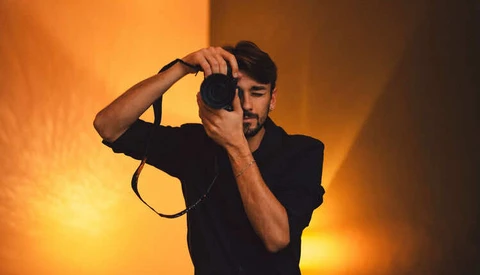
Sigma has announced the Sigma 35mm F1.4 DG II | Art, a redesigned version of its established 35mm f/1.4 Art prime. Positioned as the Type II successor to the Sigma 35mm F1.4 DG DN | Art, the new lens focuses on reducing physical size and weight while introducing a revised optical formula and updated autofocus system. The lens will be available for L-Mount and Sony E-mount cameras.
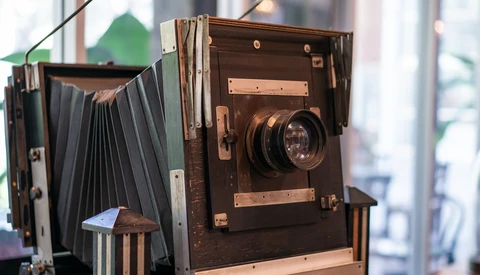
The photographs that survive from the nineteenth century carry a strange weight. Daguerreotypes of solemn faces, wet plate portraits of Civil War soldiers, albumen prints of Victorian families posed in their Sunday best. What we rarely consider when looking at these images is what their creation cost the people who made them. The early history of photography reads less like the story of an art form and more like a catalog of occupational disasters.
Missing the decisive moment by seconds gets old fast. You start to wonder if the difference between an average frame and a standout image is just luck.
You keep hearing that a 50mm f/1.8 on full frame gives a look that smaller sensors cannot match. That might be true, but it misses the point when your goal is depth, not blur.