





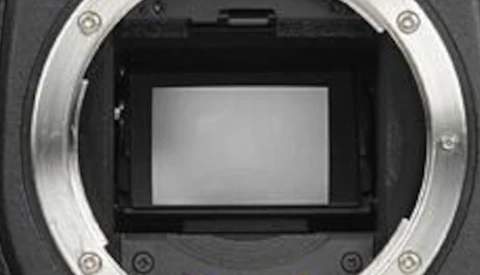
The Strange Camera Format You've Never Heard Of
There was a time when professionals swore by a format that gave them speed, reach, and reliability in ways nothing else could. A decade later, it’s little more than a ghost in photography’s memory.
There was a time when professionals swore by a format that gave them speed, reach, and reliability in ways nothing else could. A decade later, it’s little more than a ghost in photography’s memory.
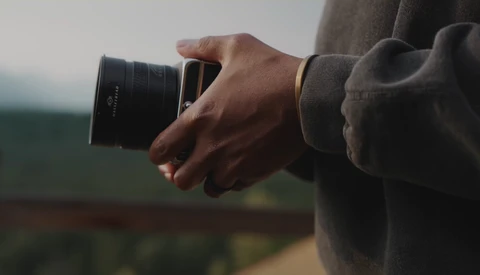
The Hasselblad 907X and CFV 100C medium format mirrorless camera is one of the most unique systems you’ll come across. It takes the retro waist-level shooting style of film cameras and pairs it with modern digital features, all while packing in a massive 100-megapixel sensor. The combination creates a slower, more deliberate shooting process that can change how you approach your work.

When you start out, it’s easy to believe that more lenses, more megapixels, and more gear will make your photos stronger. Over time, you realize the opposite often holds true. The way you see and think while shooting carries far more weight than how much equipment you bring with you.

The Fujifilm GF 50mm f/3.5 R LM WR stands out because it makes medium format shooting far more practical than it used to be. You can carry it on hikes, toss it into a bag for travel, or leave it on a camera at home without it feeling like a burden. That opens the door to using medium format in places you’d normally default to a smaller camera.
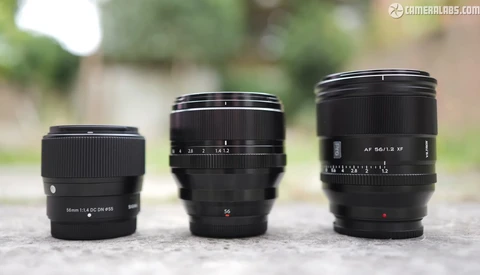
Prime lenses can look similar on paper but behave very differently once mounted. Differences in size, sharpness, and focusing speed end up shaping how you actually shoot.

The camera industry has never been afraid to experiment. Over the years, manufacturers have pushed boundaries with bold ideas, ambitious technology, and sometimes outright gambles. Innovation often comes with risk, and not every product makes it across the finish line successfully.

Cityscapes in black and white can give you a completely different way of looking at familiar places. Stripping away color emphasizes structure, light, and movement, and it pushes you to think about form instead of surface details. Black and white also makes you notice what’s often overlooked in a busy city frame.
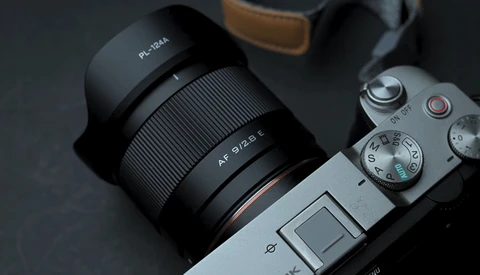
The 9mm focal length opens creative doors you don’t get with more common lenses. Its perspective exaggeration can give you drama in landscapes and an immersive feel in tight spaces. At the same time, wide angles aren’t easy to master, so having one that balances performance with portability makes the challenge more rewarding. This lens does just that, giving you options without adding weight or cost to your bag.

The Panasonic Lumix S 100-500mm f/5-7.1 O.I.S. lens is a surprising release. It manages to pack a long focal range into a lens that feels smaller and easier to handle than you’d expect. If you shoot sports or wildlife, you already know how rare it is to find reach like this in a package that won’t demand a huge bag or tripod every time you take it out.
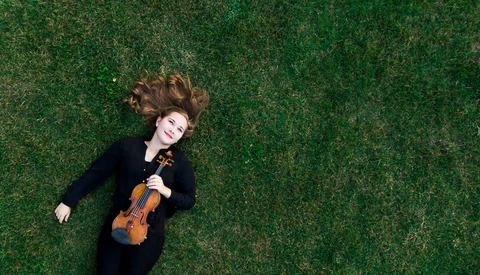
The gear keeps getting smarter, but that doesn’t make photographers better. Here are the timeless skills no camera will ever master for you.

Skin retouching is one of those techniques that can make or break your image. Done poorly, it looks artificial and distracting. Done well, it elevates a portrait without stripping away natural character. Learning how to work on both the tiny details and the larger tones is what separates basic cleanup from professional-level editing.
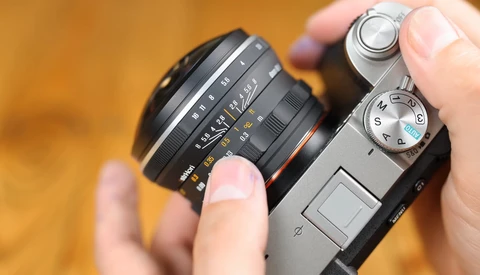
A 6mm circular fisheye lens isn’t something you come across every day, and it immediately changes how you think about composition. With a 220° field of view, it literally captures more than your eyes can see, making it both a challenge and an opportunity. Shooting with it demands new habits, like holding your camera far out to avoid including your own arms in the frame.

For portraits on medium format, you may not always want absolute sharpness. There are times when you want softness, glow, and character in your images, and certain lenses can give you that mood in ways others cannot. The choice of lens affects not just the look of your photos but also the way you approach shooting.
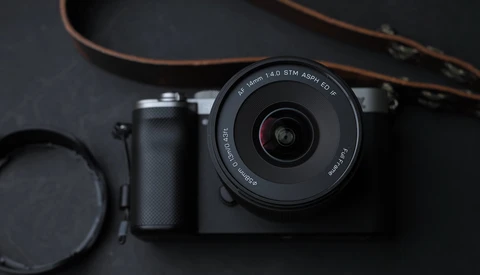
The Viltrox AF 14mm f/4 Air lens is compact, light, and priced at just $200. For travel, street work, or simply keeping your kit lightweight, this kind of wide angle option changes how you think about what you pack, opening up creative framing possibilities without taking up much space in your bag.

We’ve reached the limits of physics, but not of imagination. The next great leap in photography will come from computation, not optics.

Basic retouching changes how your subject looks and how your photo feels. Small distractions like blemishes, redness, or uneven exposure can pull attention away from the person in front of your lens. Learning how to correct them without going overboard makes the difference between an amateur edit and a professional finish.

The 35mm focal length has always been a workhorse, balancing natural perspective with flexibility across genres. A lens at f/1.2 pushes that versatility further, giving you subject separation and low-light capability that few other options can match.

Photographing where you live might feel uninspiring at first glance. It’s easy to think that nothing around you is worth documenting, but with the right perspective, even the most ordinary places can become sources of meaningful stories.
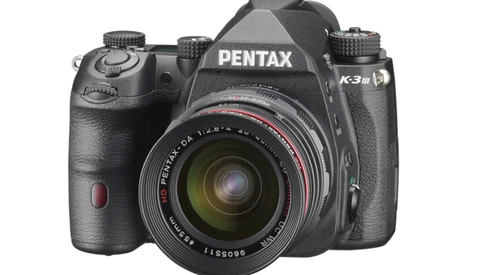
In 2025, Pentax is no longer shaping the mainstream camera conversation. Canon, Nikon, Sony, and Fujifilm dominate the industry’s attention, while Olympus has reinvented itself as OM System and Panasonic has carved a strong reputation with its video-centric shooters. Pentax, meanwhile, has taken a quieter path. Instead of chasing trends, it has remained stubbornly dedicated to DSLRs, releasing incremental updates while others pour resources into mirrorless innovation. To outsiders, it looks like Pentax is stuck in the past. To insiders, that refusal to change is the very reason they remain loyal.
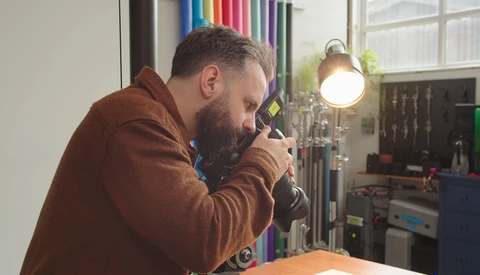
Photographers talk a lot about cameras, lenses, and lighting, but the truth is, most of the mistakes that cost you money come from the business side. Misunderstandings about taxes, pricing, and what it means to be a professional can quietly drag your career down if you don’t deal with them.

Sigma’s 35mm f/1.2 DG II Art trims real weight and bulk while promising cleaner optics and quicker autofocus than the first version. If you rely on a fast 35mm for portraits, events, or video, this kind of update changes how long it stays on the camera, how backgrounds melt at f/1.2, and how reliably focus lands in low light.

Two bright APS-C primes with a reputation for bold styling and fast glass get a workout in the real world in this helpful video review. The focus is practical: how f/1.2 affects autofocus, handling, and day-to-day shooting .

Every few years, camera companies roll out something meant to grab attention. Sometimes, those ideas turn into revolutions: autofocus, in-body stabilization, and mirrorless mounts all began as risks that paid off. But for every real innovation, there’s a graveyard of gimmicks — features and products that sounded futuristic, won headlines, and then died in obscurity. Here are five of the quirkiest gimmicks that promised to change photography but went nowhere.
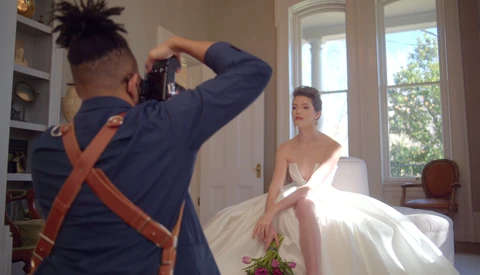
GFX versus X series isn’t a spec-sheet feud. It’s a question about your back, your budget, and how you move during a 10-hour wedding while still wanting that medium format look. The video takes that tension head-on with real wedding use, not desk-bound theory.
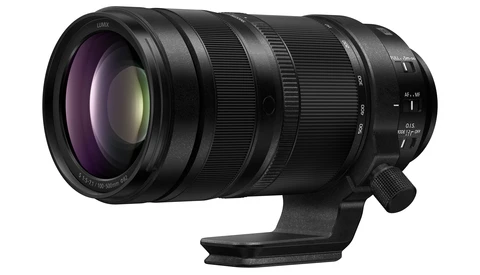
Panasonic has introduced the LUMIX S 100-500mm f/5-7.1 O.I.S., the first ultra-telephoto zoom lens in the LUMIX S Series. Designed for the L-Mount system, the lens extends the lineup’s reach to 500mm and supports optional teleconverters for focal lengths up to 1,000mm.
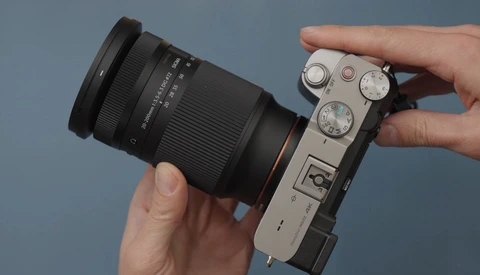
The idea of a single lens that covers nearly every situation is hard to ignore. When you carry a full frame camera, weight and size matter, and lenses are usually the limiting factor. A lens that balances reach, width, and portability solves a real problem when traveling or shooting outdoors.

Most cameras today can capture both raw and JPEG files, but many smaller travel-friendly models only give you JPEG. That means you lose some flexibility when editing, yet with the right setup, you can still come away with strong results. The key is knowing how to make your JPEGs as clean and workable as possible before you ever open them on a computer.
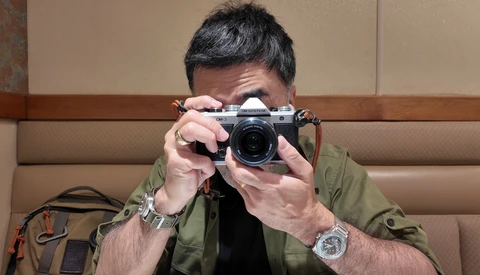
A small, metal-bodied Micro Four Thirds camera that shoots 50 MP handheld high-res and 80 MP on a tripod changes what you can do in mixed photo-and-video workflows. If you care about fast setup, deep depth of field at lower ISO, and a compact kit that doesn’t feel like a compromise, this one hits a specific sweet spot for photographers who value mobility and control.
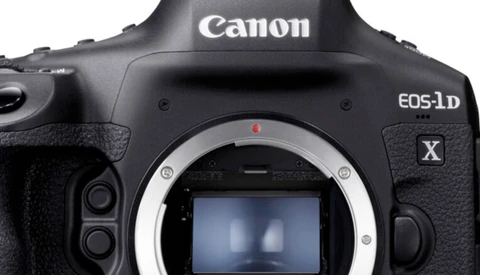
The news landed with the weight of a supertelephoto hitting the studio floor: Canon has discontinued the Canon EOS-1D X Mark III. Just like that, after 35 years of continuous evolution, the flagship DSLR line that defined professional photography for generations has reached its terminus. The last units are shipping from warehouses, repair parts are being stockpiled, and Canon's focus has irrevocably shifted to the mirrorless future.
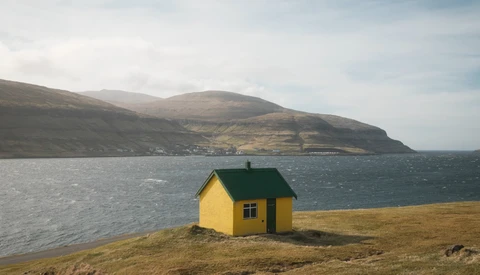
You want a compact that actually changes how you shoot, not just stats on a page. Daily carry, quieter presence in public, and stabilization for low light are the levers that move your results.

Color grading shapes the mood of an image in a way that goes beyond simple editing. Small shifts in hue or saturation can change the entire feel of a photograph, giving you the ability to move from cinematic drama to soft romance with just a few adjustments. If you want more control over how your photos communicate emotion, learning how to do this in Photoshop is worth your time.
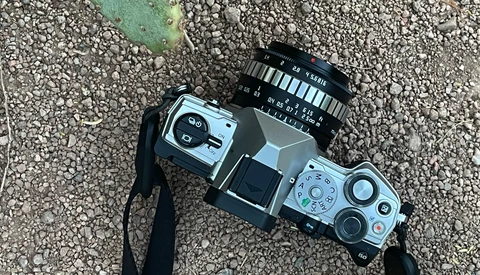
When you buy your first camera, it usually comes with a basic kit lens. That lens is a good starting point, but it won’t be long before you start wondering what to add next. The choice matters because your second or third lens often shapes how your photography develops.
Photography gear culture used to thrive on mystery, and that mystery was part of the fun. Online forums and rumor sites once operated like detective agencies, parsing blurry prototype photos, dissecting obscure patents, and arguing endlessly about what Canon or Nikon might do next. A new lens wasn’t just a product; it was a revelation, a moment of cultural energy that could send shockwaves through the community.

When you’re starting out in photography, a lot of the frustration doesn’t come from a lack of gear or creativity. It comes from making simple mistakes that hold you back without you realizing it.

Travel photography often means unpredictable light, crowded streets, and fleeting moments that don’t wait for you to change lenses. A single lens that covers nearly every focal length you might need can change how you shoot on the road. That’s where super zooms come in, offering reach and flexibility without the stress of juggling multiple lenses.