
Does the 2012 Fujifilm XF 18mm f/2 R Still Hold Up?
The Fujifilm XF 18mm f/2 R came out in 2012, which makes it one of the oldest lenses still in Fujifilm's lineup and an easy one to dismiss next to newer glass. If you shoot street or family life on an X-series body, knowing whether a 14-year-old design can keep up with a 40-megapixel sensor decides whether you save money or spend a lot more on a newer wide prime.
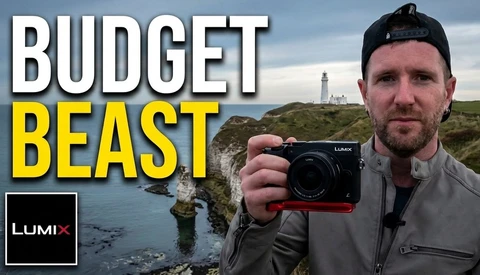
Can a Used Lumix GX8 and Kit Lenses Still Deliver on the Coast?
Most cameras sold a decade ago still take perfectly good pictures, yet it's easy to assume the gear you own now is the main reason your recent photos look the way they do. A budget Micro Four Thirds setup is one of the cheapest ways to test that assumption, since older bodies and kit zooms sell used for a fraction of what current pro gear costs.
Latest Gear Reviews

Active Contests
1
44
We want to see the images that still give you chills
Welcome to the October installment of the Critique the Community! This month's critique theme is going to be "Scary," and we want to see your best photographs that scared you in some way.
Aperty From Skylum Is a Goner in November
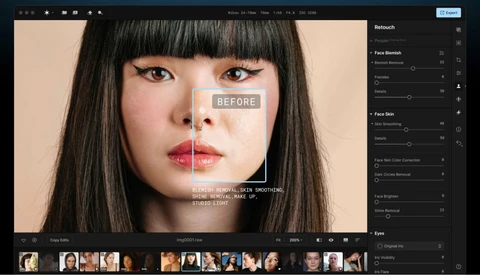
Aperty, the portrait editor from Skylum, will be discontinued November 4th. We reviewed Aperty in 2024 and found it a capable editor for portrait photographers. Using a mix of the usual develop sliders and some AI, I had heard positive reviews from people who purchased it.
In a note to users, a Skylum spokesman said:
Fstoppers Exclusives
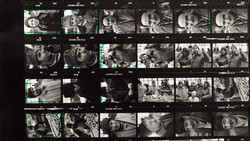




Why Every Culture Poses Differently: A World Tour of Photographic Body Language
Hand a phone to a group of teenagers in Osaka and start counting. You will rarely reach three before the first two fingers go up beside a chin, while the same camera pointed at strangers in Moscow gets a level, unsmiling gaze that an American would read as hostility and a Russian would read as basic composure.
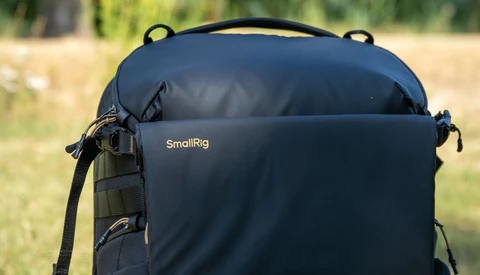
Review of the SmallRig 25L Outdoor Camera Backpack
SmallRig is well known for its video-related accessories. Everyone knows about cages and all that comes with them. Perhaps also about the tripods and video lights. Now SmallRig has added a backpack to its ever-increasing product line. I’ve been using it for some time now. These are my findings.
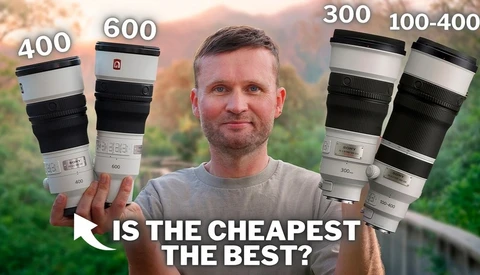
Can Sony's $2,698 400mm Prime Keep Up With the 600mm?
Sony now has four lenses that can get you to 600mm or beyond for birds, and two of them weigh around 1 kg while costing less than many full frame bodies. Once teleconverters come into play, those lenses overlap in focal length, so the choice comes down to how much weight, money, and light each route to the same reach will cost you.
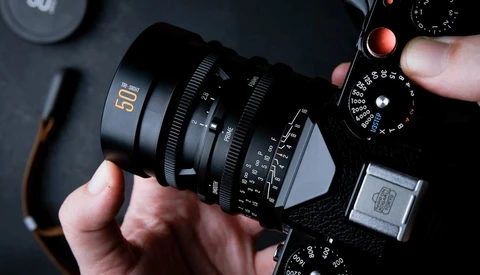
A Manual 50mm That Switches Between Clean, Soft, and Bubbly
The Brightin Star 50mm f/2 Tri-Sight is a manual-focus lens that puts three different optical personalities behind one turning ring, so you can switch between a clean normal lens and two softer, bubblier looks without changing glass.
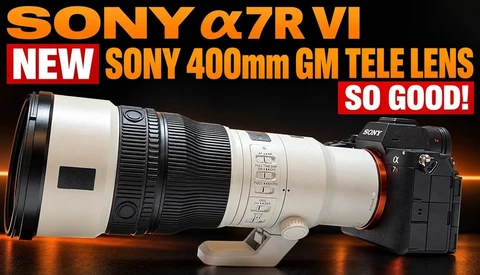
Sony's New 400mm G Master Goes Trackside
Sony now makes a G Master 400mm lens that weighs under a kilogram, which puts a super-telephoto in the same carrying class as a standard 70-200mm zoom. If you shoot motorsport, wildlife, or field sports without a monopod, that weight changes how long you can stay out and how freely you can move.
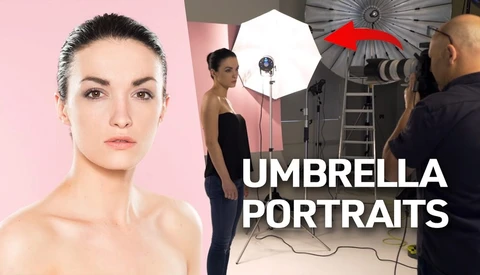
Why Your Rim Light Looks Weaker Every Time You Raise the Fill
Rim light and fill light pull against each other in a high-key portrait: brighten one, and the other suddenly looks weak. Getting the two to share the frame is what separates a bright, clean beauty shot from one that looks flat or burned out.
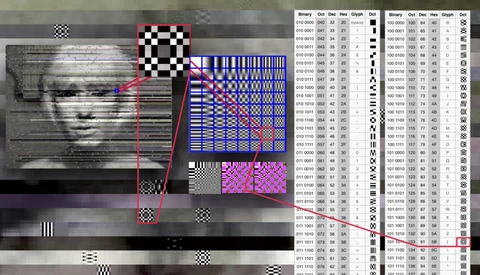
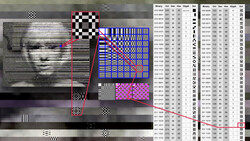
Nearly Every JPEG on Earth Runs on Math a Reviewer Called Too Simple to Fund in 1972
In early 1972, a Kansas State University professor named Nasir Ahmed sent the National Science Foundation a proposal to study a cosine transform built out of Chebyshev polynomials.
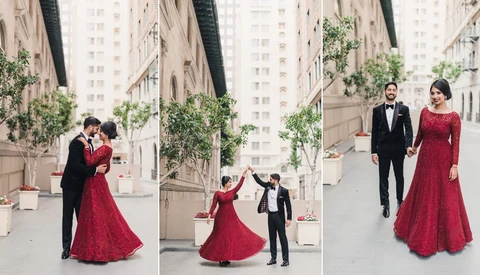
Five Poses for When Your Couple Starts Looking Posed
I want to start by defending the thing this article might look like it is against. Static posing in wedding and portrait photography is the backbone of every couples session I shoot. The five foundations I teach are all static positions, and they are static for good reasons. They are fast. They are repeatable. They are flattering on almost everybody.
Is It Time to Upgrade Your Camera?
A shelf full of older camera bodies brings its own kind of guilt: they still work, they still make good pictures, and they almost never leave the house. Choosing whether to keep shooting a camera like the Fujifilm X-H1 or sell it for something faster affects your wallet, your hit rate, and how much you enjoy the time you spend shooting.
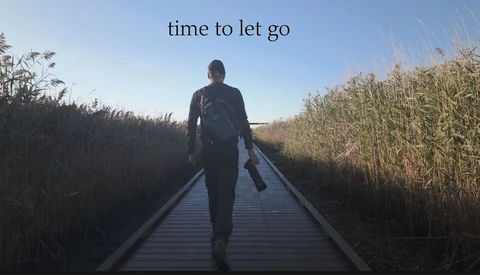
Why Leaving Your Camera at Home Can Train Your Eye
Finding a photograph inside a crowded street or a wide-open landscape is the part of the craft that decides whether you come home with a handful of keepers or a card full of near misses. Settings and gear can be learned in a weekend, while knowing where to point the camera takes years, and few people explain how to practice it.
Can a Better Process Lead to Better Landscape Photos?
Two hours of loading sheet film at camp after a long day in the field can make large format feel like a job. How you handle the dull, repetitive parts of photography shapes how much you enjoy the rest of it, and often how the pictures turn out.
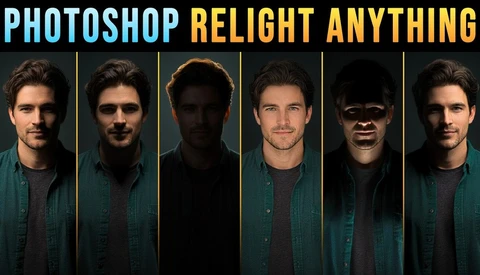
Photoshop Can Now Move the Light in Your Photo
Flat window light or a harsh shadow across a face used to mean a reshoot or an evening of dodging and burning. Photoshop's new Relight feature, currently in the beta, lets you reposition, soften, and recolor the light in a finished image with a handful of sliders.
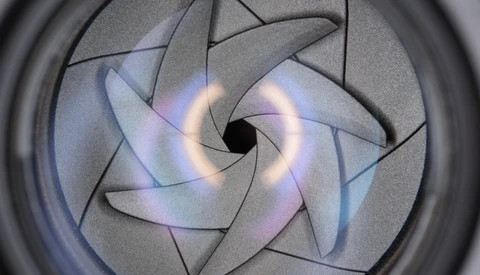
What Diffraction Actually Is, and Why Photographers Worry About f/16
A 24mm lens at f/8 has an opening 3.00 mm across. A 600mm lens at f/8 has one 75 mm across, 25 times wider, and it draws a diffraction pattern on the sky 25 times finer. Both land a blur spot on your sensor exactly 10.7 microns wide.

Hands On With Adobe's New Prompt to Edit Lightroom Feature
As part of its ongoing efforts to make photo editing as quick and easy as possible, Adobe is introducing Prompt to Edit in Lightroom. This feature lets you restore an old photograph by selecting one of Adobe’s example prompts or creating your own prompt. You can sharpen out-of-focus images, colorize black-and-white photographs, and adjust the color of photos with a dramatic color cast.
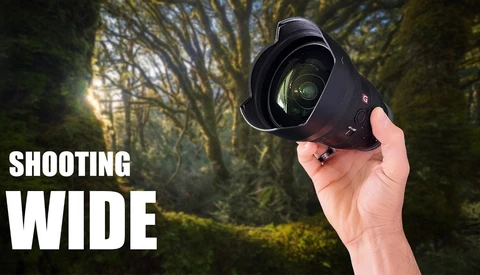
How to Get Depth in a Wide Angle Landscape Photo
A wide angle lens pointed at a mountain range can make the peaks look small and far away, which is the opposite of what most people expect when they carry one into big terrain. Getting around that problem by getting close to something in front of you and building the frame back toward the peak is what turns a flat record of a view into an image that pulls the eye through it.
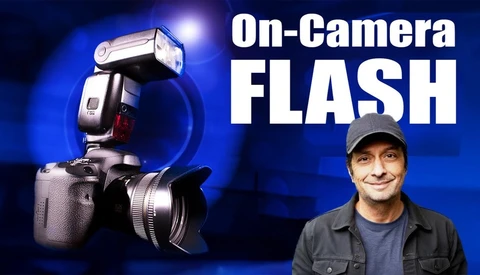
The Nearest Wall Might Be Your Best Flash Modifier
A single speedlight sitting in your camera's hot shoe can produce portrait light that looks like it came from a big window or a softbox, as long as you know where to point it. Most people never get there, because direct flash looks harsh and the usual fix is a pile of domes, diffusers, and brackets that can cost more than the flash itself.
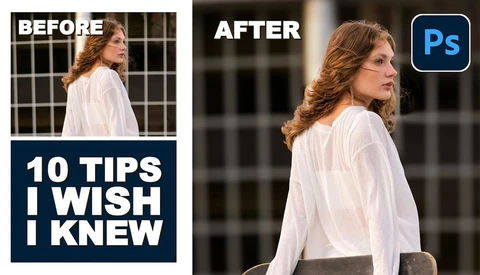
Photoshop's Remove Tool Doesn't Touch Your Generative Credits
Adobe now meters many of Photoshop's AI tools against a monthly pool of generative credits, so knowing which features draw from that pool directly affects how freely you can edit. Many of the program's most useful time-savers have nothing to do with AI at all, and they sit on panels you already open every day.
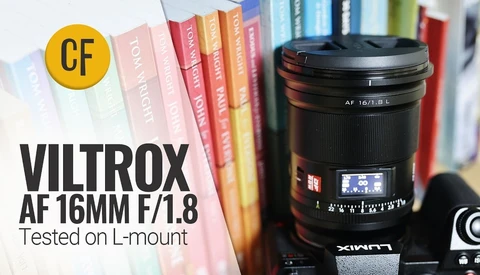
Viltrox Brings Its 16mm f/1.8 to L-Mount
Viltrox's AF 16mm f/1.8 is now available for L-mount, bringing a bright ultra-wide with a small info screen on its barrel to Panasonic, Leica, and Sigma bodies at a list price of $580. If you shoot night skies, tight interiors, or dim venues, a fast autofocus 16mm at that price gives you another way to gather light without leaning so hard on ISO.

Frances Benjamin Johnston: The First Female Press Photographer's Impossible Career
In 1896, a woman settled into a chair in front of the fireplace in her Washington, D.C. studio, hiked her petticoats above the ankle, crossed her legs like a man, and aimed her own camera at herself. One hand held a lit cigarette. The other cradled a stein of beer.
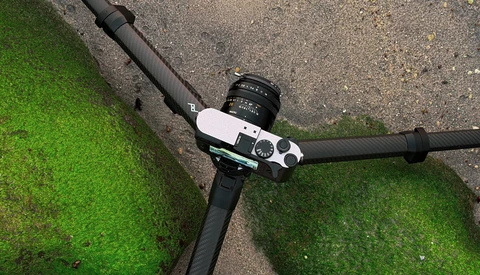
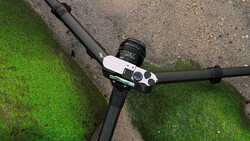
Was This Compact Tripod Just Years Ahead of the Trend?
When this tripod came out years ago, so many of us wanted it to the point that a lot of us forced it to be useful in situations where it wasn’t the best fit. Now that we’ve seen the brand’s other tripod offerings, where it fits best is more obvious.
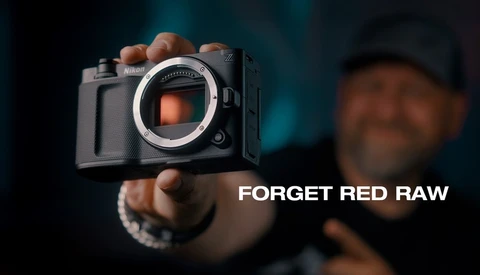
What It's Like to Shoot Stills With the Nikon ZR
The Nikon ZR puts RED's raw video format, 32-bit float audio, and a 4-inch screen into a body with no viewfinder, so most of the conversation around it stays on codecs and cinema workflows. If you shoot both stills and video, the more useful question is whether it's a camera you'd pick up on a day when there's nothing to film.

Wide, Medium, Close: A Filmmaker's Trick for Landscape Photography
You get to a beach at sunrise, the light finally shows up, and nearly every frame you take is the widest view your lens allows. That habit leaves most of a location unphotographed, and it pins the whole morning on one composition and one patch of sky.