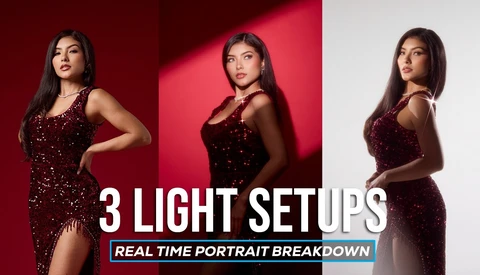
Hard Light, Soft Light, and Silhouettes: One Strobe, Three Results
Choosing a strobe often comes down to one question: how versatile is it? Eli Infante put the Westcott FJ250 through three distinct setups in a single session to show exactly what it's capable of, from soft beauty light to hard dramatic slices of light to a high-key silhouette build.
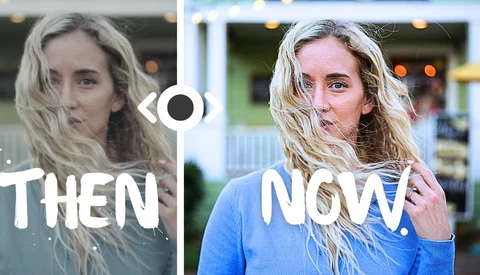
Why the Most Technically Perfect Lens Available Could Be Holding You Back
Does a technically flawless lens actually make you a better photographer, or does it quietly remove the part of the process where the learning happens?
Latest Gear Reviews


Active Contests
7
252
Enter your Best "Dark" or "Low-Key" images
Welcome to the April Critique the Community! For this contest/critique, we are doing another abstract theme that should allow more photographers to enter. For this month we want to see your most "dark" or "low key" photographs.
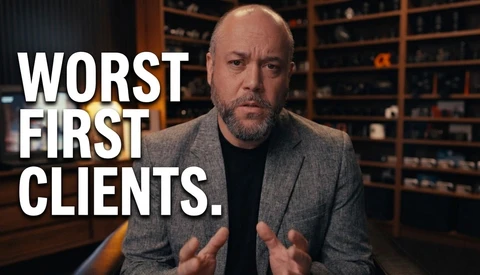
The Real Cost of Photographing Friends and Family
Mixing money and personal relationships is one of the fastest ways to damage both. Nearly half of all photographers say finding new clients is their single biggest challenge, which makes the "start with friends and family" advice feel reasonable on the surface.
Fstoppers Exclusives




The Inner Voice Killing Your Creative Momentum
The gap between knowing what you want to make and actually making it is one of the most common struggles in creative work. It's not laziness, and it's not a lack of discipline, even though that's the story most people tell themselves.
18
334
Submit Your Best "Emotional" Images To Our Critique!
Welcome to the April Critique the Community! This month's theme is "Emotion" and can be interpreted however you see fit.

A Beginner's Guide to What Every Camera Mode Actually Does (and When to Use Each One)
Look at the top of your camera. Somewhere on the body, probably on a physical dial, you will find a cluster of letters that might as well be hieroglyphics if nobody has ever explained them: P, A (or Av on Canon), S (or Tv on Canon), and M. Nikon, Sony, and OM System use P/A/S/M. Pentax mirrors Canon's labeling with Av and Tv. Some cameras throw in a green rectangle, a handful of icons depicting tiny people or mountains. Here's what they all mean.
Aspect Ratio Is a Creative Choice: Here’s What 1:1 Taught Me
Most of us never question the shape of the frame—we just shoot what the camera gives us. We consider a 3:2 ratio normal, and we rarely stray from it. What happens when you stop treating aspect ratio like a default and start using it like a creative choice?
The Sigma 15mm f/1.4 vs. Sony 15mm f/1.4 G vs. Viltrox 15mm f/1.7: Which APS-C Lens Wins?
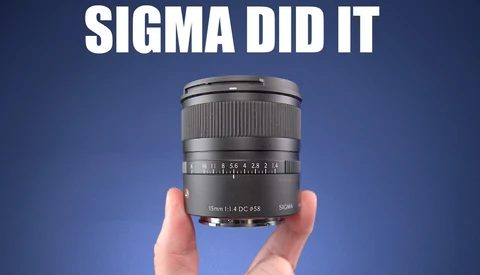
The Sigma 16mm f/1.4 has been the bestselling APS-C mirrorless lens of all time, and Sigma just replaced it with something smaller, sharper, and better built. Whether the new Sigma 15mm f/1.4 is actually worth picking over the Sony or the budget Viltrox is a more complicated question than it might look.

Photoshop for Absolute Beginners: Everything You Need to Know to Get Started
If you've never opened Photoshop before, the interface can feel like a wall of buttons with no clear entry point. Knowing where to start, what to ignore, and how the core pieces fit together makes the difference between actually learning the software and giving up in the first ten minutes.
The Real Reason Going Pro Might Ruin Your Love of Photography
Most people assume that turning a passion into a career is the ultimate goal. For photography specifically, that assumption can cost you more than you realize, and not just financially.
The Leica M6 and Cinestill 800T Night Walk Nobody Asked For But Everyone Needs
Shooting through a creative slump is one of the harder parts of photography that nobody talks about honestly. Kodak Vision3 500T's tungsten-balanced sibling, Cinestill 800T, is one of the few film stocks that can pull you back in almost by itself.
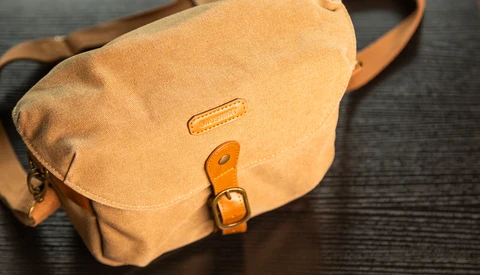
Is This $30 Camera Sling From Amazon Actually Worth It?
Does the biggest brand name always make the best camera bag? Not necessarily. I was recently gifted the BAGSMART Canvas Crossbody Camera Bag — a vintage-style canvas sling bag that isn't a household name but has racked up a significant following on Amazon. At $29.99, if it holds up, it could be a genuinely worthwhile option for photographers who want something functional, compact, and stylish without breaking the bank.
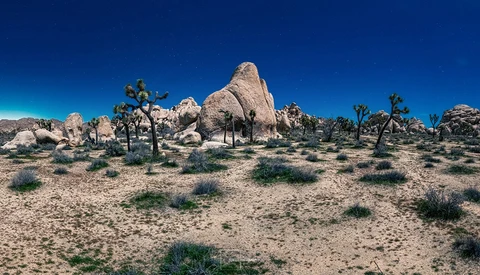
Behind the Scenes: How I Photographed Panoramas in Joshua Tree
Take a peek behind the scenes at how I created several enormous, detailed night panoramas in Joshua Tree National Park. The surreal landscapes are perfect for this sort of work. Below, I'll walk through the process, gear, and a few discoveries that make panoramas better.
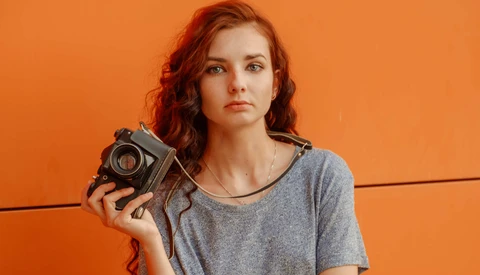
The Exposure Triangle Explained: ISO, Aperture, and Shutter Speed for Complete Beginners
Every camera you have ever used, from a disposable Kodak to a $6,000 mirrorless body, does exactly one thing: it controls how much light hits a sensor. That is it. Everything else, the tracking autofocus, the computational wizardry, the menus nested seven layers deep, is in service of that one job. The three tools your camera uses to manage light are ISO, aperture, and shutter speed, and the relationship between them is called the exposure triangle.
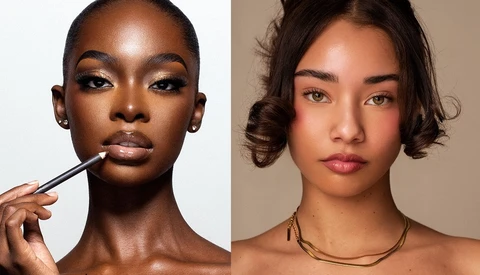
The Background Trick That Makes Skin Tones Pop in Any Portrait
Getting skin tones right in post-processing is one of those things that separates a good portrait from a great one. The difference usually comes down to a handful of specific adjustments most people skip.
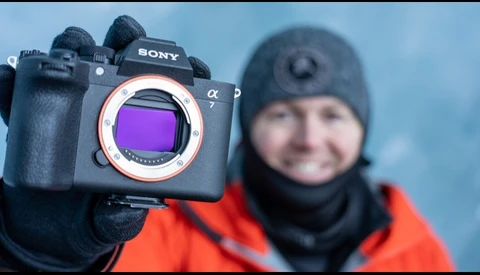
Sony a7 V Real-World Review: Better Than the a1 for Under $3,000?
Picking the right Sony body right now is genuinely complicated. The Sony a7 V sits under $3,000, yet this video argues it beats the Sony a1.
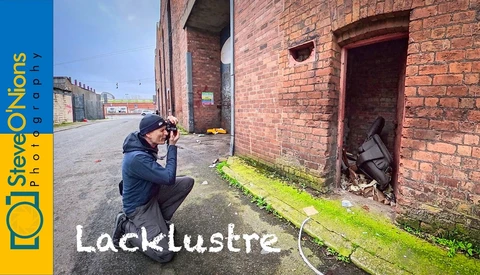
Did Shooting Digital Make This Film Photographer's Photos Worse?
Shooting with a digital camera after years of film can be a humbling experience. The gap between snapping shots and actually making photographs is wider than most people realize, and Steve O'Nions found that out the hard way on a street photography day in Liverpool.
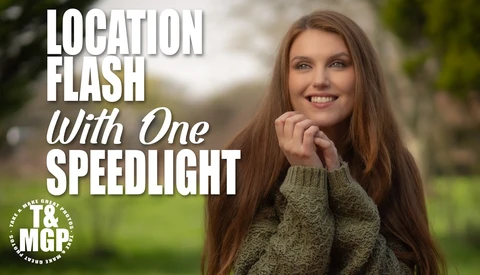
Why Your Outdoor Portraits Look Flat and How Flash Fixes It
Outdoor portraits in flat, lifeless light are one of the most common problems to solve, and a speedlight is often all it takes to fix them.
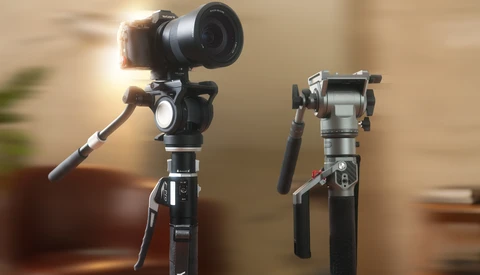
Which Carbon Fiber Monopod Suits You Better? We Review the YC Onion PINETA Pro and SmallRig 5565
Monopods used to be just assistive tools for heavy camera setups. Now they can stand on their own. These two monopods take it further by being extra efficient, but which one is better for you?
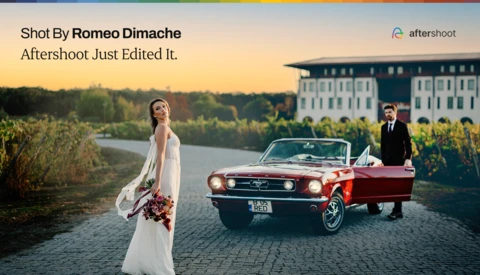
Why I Stopped Fearing AI and Started Using It
Photographers are worried about AI coming to take their jobs. Fair enough, with all the new tools out there you might very well think that. Yet, it is simply impossible, and Aftershoot has finally proven that. Aftershoot AI works for you, not against you.
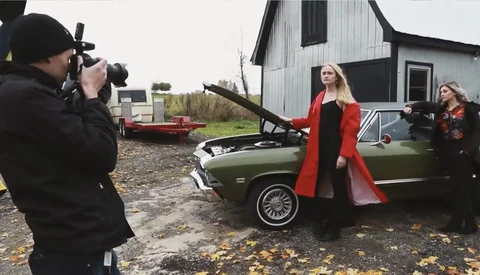
The 14-Year-Old Camera That Keeps Clicking
This is an appreciation for the camera equivalent of when you drive a car for a long, long time and it holds up. This is for none other than what was my original photographic workhorse, the Canon EOS 6D Mark I.

10 Photographer Arguments That Will Never Be Resolved
Every profession has its unresolvable debates. Chefs argue about whether a hot dog is a sandwich. Musicians argue about whether music theory stifles creativity. Photographers have their own collection of eternal conflicts, and what makes them special is that nobody has ever won any of them. Not once. Not in forums, not in comment sections, not at workshops, and not at the bar after a shoot. Here are the ten battles that will outlive us all.

The Lightroom Settings Behind That Hazy, Ethereal Photography Style
Getting that soft, misty look in your landscape and travel photos isn't about one secret trick. It's a combination of shooting conditions, light direction, and a handful of specific editing moves that most people either skip or don't know to try.
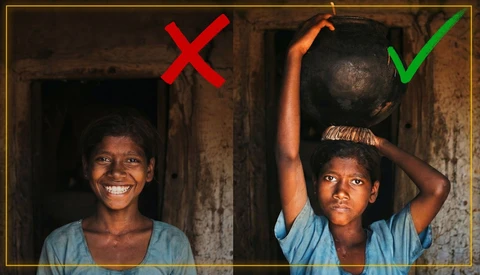
Why the Best Travel Portraits Don't Look Like Portraits at All
Getting a genuine portrait of a stranger is one of the hardest things to pull off in travel photography. The second someone knows a camera is pointed at them, they stop being themselves, and whatever drew you to them in the first place vanishes.
Why Mini Sessions Might Be Quietly Killing Your Photography Business
Mini sessions are one of the most common strategies portrait photographers use to fill their calendars, but the math behind them rarely adds up. When you account for travel, setup, shooting, editing, delivery, and client communication, you're often looking at a pittance even before taxes, equipment costs, or software subscriptions.