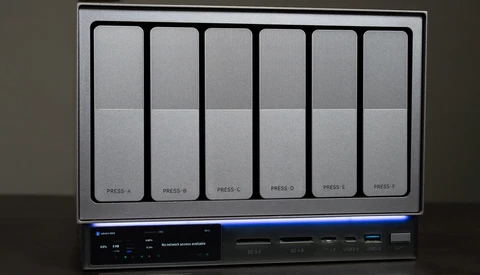
The Zettlab D6 Launches: A Polished New NAS With Ambitions Beyond Storage
Network-attached storage is like mattress shopping for creators: incredibly useful, rarely exciting. But after trying the Zettlab D6, I came away feeling like this is one of the first pre-built NAS products that genuinely tries to be something more than a black box humming in the corner.

A Famous Lens Reality Check: Soft, Wild, and Sometimes Perfect
A lens can be “bad” on paper and still be exactly the look you keep trying to fake in post. This video focuses on a vintage 85mm f/1.5 that keeps showing up in portraits and video because it does something modern lenses usually avoid.
Latest Gear Reviews


Active Contests

3
52
Submit Your Best Long Exposure Shots
Welcome to the June Critique the Community! For this contest/critique, we are doing another abstract theme that should allow more photographers to enter. For this month we want to see your best photograph that feature "Motion Blur".
Photoshop Inside ChatGPT: What Works, What Breaks
Using Adobe Photoshop inside ChatGPT changes the math on quick edits, especially when the job is small but time is tight. The catch is that the results can look polished one minute and sloppy the next, so knowing what it can and cannot do saves missed deadlines and rework.
Fstoppers Exclusives





The Simple Settings That Make Manual Focus Easier
Perfect autofocus is useful, but it can also push you into shooting the same clean, predictable frames every time. A small manual focus lens can change how you move, what you notice, and the kind of mood you bring back from a night out.
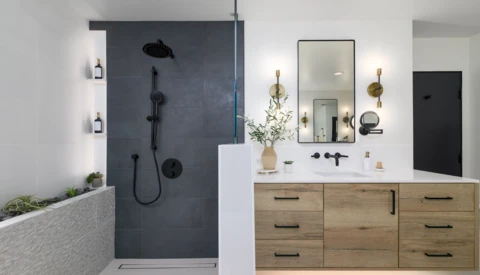
How to Get Real Estate Clients Without Cold Calling
Landing steady real estate work usually fails or succeeds before anyone sees your images. The difference is whether agents can quickly tell you are reliable, easy to hire, and worth calling back.
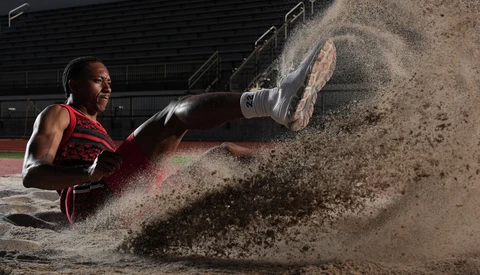
The Most Underrated Camera Spec in 2026
When you shop for cameras online, spec sheets emphasize familiar metrics: 20 frames per second, 30 frames per second, 8K video, blackout-free shooting. These numbers look impressive. They sound impressive. And they are. But they are often misleading when it comes to final image quality.
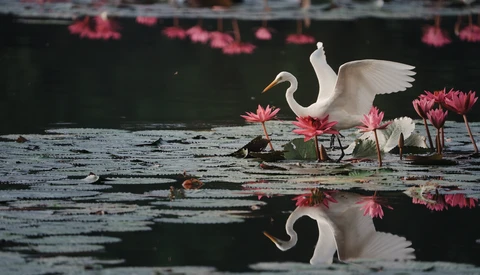
Before You Buy the Sony a7 V
While gear reviews can offer a lot of secondhand insight and opinion, there’s nothing like being able to try out the camera for yourself. While there is no way for us to let everyone interested try out the camera physically, this might be the next best thing.
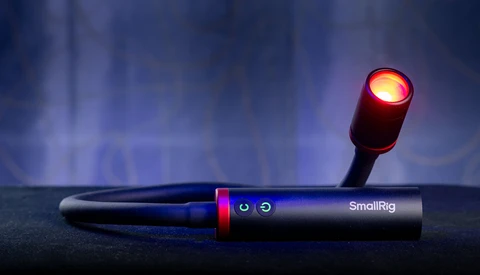
Field Test: SmallRig RM 03 Macro Photography LED Light for Close-Up Work
For macro photography, it can sometimes be useful to have additional light. Many types of lamps are available, some small, others large. SmallRig now offers the new SmallRig RM 03 Macro Photography LED lights. These small lights provide a lot of flexibility, as becomes clear in this review.
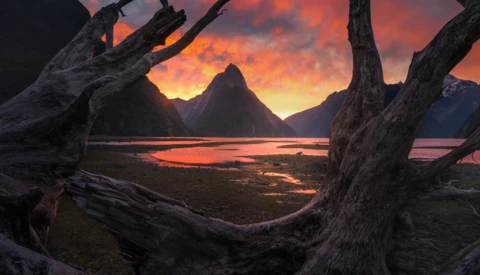
Landscape Photography With an Insanely Wide Lens
Ultra-wide lenses can make a forest scene feel bigger than it looks in real life, but they also punish lazy framing. If you want depth, clean lines, and a clear subject when the light is low, the choices you make within a few feet of the camera start doing most of the work.

Sky Masking in Lightroom: The Fix for Halos and Gaps
Sky masks in Lightroom look effortless until you push exposure and discover halos, gaps in leaves, and messy edges around roofs and ridgelines. Get this wrong and the sky starts bleeding into everything that should stay crisp.
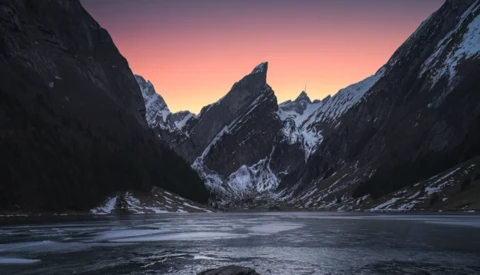
Why Your Lightroom Profile Choice Quietly Shapes the Entire Edit
Scenes can look flat fast once the sky and the shadows start fighting each other. The way you start your Lightroom edit can decide whether you keep detail in the bright areas and still get color that feels intentional.
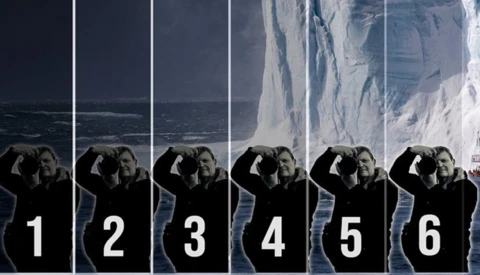
Creative Stages That Quietly Shape Every Photo You Make
You can feel stuck in photography even when you keep shooting, because the problem is not effort, it is the stage you are in. This video breaks that fog by mapping the creative arc most people move through, from early wins to the hard middle where taste outpaces results.
Why Photographers Confuse Creativity With Effects
In contemporary photography, effects often look like ideas, and imitation easily appears intentional. Quick visual formulas create an impression of creativity long before any thought has a chance to appear.
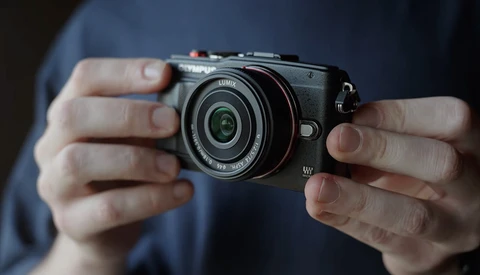
Traveling Light: The Best Fast, Small Prime Options for Micro Four Thirds
One of the strengths of the Micro Four Thirds mount is that it’s a large enough sensor to get excellent image quality, yet small enough to design some very svelte lenses for. Here are five that might fit both your budget and your bag for travel and street photography.
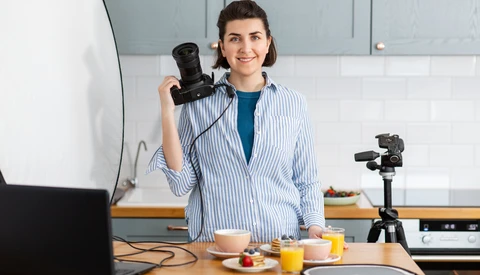
5 Things Professional Photographers Do That Beginners Don't
Walk into any camera store and you'll find hobbyists agonizing over sensor specifications and professionals grabbing whatever battery is compatible with their current kit. Spend time at a wedding venue and you'll watch amateurs fiddling with settings while the hired photographer works the room like a chess grandmaster three moves ahead. The difference between a professional photographer and an enthusiastic hobbyist has almost nothing to do with the price tag on their equipment. You can hand a beginner a $4,000 mirrorless body and a $2,500 lens, and their work will still scream "amateur" to anyone paying attention. Meanwhile, some of the most respected working photographers in the industry are still producing stunning work with gear that forum dwellers would dismiss as obsolete.
The Important Photoshop Tab Clues You’re Probably Ignoring
Tiny marks in your Adobe Photoshop document tab can quietly signal problems that cost time, color accuracy, or even a full edit. If you have ever seen an asterisk or a hash and ignored it, there is a good chance you have chased the same confusion later when a file suddenly looks off.
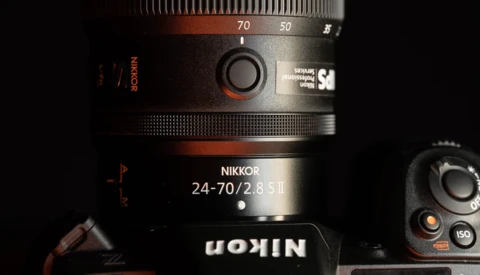
A $2,800 Standard Zoom: What Nikon Fixed and What It Didn’t
A new 24-70mm f/2.8 can look boring on paper, but this one changes the way the lens behaves in your hands. If you rely on this range for paid work, travel, or portraits, small design changes can save time or create new problems.
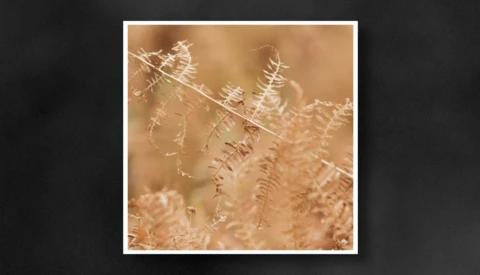
Why Ignoring the Histogram Might Improve Your Photos
You can lose the thread of a shoot by staring at tools instead of the scene. This video is about pulling attention back to what you see, what feels right, and why that shift changes how you work in the field.
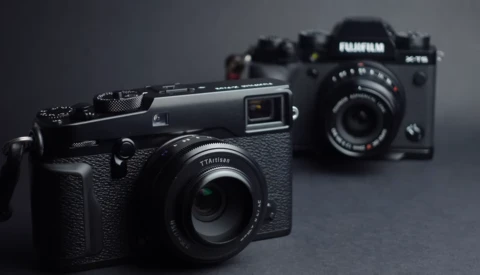
Better Than New: When Cameras Stopped Getting Better
Chasing the newest body can make you miss the bigger question: did cameras already hit the point where they were good enough years ago? This video pushes you to rethink whether constant upgrades actually improve your work or just keep you busy comparing specs.
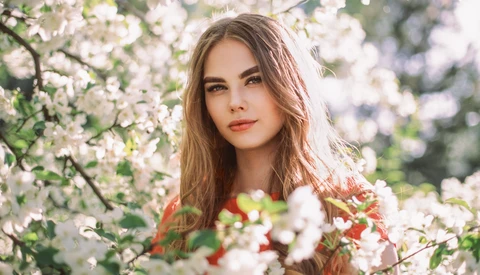
5 Common Mistakes New Film Photographers Make
Film photography has experienced a remarkable resurgence over the past decade, drawing in photographers who crave something tangible in an increasingly digital world. But here's the uncomfortable truth that nobody mentions in those dreamy Instagram posts of vintage cameras and coffee shop aesthetics: film is expensive. When you factor in the cost of a roll of quality 35mm stock, professional development, and scanning, every single frame you shoot costs roughly $1.50. A 36-exposure roll represents a $40-50 investment before you even see the results. Unlike digital, where you can fire off 500 shots and delete 499 of them without consequence, film punishes mistakes with real financial pain.

Using 24mm and 50mm to Control Portrait Mood and Context
Portraits fall apart when the lens choice fights the moment or the setting. Using 24mm and 50mm on a full frame camera forces you to decide whether a portrait is about connection, context, or the tension between the two.

From NAS to Cloud: How Photographers Should Rethink Storage
Digital media files have grown enormously, driven by high-resolution sensors, uncompressed raw data, and the demand for high dynamic range. Every frame now carries extensive metadata and integrated data, often reaching tens or hundreds of megabytes. With rising resolutions and accelerating frame rates, the real question isn’t which camera to buy — it’s how we manage storage after the fact.
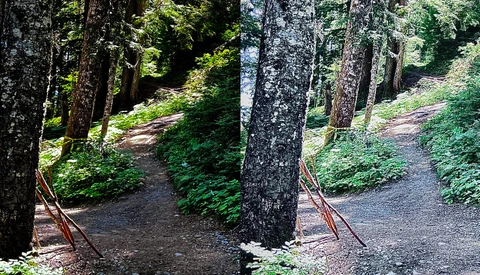
Radiant’s New iOS Camera App Lineup Targets Specific Photography Genres
We’ve looked at products from Radiant Imaging Labs before, and they’ve always offered an interesting and fresh software approach for photographers.
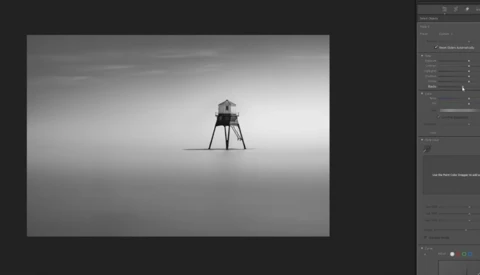
Beyond the Raw: How to Craft a Minimalist Fine Art Masterpiece
There is something about a lighthouse that demands a certain kind of stillness. I’ve spent more hours than I care to admit standing in the wind, looking at these structures—whether it’s Poolbeg Lighthouse in Dublin or a lonely sentinel on the coast of Portugal—waiting for the light to match the mood I see in my head.
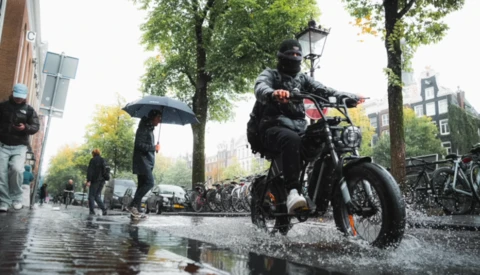
Make Your Subject Pop Without Blurry Backgrounds
Getting your subject to pop is the difference between a frame that feels intentional and one that feels like a snapshot. This video focuses on making that happen with available light instead of leaning on blurry backgrounds.