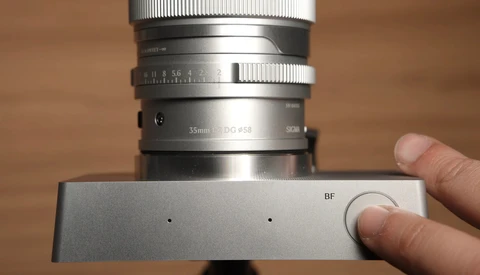
Sigma BF: A Camera That Removes Almost Everything
A camera that strips away the usual controls can force you to shoot differently, sometimes in ways you don’t expect. If you care about street and travel work, the tradeoffs on a minimalist body can either free you up or quietly ruin a day.

Why Printing Still Matters and How It Separates Authors From Image-Makers
In today’s digital environment and on social media, the topic of printing is rarely discussed. Yet printing your own work is a challenge that can change not only how you process images but how you see them.
Latest Gear Reviews




Active Contests

7
267
Enter your Best "Dark" or "Low-Key" images
Welcome to the April Critique the Community! For this contest/critique, we are doing another abstract theme that should allow more photographers to enter. For this month we want to see your most "dark" or "low key" photographs.

A New Superzoom That Might Replace Two Lenses
The promise is simple: one lens, fewer swaps, more shots. The reality is messier, and this video shows if it's worth it.
Fstoppers Exclusives







21 Stocking Stuffers Every Photographer Will Actually Use
Finding gifts for photographers is notoriously difficult. The gear they actually want costs a fortune, and anything cheaper feels like a letdown. But stocking stuffers occupy a different category entirely: small, practical items that working photographers burn through or never think to buy for themselves. Whether you're shopping for someone or making a list for yourself, you'll find stuff to love here.

What Really Happens When You Cancel Adobe
Subscription software turns editing into an ongoing commitment instead of a one-time decision. When updates add features you don’t want and friction you didn’t ask for, the tradeoff becomes impossible to ignore.
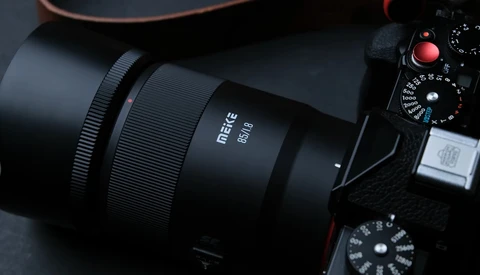
An $230 85mm Lens: Bargain or Compromise?
An 85mm prime is where small flaws get loud fast, especially when you shoot wide open and expect clean edges and smooth blur. Can this $230 lens keep up?

A Simple Habit That Fixes Your Landscape Photos Faster Than New Gear
A lot of your best landscape work depends less on dramatic light and more on whether you show up when the weather looks boring. This video is about building that habit, then using simple choices to turn gray conditions into frames you actually want to keep.
Adobe and ChatGPT Combine to Offer Natural Language Interface
You must overcome two fundamental challenges before you can produce a work of art. First, you need a vision of what you want to create. Next, you must have the skill to manipulate the tools necessary for the manifestation of that vision. If your vision involves using retouching software like Photoshop, it has long been understood that you will spend hours studying tutorials to master the program.
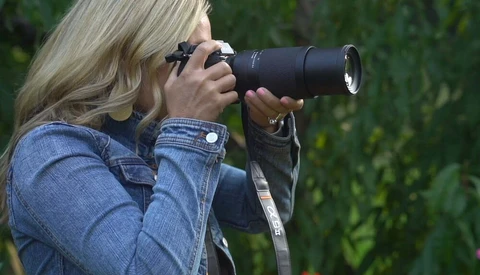
10 High-Performance Telephoto Lenses Around $1,000 or Much Less
We all carry around a mental image of that perfect shot. A bird plunging toward the water to snag its prey. Your daughter crossing the finish line at her first track meet. These are the photographs that get framed, shared, and remembered. For a long time, capturing these moments required a small fortune. Not anymore.
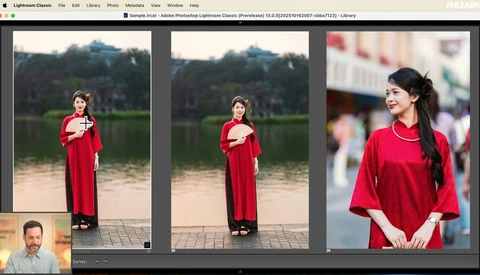
Use Lightroom AI To Find Sharp, Eyes-Open Keepers in Seconds
Lightroom Classic now has an AI Assisted Culling feature that can scan a whole shoot and tell you which frames actually meet your standards. When you are staring at rows of nearly identical portraits after a long session, that kind of help can keep you from wasting hours on basic sorting.

You Can Nail the Exposure and Still Miss the Photograph
You can nail the exposure and still miss the photograph. How? Because numbers teach “correct,” but story teaches truth. A flawless histogram isn’t a finished narrative—and perfect light doesn’t guarantee a picture that speaks.

Huawei Mate X7 Sets New Benchmark for Foldable Smartphone Photography
For years, foldables have been known to offer nothing more than mediocre-level cameras. With the launch of the new Huawei Mate X7, they have just raised the bar for foldable phones with a device that packs a bunch of serious camera hardware. The new Huawei Mate X7 is being positioned as the first foldable with true flagship-grade imaging technology that finally doesn’t force you to compromise on photography for form factor.
Is the Canon R6 Mark III the One Camera You Need?
Two weeks of airports, street shooting, and long days with a single body is a tough test for any hybrid camera, and that is exactly what this real-world trip puts the Canon EOS R6 Mark III mirrorless camera through. If you rely on one setup to handle both serious stills and video while traveling light, understanding how this body behaves outside a studio matters a lot.
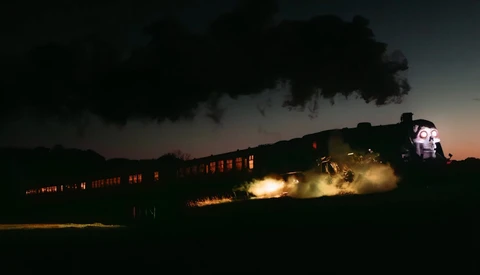
How to Rescue a Dark Photo in Lightroom Classic
Night scenes in near darkness look dramatic, but they are some of the easiest images to ruin with missed exposure, motion, and noise. If you shoot moving subjects at night, you probably have a folder of frames that feel too dark and too messy to bother editing.

How the Sigma 50-100mm f/1.8 Art Performs on Modern Bodies
Fast telephoto zooms on APS-C bodies are rare, especially ones that hold an f/1.8 aperture all the way through the range. If you shoot portraits, events, or low light work on crop cameras, that combination changes what you can get away with handheld.

Is This the End of Night Photography Education in Joshua Tree?
One of the joys of discovering Joshua Tree National Park is learning how to photograph the night sky through night photography workshops and classes. "Half the Park is After Dark" is a National Park Service campaign slogan, after all. But this may be coming to an end.

Why Your Expensive Camera Is Holding You Back
You finally did it. After months of research, countless YouTube reviews, and one too many credit card statements you'd rather not discuss, you bought the camera. The flagship. The one with the sensor everyone raves about, the autofocus system that borders on witchcraft, and enough megapixels to count the individual hairs on a hummingbird from fifty feet away. You unboxed it with the reverence usually reserved for religious artifacts. You knew that after this moment, everything would change for the better.

Nikon Offers New Recipes Based on the Most Popular RED LUTs
Nikon has further integrated RED Cinema technology into its products today with a new set of imaging recipes aimed at bringing RED’s unique colors to Nikon cameras.
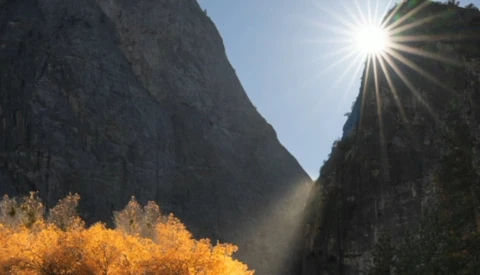
Subtle Lightroom Masking Tricks That Make Your Landscapes Glow
Lightroom Classic’s masking tools give you more control over light, color, and depth in your images. If you skip them or only use the basics, you end up fighting flat scenes and blown highlights that never quite match what you saw on location.
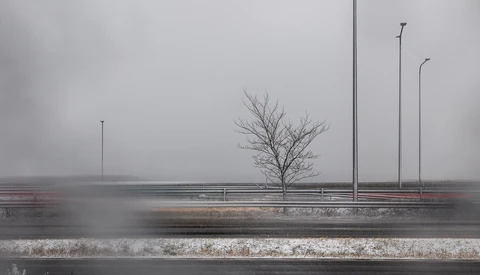
Why Photography’s Future Is Physical in the Age of Video
When video became the main way to capture attention, the environment for photography began to disappear. To survive, it must once again become an object, not content.

Portrait Headshots To High-Fashion With One Beauty Dish
A beauty dish looks simple, but small changes in how you set it up can completely change a portrait. If you shoot people in tight spaces or on location, learning to control one beauty dish will do more for your images than adding another three lights you barely touch.

Speed Up Portrait and Landscape Edits With Smart Lightroom Masks
AI masking in Lightroom has quietly turned into one of the fastest ways photographers change the mood and focus of an image without touching every slider by hand. If you shoot portraits and landscapes and want your edits to look polished but still natural, this walkthrough shows how to let the software do the heavy lifting while you keep control over the final look.
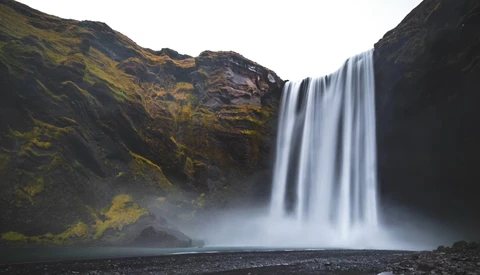
Why This Small Camera System Works Better in the Real World
Micro Four Thirds often gets written off as a compromise, yet it offers tools and handling that directly change how you shoot outside. If you want lighter gear, more in-camera options, and a system that suits landscapes and long exposures, this video breaks down what that actually looks like in day-to-day use.

Why We Keep Pretending Film Is More ‘Honest’ Than Digital
Film photography is often described as honest, natural, and human. But that “honesty” has long turned into nostalgia, a ritual we keep repeating to reassure ourselves that craft means control.
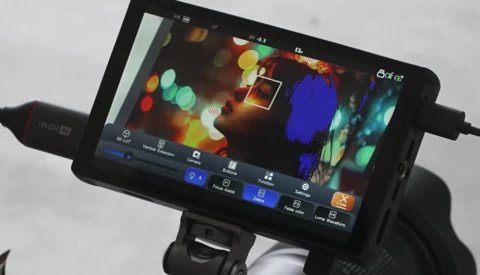
The LH5C Monitor Fixes a Common Issue for Sony Filmmakers
When it comes to filmmaking, being able to see what you are shooting clearly and accurately is important and will affect the output greatly. Trying to judge your work on a small screen on the back of the camera is not conducive to high-quality results. This is why additional monitors are a key component for many filmmakers. Controlling the action from these screens has not always been possible on all camera models.